
Reviewed · WALKING TOURS
Split: Group or Private Walking Tour with Art Historian
Split’s old town is not a museum behind ropes. It is a living city built inside and around a Roman palace, with laundry, cafés, shops, fish stalls, and families using streets that began as imperial passageways. Art historian Josipa guides you through that overlap, showing you how to read the stones rather than simply naming them.
I like the scholarly but personal approach, tied to ongoing archaeological fieldwork. I also like the route’s variety, from the grand Peristyle to the tiny Street Let Me Pass and the old neighborhood of Varoš. The main catch is practical: this is a two-hour walking tour with several steps, and it does not include entry to paid sights such as the cellars or cathedral.
Key points to know before you book

- Art historian Josipa leads the walk: She brings an academic eye to Roman, medieval, and modern Split while keeping the tour open to questions.
- The route covers major sights and small lanes: You see the Golden Gate, Peristyle, Jupiter’s Temple, Riva, city squares, and Varoš.
- Paid interiors are not included: You receive explanations and advice for visiting the Substructures, cathedral, and Temple of Jupiter on your own.
- Private and small-group choices are available: A private booking gives you the most control, while the small-group format keeps conversation possible.
- The tour ends with local character: Varoš and the area around Trg Šperun offer a different feel from the imperial center.
- Comfort matters: Expect steps, uneven old streets, summer traffic, and a rain-or-shine departure.
Why this Split walk feels different
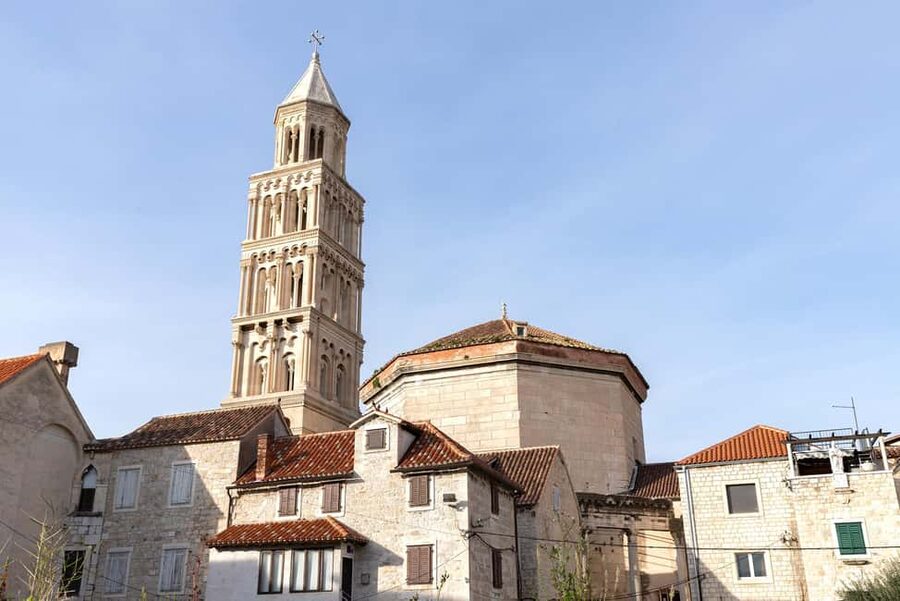
Many city tours treat Diocletian’s Palace as a list of grand names: Golden Gate, Peristyle, cellars, cathedral. This one aims to show you how the pieces fit together. Josipa points out the Roman street plan, later building changes, reused stone, and the way the palace became a town instead of remaining a single monument.
That makes the tour useful at the start of a Split visit. You will not only hear what a building is called. You will get a method for spotting Roman traces, medieval changes, and modern adaptations during the rest of your stay.
The guide’s background in art history matters most when the route reaches less obvious places. A narrow passage or a plain block of masonry can become meaningful when you understand what it replaced, how it was reused, or why it survives in that position.
Josipa is also the owner of Aspalathos Guided Tours, so you are not being handed from one guide to another. The tour can adjust to your interests and background in real time. If you care about architecture, archaeology, daily life, or local customs, say so early.
Other guided walks in Split:
- Split: Old Town and Diocletian Palace Walking Tour
★ 4.9 · 4,727 reviews - Walking Tour of Split and Diocletian’s Palace
★ 5.0 · 2,588 reviews - Krka Waterfalls tour with Trogir Walking tour and Krka panoramic boat cruise
★ 5.0 · 1,659 reviews
Starting at Strossmayer Park and Gregory of Nin
Meet at the fountain in Strossmayer Park, also called Djardin. The park sits just above the Golden Gate, near the statue of Bishop Gregory of Nin. Look for Josipa holding the yellow and blue Aspalathos Guided Tours sign.
This is a sensible starting point. The green park gives you a little breathing room before the tight streets of the old center, and the location makes it easy to connect the modern city with the palace walls.
The first stop is Gregory of Nin, where the guide spends about five minutes. You then move to the Golden Gate for around ten minutes. This northern entrance is one of the clearest reminders that Diocletian’s Palace was built as a fortified imperial residence, not merely as a decorative country house.
The stop at Sv. Martin is shorter, about five minutes, but that does not make it unimportant. On a route like this, smaller stops help you understand how worship, defense, and domestic life occupied the palace after the Roman period.
Walking the palace gates and Peristyle
The Silver Gate receives another short guided stop. Together, the Golden and Silver Gates help you picture the palace as a planned Roman complex with controlled entrances and a strong internal order.
The tour then reaches Peristyle, with about ten minutes for explanation and sightseeing. This is the architectural heart of the route, a formal open space where the scale of the Roman design becomes easiest to grasp. Take time to look above the modern activity and notice how later construction presses against the original lines.
From Peristyle, you visit Jupiter’s Temple. The tour does not include paid entry, but Josipa explains the site and tells you how to return independently if you want a closer look. This arrangement keeps the walking tour affordable, though you should budget extra time and admission fees if you want to see the interiors.
Street Let Me Pass offers a useful change of scale. The name alone hints at the tight lanes that developed within the palace. A five-minute stop here shows how the grand Roman plan was gradually adapted to everyday life.
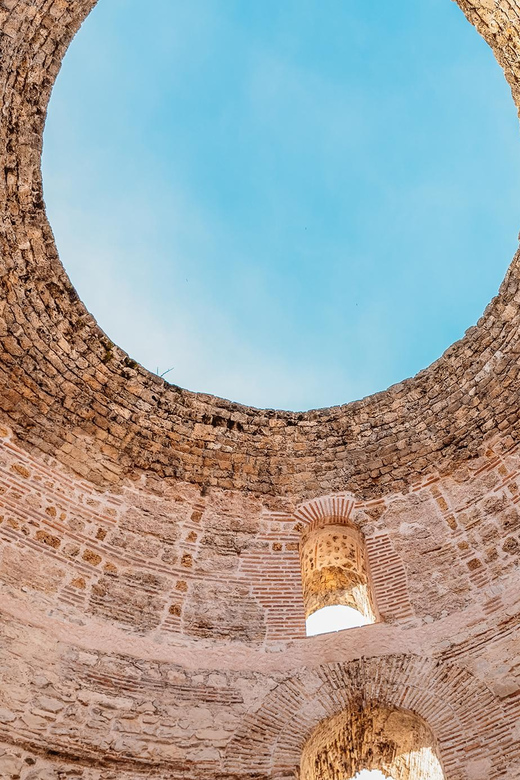
At the Vestibul, you get a longer ten-minute photo and sightseeing stop. This circular space is one of the route’s best places to see the transition between formal imperial architecture and the lived-in old town. The guide’s role here is not just to point out the shape, but to help you notice how people move through and use the space today.
From Triklinij to the Diocletian’s Cellars
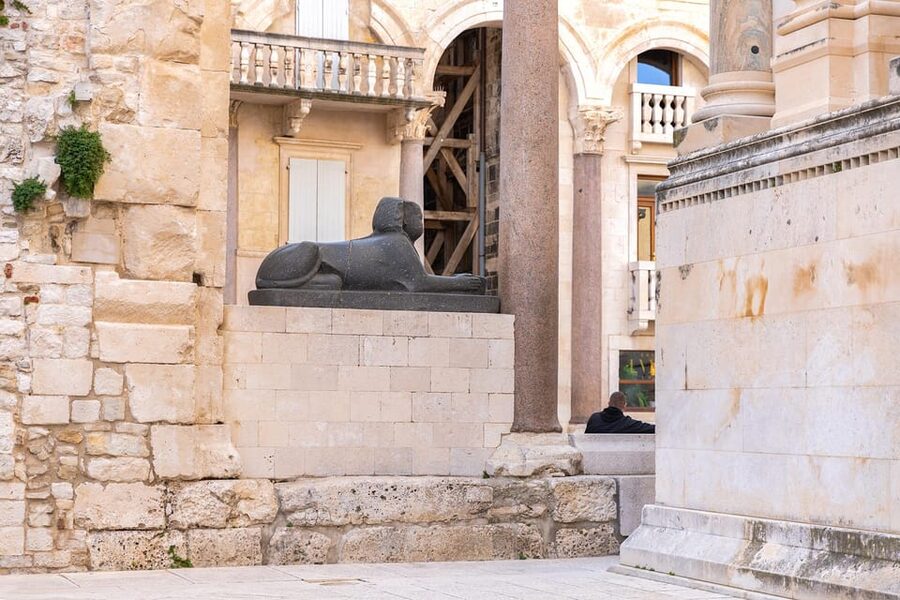
The stop at Triklinij lasts about five minutes and adds another piece to the palace’s residential and ceremonial story. Short explanations are spread across the route rather than packed into one long lecture, which should help if you prefer walking and looking to standing in one place.
Next comes Diocletian’s Cellars, with about ten minutes of guided sightseeing. These lower structures are important because they preserve the palace plan and show the engineering beneath the imperial apartments above.
Again, the tour passes the site rather than entering it. That is the clearest limitation for anyone hoping to see the underground rooms during the two-hour walk. On the other hand, you receive practical direction for returning later, and you can choose whether the paid visit fits your schedule and budget.
I see this as a good value choice if you want orientation before spending money on admissions. You learn why the Substructures matter first, then decide if you want to explore them in greater detail.
Same base, a different kind of day out:
- Split: Krka Waterfalls Trip with Boat Cruise and Swimming
★ 4.8 · 10,519 reviews - From Split: Krka Waterfalls, Food & Wine Tasting Tour
★ 5.0 · 9,326 reviews - Blue cave, Mamma Mia and Hvar, 5 islands speedboat tour
★ 5.0 · 7,150 reviews - From Split: Krka Waterfalls, Food & Wine Tasting Tour
★ 4.9 · 6,598 reviews
Leaving the palace for the Riva
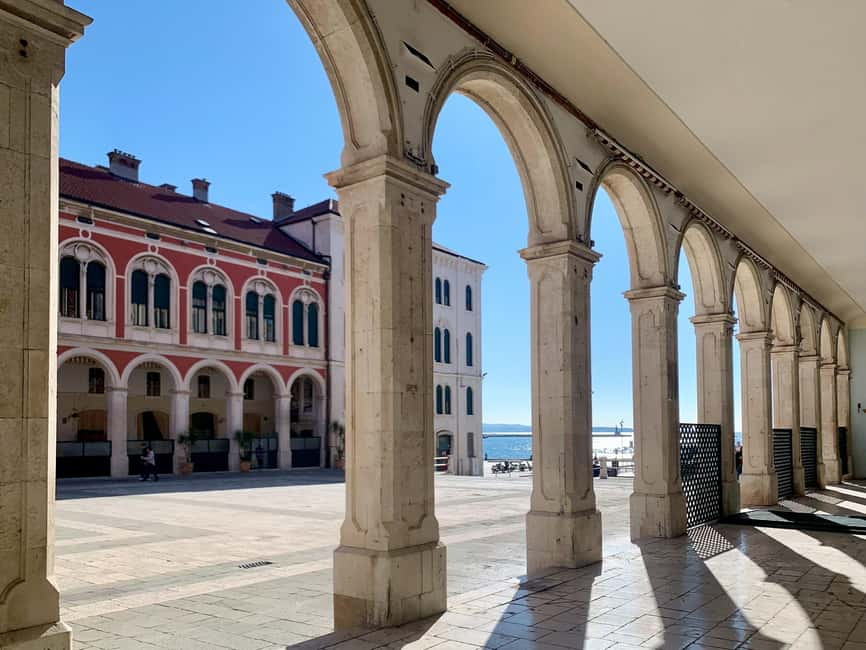
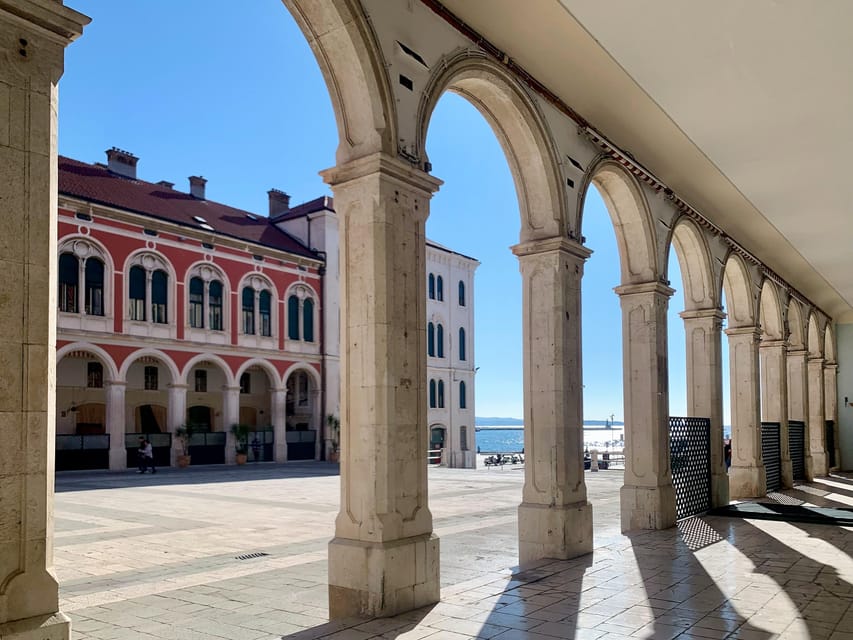
The route shifts from Roman court spaces to Split’s waterfront at the Riva. About ten minutes here gives Josipa room to explain the city’s relationship with the sea and how the formal palace area connects with the public life of modern Split.
The Riva is a useful contrast. Inside the walls, the focus is on imperial planning and medieval layers. Along the waterfront, you see the city as a social center, with public space and daily movement shaping the experience.
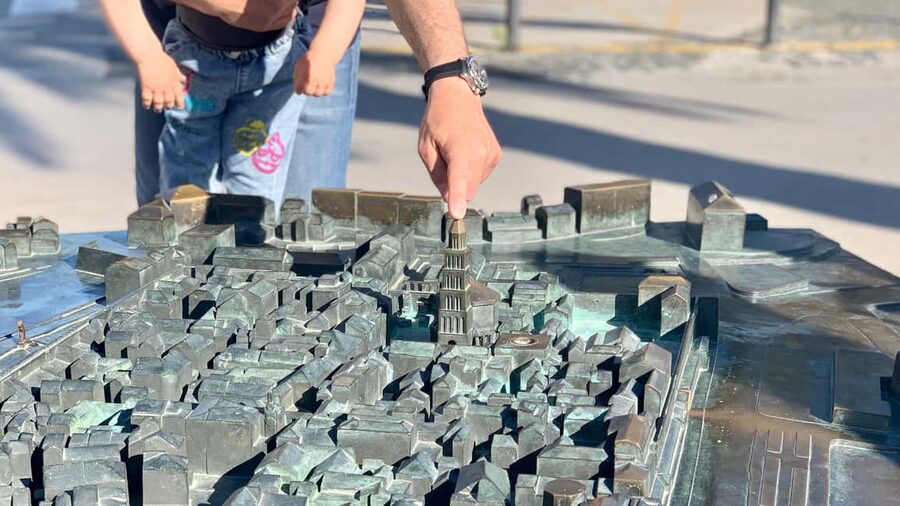
A model of Split follows, with around five minutes of guided viewing. This can help you understand the city’s layout after walking through narrow streets where it is easy to lose your sense of direction.
If you are arriving by cruise ship or have only a short stay, this part of the route also helps you place the port, waterfront, palace, and old neighborhoods in relation to one another.
Squares, markets, and everyday Split
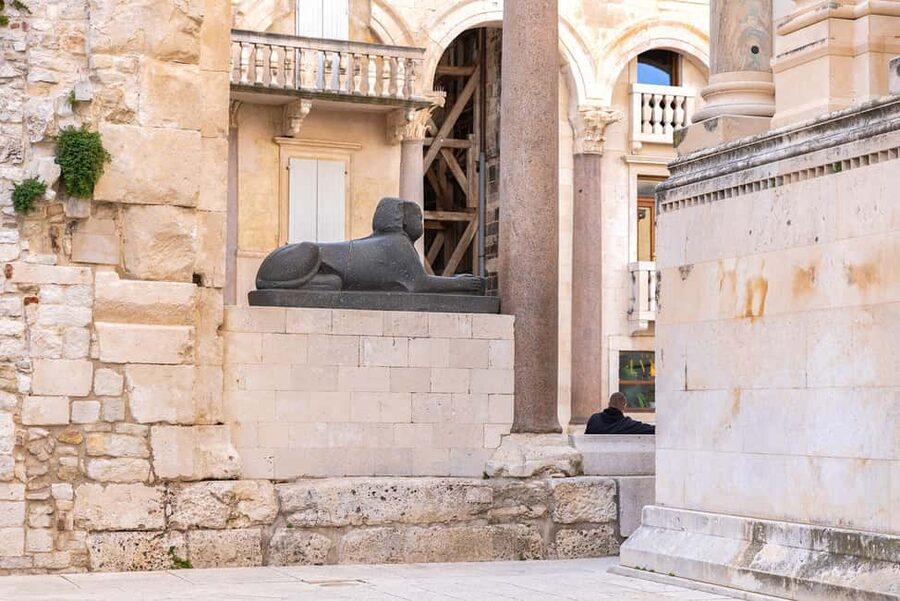
Fruit Square receives a short stop, followed by People’s Square, where the guide spends about ten minutes. These spaces shift the focus from ancient imperial power to the later civic life of Split.
You then pass the Split Fishmarket for about five minutes. This is a valuable stop because it connects the old center with ordinary local routines. Split is not only columns and carved stone. It is also a working city where food, trade, and social life continue inside historic surroundings.
Republic Square comes near the end, with about ten minutes for sightseeing and explanation. The broad space gives you another change from the enclosed palace lanes and offers a chance to ask final questions before the walk moves toward Varoš.
The route finishes around Trg Šperun and Republic Square, while the meeting information also says the activity ends back at the meeting point. Because those details describe the ending differently, confirm the exact final location when you book. The stated route also presents Varoš as the final neighborhood, so you should expect the walk to finish outside the central palace core.
Why Varoš adds real value
Ending in Varoš is one of the best choices in the route. This old neighborhood has preserved Roman-era architecture that was adapted over many centuries. Its streets offer a different view of Split from the monumental spaces inside Diocletian’s Palace.
The point is not that Varoš is untouched. Its value comes from seeing how old structures were reused and how a neighborhood remained part of the city’s daily life. Josipa explains what makes Split unusual as a UNESCO site: historic Roman fabric is still part of a functioning town.
This final section also helps you avoid a common mistake. If you see only Peristyle, the gates, and the waterfront, Split can seem like a compact Roman attraction. Varoš shows you the wider urban story and gives you a better sense of how the city grew around its first major plan.
Private or small group?

Choose the private option if you want the route shaped closely around your interests. It should suit couples, families, or friends who want more time for questions, a slower pace, or extra attention to architecture and archaeology.
The small-group option is a good middle ground. It keeps the price at $32 per person while allowing conversation with the guide. A previous booking specifically valued Josipa’s friendly, cheerful manner, her willingness to answer many questions, and her ability to find an efficient route through Split’s alleyways. That combination matters in a narrow old town, where a few minutes saved on wrong turns can make the walk feel far less rushed.
The tour is in English. If you prefer a large group with a scripted presentation, this may feel more personal than expected. If you want a fully private pace, the private choice is the safer fit.
Is $32 a fair price?
At $32 per person, the tour offers good value if you want a serious introduction to Split without paying for a full day. Two hours is long enough to cover the main landmarks, but short enough to fit before lunch, after arrival, or before an evening plan.
The price includes Josipa’s guiding service, but not admissions. That keeps the basic cost clear. Plan separately for any paid entry to the Substructures, cathedral, or Temple of Jupiter.
The best value comes from using the tour as a first look. Afterward, you can return to the paid sites that interest you instead of paying to enter everything at once. You also leave with local advice about the best time to visit Split and Croatia, which can help with the rest of your planning.
Practical details that affect your day
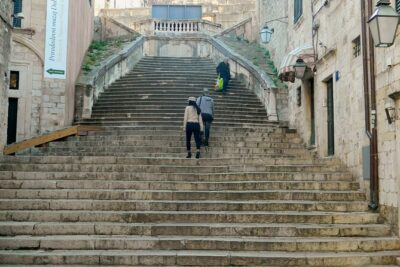
The tour lasts two hours and runs rain or shine. Wear shoes suitable for old streets and steps, and allow more time than the advertised duration if you expect to stop for photos afterward.
There are several unavoidable steps, and the experience is not suitable for wheelchair users or people with mobility impairments. It is also listed as unsuitable for people with hearing impairments. If any of these concerns apply, contact the provider before booking rather than assuming the route can be altered.
Summer traffic can slow your arrival into the city. The maximum waiting time is ten minutes, after which the group departs. Arrive early and search your map for Strossmayer Park or Strossmayerova Fountain, not only for Diocletian’s Palace.
You can cancel up to 24 hours in advance for a full refund, and reserve now with payment later. Those terms are useful if your Croatia plans are still shifting.
Who should book this Split walking tour?
I would choose this tour if you want the old town explained by someone with an art history background, and if you care about the small details behind the headline monuments. It is especially suited to first-time visitors, curious walkers, couples, and anyone who wants a route that reaches Varoš rather than stopping at the palace’s most photographed spaces.
It is less suitable if you want extensive interior visits during the two hours, a fully accessible route, or a relaxed pace with very few steps. It is also not the best match if you want a broad excursion outside Split.
For most visitors, the strongest plan is to take the walk early in your stay, then use Josipa’s suggestions to choose which paid sites and neighborhoods deserve a second look.
FAQ
How long does the tour last?
The walking tour lasts two hours.
What language is the tour in?
The live tour is conducted in English.
Who leads the tour?
Josipa, a licensed local guide and art historian, leads the experience. She is also the owner of Aspalathos Guided Tours.
Where does the tour start?
The meeting point is around the fountain in Strossmayer Park, also known as Djardin. The park is above the Golden Gate and near the statue of Gregory of Nin.
How do I recognize the guide?
Josipa will be holding a yellow and blue Aspalathos Guided Tours sign.
Does the tour enter the Diocletian’s Cellars?
No. The tour passes the Cellars and explains their importance, but paid-site entry is not included.
Are the cathedral and Temple of Jupiter included inside the tour?
No. The tour passes these places and provides information and suggestions for visiting them later on your own.
Is the tour private?
You can choose a private tour or a small-group option.
Is the route suitable for wheelchair users?
No. The experience is listed as unsuitable for wheelchair users and people with mobility impairments because it includes unavoidable steps.
What happens if it rains?
The tour operates rain or shine. Dress for the weather and wear shoes suitable for old streets and steps.
Can I cancel for a refund?
You can cancel up to 24 hours in advance for a full refund. Reserve now and pay later is also available.
Where does the tour end?
The route information lists Trg Šperun and Republic Square as end locations, while the meeting details state that the activity ends back at the meeting point. Confirm the final meeting and drop-off point when booking.
More walking tours in Split
- Split & Diocletian’s Palace Walking Tour
★ 5.0 · 1,125 reviews - Walking Tour of Split with a ‘Magister’ of History
★ 5.0 · 1,122 reviews - Split Walking Tour with Professor of History
★ 5.0 · 926 reviews - Split: Diocletian Palace & Old Town Guided Walking Tour
★ 4.7 · 882 reviews
Just added in Split
- From Trogir, Seget, Okrug: Krka Waterfalls & Šibenik Culture Tour★ 5.0 · 10 reviews
- Krka Waterfalls & Primošten from Trogir, Seget, Čiovo & Kaštela★ 5.0 · 18 reviews
- Slatine – Island Hopping Excursion (Trogir/Blue Lagoon/Shipwreck)★ 4.0 · 24 reviews
- Island Hopping Boat Excursion with Lunch (Trogir,Blue Lagoon, Šolta)★ 3.5 · 6 reviews
- From Split & Trogir: ATV Quad Tour on Island Čiovo★ 5.0 · 21 reviews
- Split: Sunset Guided Kayaking Tour★ 4.8 · 71 reviews
- Split Sunset Stand Up Paddle Tour★ 5.0 · 16 reviews
- Stand Up Paddle Tour in Split★ 4.7 · 17 reviews
Walking Tours, compared.
Walking Tour of Split and Diocletian’s Palace
Read our review →

Krka Waterfalls tour with Trogir Walking tour and Krka panoramic boat cruise
Read our review →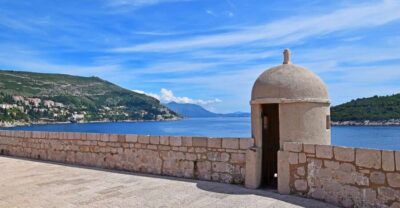
City Walls Early Morning or Sunset Walking Tour
Read our review →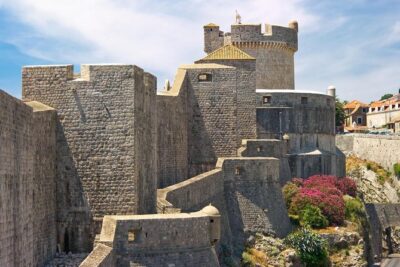
Browse the lists this tour appears in