
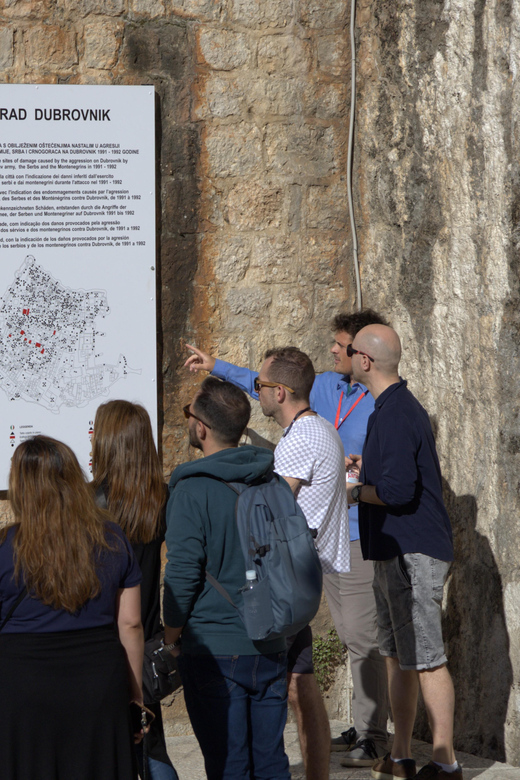
Reviewed · HISTORICAL TOURS
Dubrovnik Old Town: Easy paced and accessible History tour
Dubrovnik’s Old Town is a beautiful place to explore, but its steps and steep lanes can make a standard walking tour hard work. This flat, easy-paced route keeps to accessible streets and still covers the city’s main sights, from Large Onofrio’s Fountain to the Old Port and Cathedral. I like the calm pace and the way guides such as Nino, Pero, and Frano mix local stories with the usual dates and names.
I also like the personal touch. Guides answer questions, suggest places to eat, and share details about modern Dubrovnik, old customs, traditional embroidery, and even Game of Thrones work. The tradeoff is simple: at 1.5 hours, this is an introduction, not a full study of the city, and staying on an accessible route means skipping some steep streets and hilltop views.
Key points to know before booking

- The route avoids stairs, making it a strong choice for wheelchair users, seniors, families with infants, and anyone who prefers gentle walking.
- Large Onofrio’s Fountain is the starting point, beside the two yellow mailboxes, so finding the guide should be straightforward.
- You see the main Old Town sights, including Stradun, Orlando’s Column, the Old Port, the Cathedral, Sponza Palace, and the Rector’s Palace.
- The stories go beyond dates, covering Dubrovnik’s diplomatic customs, its devotion to liberty, local life, and the city-state’s maritime past.
- Guides adjust the pace, with Nino singled out for patience, friendly conversation, and useful food and sightseeing advice.
- At $16 per person, the tour offers a low-cost way to get oriented before exploring more of Dubrovnik on your own.
Why an accessible Dubrovnik tour makes sense
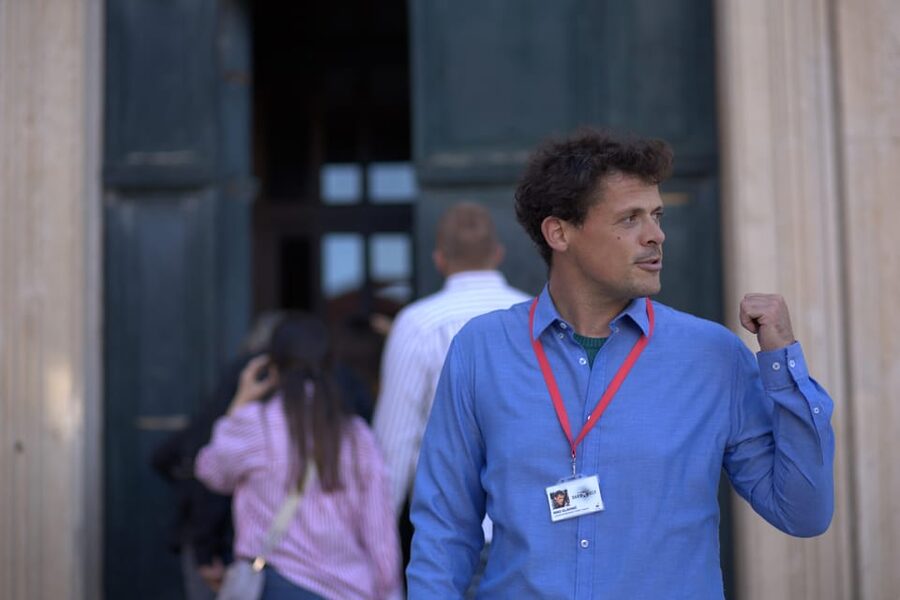
Dubrovnik often looks easier to walk than it really is. The polished limestone streets in the center can be flat, but the Old Town also has many stairways, raised lanes, and uphill routes. A regular sightseeing walk may ask you to climb often, hurry through narrow spaces, or leave someone in your group behind.
This tour takes a different approach. The guide leads a relaxed stroll along a route designed to avoid stairs, while still reaching the landmarks most people come to see. That makes it useful for someone in a wheelchair, an older person with limited mobility, or a family pushing a stroller. It also works well for anyone arriving after a long journey who wants an informative first look without turning the afternoon into a workout.
The pace is part of the experience. You have time to listen, look up at the stone buildings, ask questions, and take photographs. You are not simply following a guide from one checkpoint to the next. You are getting a clear introduction to how Dubrovnik was built, governed, defended, and lived in.
The tour lasts about 90 minutes and is conducted in English. That is enough time to cover the central sights without making the outing tiring. You should still bring water and a hat, especially on a sunny day, since much of the experience takes place outdoors.
A few more things to do in Dubrovnik worth a look
- Dubrovnik Old Town History Walking Tour
★ 5.0 · 1,684 reviews - Game of Thrones & History of Dubrovnik Tour
★ 5.0 · 628 reviews - Dubrovnik: Old Town History Walking Tour
★ 4.9 · 474 reviews
Starting beside Large Onofrio’s Fountain
Meet next to Large Onofrio’s Fountain, by the two yellow mailboxes. This is a useful starting point because the fountain is one of the Old Town’s easiest landmarks to identify. The activity begins and ends at the same meeting point, which removes the need to arrange transport or find your way across town afterward.
The fountain also gives the guide a natural place to begin the story. Dubrovnik’s water system was a major achievement, and the fountain is more than a meeting marker. It introduces the practical side of city life: how people obtained water, how public works supported the town, and how architecture served daily needs.
Your guide may begin with the city’s medieval origins and its identity as an independent city-state. The presentation is designed to be interactive, so you can ask about the buildings, local customs, or anything you notice along the way.
A small practical point: look for the yellow mailboxes rather than relying only on a business name. That is the clearest meeting instruction provided for this tour.
Franciscan Church and Monastery: an early look at Dubrovnik’s character

The Franciscan Church and Monastery comes early in the walk. This stop gives you a sense of how religious buildings fit into the Old Town’s close-packed streets and civic life.
The guide uses the site to explain architecture and local traditions, rather than treating it as a quick photo stop. You will hear how historic buildings connect to Dubrovnik’s wider story and how the city protected its identity through difficult periods.
The accessible route matters here. You may not see every corner of the complex or reach every part of the surrounding hillside, but you can still understand the importance of the church and monastery without taking on a stair-heavy route. For anyone who has avoided Old Town tours because of mobility concerns, this kind of careful selection makes a real difference.
Stradun: the city’s great central street
From there, the tour reaches Stradun, Dubrovnik’s best-known street and the natural spine of the Old Town. The smooth stone surface makes it one of the easier places to walk, and it offers a clear view of the city’s orderly design.
This is where the guide can explain how Dubrovnik developed as a trading and maritime power. The street also helps you read the town itself. Look at the regular façades, the stone paving, and the way public buildings and small lanes connect to the main route.
You will likely pause here for context rather than spend the entire time walking. That is helpful because Stradun can be visually busy, and a slower explanation lets you notice details you might otherwise pass without seeing.
The drawback is that Stradun is also one of the most popular parts of Dubrovnik. Depending on the time of day, you may find it harder to hear every word or take photographs without people passing through the frame. The guide’s relaxed pace helps, but it cannot make the central street private.
Same base, a different kind of day out:
- Blue Cave Small-Group Boat Tour from Dubrovnik
★ 5.0 · 9,360 reviews - Full-Day Dubrovnik Elaphite Islands Cruise with Lunch and Drinks
★ 5.0 · 8,823 reviews - Dubrovnik: Epic Game of Thrones Tour + Lokrum & Saver Option
★ 4.9 · 5,995 reviews - Dubrovnik: Elaphiti Islands Full-Day Cruise with Lunch
★ 5.0 · 5,938 reviews
Orlando’s Column and the meaning of liberty
Orlando’s Column is one of the Old Town’s key civic symbols. It gives the guide a chance to explain Dubrovnik’s strong attachment to liberty and the way public monuments expressed political values.
This is also where the tour’s stories become more distinctive. You may hear about the city’s diplomats and their unusual crying lessons, a memorable detail that brings old political life down to a human scale. Instead of presenting Dubrovnik as a string of wars and rulers, the guide connects public history with habits, humor, and social behavior.
That approach is one of the tour’s strengths. The history becomes easier to remember when it includes the odd, personal, and slightly funny details that never appear on a basic plaque.
The Old Port and Dubrovnik’s maritime past
The route continues toward the Old Port, one of the most useful stops for understanding Dubrovnik’s place on the Adriatic. Here, the guide can connect the town’s architecture and defenses with shipping, trade, and diplomacy.
You will also hear about the fortresses of Revelin and St. John, which helped protect the harbor and the city. The tour does not turn into a fortress-climbing expedition, so you should not book it expecting access to every defensive structure. Instead, you get the setting and the explanation without the strenuous ascent.
The Old Port is a good place to pause and picture Dubrovnik as a working republic rather than only a scenic destination. Its stone walls, harbor, and diplomatic traditions were practical tools for survival. The guide’s job here is to show how those parts fit together.
If you use a wheelchair, ask the guide about the exact approach and stopping points. The activity is described as wheelchair accessible, and the route is designed without stairs, but historic streets can still have uneven surfaces or crowded areas.
The Cathedral and the final stretch
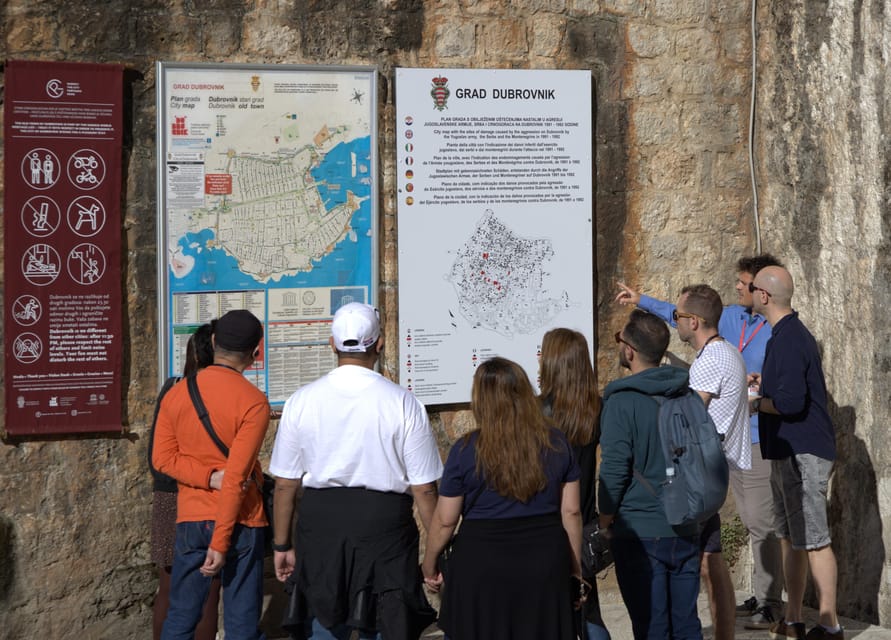
The Cathedral is the last listed sightseeing stop before returning to the starting point. It gives the tour a chance to bring together the religious, political, and architectural strands introduced earlier.
By this stage, you should have a useful framework for understanding the Old Town. You have seen the public street, the civic monument, the religious buildings, the harbor, and the defensive system. The Cathedral helps complete that picture by showing how faith and public life shared the same compact urban space.
The final walk back to Large Onofrio’s Fountain keeps the outing simple. Since the tour ends where it began, you can continue on your own, return to your accommodation, or ask the guide for advice. Nino is noted for staying afterward to discuss restaurants and further destinations, which adds practical value if this is your first day in Dubrovnik.
What the guides add to the experience
The guides are certified locals, and the strongest part of the presentation is the mix of formal history and everyday knowledge. Nino is described as especially patient and approachable, with excellent English and a willingness to adjust the pace. He has also guided solo participants and added personal stories about living and working in Dubrovnik.
Pero brings in details about local life and his work connected with Game of Thrones. Frano has helped families traveling with a 90-year-old wheelchair user and added personal touches about his grandmother’s traditional embroidery. These examples suggest that the exact tone can vary by guide, but the common aim is clear: explain the city while keeping the conversation natural.
You should feel free to ask questions. The tour is not built around a fixed speech alone. Guides have answered questions about food, destinations, local customs, architecture, and modern life. That can make the tour more useful than a polished but rigid city introduction.
The group size is not specified, so do not assume you will receive a private tour. One evening, Nino guided a single participant, but that appears to depend on bookings rather than being guaranteed. If you want personal attention, choose a quieter starting time if availability allows.
How much value do you get for $16?

At $16 per person, this is inexpensive for a 90-minute guided walk in one of Croatia’s most visited historic cities. The value is strongest if you want orientation, local explanation, and a route that respects limited mobility.
You are paying for a live English-speaking guide, not entry to museums or fortress interiors. The included service is the guided walking tour. If you want to climb the city walls, visit interior collections, or explore sites beyond the central route, you will need separate plans and likely extra fees.
For a first visit, the price makes sense. You can learn the basic layout and history, identify places worth revisiting, and get food or sightseeing suggestions before spending more money elsewhere. It is also a sensible choice for a mixed-age group, since one accessible route can keep a family together.
Free cancellation up to 24 hours before the start gives you some flexibility, and you can reserve now and pay later. Those terms matter if your schedule depends on cruise timing, weather, or a family member’s energy level.
Who should book this walk?
I would choose this tour for:
- Seniors who want a steady pace and frequent chances to pause.
- Wheelchair users who need a route without stairs.
- Families with infants or older relatives.
- First-time visitors who want the main sights explained clearly.
- Solo visitors who prefer conversation and local suggestions.
- Anyone who wants history without a physically demanding climb.
I would choose something else if your main goal is the city walls, fort interiors, steep viewpoints, or a long specialist tour. This experience focuses on the accessible center. It gives you a broad introduction, not every corner of Dubrovnik.
Bring water and a hat. Wear comfortable shoes, even though the route is gentle. The stone streets are still historic streets, and comfort matters more than fashion during a slow walk.
Should you book this Dubrovnik Old Town tour?
Book it if stairs are a concern, if you are traveling with an older relative, or if you want a calm introduction before exploring independently. The combination of a flat route, major landmarks, local stories, and a $16 price is hard to fault for a first look at the Old Town.
You should also book it if you value a guide who can talk about modern Dubrovnik as well as medieval events. Nino, Pero, and Frano are associated with the personal, patient style this tour aims for, though the exact guide may vary.
Skip it if you want a deep architectural study, extensive time inside monuments, or a climb-heavy adventure. For everyone else, especially anyone who wants to keep a group together without rushing, this is a practical and friendly way to get oriented.
FAQ
Where does the tour start?
It starts next to Large Onofrio’s Fountain, beside the two yellow mailboxes.
Where does the tour end?
The tour ends back at the same meeting point near Large Onofrio’s Fountain.
How long does the tour last?
The walking tour lasts 1.5 hours. Starting times depend on availability.
Is the tour wheelchair accessible?
Yes. The activity is wheelchair accessible and follows a route designed to avoid stairs.
Is this tour suitable for seniors?
Yes. The pace is relaxed and designed for people who prefer gentle walking and more time to take in the sights.
What language is the tour conducted in?
The live tour guide speaks English.
What sights are included?
The route includes Large Onofrio’s Fountain, the Franciscan Church and Monastery, Stradun, Orlando’s Column, the Old Port, and Dubrovnik Cathedral. The wider route also covers sights such as Revelin Fortress, St. John Fortress, Sponza Palace, and the Rector’s Palace.
What should I bring?
Bring a hat and water.
Does the price include admission tickets?
The provided details include a guided walking tour. They do not list admission tickets to separate attractions.
Can I cancel the booking?
You can cancel up to 24 hours in advance for a full refund. You can also reserve now and pay later.
Just added in Dubrovnik
- Elaphiti Islands Private Dubrovnik Boat Unique Experience★ 5.0 · 10 reviews
- Full- Day Private Speedboat Tour in Dubrovnik on Elaphiti Islands★ 5.0 · 21 reviews
- Wine tour peninsula Pelješac★ 5.0 · 3 reviews
- PRIVATE Wine Tour to Konavle country side★ 5.0 · 11 reviews
- Dubrovnik at War 1991-1992 Private Walking Tour★ 5.0 · 4 reviews
- Welcome to Dubrovnik Walking Tour★ 5.0 · 36 reviews
- City Walls of Dubrovnik★ 5.0 · 70 reviews
- Walls of Liberty: A Self-Guided Audio Tour of Dubrovnik★ 3.5 · 3 reviews
Historical Tours, compared.
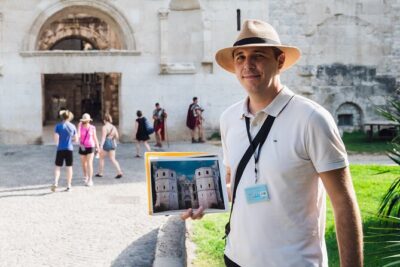
Walking Tour of Split with a ‘Magister’ of History
Read our review →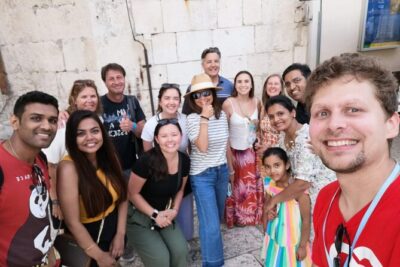
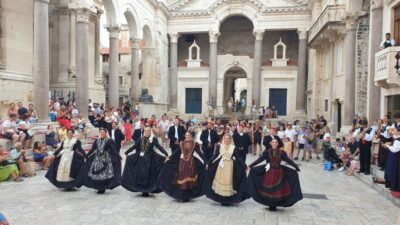
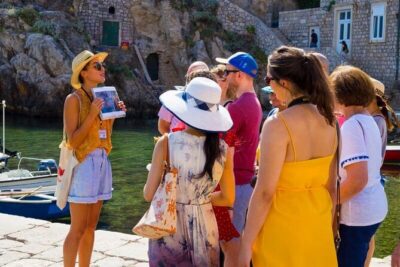

Split History and Gastro Small-Group Tour with Food and Drinks
Read our review →
PREMIUM Emperor’s Walking Tour for History Lovers + Museum
Read our review →
Browse the lists this tour appears in