

Reviewed · HISTORICAL TOURS
Dubrovnik’s History with a Local: the Homeland War Stories Private Tour
Dubrovnik’s polished stone streets can make the city feel frozen in a more distant age, but this private walk brings you sharply into the early 1990s. You’ll hear how the Croatian War of Independence affected daily life, see scars left on old buildings, and visit the Memorial Room of the Defenders of Dubrovnik. The most powerful part may be the personal account from a local such as Vesna, who lived in Old Town during the 1991 siege.
I like the private format, since you can ask direct questions instead of following a large group. I also like the route from Ploče Gate to Pile Gate, which links major sights with places tied to the war. The main consideration is the subject itself: this is a serious, sometimes painful tour, not a light stroll through Dubrovnik’s postcard center.
Key points to know before booking
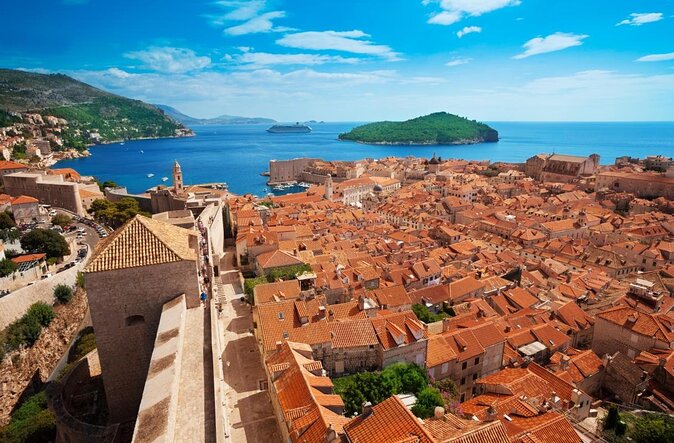
- Personal stories from the 1991 siege: Vesna lived in Old Town during the attack and can explain the conflict through daily life as well as dates and facts.
- A war-focused look at familiar sights: Revelin Fortress, Rector’s Palace, Luza Square, and Dubrovnik’s churches take on a different meaning.
- Memorial Room visit included: You’ll see wartime photographs in the Memorial Room of the Defenders of Dubrovnik.
- Clear two-hour route: The walk begins at Ploče Gate and ends at Pile Gate, crossing the Old Town without hotel transfers.
- Good value for a private group: At $83, the price needs to be judged against the number of people in your booking, since a private guide can make sense for couples, families, or small groups.
- Some walking is required: A moderate level of fitness is recommended, and the route uses Old Town streets rather than a vehicle.
Why this tour changes the way you see Dubrovnik
Most first looks at Dubrovnik focus on medieval walls, polished limestone, and bright sea views. This tour asks you to look again. The old city is not only a preserved monument. It is also a place where people lived through shelling, shortages, fear, and sudden changes to ordinary routines.
That contrast gives the walk its purpose. You are not simply told that Dubrovnik was attacked. You are shown how the attack touched the city’s buildings and residents. A repaired church, a marked wall, or a view toward Fort Imperial becomes part of a recent story rather than a distant chapter.
The private setup matters here. War history can raise specific questions, and you may want to pause over a photograph or ask how residents managed daily tasks during the siege. With only your own group participating, the guide can adjust the pace and answer questions in a more direct way.
The strongest guide detail available is Vesna. She lived in Old Town during the 1991 siege and brings first-hand memories to the walk. That does not replace a wider historical explanation, but it gives the subject a human scale. You learn not only how the conflict began, but what it meant to live inside a city under attack.
A few more things to do in Dubrovnik worth a look
- Dubrovnik Old Town History Walking Tour
★ 5.0 · 1,684 reviews - Game of Thrones & History of Dubrovnik Tour
★ 5.0 · 628 reviews - Dubrovnik: Old Town History Walking Tour
★ 4.9 · 474 reviews
Starting at Revelin Fortress and Ploče Gate
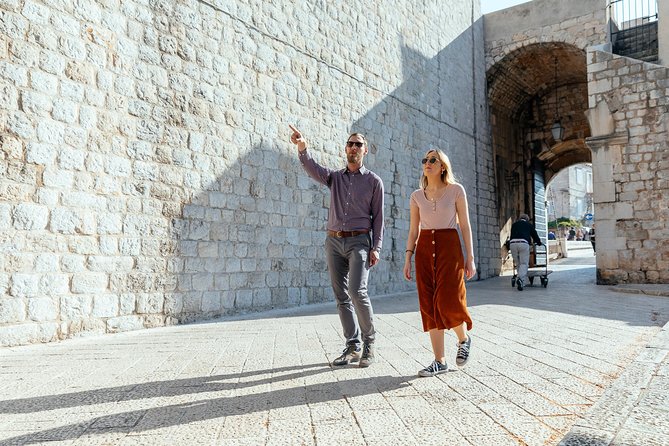
The tour begins near Revelin Fortress, where the opening story takes you back to the first attack on Dubrovnik. The fortress is an effective place to begin because it connects the city’s older defensive role with the modern conflict you are about to discuss.
You should expect about 15 minutes here. Admission is listed as free, so this stop is about the guide’s explanation and the setting rather than an extended museum visit. Ask questions early if you want a clearer timeline for the war, since the rest of the walk builds on this introduction.
From Revelin, you move to Ploče Gate, one of the main entrances into the UNESCO-listed Old Town. This short stop lasts about 10 minutes. It is a useful transition from the outer edge of the city into the streets where much of the story unfolds.
Ploče Gate is also the practical meeting point, at Ulica Vrata od Ploča. The tour does not include hotel pickup, so plan to arrive at the gate on your own. The location is near public transportation, but you should still allow enough time to find the meeting spot before the scheduled start.
Old Town buildings with visible war scars
The longest section of the route takes you through Old Town for about 25 minutes. Here, the guide explains how, why, and when the war began, then connects those events to damage visible on historic buildings.
This is where the tour becomes more than a military account. Dubrovnik’s Old Town is famous for its carefully restored stonework, so damage can be easy to overlook if you do not know what to look for. Your guide points out the marks and repairs that remain part of the city’s recent past.
I like this section because it helps you read the architecture. A building can look complete today and still carry evidence of the attack in its roof tiles, stone, or restoration work. The tour gives you a reason to slow down and notice details you might otherwise pass without a second glance.
The time is fairly short, though. Twenty-five minutes cannot provide a full account of the Croatian War of Independence, the breakup of Yugoslavia, or every military event around Dubrovnik. Think of this as a focused local introduction, not a full history course.
Luza Square and the scale of the shelling
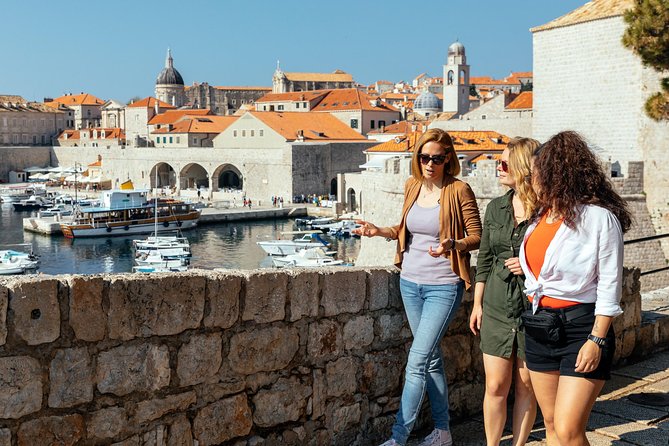
At Luza Square, you spend about 10 minutes considering the effect of more than 5,000 grenades that hit the city. The square is one of Dubrovnik’s central public spaces, which makes it a strong place to imagine how an attack affected the heart of everyday life.
Your guide’s task here is to connect a large number with a real location. Numbers can feel abstract. Seeing the square, surrounding buildings, and narrow streets helps you grasp how exposed the historic center was.
This is likely to be one of the more sobering pauses. The tour does not treat the shelling as a dramatic backdrop for photographs. Instead, it asks you to picture a city under fire while residents tried to carry on with ordinary life.
You can still take photographs of the buildings, and the tour specifically highlights structures that bear scars from the war. Be mindful of the tone, though. This is a place of memory as much as a sightseeing stop.
Same base, a different kind of day out:
- Blue Cave Small-Group Boat Tour from Dubrovnik
★ 5.0 · 9,360 reviews - Full-Day Dubrovnik Elaphite Islands Cruise with Lunch and Drinks
★ 5.0 · 8,823 reviews - Dubrovnik: Epic Game of Thrones Tour + Lokrum & Saver Option
★ 4.9 · 5,995 reviews - Dubrovnik: Elaphiti Islands Full-Day Cruise with Lunch
★ 5.0 · 5,938 reviews
The Memorial Room of the Defenders
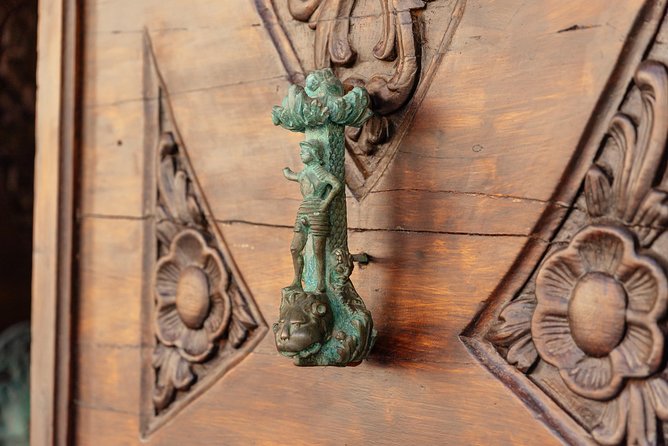
The visit to the Memorial Room of the Defenders of Dubrovnik lasts around 10 minutes. You will see photographs taken during the war, adding faces and moments to the wider story.
This stop gives the tour an emotional center. The streets show damage, while the photographs help connect that damage to the people who defended and lived in Dubrovnik. It is a small visit, but it can make the conflict feel less remote.
Admission is listed as free. Since the stop is brief, do not expect a large museum with a long series of galleries. The value comes from seeing the photographs with a local guide who can explain their place in Dubrovnik’s memory.
If you prefer tours that keep war history at a distance, this room may feel intense. If you want a clearer understanding of what the siege meant to the city, it is an important part of the route.
Rector’s Palace and wartime daily life
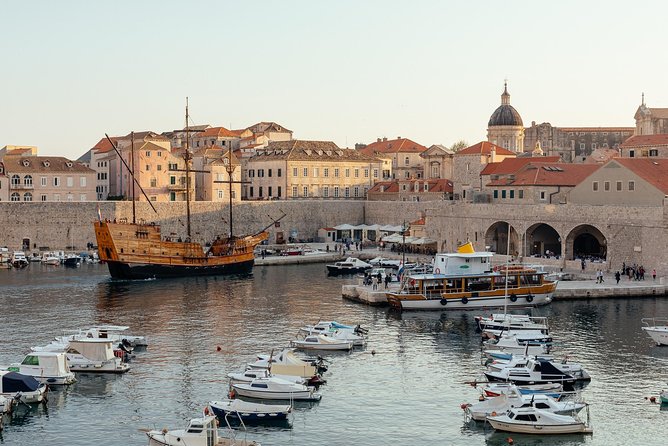
The next stop is Rector’s Palace, one of Dubrovnik’s most impressive historic buildings. The guide uses the palace as a setting for stories about local daily life during the war, rather than focusing only on architecture.
That shift is useful. You might already know the palace as a major sight, but the tour asks you to think about what happened to residents around it during the conflict. How did people manage basic routines? How did the city function when normal life was interrupted? These are the kinds of questions that make the history feel close and practical.
The stop lasts about 10 minutes. There is no separate admission charge listed for the tour, so the emphasis is on viewing the exterior or surroundings while listening to the guide. If you want a full interior visit to Rector’s Palace, confirm whether that requires a separate ticket, since the tour information does not include one.
Two churches, two reminders of damage
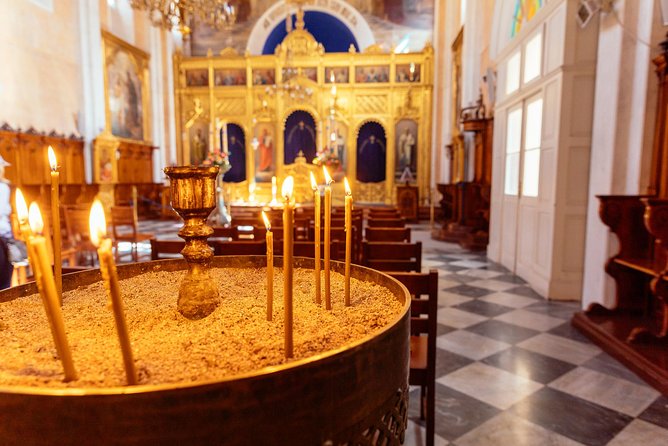
The Church of the Holy Annunciation is next, with about 15 minutes devoted to a repaired Orthodox church and the situation on the ferries during the war. The reference to ferries is especially useful because it widens the story beyond the Old Town walls.
Conflict affects movement as well as buildings. Transport links, supplies, and the ability to leave or reach a place all shape daily life. This stop gives the guide room to explain that practical side of the war.
The Church of St. Salvation follows, with around 10 minutes focused on damage that can still be seen in parts of Old Town. Together, the two church stops show both repair and survival. One points to a building restored after damage; the other helps you spot places where the effects remain visible.
These are short stops, so the guide will likely keep the explanation focused. If religious architecture is your main interest, you may want more time than the schedule allows. For a war-themed tour, though, the churches provide useful examples of how the conflict affected the city’s historic fabric.
Ending at Pile Gate with Fort Imperial in view
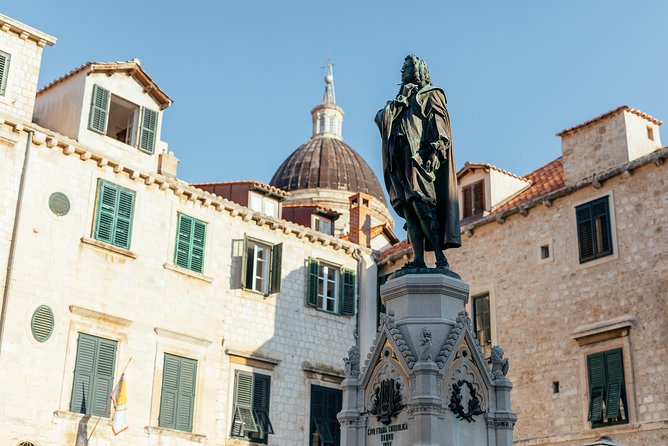
The walk ends at Pile Gate, on the opposite side of the Old City from the starting point. The final segment lasts about 15 minutes and includes a view toward Fort Imperial.
Ending here gives the tour a sense of place beyond the narrow streets. Fort Imperial is tied to Dubrovnik’s defensive story, and the view helps you understand the city’s position and surroundings after hearing about the attacks.
Pile Gate is also a useful endpoint for the rest of your day. The tour does not include return transport, but you finish in a well-known part of Dubrovnik rather than being dropped somewhere unfamiliar. You can continue sightseeing from there, provided you make your own plans.
Because the route crosses the Old Town, wear comfortable shoes and expect steady walking. The tour description calls for moderate physical fitness. No difficult hike is listed, but Dubrovnik’s stone streets and entrances can still be tiring, especially in hot weather.
Is $83 good value for a private walk?
The listed price is $83, with group discounts available. Since this is a private activity, the value depends on how many people are sharing the booking. For a couple, the price is higher per person than a large group tour. For a family or small group, the cost can look more reasonable because you receive a guide’s attention without strangers joining you.
The private format is most useful for this subject. You can ask about Vesna’s experience, pause at a damaged building, or request more detail about the timeline without waiting for a large crowd to move on.
The tour lasts about two hours and does not include hotel pickup, drop-off, food, or drinks. The listed stops have no admission charge, which keeps extra costs limited. You are paying mainly for the local guide and the focused route.
I would consider it good value if you have already seen Dubrovnik’s main sights and want to understand what happened here in the 1990s. If your priority is a broad introduction to medieval Dubrovnik, city walls, or local food, another tour may serve you better.
Who should book this experience?
This tour suits you if you want recent history told through places you can see. It is especially fitting for anyone interested in military history, the breakup of Yugoslavia, or the way residents protected and rebuilt their city.
It also works well for people who prefer a personal guide over a formal lecture. Vesna’s connection to Old Town gives the experience a human voice, and the private setup lets you shape the conversation.
Families with older children may find the subject useful, but parents should decide if the wartime material is appropriate for their group. The tour includes shelling, photographs, and personal memories, so it is not designed as a carefree sightseeing walk.
You should also book it only if you are comfortable walking for two hours through the Old Town. The route starts at Ploče Gate and finishes at Pile Gate, with several short stops along the way.
Free cancellation is available if you cancel at least 24 hours before the start time. Cancellations made within 24 hours are not refunded, and changes in that final period are not accepted.
Should you book Dubrovnik’s Homeland War Stories tour?
Book it if you want Dubrovnik explained through living memory, visible damage, and the experience of people who stayed during the 1991 siege. The visit to the Memorial Room, the shelling story at Luza Square, and Vesna’s first-hand connection make this more personal than a standard Old Town walk.
Skip it if you are looking only for medieval sights, panoramic views, or a relaxed introduction to Dubrovnik. The subject is serious, the walking is steady, and two hours can only cover selected parts of a complex conflict.
For the right audience, this is a thoughtful way to look past the city’s famous stone streets and understand the recent events that still shape Dubrovnik’s identity.
FAQ
Where does the tour begin?
The tour begins at Ulica Vrata od Ploča, by Ploče Gate in Dubrovnik.
Where does the tour end?
The tour ends at Pile Gate on the opposite side of Dubrovnik’s Old Town.
How long does the tour last?
The tour lasts approximately two hours.
Is this a private tour?
Yes. Only your own group participates in the activity.
Who leads the tour?
A local guide leads the experience. Vesna is one guide associated with the tour and lived in Old Town during the 1991 siege.
Does the tour include hotel pickup?
No. Hotel pickup and drop-off are not included.
Is food or drink included?
No. Food and beverages are not included unless specifically listed as an inclusion.
Do I need to be physically fit?
A moderate level of physical fitness is recommended. The experience is a walking tour through Dubrovnik’s Old Town.
Can I cancel for a full refund?
Yes, if you cancel at least 24 hours before the experience start time. Cancellations made less than 24 hours before the start time are not refunded.
Just added in Dubrovnik
- Elaphiti Islands Private Dubrovnik Boat Unique Experience★ 5.0 · 10 reviews
- Full- Day Private Speedboat Tour in Dubrovnik on Elaphiti Islands★ 5.0 · 21 reviews
- Wine tour peninsula Pelješac★ 5.0 · 3 reviews
- PRIVATE Wine Tour to Konavle country side★ 5.0 · 11 reviews
- Dubrovnik at War 1991-1992 Private Walking Tour★ 5.0 · 4 reviews
- Welcome to Dubrovnik Walking Tour★ 5.0 · 36 reviews
- City Walls of Dubrovnik★ 5.0 · 70 reviews
- Walls of Liberty: A Self-Guided Audio Tour of Dubrovnik★ 3.5 · 3 reviews
Historical Tours, compared.
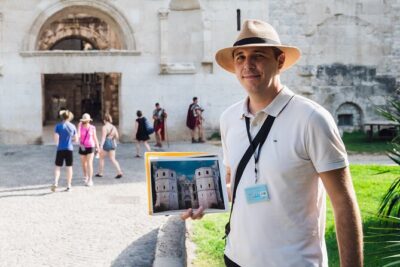
Walking Tour of Split with a ‘Magister’ of History
Read our review →
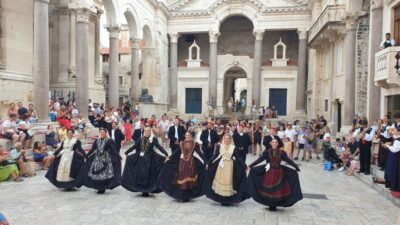
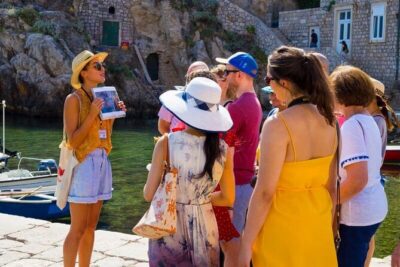

Split History and Gastro Small-Group Tour with Food and Drinks
Read our review →
PREMIUM Emperor’s Walking Tour for History Lovers + Museum
Read our review →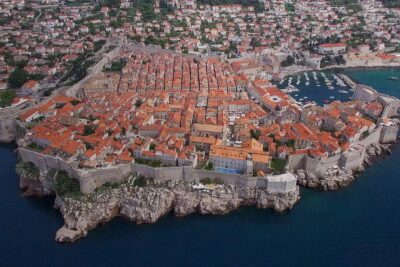
Browse the lists this tour appears in