
Reviewed · HISTORICAL TOURS
Dubrovnik walking history tour
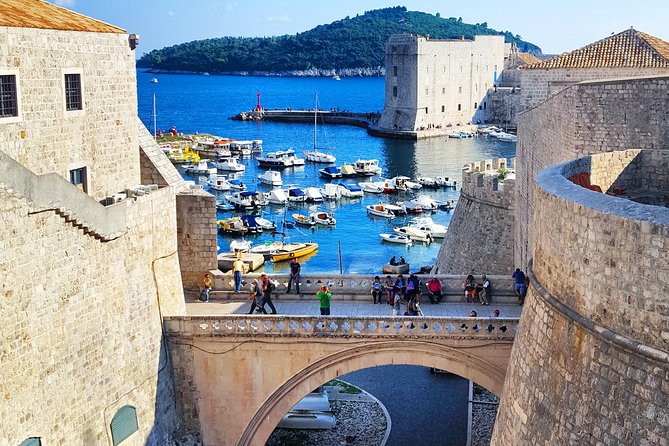
Dubrovnik’s Old Town is easy to admire and surprisingly hard to understand on your own. This 90-minute walking tour gives you the story behind the stone streets, from the republic’s government buildings to the aqueduct that brought water into the city. You move at a steady pace through the main sights, with a licensed guide explaining what you are seeing.
I like two things here. First, the route covers the essentials without turning into a full-day march. Second, guides such as Ines have earned praise for clear English, local insight, personal stories, and a friendly manner. The main catch is that City Walls admission is not included, and a separate ticket costs €35 per person.
Key points to know before you book
- The route begins near Pile Gate: This is a useful starting point for getting oriented inside Dubrovnik’s Old Town.
- Sponza Palace and Rector’s Palace anchor the tour: You see the civic and political side of the former Republic of Dubrovnik.
- Onofrio’s Fountain tells a practical story: Its water came through a 12-kilometer aqueduct built in the 15th century.
- The Cathedral reflects Dubrovnik’s rebuilding: The Baroque church rose after the destructive earthquake of 1667.
- Ines is a frequently praised guide: Her style combines history, local advice, and personal stories in strong English.
- City Walls tickets cost extra: The tour does not include entry to the walls or other paid facilities.
Why this short tour works well in Dubrovnik
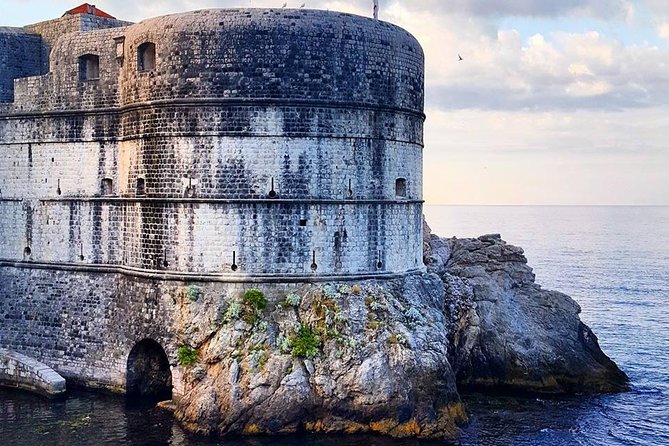
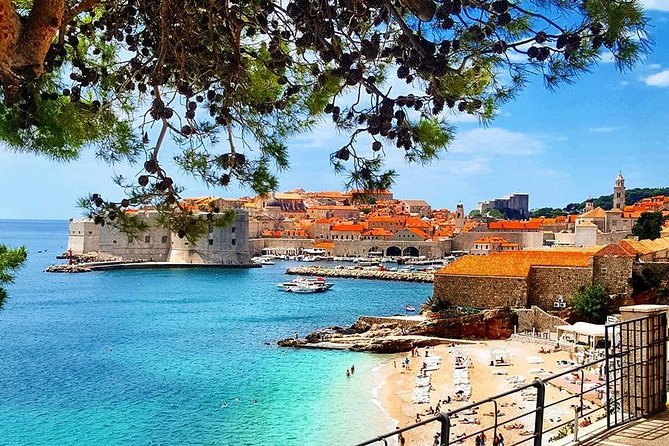
Dubrovnik can feel like a film set at first glance: polished limestone, grand gates, church domes, and narrow lanes packed into a compact Old Town. The trouble is that beauty alone does not explain the place. You need to know why a fountain mattered, why a palace was built, or how a small coastal republic protected its independence.
That is where this tour earns its keep. It focuses on the Republic of Dubrovnik and the monuments that shaped daily life and public power. You are not simply pointed toward a pretty doorway. You get the basic framework for understanding how the city worked.
The pace also suits a first visit. At about an hour and a half, it gives you a useful introduction without taking over your day. I would book it early in a Dubrovnik stay, then return later to the places that catch your eye. The tour is booked an average of 48 days ahead, so leaving it until the last minute may not be wise during busy periods.
The group can include up to 30 people. That is manageable, though not intimate. If you want a private conversation at every stop, this may feel a little large. On the other hand, a group of this size usually keeps the cost moderate and makes the tour a practical choice for couples, families, and first-time visitors.
Other guided walks in Dubrovnik:
- Dubrovnik: Old Town Walking Tour
★ 4.8 · 5,174 reviews - Dubrovnik Discovery Old Town Walking Tour
★ 5.0 · 4,458 reviews - Dubrovnik: Game of Thrones Walking Tour
★ 5.0 · 1,732 reviews
Starting at Pile Gate
The meeting point is given as Art Go’den, Brsalje ul. 1, near Pile Gate. The tour description also identifies Pile Gate as the meeting place, so look for the guide in that area and arrive with a little time to spare.
Pile Gate is a smart place to begin. It is one of the main approaches to the Old Town, and it immediately shows you how Dubrovnik controlled access to the city. From here, you enter the historic core on foot rather than being dropped into the middle of the maze with no context.
The end point is back at the meeting point. That makes the tour easy to pair with other plans, although you should remember that the Old Town’s stone paving and steps can slow you down if you are carrying bags. The activity is near public transportation, and most people can participate. Service animals are allowed.
Because this is an outdoor walking experience, timing matters. Dubrovnik can be very hot, and one scheduled tour had to be cancelled when the guide became ill in extreme heat. The payment was refunded, but the incident is a useful reminder: bring water, wear sensible shoes, and consider a cooler time of day if your schedule allows.
Sponza Palace and the business of the republic
Sponza Palace is listed as the formal itinerary stop, but the tour takes in more than this one building. Sponza is important because it represents Dubrovnik’s practical side. This was not only a city of churches and grand views. It was a trading republic that needed places for commerce, records, administration, and public business.
As you stand before the palace, listen for the way the guide connects architecture with civic life. Dubrovnik’s independence was not maintained by walls alone. It depended on organization, negotiation, trade, and a firm public system.
The building is also a good lesson in how Dubrovnik presents its past. Its elegant exterior can make the city look purely decorative, but the story behind it is about work and administration. That contrast gives the walking tour some useful balance.
You may not spend a long time inside the palace, and the supplied information does not promise interior admission. Treat this as a guided exterior visit unless your guide tells you otherwise. The value is in the explanation, not in expecting a museum-style visit.
Rector’s Palace and the city’s political power
Rector’s Palace adds the political chapter. The rector was a leading official of the Republic of Dubrovnik, and the palace helps explain how authority operated in this small state.
This is one of the stops where a good guide makes a real difference. The building alone is impressive, but the setting becomes more meaningful when you learn about the people who governed from here and the pressures facing the republic. The strongest comments about the tour praise guides for making each site both informative and engaging, rather than reciting dates without a clear point.
Ines is repeatedly singled out for her command of Dubrovnik and Croatian history, along with her easygoing manner. One useful feature of her approach is the mix of formal history, local knowledge, and personal stories. That combination can help you remember the place after the tour is over.
Do not expect a long, detailed museum visit at Rector’s Palace. This is a walking overview, not a ticketed palace tour. If you want to examine every room and display, you will need separate time and possibly separate admission. The walking tour gives you the context first, which can make a later visit more rewarding.
Same base, a different kind of day out:
- Blue Cave Small-Group Boat Tour from Dubrovnik
★ 5.0 · 9,360 reviews - Full-Day Dubrovnik Elaphite Islands Cruise with Lunch and Drinks
★ 5.0 · 8,823 reviews - Dubrovnik: Epic Game of Thrones Tour + Lokrum & Saver Option
★ 4.9 · 5,995 reviews - Dubrovnik: Elaphiti Islands Full-Day Cruise with Lunch
★ 5.0 · 5,938 reviews
Orlando’s Column and the idea of freedom
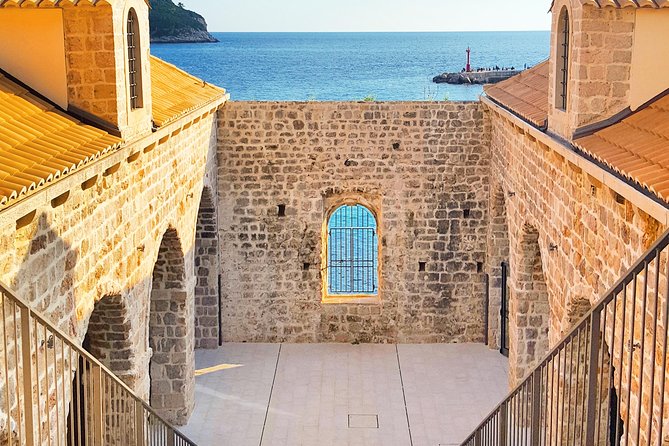
Orlando’s Column is another compact but meaningful stop. It is tied to the city’s sense of freedom and public identity, so it offers more than a quick photograph.
This is the kind of monument that can be easy to pass without a guide. In a busy square, you may notice the figure, take a picture, and move on. The explanation gives the column a place in Dubrovnik’s civic story.
The tour’s focus on freedom is especially useful because the Republic of Dubrovnik had to protect its independence through diplomacy as well as defense. A guide can connect the monument to the larger story of a small maritime state managing its place in the region.
The supplied tour information does not specify how long the group spends here. Expect a short stop rather than an extended lecture. The advantage is that several such stops fit into one route, allowing you to build a broader picture of the Old Town.
Onofrio’s Fountain and a 12-kilometer water system
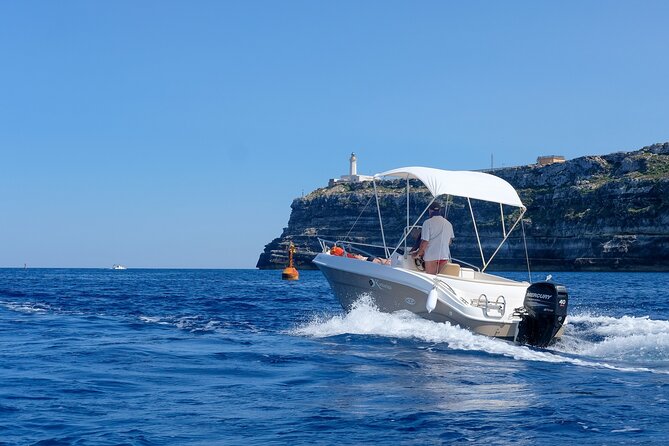
Onofrio’s Fountain is one of the most practical highlights. Built in the 15th century, it marked the end of a 12-kilometer aqueduct that supplied Dubrovnik with water.
That detail changes how you see the fountain. It is not just an ornate landmark in a handsome square. It represents a major public works project and the daily needs of a growing city. Water is one of those subjects that makes old history feel immediate. Every household needed it, and bringing it into the city required planning, labor, and money.
You may be able to refresh yourself with water from the fountain, as the tour description specifically mentions this. Still, bring your own bottle. Conditions, maintenance, or local instructions can change, and you should follow the guide’s advice at the time.
I like this stop because it gives the tour a human scale. Palaces tell you about rulers and institutions. A water system tells you how a city functioned for ordinary people. It also breaks up the grand architecture with a practical story.
Franciscan Monastery and the quieter side of the Old Town
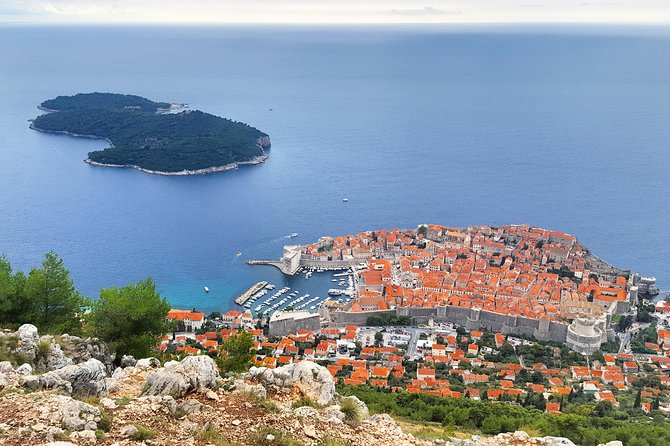
The route includes the Franciscan Monastery, offering a change of mood from public squares and government buildings. Its presence adds a religious dimension to the tour and helps show how many different institutions shaped life inside the walls.
The provided details do not promise a full interior visit or admission to special collections. You should therefore treat the monastery as a guided stop on the walking route, not as a separate museum experience.
That distinction matters when you compare this tour with longer religious or cultural visits. Here, the monastery is part of a larger story that also includes water, government, public monuments, and the cathedral. You get breadth rather than a detailed study of one site.
The walk through the Old Town is also where you will hear the city’s sounds and see how its streets connect. The experience is not only a list of monuments. The guide helps you read the setting as a living historic center.
The Cathedral of the Assumption after the 1667 earthquake

The Cathedral of the Assumption brings the route to one of Dubrovnik’s most important religious buildings. It is a Baroque church built after the devastating earthquake of 1667.
That date gives the cathedral particular weight. Dubrovnik’s story is not a straight line of prosperity and handsome buildings. The city suffered major destruction and rebuilt. The cathedral lets you see how recovery shaped the appearance of the Old Town.
Again, this is a guided walking tour, so do not assume that admission to every interior space is included. The description says the cathedral is visited as part of the route, but it does not list separate entry tickets or guarantee a lengthy interior tour.
The guide’s explanation is the main benefit. A bare description of the church’s style tells you little. Connecting it to the earthquake and the city’s rebuilding gives you a reason to look closely at its form and setting.
What the tour does not include
The biggest extra cost is the City Walls. Admission is listed at €35 per person, and the ticket is not included in the tour price. Other facilities and paid attractions are also excluded.
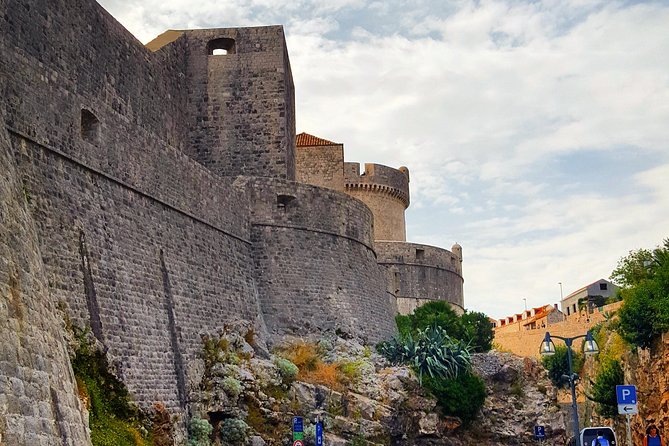
This is important because some descriptions of Dubrovnik blur together the Old Town walk and the wall walk. They are different experiences. This tour gives you street-level history and major monuments. The City Walls offer a separate route and different views, but you need to budget for them independently.
At $33.61 per person, the walking tour is fairly easy to justify if you want a structured introduction and a licensed guide. The value is strongest when you use it to understand the city, then spend the rest of your day exploring at your own pace.
The cost looks less attractive if you only want photographs or already know Dubrovnik’s history well. You are paying for explanation, route planning, and the chance to ask questions, not for admission to a long list of interiors. Add the €35 wall ticket only if that extra visit fits your interests and budget.
Guide style and the strongest praise
The clearest strength of this experience is the guiding. The most positive feedback centers on excellent English, strong historical explanations, a thoughtful pace, and a friendly manner.
Ines is named several times and is praised for covering Dubrovnik, Croatia, and the former Yugoslavia with confidence. Her approach appears to mix facts with personal stories and practical suggestions. That is useful in a city where a short local explanation can make an ordinary lane or square far more interesting.
The comments also point to a well-managed pace. You have time for photographs and do not feel pushed from one stop to the next. That matters in Dubrovnik, where rushing through the Old Town can make every sight blur together.
There is one service warning to keep in mind. One booking was cancelled without advance notice after the guide became ill in extreme heat, and the customer had to contact support before learning what had happened. The full payment was refunded, and this was an unusual health emergency, but it shows why you should keep some flexibility in your schedule.
Who should book this Dubrovnik walk
I would recommend this tour to a first-time visitor who wants the main historical framework without committing to a half-day activity. It is also a good match for anyone who prefers a guide’s explanation to reading plaques or trying to connect the monuments alone.
Families and mixed-age groups may appreciate the short duration. The route covers several different subjects, so you are not stuck with 90 minutes on one narrow topic. The maximum group size of 30 is worth noting, though. If you prefer quiet, private guiding, search for a smaller option.
History fans may enjoy the focus on the Republic of Dubrovnik, the aqueduct, the earthquake, and civic monuments. Those seeking a full City Walls experience, extensive palace interiors, or a specialized religious tour should treat this as an introduction, not a complete visit.
Book with the weather in mind. Water, sun protection, and comfortable shoes are sensible choices. Free cancellation is available up to 24 hours before the start time, but changes or cancellations inside that window are not accepted for a refund.
Should you book it?
Book this tour if you want a clear, compact introduction to Dubrovnik led in English by a licensed guide. The route covers the city’s government, faith, water supply, public monuments, and rebuilding, and guides such as Ines bring those subjects together in an approachable way.
Skip it if you already know the Old Town well or mainly want to walk the City Walls, since wall admission costs an additional €35 and is not part of this activity. For most first visits, though, this is a sensible starting point: short enough to fit around other plans, detailed enough to give the stones a story, and reasonably priced for a guided orientation.
FAQ
How long does the Dubrovnik walking tour last?
The tour lasts approximately 1 hour and 30 minutes.
Where does the tour begin?
It begins near Pile Gate at Art Go’den, Brsalje ul. 1, 20000 Dubrovnik, Croatia.
Where does the tour end?
The activity ends back at the meeting point.
What language is the tour offered in?
The tour is offered in English.
Is a guide included?
Yes. A licensed tour guide is included.
Are City Walls tickets included?
No. City Walls admission is not included and is listed at €35 per person.
How many people can join the tour?
The maximum group size is 30 people.
Is the tour accessible to most participants?
Most people can participate, and service animals are allowed. The activity is also near public transportation.
Can I cancel for a full refund?
Yes. You can cancel at least 24 hours before the start time for a full refund. Cancellations or changes made less than 24 hours before the start time are not accepted for a refund.
More Historical Tours in Dubrovnik
- Dubrovnik Old Town History Walking Tour
★ 5.0 · 1,684 reviews - Game of Thrones & History of Dubrovnik Tour
★ 5.0 · 628 reviews - Dubrovnik: Old Town History Walking Tour
★ 4.9 · 474 reviews - Early Bird Dubrovnik History Tour – 7:30 Start
★ 5.0 · 198 reviews
Just added in Dubrovnik
- Elaphiti Islands Private Dubrovnik Boat Unique Experience★ 5.0 · 10 reviews
- Full- Day Private Speedboat Tour in Dubrovnik on Elaphiti Islands★ 5.0 · 21 reviews
- PRIVATE Wine Tour to Konavle country side★ 5.0 · 11 reviews
- Wine tour peninsula Pelješac★ 5.0 · 3 reviews
- Dubrovnik at War 1991-1992 Private Walking Tour★ 5.0 · 4 reviews
- Welcome to Dubrovnik Walking Tour★ 5.0 · 36 reviews
- City Walls of Dubrovnik★ 5.0 · 70 reviews
- Walls of Liberty: A Self-Guided Audio Tour of Dubrovnik★ 3.5 · 3 reviews
Historical Tours, compared.
Walking Tour of Split with a ‘Magister’ of History
Read our review →

Split History and Gastro Small-Group Tour with Food and Drinks
Read our review →
PREMIUM Emperor’s Walking Tour for History Lovers + Museum
Read our review →
Browse the lists this tour appears in