
Reviewed · WALKING TOURS
Split: Private Walking Tour for Families with kids (5-17y)
The cleverest part of this Split tour is the way it turns Diocletian’s Palace into a game. Your family follows Roman clues, solves puzzles, and searches for answers while a certified guide explains how the emperor and his people lived 1,700 years ago. I especially like the private format, which lets the guide adjust the pace for your own children, and the sweet tasting at the end, a well-timed reward after the history.
I also like that the activities have real substance. You are not simply racing from one old stone to another: the riddles lead into stories about Emperor Diocletian, Jupiter, the Peristyle, and Split Cathedral. The main consideration is price. At $352 for up to six people, it is a substantial family expense, though a full group brings the cost to about $59 per person and includes the guide, games, sweets, and chocolate.
Key points for families in Diocletian’s Palace
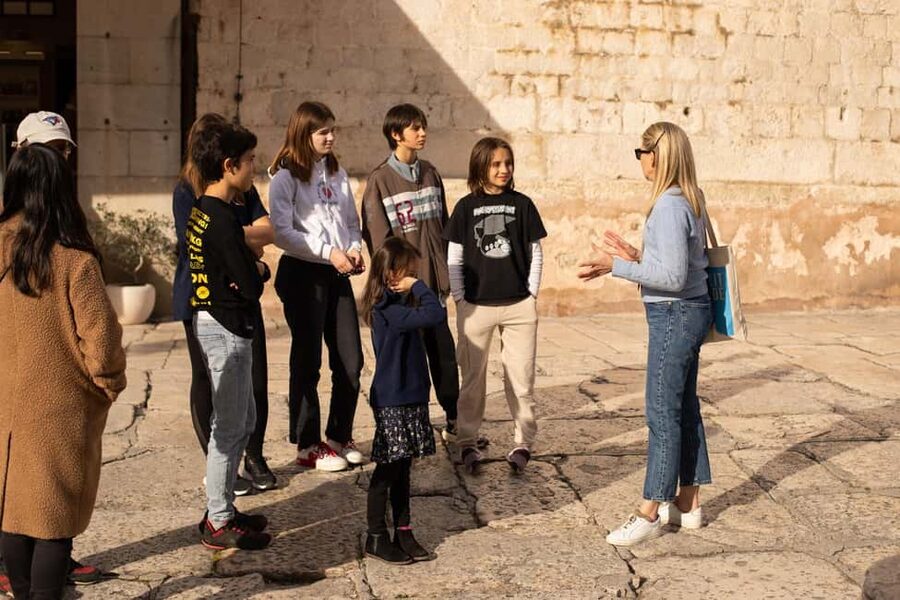
- A private tour for up to six people keeps the attention on your family and your children’s pace.
- The Peristyle becomes part of the story, as your guide explains how Diocletian appeared before his people there.
- The treasure hunt and riddles give children a reason to watch, listen, and remember.
- Split Cathedral hides a strong mystery, including the missing coffin once connected with Diocletian.
- Sweets and chocolate from a local manufactory provide a cheerful finish to the walk.
- English, French, and German are available, with guides such as Dana and Jen leading especially engaging family sessions.
Turning Roman history into a family game
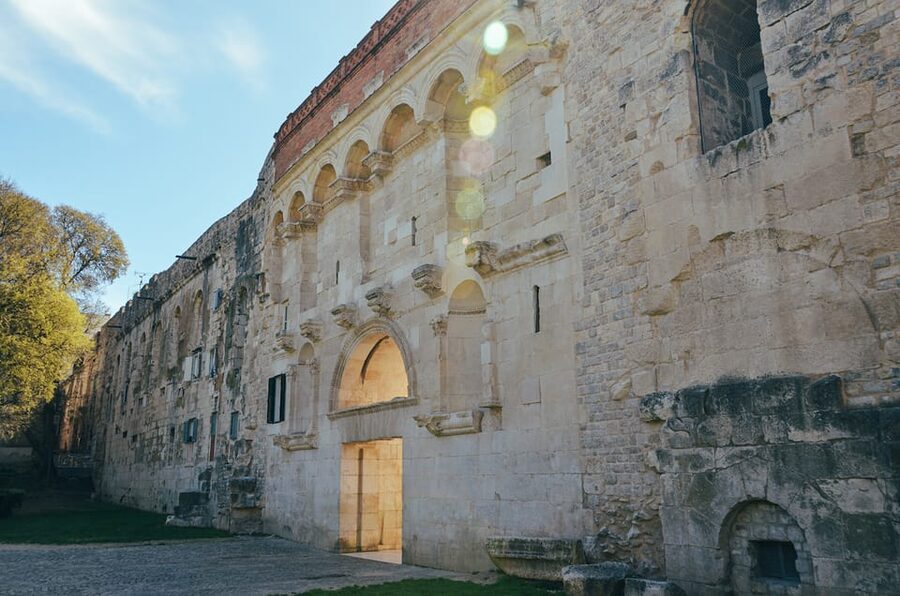
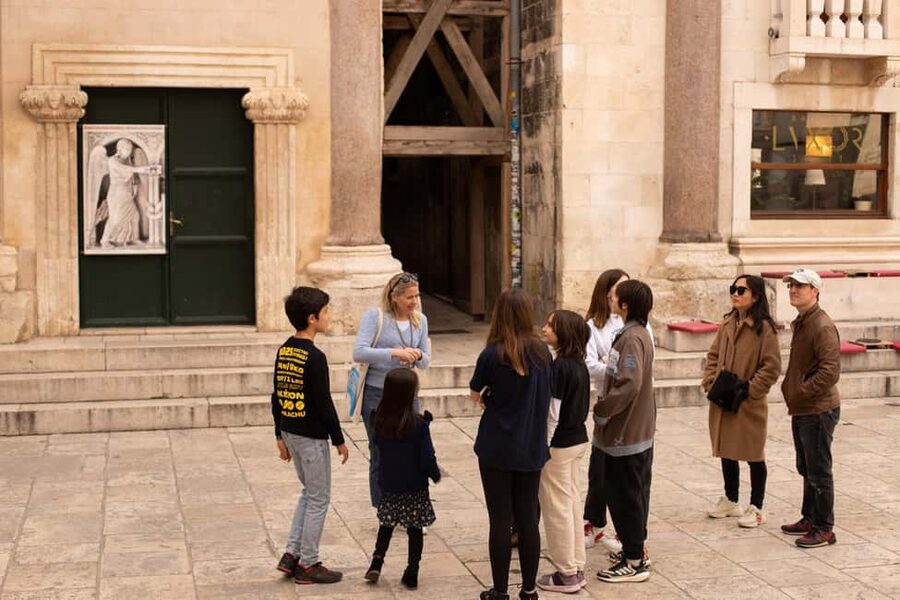
Diocletian’s Palace is a demanding place to explain to a child. It is huge in historical importance, but its surviving streets, walls, courtyards, and later buildings can look like a jumble of old stone when you first arrive.
This tour gives your family a clear purpose. Instead of asking children to listen to a long lecture, the guide sets them a task: follow the clues, answer the questions, and solve the puzzle. That small change matters. Kids have something to do with their eyes and minds, so the palace becomes a place to investigate rather than just another stop on a sightseeing list.
I like the mix of fact and play. The Roman emperor is not presented as a distant name from a textbook. You learn that Diocletian worked hard to protect his power and even presented himself as the son of Jupiter, the mighty Roman god. That detail gives children an immediate picture of a ruler who wanted people to see him as more than an ordinary man.
The approach also suits teenagers, who may have little patience for a tour aimed only at small children. The riddles add a competitive edge without making the activity feel like a school lesson. Your group can enjoy the fun while still picking up useful facts about Roman rule and daily life.
Other guided walks in Split:
- Split: Old Town and Diocletian Palace Walking Tour
★ 4.9 · 4,727 reviews - Walking Tour of Split and Diocletian’s Palace
★ 5.0 · 2,588 reviews - Krka Waterfalls tour with Trogir Walking tour and Krka panoramic boat cruise
★ 5.0 · 1,659 reviews
Meeting Diocletian at the Peristyle
The Peristyle is one of the most important places on the walk. This grand central area was where Diocletian presented himself to his people, who were expected to bow before him.
For children, the guide can use this setting to explain power in a way that feels immediate. Ask your child to picture standing in the square while the emperor appears before the crowd. The space itself helps the story, since the ceremonial setting makes sense once you know how it was used.
This is also where the tour connects the palace to the wider Roman world. You learn how public ceremony helped an emperor maintain authority, and how Diocletian linked himself with Jupiter. Those details make the site easier to remember long after the walk ends.
The Peristyle is not only an ancient Roman scene. Split has developed around and inside the palace over many centuries, so you are seeing a living part of the city as well as an archaeological place. The tour’s puzzle format can help children notice that layers of history rather than expecting every stone to belong to the same period.
I would pay close attention here if your children enjoy stories about kings, gods, or political power. The subject is more dramatic than a simple list of dates, and the guide can use the family’s answers to keep the explanation moving.
Following the cathedral’s missing coffin mystery
Split Cathedral adds one of the tour’s most memorable questions. The building was once home to an elaborate coffin connected with Diocletian, but the coffin is now gone. The guide asks your family to work out where it went.
That mystery gives the cathedral stop a useful shape. Rather than receiving every fact at once, children get a question first, then listen for clues. You can expect the guide to connect the cathedral with Diocletian and with the changes that took place in Split after the Roman era.
The cathedral also contains the remains of an important saint. The identity of that saint forms another question in the family quiz. This brings together two very different parts of Split’s past: the Roman emperor who shaped the palace and the Christian tradition that later became central to the cathedral.
For adults, the stop offers a reminder that Split is not a preserved Roman set. The palace changed use over time, and the cathedral carries its own story inside the former imperial complex. For children, the missing coffin and mystery person offer simple hooks that make the transition between Roman and Christian history easier to follow.
The information provided does not specify whether cathedral entry fees are included, so you should check the booking details if seeing the interior is essential to your plans. The tour does clearly include the guided walk, quiz, games, sweets, and chocolate.
Clues, puzzles, and the right amount of competition
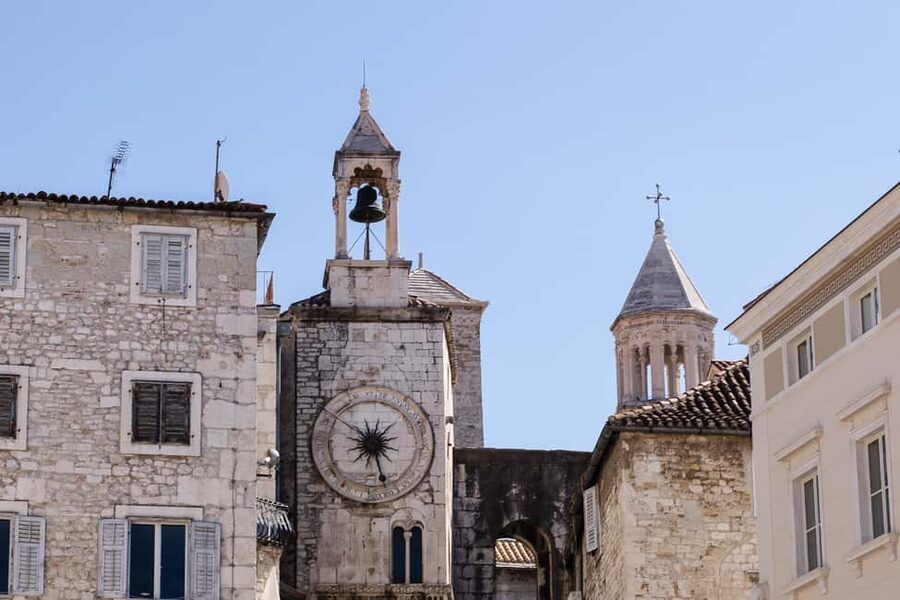
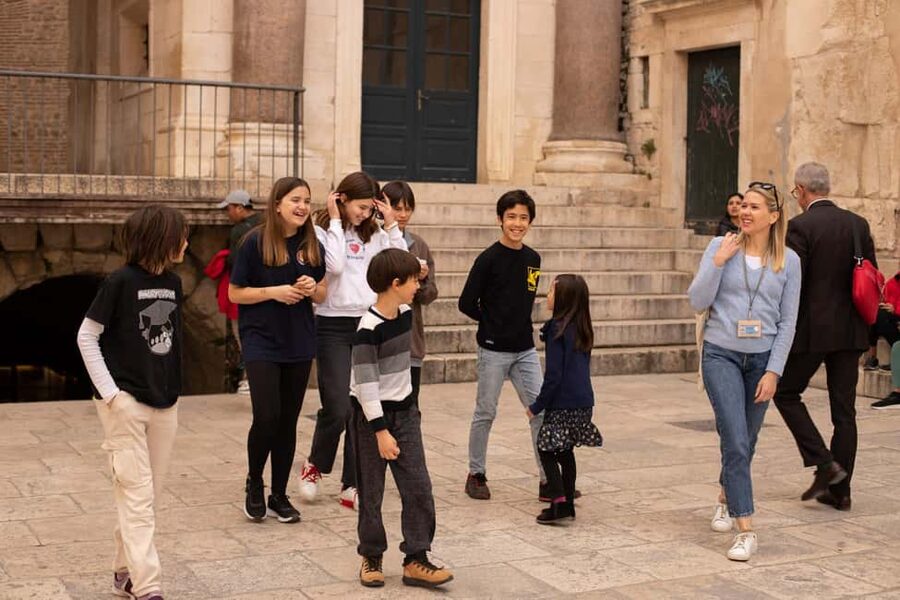
The games are the heart of the family format. Your children are asked to test their knowledge through a riddle and take part in a treasure hunt as they move through the palace.
This works best when your family enjoys solving problems together. One child may notice a detail first, while another may remember a fact from earlier in the tour. The private setup means the guide can address your group directly instead of trying to manage a mixed crowd of unrelated families.
The activity has proven particularly effective for children in the 7 to 12 age range. Two girls aged 7 and 9 were kept interested by the sights and activities, while another family’s three children, aged 7 to 12, stayed engaged through a full historical walk. The experience is also advertised for children and teens from 5 to 17, so the guide may need to adjust the challenge level for a family with a wide age gap.
If you bring both a five-year-old and a teenager, do not expect every question to suit both children equally. The youngest child may enjoy the hunt and treats most, while the older child may respond better to the political stories and cathedral mystery. A private guide is useful here because the activity can be shaped around your own family rather than a fixed class.
The games are not a separate add-on. They are woven into the walk, which helps prevent the familiar family problem of children enjoying the activity but missing the place itself. You still see key parts of Diocletian’s Palace, but with a reason to stay alert.
Same base, a different kind of day out:
- Split: Krka Waterfalls Trip with Boat Cruise and Swimming
★ 4.8 · 10,519 reviews - From Split: Krka Waterfalls, Food & Wine Tasting Tour
★ 5.0 · 9,326 reviews - Blue cave, Mamma Mia and Hvar, 5 islands speedboat tour
★ 5.0 · 7,150 reviews - From Split: Krka Waterfalls, Food & Wine Tasting Tour
★ 4.9 · 6,598 reviews
A sweet finish at a local manufactory
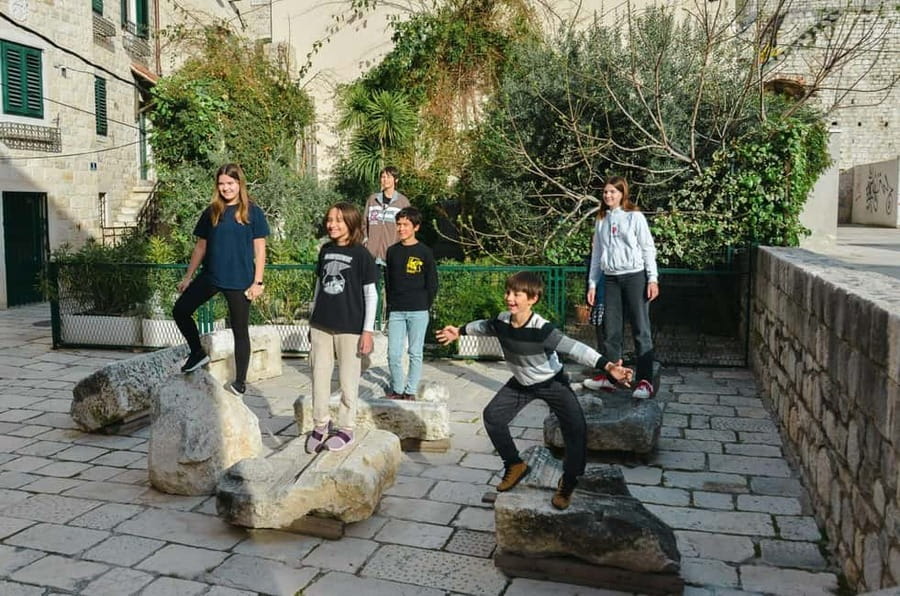
After the palace and cathedral, the tour ends with sweets and chocolate from a local manufactory. This is more than a bribe to get tired children through the final stop. It gives the walk a relaxed ending and lets your family try several treats rather than receiving only one sample.
The exact sweets are not specified, so you should not arrive expecting a particular flavor or specialty. The description does indicate that there is something for everyone and that you can try them all. That makes the tasting a useful part of the family plan, especially if your children have different tastes.
I like the timing. History walks can lose younger children once their feet become tired and their attention fades. Saving the treats for the end gives the group a clear finish line. It also creates a pleasant contrast with the more serious subjects of emperors, public ceremony, religion, and missing coffins.
Other food and drinks are not included. If your family needs a full meal, plan that separately. The sweets are a tasting, not a replacement for lunch or dinner.
What the private format is worth at $352
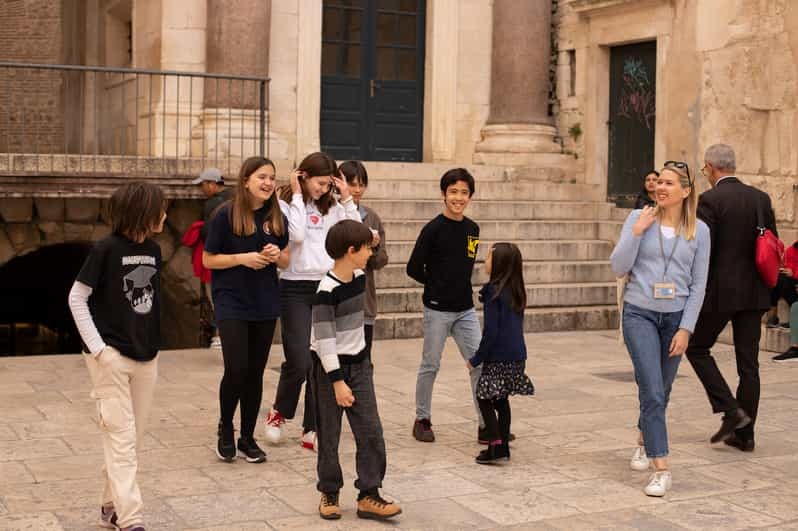
The price is $352 for a group of up to six people. If you fill all six places, that works out to about $58.67 per person. For a family of four, the effective cost rises to $88 per person, while a smaller group pays even more per head.
That is not a budget sightseeing walk. The value comes from the private guide, the family-only setting, the games, and the included sweets and chocolate. You are paying for an activity designed around children, not simply for an adult palace tour with a few toys added.
The private format matters most if your children have different ages or attention spans. A guide can focus on your family’s answers and keep the walk moving when needed. You also avoid asking your children to behave perfectly in a large group, which can be worth a great deal during a hot or tiring day in Split.
The price is harder to justify for adults who mainly want a quiet, detailed architectural tour. The games and child-focused questions are central to the experience, so this is best viewed as a family activity rather than a general palace tour.
For six people, I think the price makes more sense. Grandparents, parents, and children can share the same booking, and the cost is spread across the full group. For a family of three or four, compare it with other guided options in Split and decide how much you value a private, child-centered format.
Guide style and language choices
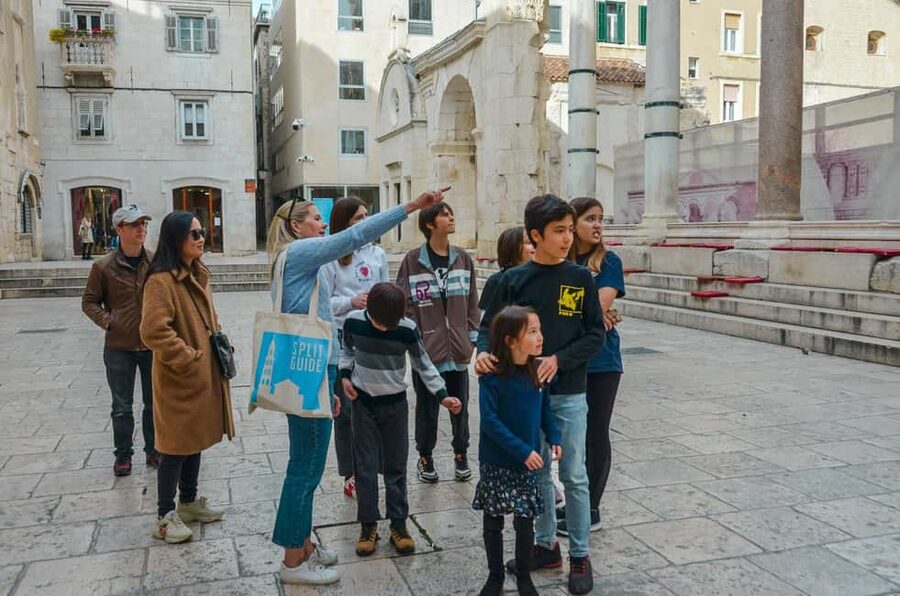
The experience is offered in English, French, and German. That is useful for families who want children to follow the clues without struggling through a language they only partly understand.
Two guides named in family sessions are Dana and Jen. Dana kept two girls aged 7 and 9 focused on the sights, activities, and the tour’s exciting ending. Jen led a walk for three children between 7 and 12 and was praised for clear English and for keeping all three interested.
Those details point to the type of guide you want here: someone who can tell a good story, ask questions, and manage a mixed group of children. The guide is not just providing facts. They are also controlling the pace and building anticipation for the next clue.
Guide assignment can change, so you should not book on the assumption that Dana or Jen will lead your particular tour unless the provider confirms it. The important point is that the experience depends heavily on an engaging guide. A dry lecture would weaken the whole concept, while a lively question-and-answer style makes the palace easier for children to enjoy.
Who will enjoy this Split experience most
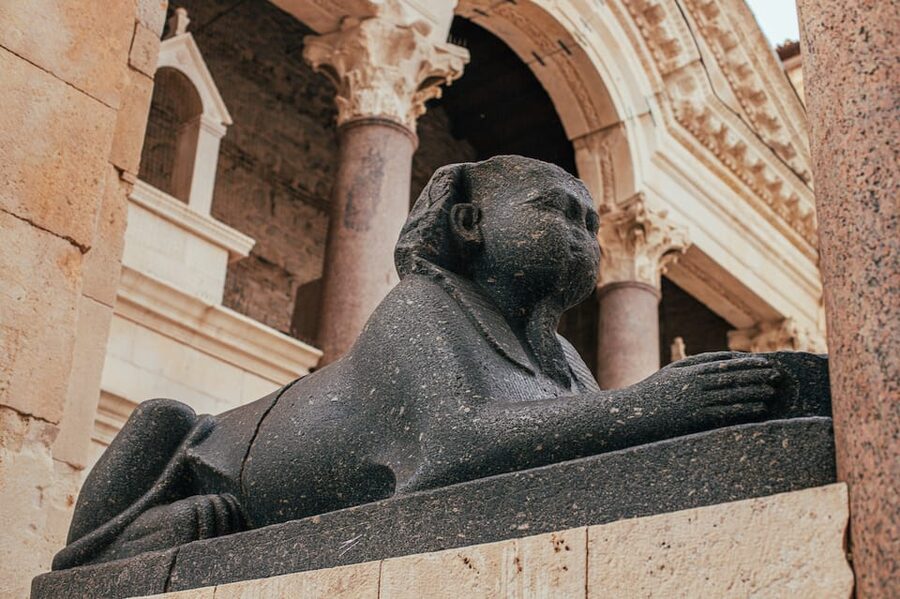
I would choose this tour for a family that wants history with movement and participation. It suits children who like riddles, treasure hunts, sweets, and stories about powerful rulers.
It is especially useful for:
- Families with children from about 7 to 12 who enjoy solving clues
- Families with teenagers who need more than a basic sightseeing walk
- Parents who want a private group rather than a shared tour
- Families visiting Diocletian’s Palace for the first time
- Groups of up to six who can share the fixed price
You might choose something else if your main goal is a long architectural lecture, a food-focused outing, or a low-cost introduction to Split. The tour is built around family participation, not an exhaustive study of every part of the palace.
The activity also has a clear emotional rhythm. You begin with curiosity, move through Roman power and cathedral mysteries, then finish with sweets. That structure helps children remember the day as a story rather than a string of stops.
Practical points before you book
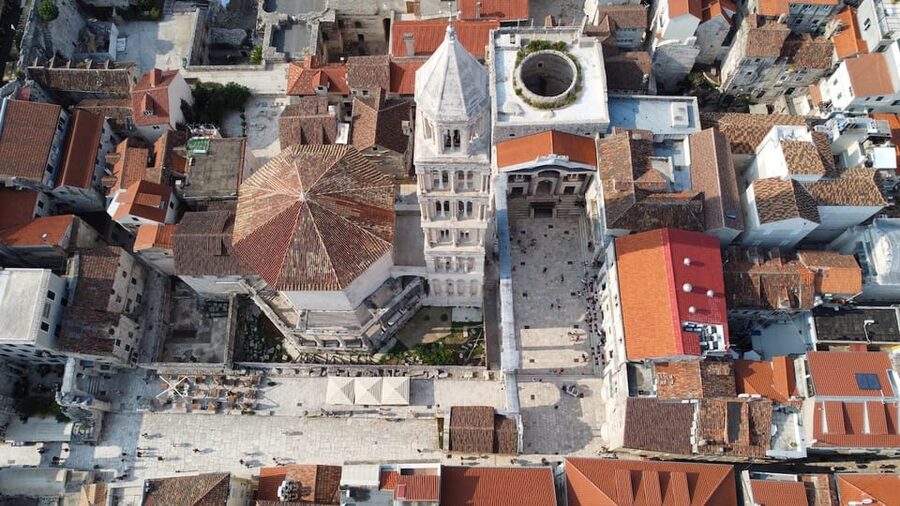
The tour is private for your family and is guided by a certified guide. English, French, and German are available. The package includes the walking tour through Diocletian’s Palace, sweets and chocolate, plus the quiz and games.
Other food and drinks are not included. Keep that in mind if your family expects a meal during the outing.
You can reserve now and pay later, which helps if you are still arranging your Split schedule. Cancellation is allowed up to 24 hours in advance for a full refund. The supplied details do not give a tour duration, meeting point, exact tasting menu, or a breakdown of cathedral admission, so confirm those points before booking if they affect your plans.
Should you book this private palace walk?
Book it if you want your children to remember Split’s Roman past, not simply walk past it. The Peristyle ceremony, Diocletian’s claim of divine ancestry, the missing coffin, and the saint connected with the cathedral all give the guide strong material. The treasure hunt and riddles turn those facts into something children can act on.
I would be most comfortable recommending it to a full group of up to six, where the price is easier to spread. For a smaller family, decide if private attention and a child-focused plan are worth the higher per-person cost.
This is a good choice for families who want an entertaining, educational walk with a clear finale. It is less suitable if you want a quiet adult tour or a cheap way to see the palace. For the right family, the combination of Roman stories, puzzles, and local sweets gives Split a memorable shape.
FAQ
How many people can join the private tour?
The price covers one private group of up to six people.
What languages are available?
The tour is offered in English, French, and German.
What is included in the price?
The price includes a guided walking tour of Diocletian’s Palace with a certified guide, sweets and chocolate, plus the quiz and games.
Are food and drinks included beyond the sweets?
No. Other food and drinks are not included.
Can I reserve now and pay later?
Yes. You can reserve your spot and pay nothing at the time of booking.
What is the cancellation policy?
You can cancel up to 24 hours in advance for a full refund.
Just added in Split
- From Trogir, Seget, Okrug: Krka Waterfalls & Šibenik Culture Tour★ 5.0 · 10 reviews
- Krka Waterfalls & Primošten from Trogir, Seget, Čiovo & Kaštela★ 5.0 · 18 reviews
- Slatine – Island Hopping Excursion (Trogir/Blue Lagoon/Shipwreck)★ 4.0 · 24 reviews
- Island Hopping Boat Excursion with Lunch (Trogir,Blue Lagoon, Šolta)★ 3.5 · 6 reviews
- From Split & Trogir: ATV Quad Tour on Island Čiovo★ 5.0 · 21 reviews
- Split: Sunset Guided Kayaking Tour★ 4.8 · 71 reviews
- Split Sunset Stand Up Paddle Tour★ 5.0 · 16 reviews
- Stand Up Paddle Tour in Split★ 4.7 · 17 reviews
Walking Tours, compared.
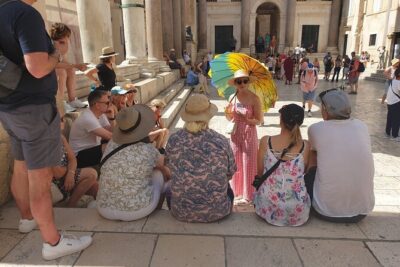
Walking Tour of Split and Diocletian’s Palace
Read our review →

Krka Waterfalls tour with Trogir Walking tour and Krka panoramic boat cruise
Read our review →
City Walls Early Morning or Sunset Walking Tour
Read our review →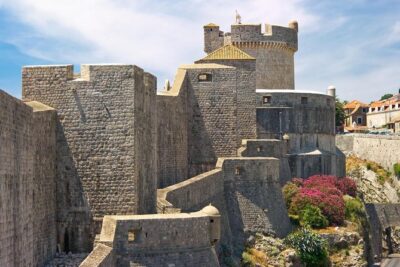
Browse the lists this tour appears in