
Reviewed · TRUFFLE HUNTING & ISTRIA TOURS
Pula: House of Istrian Olive Oil Museum and Guided Tasting
Pula’s House of Istrian Olive Oil turns a familiar kitchen staple into a proper tasting subject. You’ll see how Romans produced and exported oil, compare five Istrian extra virgin oils with a typical supermarket oil, and test your nose and palate in a guided tasting.
I like the clear history lesson and the chance to learn how premium oil should taste, not just how it should look. I also like the dessert pairing, a small but memorable finish. The main drawback is that the visit is focused tightly on olive oil, so it may feel too specialized if you want a broad tour of Pula.
- Roman roots: Learn how olive oil was made and shipped from Istria in ancient times.
- Two short films: Compare traditional production with the way oil is made today.
- Five guided tastings: Study aroma, flavor, texture, and appearance in a structured setting.
- Supermarket comparison: See why a low-cost bottle may taste flat, harsh, or otherwise flawed.
- Sweet finish: Try dessert paired with a selected olive oil.
- Useful shop stop: Browse Istrian oils, brandies, truffles, lavender cosmetics, and souvenirs.
Inside Pula’s House of Istrian Olive Oil
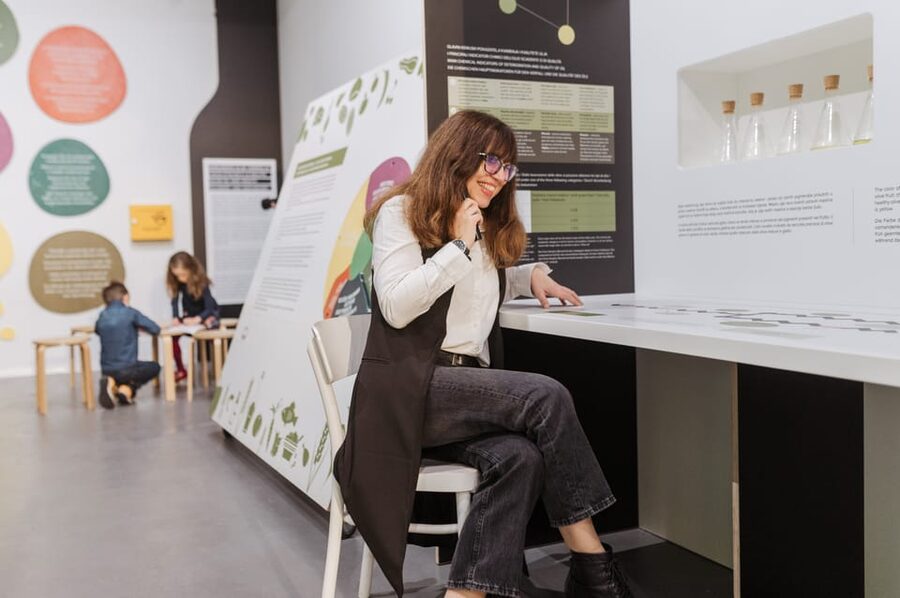
The House of Istrian Olive Oil sits in central Pula, making it an easy cultural stop while you explore the city on foot. You do not need to travel out to an olive grove or a rural mill to get a taste of Istria’s oil culture. The experience brings the subject into a small museum setting in town.
That location matters if you are building a full day around Pula’s Roman sights, cafés, and old streets. You can fit this visit into a city walk, and it also gives you a useful indoor option when the weather turns wet. One visitor specifically found it a good rainy-day activity, and I agree with the logic: the visit depends on exhibits, films, conversation, and tasting rather than outdoor conditions.
The focus is narrow, but that is also the point. This is not a general museum about Istria. It is a close look at one product that has shaped local food, farming, trade, and daily life for centuries.
From Roman production to modern oil
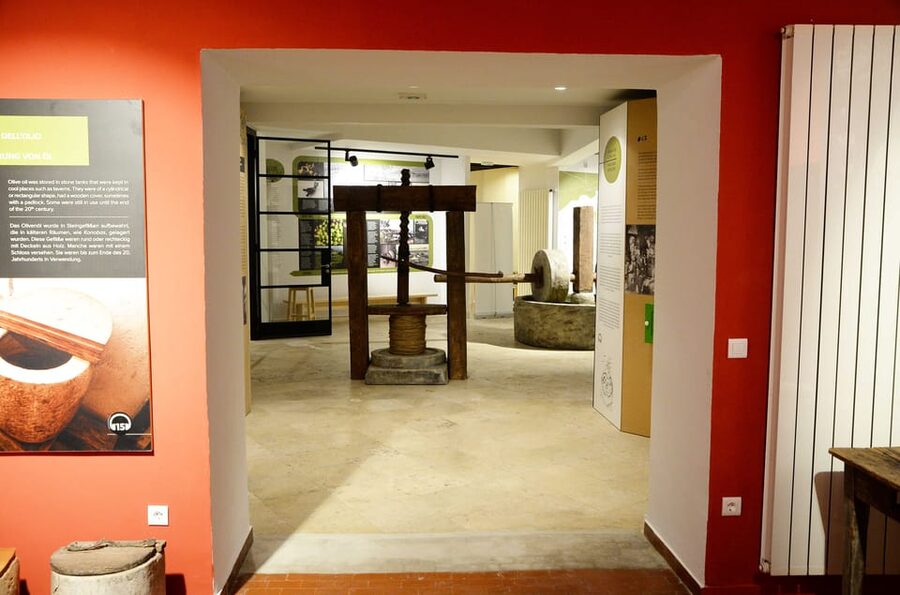
The first part explains the long story of olive oil in Istria. You learn how the Romans made oil and how it was exported. That trade connection gives the subject more weight than a simple lesson in food tasting. Olive oil was not just something poured over bread. It was a valuable product that moved beyond the region.
The museum also shows how production changed over time. Two short films help with this. One presents the traditional process, while the other explains modern production. The contrast should help you understand why methods matter, from old pressing practices to current techniques.
I like the use of films here because olive oil production can be hard to picture from written labels alone. You are dealing with fruit, pressing, separation, storage, and handling. Seeing the process gives the tasting some useful background before you sit down with the glasses.
Do not expect a long film program or a full working mill visit. These are short films within a museum experience. Their role is to set the scene, not to replace a day spent at an operating olive farm.
More eating your way around Pula:
- Istria: Guided Tour of Inner Istria with Food Tasting
★ 5.0 · 67 reviews - Split: Krka Waterfalls With Boat Cruise, Wine and Olive Oil
★ 4.3 · 1,507 reviews - Split Food Tour: Discover Split One Bite At A Time
★ 5.0 · 433 reviews
Learning to judge oil with your senses
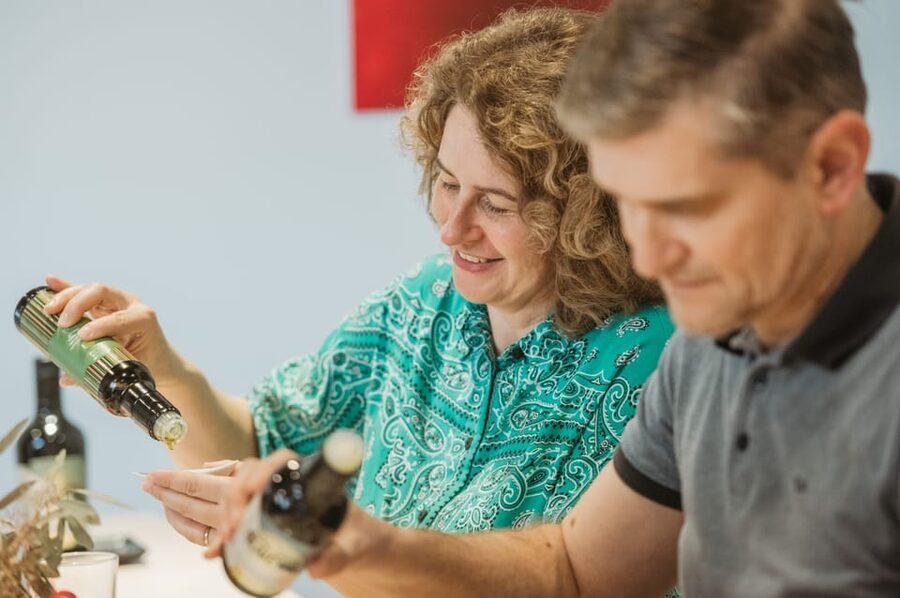
The tasting is the heart of the visit. You try five extra virgin olive oils from Istria and examine them through taste, aroma, texture, and appearance. The guide helps you pay attention to each part instead of simply asking whether you like one oil more than another.
That distinction is important. Most of us judge olive oil by habit. We look at the bottle, think about the price, or use it as a background ingredient. Here, you are asked to slow down and notice what is in the glass.
A good tasting should give you a vocabulary for future shopping. You learn to recognize positive qualities in extra virgin olive oil, along with negative attributes that can point to poor handling or lower quality. The goal is not to turn you into a professional taster. It is to help you make a better choice at a market or grocery store.
The tasting also gives you a direct comparison with an oil commonly found in a supermarket. This is one of the most useful parts of the experience because a reference point makes the differences easier to understand. You can compare the aroma and flavor of high-quality Istrian oils with a more ordinary product, rather than trying to remember a lesson in the abstract.
You may find some of the better oils sharper or more bitter than expected. That does not automatically mean something is wrong. The tasting is designed to explain the difference between desirable character and unpleasant defects. For anyone who has assumed that mild and bland always mean better, this can reset expectations.
The staff member is described as friendly and willing to answer questions, with some German spoken during one visit. The formal guided tasting is available in English and German, while an audio guide can be used in 12 languages. If language is important to you, check the available option when booking so you know whether you will have a live explanation or an audio presentation.
Why extra virgin quality matters
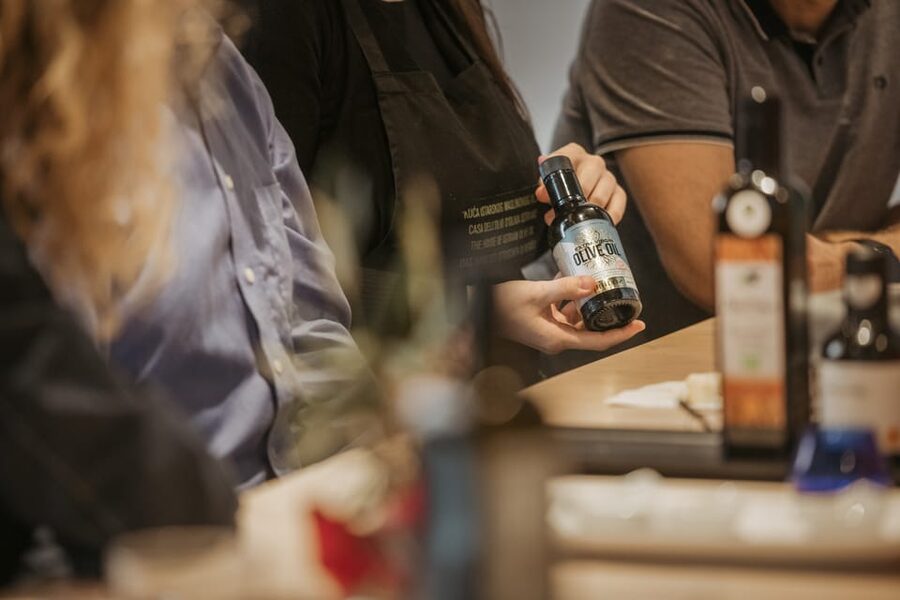
Extra virgin olive oil is not simply a color or price category. Its quality depends on how it is produced, handled, and stored. This experience helps you look beyond the label and think about the oil as a fresh food with its own character.
The tasting covers both good and bad attributes. That is valuable because many shoppers know what they hope to find, but not what signals a problem. A flat smell, unpleasant taste, or rough finish may suggest an oil that has lost quality or was poorly handled. The guide’s job is to help you connect those sensations with what you are drinking.
You also learn not to judge oil by appearance alone. Color can be attractive, but it does not tell the whole story. Aroma and taste carry more useful information, which is why the tasting format works better than a display of sealed bottles.
I appreciate the practical edge here. You are not only hearing about Istria’s food culture. You are picking up a skill that can follow you home. After the visit, you may read labels more carefully, store oil with more care, and pay closer attention to freshness and flavor.
The comparison with supermarket oil may feel blunt, but it serves a purpose. A low-cost bottle is not automatically worthless, and a higher price is not a guarantee of perfection. The lesson is to taste critically rather than assume that marketing, packaging, or price tells the full story.
The dessert and olive oil pairing
The tasting ends with a sweet dessert paired with a selected olive oil. This is a small part of the visit, but it helps show that olive oil is not limited to savory dishes.
The pairing may surprise you because most people associate oil with bread, salads, vegetables, or grilled fish. A dessert pairing asks you to consider texture and aroma in a different way. It also gives the tasting a gentler finish after several oils with distinct profiles.
This is not presented as a full meal, so plan to eat elsewhere if you are hungry. Think of it as a tasting sample that adds a playful final note. I like that it moves beyond the standard bread-and-oil routine without turning the visit into a cooking class.
Other Istrian days from Pula:
- Pula: National Park Brijuni Island Visit & Dolphin Cruise
★ 4.5 · 788 reviews - Pula: Brijuni Sunset Dolphin Cruise with Dinner & Drinks
★ 4.5 · 764 reviews - Fantastic DOLPHIN & SUNSET TOUR with dinner ( Pula-NP BRIJUNI )
★ 5.0 · 618 reviews - Pula: Brijuni National Park Sunset, Dolphins & Dinner Cruise
★ 4.7 · 607 reviews
The shop and what is worth buying
After the museum and tasting, you can browse the on-site shop. The selection includes Istrian extra virgin olive oils, brandies, truffles, lavender-based cosmetics, and souvenirs.
The shop is useful if you want to take the lesson home. You can select an oil you tasted rather than choosing a bottle at random. That makes the purchase more personal and gives you a clear reason to buy.
The other products also make the shop practical for gift shopping. Truffles and brandies connect with Istria’s food culture, while lavender cosmetics offer a lighter souvenir for someone who may not want to transport a bottle of oil. The range is broader than the museum topic, but it remains tied to regional products.
Still, remember that museum shops are designed to sell. Use the tasting as your guide. If you prefer one oil, understand why you prefer it, and check the bottle details before paying. The visit gives you better tools for choosing, but you are not required to buy anything.
Value at $35 per person
At $35 per person, this is not a bargain-priced museum admission. The value comes from the combined experience: a central Pula visit, historical displays, two films, a guided tasting of five extra virgin oils, a supermarket comparison, a dessert pairing, and access to a regional food shop.
I think the price makes the most sense for people who are genuinely interested in food, cooking, or local products. Five guided tastings can cost a fair amount on their own, and the instruction gives the samples a purpose. You are learning how to assess oil, not simply receiving five small pours.
For a casual visitor who only wants a quick look at Pula’s main sights, $35 may feel high for a specialized attraction. The experience does not replace the city’s Roman monuments or wider cultural sites. It works best as an add-on that gives your day a different rhythm.
The value also improves if you plan to buy olive oil or regional gifts. You can taste before shopping, which reduces the chance of choosing a bottle based only on packaging. If you are not interested in purchasing food products, the shop adds less to the overall value.
Who will enjoy this visit most
I would recommend the House of Istrian Olive Oil to several kinds of visitors:
- Food-focused visitors: You will appreciate learning how aroma, flavor, and texture work together.
- Curious cooks: The tasting can change how you select and use oil at home.
- History fans: The Roman production and export story adds an older layer to Pula’s past.
- Rainy-day planners: The indoor setting gives you a worthwhile alternative to outdoor sightseeing.
- Couples and small groups: A shared tasting creates an easy topic of conversation.
- Gift shoppers: The shop offers oil, truffles, brandy, lavender products, and souvenirs in one stop.
I would be less likely to recommend it to someone who dislikes tastings or wants a long, broad museum visit. The subject stays firmly on olive oil, and the available information does not indicate a full-day program or an outdoor mill tour.
Practical details before you book
The experience costs $35 per person. You can reserve a place and pay later, which helps if you are still arranging your Pula schedule. Cancellation is allowed up to 24 hours before the visit for a full refund, giving you some flexibility.
Audio guidance is available in 12 languages. The guided tasting information lists English and German, so pay attention to the language option that suits you. The provided details do not name individual guides, and they do not specify the visit length or group size, so confirm those points if they matter to your planning.
No transportation is included or needed in the description. Since the House of Istrian Olive Oil is in central Pula, this is best treated as a town visit rather than an excursion outside the city.
Try not to schedule it as a rushed stop between fixed appointments. The tasting is the part that gives the visit its value, and you will get more from it if you have time to notice the differences between oils and ask questions.
Should you book the House of Istrian Olive Oil?
Book it if you want a focused, hands-on look at one of Istria’s defining foods. The strongest reasons are the Roman background, the direct comparison between premium and ordinary oils, and the guided tasting that teaches you what to smell and taste.
Skip it if you want only major landmarks, a cheap museum admission, or a broad overview of Pula. At $35, it needs to match your interests. For food lovers, curious cooks, and anyone looking for a smart indoor activity, I think it earns its place in a Pula itinerary. The dessert pairing and useful shop make it more than a display of bottles, while the tasting gives you something practical to carry home.
FAQ
Where is the House of Istrian Olive Oil?
It is located in the center of Pula, in Istria County, Croatia.
How much does the experience cost?
The price is $35 per person.
What does the visit teach me?
You learn about the history of olive oil in Istria, Roman production and export, traditional and modern production methods, and how to recognize positive and negative qualities in olive oil.
How many olive oils will I taste?
The guided tasting includes five extra virgin olive oils.
Is a supermarket olive oil included for comparison?
Yes. The tasting includes olive oil typically found in a supermarket so you can compare it with higher-quality Istrian extra virgin oils.
Is dessert included?
Yes. A sweet dessert paired with a selected olive oil is included.
Are films part of the visit?
Yes. You watch two short films, one about traditional olive oil production and one about modern production.
What languages are available?
An audio guide is available in 12 languages. Guided information is available in English and German.
Can I buy olive oil at the end?
Yes. The shop sells Istrian extra virgin olive oils, along with brandies, truffles, lavender-based cosmetics, and souvenirs.
Can I cancel for a full refund?
Yes. You can cancel up to 24 hours in advance for a full refund.
More Museums in Pula
- Blue Lagoon & Underwater Museum from Split with Lunch & Drinks
★ 4.5 · 1,122 reviews - Zagreb: Skip-the-Ticket-Line Museum of Broken Relationships
★ 4.5 · 847 reviews - Zagreb: Nikola Tesla Technical Museum Ticket
★ 4.5 · 520 reviews - Split: Game of Thrones Museum Entrance Ticket
★ 3.8 · 385 reviews
More food and drink tours in Pula
- From Split: Krka Waterfalls, Food & Wine Tasting Tour
★ 5.0 · 9,326 reviews - From Split: Krka Waterfalls, Food & Wine Tasting Tour
★ 4.9 · 6,598 reviews - Split: Blue Lagoon and 3 Island Cruise with Food and Drinks
★ 4.8 · 1,969 reviews - Krka National Park Tour with tour Guide & Wine tasting from Split & Trogir
★ 5.0 · 1,625 reviews
Just added in Pula
- From Fažana: snorkeling at sea cave and Brijuni Island★ 4.8 · 49 reviews
- Pula:Sunset Kayak tour with glowing transparent kayak★ 5.0 · 13 reviews
- Pula: Kayaking and Snorkeling Self-Guided Tour★ 4.4 · 55 reviews
- Pula: SUP Yoga Classes at Morning & Sunset★ 5.0 · 10 reviews
- Pula:Kayak Tour-Cliff jumping,snorkeling&free GoPro pictures★ 4.7 · 95 reviews
- Pula: Private Brijuni Tour With Swimming, Dinner & Drinks★ 4.3 · 10 reviews
- Pula: Private Introduction to Scuba Diving★ 5.0 · 10 reviews
- Pula: Kamenjak Bike Tour with Blue Cave and Cliffs Visit★ 5.0 · 7 reviews
Truffle Hunting & Istria Tours, compared.
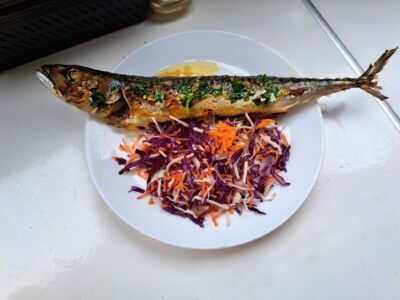
National Park Brijuni Island Visit & Dolphin Cruise
Read our review →
Brijuni Sunset Dolphin Cruise with Dinner & Drinks
Read our review →
Fantastic DOLPHIN & SUNSET TOUR with dinner ( Pula-NP BRIJUNI )
Read our review →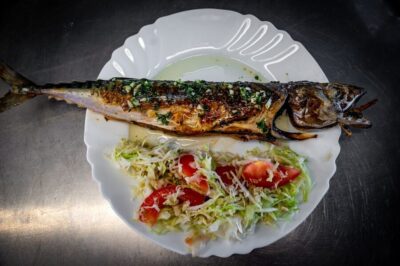
Brijuni National Park Sunset, Dolphins & Dinner Cruise
Read our review →

National Park Brijuni Dolphin Cruise with Dinner
Read our review →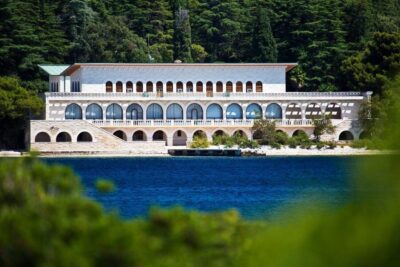
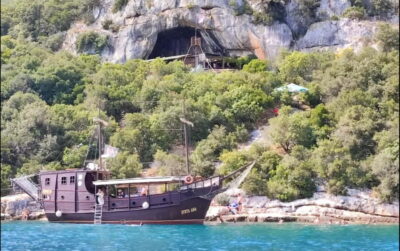
Lim Fjord Boat Tour with Swimming near Pirate’s Cave
Read our review →Browse the lists this tour appears in