
Reviewed · COOKING CLASSES
Traditional Cooking Class in Dubrovnik Countryside
A family farm outside Dubrovnik turns lunch or dinner into a look at everyday Dalmatian life. You may pick vegetables, gather eggs, knead bread, meet goats and chickens, and help prepare dishes served around a family table. The food matters, but the setting and conversation matter just as much.
I like the garden-to-table cooking and the generous spread of cured meats, soup, bread, a main course, dessert, wine, and liqueurs. I also like the easy hotel pickup, especially after a long day in Dubrovnik. The main drawback is simple: this is not always a formal cooking class. Some sessions involve only a little hands-on work and more family stories, farm activities, and time at the table.
Key points to know before booking
- A working family farm: You may gather vegetables and eggs, see gardens and animals, and learn how a multigenerational household produces its own food.
- A full Dalmatian meal: Expect cured meats, local cheeses, garden vegetables, soup, a meat or fish dish, seasonal sides, and a traditional dessert.
- Cooking varies by session: You might make bread, fresh pasta, soup, cookies, or dumplings, but the amount of instruction is not always the same.
- Oliver often handles transport: Pickup and drop-off are provided by private car or minivan from your Dubrovnik accommodation.
- Small groups help: Bookings require at least two people, with a stated maximum of eight per booking and up to ten participants overall.
- Plan for a long meal: Homemade wine, brandy, and liqueurs are included, so this is a slow countryside outing rather than a quick class.
From Dubrovnik streets to a family farm
The change of pace begins with pickup at your hotel or private accommodation. The departure point is arranged near your address in Dubrovnik and the surrounding area, with transport by private car or minivan. Several accounts describe Oliver handling the drive and making the journey feel like part of the welcome.
The ride takes you away from Dubrovnik’s stone lanes and crowded visitor areas into the countryside. The destination is a multigenerational family property connected with the Dubrovnik Food Story experience. One family account describes centuries of connection to the land, a stone home more than 500 years old, gardens, orchards, vineyards, animals, and food production carried out by several generations.
You should not expect a polished cooking studio. The appeal is a home, farm, garden, kitchen, and outdoor cooking area used as part of family life. That makes the experience feel personal, but it also means the pace and structure can be less exact than in a professional culinary school.
Other classes where you cook in Dubrovnik:
- Traditional Dalmatian Cooking Class from Dubrovnik
★ 5.0 · 49 reviews - Truffle hunting & cooking tour
★ 5.0 · 257 reviews - Split Cooking Class
★ 5.0 · 142 reviews
A welcome with carob, grappa, and local wine
Arrival usually begins with a drink and small bites. Depending on the session, that may include homemade grappa, rose wine, chocolate liqueur made with carob, carob-date truffles, or other local snacks.
The drinks are not just decoration. The family may explain how its wine, olive oil, cured meat, preserves, liqueurs, and pickled vegetables are made. Samples can include homemade white and red wine, olive tapenade, cheeses, sausages, prosciutto, and bread.
This opening is a useful clue about the nature of the experience. You are not simply handed ingredients and told to follow a recipe. You are being introduced to a household that grows, preserves, cooks, and serves its own food. If you enjoy food stories and local conversation, this is a strength. If you want a strict lesson with measured ingredients and a printed recipe, you may find the beginning too informal.
Picking ingredients in the garden
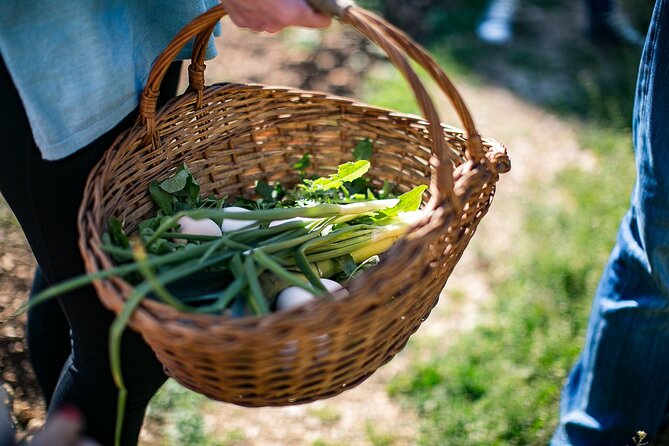
The garden visit is one of the most appealing parts. When conditions allow, you may pick vegetables and herbs for the meal. Accounts describe potatoes, eggplant, carrots, tomatoes, mint, basil, cucumbers, and other seasonal produce. You may also gather eggs from the chickens.
The farm may include much more than a vegetable patch. The property described by one family includes olive trees, fruit trees, vineyards, hens, herbs, and food-production areas. Other activities have included meeting goats, sheep, pigs, horses, a donkey, rabbits, and newly hatched ducklings. One visit even included milking a goat.
These details help explain why the experience feels different from a standard city cooking class. You see the source of the ingredients before eating them. You also get a better sense of the work behind rural Croatian food, from tending animals to preserving meat and growing produce.
The experience is weather-dependent. If the garden is wet, you may not pick the vegetables yourself. In that case, preparation can move indoors, with the hosts bringing out ingredients for you to clean and use.
What you may actually cook
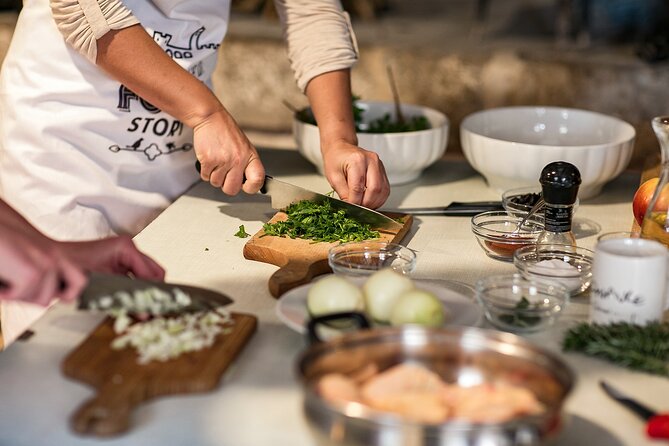
The exact dishes can change, so treat the published sample menu as a guide rather than a fixed promise. The stated meal includes four courses:
- A charcuterie board with prosciutto, sausages, cheeses, pickles, and garden produce
- Homemade vegetable soup
- A local meat or fish dish with seasonal vegetables
- A traditional local cake
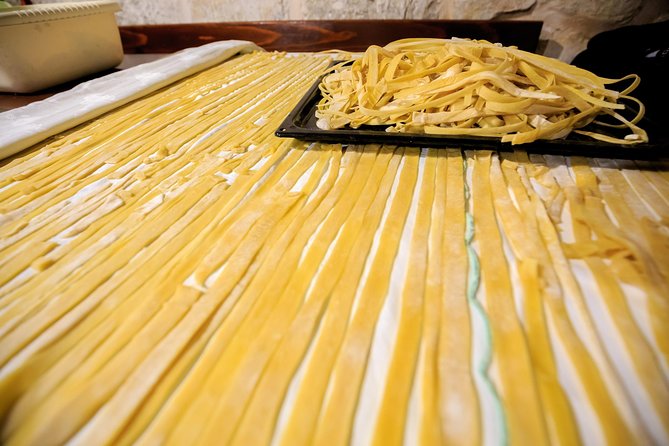
The hands-on work described across the experience includes making bread, fresh pasta, soup, semolina dumplings, quiche, cookies, salads, and vegetable preparations. Some sessions have included several kinds of yeast bread. Others have featured traditional cookies similar to funnel cakes, or a dessert prepared with the host.
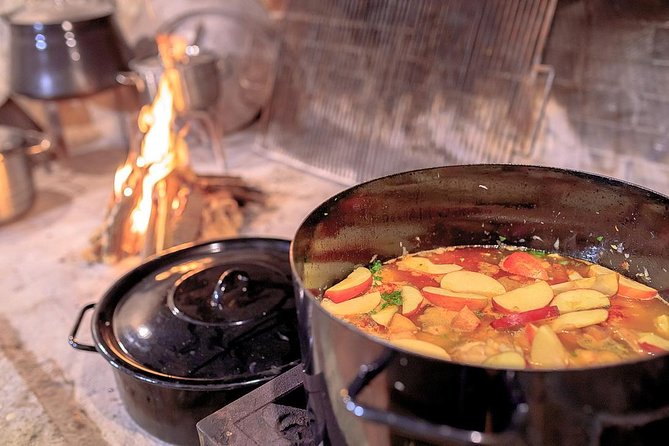
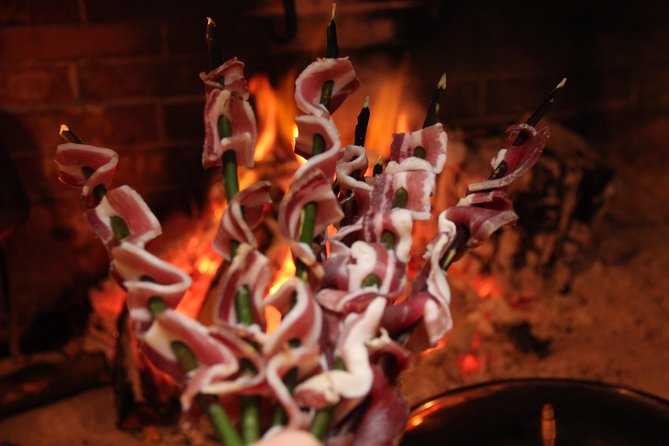
The main course may involve meat cooked over an open fire or under a traditional covered pot. You might prepare vegetables and potatoes while the family handles meat that has been cooking for hours. In other sessions, guests have helped with chicken stew, roast meat, or a fish alternative.
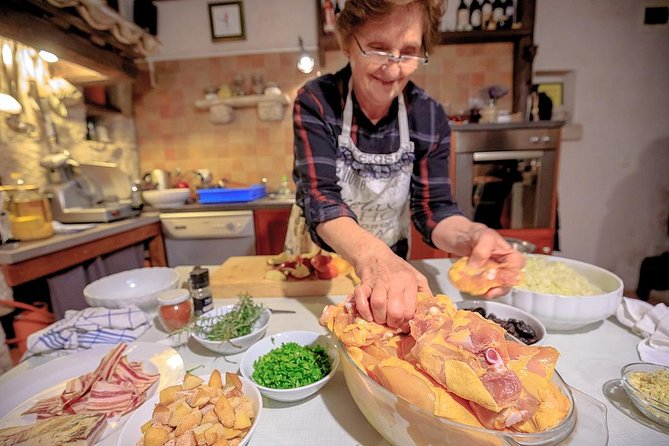
This is where expectations matter most. The cooking is authentic, but it is not necessarily technical. You may chop vegetables, knead dough, assemble bread, put meat on skewers, or help with soup. The hosts may demonstrate the main dish rather than have you cook every step yourself.
I would book this for cultural food experience first and formal skills training second. A confident home cook may find the methods fairly simple. A beginner, however, may appreciate the relaxed setting and the chance to ask questions without the pressure of a professional classroom.
Same base, a different kind of day out:
- Blue Cave Small-Group Boat Tour from Dubrovnik
★ 5.0 · 9,360 reviews - Full-Day Dubrovnik Elaphite Islands Cruise with Lunch and Drinks
★ 5.0 · 8,823 reviews - Dubrovnik: Epic Game of Thrones Tour + Lokrum & Saver Option
★ 4.9 · 5,995 reviews - Dubrovnik: Elaphiti Islands Full-Day Cruise with Lunch
★ 5.0 · 5,938 reviews
Bread, smokehouses, and old family methods
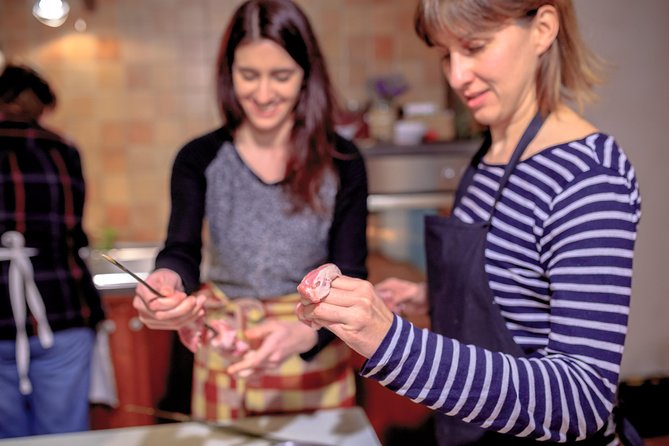
Bread is often one of the most memorable hands-on tasks. Guests have made dough with flour, sugar, yeast, salt, and water, sometimes using boards and hands rather than machines. The family may also show its smokehouse and explain how prosciutto, sausages, and other meats are prepared.
That practical look at preservation gives the meal more meaning. The cured meats are not just a starter on a plate. You may see where they are smoked or hear how they fit into local household cooking.
The family’s food production can also include olive oil, homemade jams, pickled vegetables, marmalade, and liqueurs. Some products are available for purchase, including olive oil, wine, liqueurs, jams, and olive-themed souvenirs. These purchases are not included in the tour price.
Do not count on leaving with a complete recipe booklet. The supplied information does not promise recipes, and one participant had to request them afterward and found that some dishes were missing or lacked measurements. If you want to recreate a dish at home, ask the host to write down the method before you leave.
A meal that takes its time
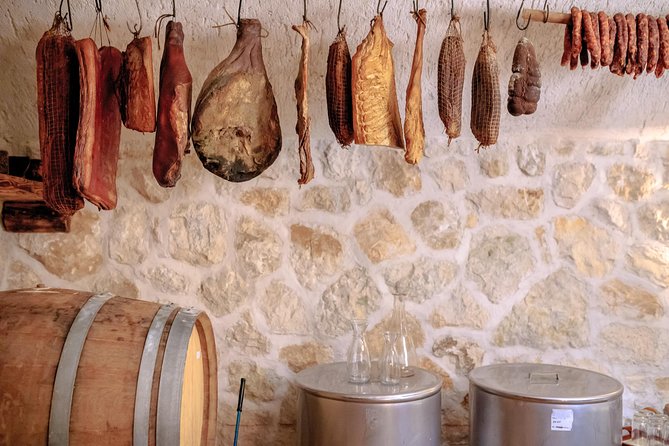
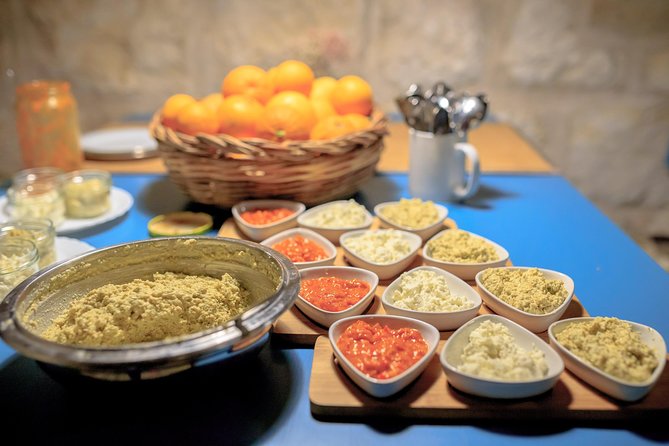
The meal is the center of the day. You might begin with a large platter of cured meats, sausage, prosciutto, cheese, pickles, spreads, and bread. Homemade wine usually accompanies the meal, with coffee, tea, and alcoholic drinks included.
Next may come garden vegetable soup or lentil soup, often with the bread you helped make. The main course can be a traditional chicken stew, roast, veal, pork, or fish dish, served with potatoes, carrots, salad, or other seasonal vegetables.
Dessert depends on the session. It may be a local cake, homemade cookies, or another traditional sweet. You may help prepare it and, in some cases, take a few cookies home.
Portions appear generous. A meal with several courses, bread, wine, and spirits can easily become the main food event of the day. I would not schedule a second substantial meal afterward. The slow pace also gives you time to talk with the family and the other people in your group.
The family stories are part of the experience
The hosts share more than recipes. Conversations can cover village life, farming, family traditions, Croatian food, and the property’s past. One host, Nikolina, has been praised for explaining family life and local history in clear English. Her stories may include the family home, reconstruction after the Yugoslav Wars, and how several generations work together.
This personal side can be powerful. You are seeing a real home and meeting people who use the kitchen, garden, animals, and outdoor spaces as part of their daily life. The family’s warmth is repeatedly described as a central part of the visit, and solo visitors have found the setting comfortable.
The tradeoff is time. If your goal is to spend five straight hours cooking, conversation may feel like a distraction. If you want to understand the people behind the food, the stories are a major reason to come.
Group size, timing, and practical comfort
The experience lasts about five hours. That includes transport, the welcome, farm activities, preparation, cooking demonstrations, the meal, and conversation. It is best treated as a half-day countryside outing, not a short class squeezed between Dubrovnik sights.
A minimum of two people is required. The booking information gives a maximum of eight people per booking and up to ten participants overall. Small groups should allow more contact with the hosts, though the amount of individual instruction can still vary.
Pickup and drop-off remove a common Dubrovnik headache. You do not need to arrange a taxi to an unfamiliar rural address, and you can enjoy wine without driving back. Confirm your pickup details carefully, especially if you are staying outside central Dubrovnik or at a private rental.
Tell the operator about dietary needs when you book. Vegetarian food is available if requested in advance. A pescatarian meal has also been accommodated. Gluten-free guests should be more specific and confirm exactly what they will be able to prepare and eat, since a separate gluten-free bread or dessert is not guaranteed.
Is the $290.36 price worth it?
At $290.36 per person, this is an expensive half-day activity. The price makes more sense for two people or a small group who value private transport, a substantial meal, drinks, farm access, and personal contact with a local family.
You are paying for much more than ingredients. The cost includes private hotel transfers, a five-hour hosted experience, all kitchen equipment, a four-course meal, coffee or tea, homemade wine, and liqueurs. It also covers the time and work involved in welcoming a group into a family property.
Still, the value depends on your definition of a cooking class. If you want advanced methods, exact measurements, recipe cards, and a chef-led lesson from start to finish, the price may feel high. Some sessions involve only a few short cooking tasks, with the host preparing much of the meal.
If you see this as a countryside food and culture visit with cooking included, the value is stronger. You get a meal, transport, farm activities, local drinks, and personal stories in one package. The 4.9 rating from 168 reviews and 98 percent recommendation figure indicate very strong overall satisfaction, but the low ratings point to the main risk: the format is not equally hands-on for everyone.
Who should book this Dubrovnik cooking experience?
I would recommend it to couples, families, food lovers, and solo visitors who enjoy a warm social setting. It suits people who want to meet local hosts, see rural life, eat home-produced food, and learn how traditional dishes fit into family routines.
It is also a good choice for anyone who needs a break from Dubrovnik’s busy center. The gardens, animals, mountain views, outdoor cooking areas, and long meal create a slower day.
I would be cautious if you have limited time, do not drink alcohol, or want a highly structured class. You can request dietary changes, but confirm them early. I would also ask in advance how much hands-on cooking is planned and whether recipes will be provided.
Free cancellation is available up to 24 hours before the start time. Changes made inside that window are not accepted, and the local start time controls the cutoff.
Should you book it?
Book this experience if you want to cook a little, eat a lot, and spend time with a Croatian family on its farm. The strongest features are the garden-to-table meal, homemade wine and cured foods, hotel transport, and the chance to hear personal stories from hosts such as Nikolina.
Skip it if your main goal is a technical cooking course. The experience can be wonderfully hands-on, but it can also lean toward farm visit, history lesson, and long shared meal. Ask for clear details about the day’s planned dishes and dietary options before paying.
For the right visitor, this is one of the better ways to connect Dubrovnik food with the people and work behind it.
FAQ
Where does the Traditional Cooking Class in Dubrovnik Countryside take place?
It takes place at a family property in the Dubrovnik countryside. The experience includes a garden, family home, cooking areas, and farm animals.
How long does the experience last?
The activity lasts approximately five hours.
Is hotel pickup included?
Yes. Hotel or accommodation pickup and drop-off are included by private car or minivan.
Who provides the transportation?
Pickup may be handled by Oliver, who has been identified as the owner of the tour company and a driver for the experience.
What food is included?
The stated meal includes a charcuterie board, homemade vegetable soup, a local meat or fish dish with seasonal vegetables, and a traditional local cake.
Are drinks included?
Yes. Coffee or tea, homemade liqueurs, and homemade red and white table wine are included.
How many people can join?
At least two people are required per booking. The stated maximum is eight people per booking, with up to ten participants overall.
Is a vegetarian option available?
Yes. You must request a vegetarian option when booking.
Can dietary requirements be accommodated?
You should provide all dietary requirements when booking. Vegetarian and pescatarian meals have been accommodated, but gluten-free participants should confirm the exact arrangements in advance.
Can I buy local products?
Yes. Items such as olive oil, wine, liqueurs, homemade jams, and olive-themed souvenirs may be purchased separately.
What happens if I need to cancel?
You can cancel at least 24 hours before the experience starts for a full refund. Cancellations or changes made less than 24 hours before the start time are not accepted for a refund.
Just added in Dubrovnik
- Explore Mostar, Ston and Kravice Waterfalls ( Small Group )★ 4.5 · 166 reviews
- Wine Lover’s Tour of Peljesac Peninsula★ 5.0 · 150 reviews
- Traditional Dalmatian Cooking Class from Dubrovnik★ 5.0 · 49 reviews
- From Dubrovnik: Split Day Trip and City Tour with Transfers★ 4.5 · 70 reviews
- Dubrovnik airport transfer★ 5.0 · 116 reviews
- Dubrovnik to Split Private transfer up to 8 pax (Door to Door any location)★ 5.0 · 151 reviews
- Jet Ski Rent 1h★ 5.0 · 147 reviews
- Luxury private transfer: Dubrovnik airport to Dubrovnik★ 5.0 · 111 reviews
Cooking Classes, compared.
Traditional Dalmatian Cooking Class from Dubrovnik
Read our review →Browse the lists this tour appears in