
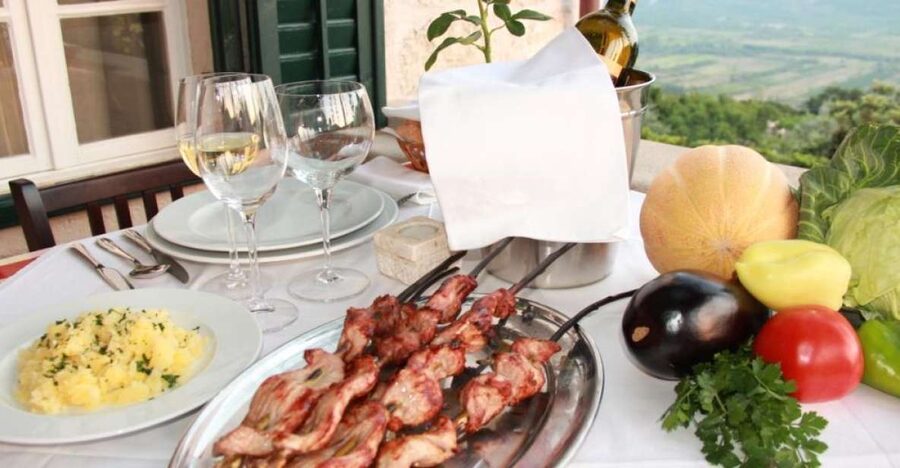
Reviewed · COOKING CLASSES
Traditional Dalmatian Cooking Class from Dubrovnik
The most memorable part of this Dubrovnik outing is not simply learning a recipe. It is spending time at a working country home, picking vegetables from the garden, handling bread dough, and helping prepare food over an open fire. You may even milk a goat before sitting down to a four-course Dalmatian feast.
I like the warm family setting, and I like that the meal changes with the season instead of following a fixed restaurant menu. Guides such as Marija, Oliver, and Miho add context during the drive, while hosts including Nike and Ivo’s family bring the cooking and farm life to the center. The main drawback is that this is not a formal chef-led class with a precise recipe book, and it is not suitable for vegans or people with mobility impairments.
Key things to know before booking
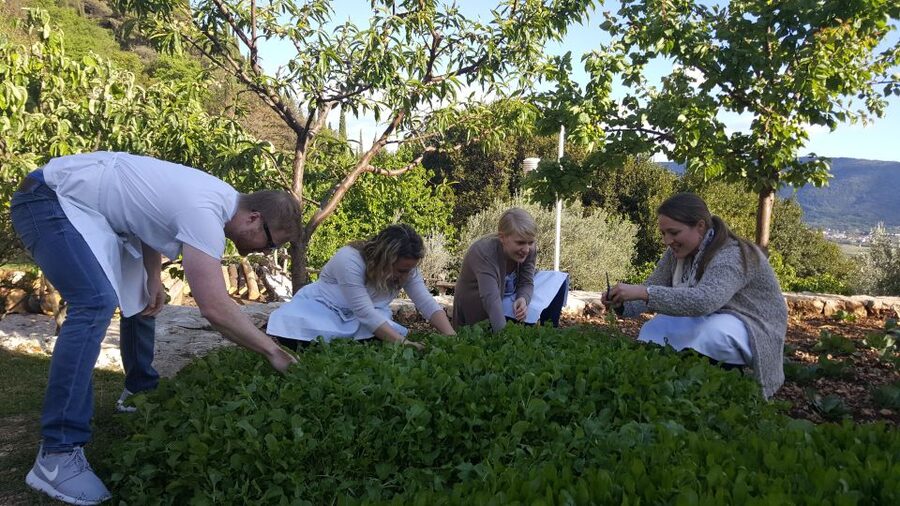
- A real family estate replaces a cooking studio: You spend the day at a rural Croatian home, not in a polished culinary school.
- The menu follows the garden and season: Possible dishes include peka, menestra, meat skewers, chicken stew, rustic bread, dumpling soup, cheese, and dessert.
- You take part from garden to table: Pick vegetables, work with bread mixtures, help prepare the meal, and learn about traditional farm life.
- The meal is part of the tour: Wine, brandy, liquor, juice, and water are included with the seasonal four-course menu.
- The ride adds local context: Your English-speaking guide provides information about points of interest, food, wine, and Croatian culture along the way.
- Comfort matters: Wear practical clothes and comfortable shoes. High heels are not allowed.
Why this cooking class feels different from a restaurant meal
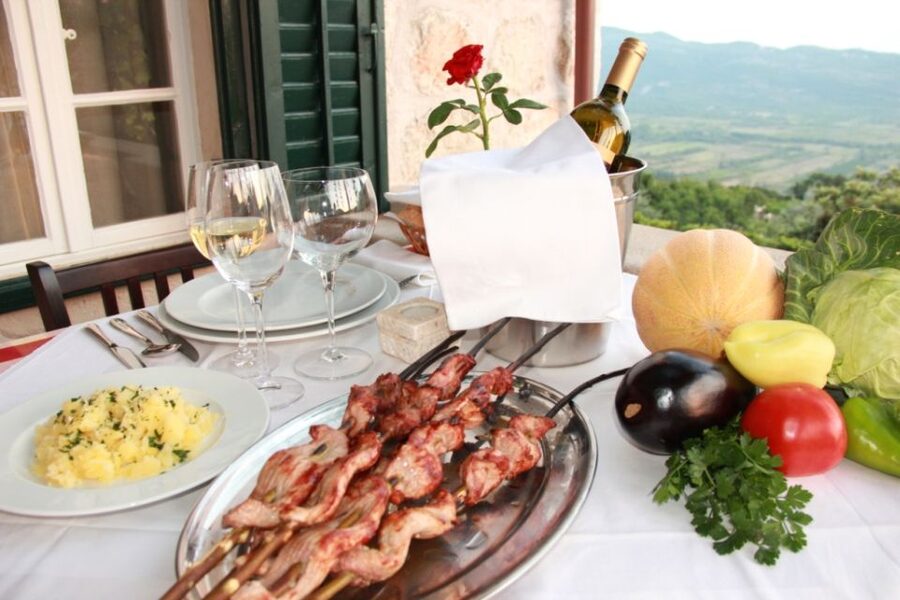
Dubrovnik has no shortage of seafood restaurants and attractive dining rooms. This outing gives you something a restaurant cannot: a look at how food fits into family life outside the city.
The setting is a country estate on the outskirts of Dubrovnik. You arrive with a welcome drink, then receive the tools and instructions needed for the cooking. The work is hands-on, but it is also social. You are not simply watching someone prepare a meal while a chef explains each step from a distance.
The hosts may ask you to pick produce from the garden, taste wild herbs, mix bread by hand, or help with food prepared over an open fire. That physical work is part of the point. Dalmatian cooking makes good use of fresh vegetables, local meat, herbs, olive oil, bread, and simple methods. You get a clearer sense of that food culture when your hands are involved.
I also like the fact that the class is built around family recipes passed from one generation to the next. That means the meal may feel less standardized than a typical cooking school session. You may not receive a perfectly measured list of ingredients for every dish, but you do get a better sense of how home cooks actually work.
Other classes where you cook in Dubrovnik:
- Traditional Cooking Class in Dubrovnik Countryside
★ 5.0 · 168 reviews - Truffle hunting & cooking tour
★ 5.0 · 257 reviews - Split Cooking Class
★ 5.0 · 142 reviews
The ride from Dubrovnik sets the scene
Transportation in an air-conditioned vehicle is included, which matters after a warm day in Dubrovnik. The drive takes you away from the stone lanes and busy waterfront toward the countryside.
Your English-speaking guide may be Marija, Oliver, or Miho, depending on the departure. The guide’s role is more than transportation. Marija has been described as giving background on Croatian history and culture during the journey, while Oliver has pointed out places of interest on the way to the farmhouse. Miho has also led conversations about food and Bosnian wine.
That variety is useful because the ride helps connect the meal to the wider region. You are not just being delivered to a kitchen. You are getting some context about rural life, local products, and the area around Dubrovnik.
The exact pace can vary. Some descriptions frame the outing as a full day, while individual schedules may feel more like an afternoon or evening visit. Plan on giving the activity a generous portion of your day rather than trying to squeeze it between tightly timed sightseeing stops.
Arriving at the family estate
At the estate, you can expect a welcome drink before the cooking begins. This is a relaxed introduction rather than a formal orientation, and the hosts then provide cooking equipment and explain what you will be doing.
The family setting is one of the strongest reasons to choose this tour. Hosts such as Nike, Ivo, and their relatives have been praised for sharing not only cooking methods but also family stories, agricultural work, and the history of the property. Ba Ba, the family matriarch mentioned by one participant, guided the preparation of a traditional meal and helped make the kitchen feel like a shared home rather than a stage set.
You may also visit an old olive mill or see parts of the property before settling into the cooking. These details matter because they show how food production once worked at the household level. The experience is not limited to what ends up on your plate.
Do not expect a luxury estate in the hotel sense. The appeal is the lived-in country environment, including the outdoor kitchen, garden, animals, and family members working together. If you want polished facilities and a formal chef’s demonstration, this may feel informal. If you want personal contact and a closer look at local routines, the informality is a plus.
From garden vegetables to open-fire cooking
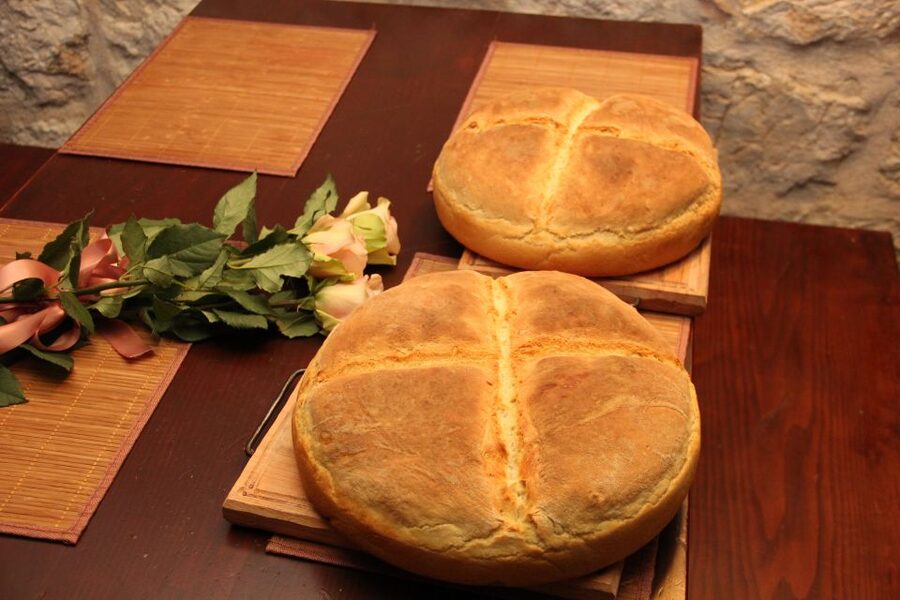
The cooking begins with what is fresh and available. That could mean gathering vegetables from the garden, tasting herbs, preparing cheese, or working on bread and dough.
The menu is seasonal, so the exact dishes are not guaranteed. Possible preparations include:
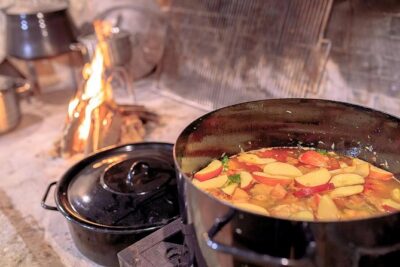
- Dalmatian peka with lamb or veal cooked under an iron bell
- Menestra, a hearty cabbage and potato stew
- Traditional meat skewers
- Dalmatian chicken stew
- Rustic homemade bread
- Dumpling soup
- Fresh cheese and garden vegetables
- Local desserts, including pancakes on some days
Peka is especially interesting because the food cooks beneath a heavy iron bell, a traditional method that gives the meat and vegetables time to soften together. The tour information does not promise peka on every departure, so treat it as one possible menu item rather than a guaranteed dish.
The cooking is deliberately tactile. You may get flour on your hands, work bread mixtures with your fingers, taste wild spices, and help prepare meat for skewers. That makes the class suitable for people who want to participate rather than sit back.
I would wear clothes you do not mind getting dusty or marked with food. Comfortable shoes are important because the property is rural, and high heels are not allowed. The activity is not suitable for wheelchair users or people with mobility impairments, so check your own comfort level before booking.
Same base, a different kind of day out:
- Blue Cave Small-Group Boat Tour from Dubrovnik
★ 5.0 · 9,360 reviews - Full-Day Dubrovnik Elaphite Islands Cruise with Lunch and Drinks
★ 5.0 · 8,823 reviews - Dubrovnik: Epic Game of Thrones Tour + Lokrum & Saver Option
★ 4.9 · 5,995 reviews - Dubrovnik: Elaphiti Islands Full-Day Cruise with Lunch
★ 5.0 · 5,938 reviews
A farm visit with goats, cheese, and local produce
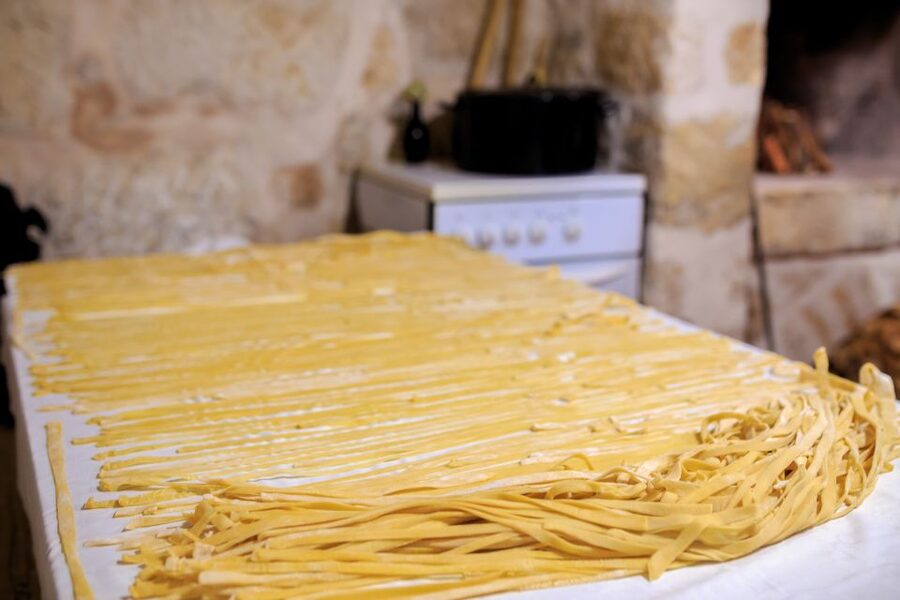
The farm elements add something that a standard cooking class cannot. You may pick fruit and vegetables, learn how to milk a goat, and taste fresh cheese from the property.
These tasks are simple, but they help explain why Dalmatian cooking is so closely tied to season and supply. A family kitchen cooks with what is available, not with a fixed menu designed months ahead. The garden becomes part of the lesson, and the meal reflects the work that came before it.
The agricultural side also gives the hosts room to talk about their lifestyle. Several parts of the experience focus on family history, the property, and countryside routines. You are likely to learn as much through conversation as through the recipe steps.
Keep in mind that farm activities can vary. The seasonal menu and household schedule determine what is available on your day. The experience promises the opportunity to pick produce and learn about farm life, but it does not guarantee a specific animal activity or exact ingredient every time.
Sitting down to the four-course meal
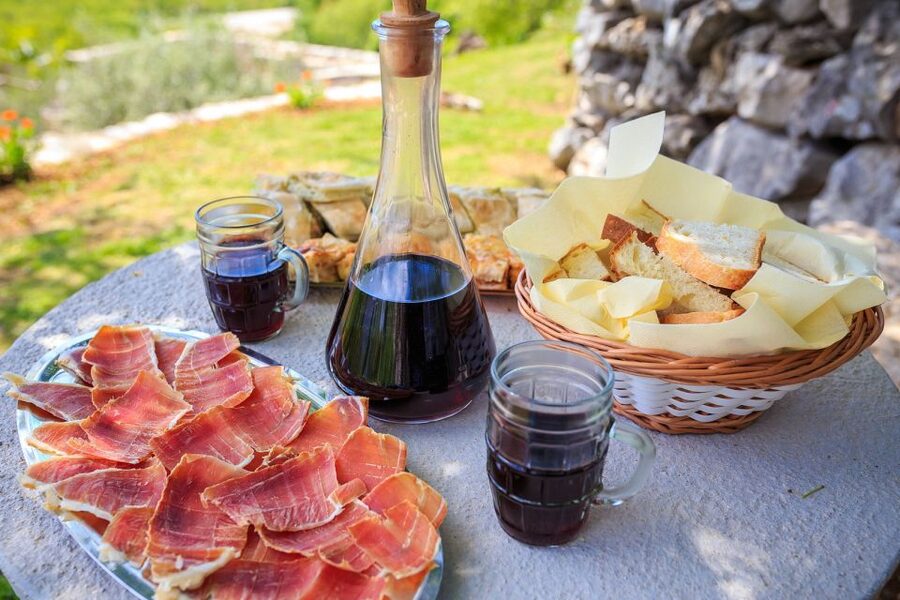
Once the food is ready, you sit down at the estate and eat what you helped prepare. The meal includes four seasonal courses, with wine, liquor, brandy, juice, and water provided.
This shared meal is the natural payoff, but it is also where the social side of the experience becomes clearest. You are eating in the same setting where the food was prepared, with the family nearby and the work still fresh in your mind.
The meal can be generous. One participant described having more food than could be eaten, while another regretted not leaving enough room for dessert. Expect hearty portions rather than a minimalist tasting menu.
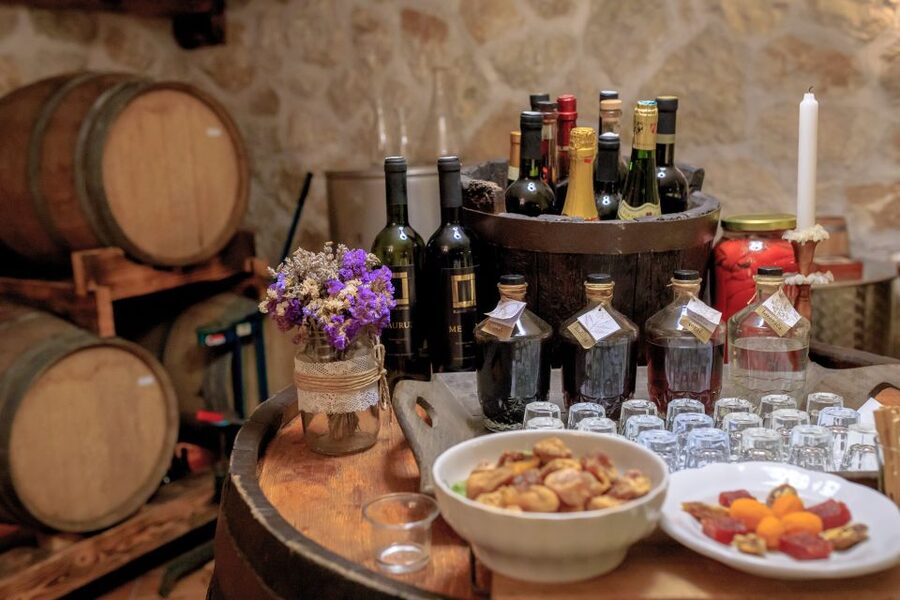
Local drinks are part of the meal, including home-bottled wine, brandy, and olive oil in some household settings. If you do not drink alcohol, juice and water are included. The presence of wine and brandy makes this a better fit for adults looking for a long, social meal than for anyone seeking a quick daytime activity.
Vegans should not book this tour. The possible menu includes meat, dairy, cheese, and other animal products, and the activity is specifically not recommended for vegans. The supplied information does not promise vegetarian or vegan substitutions.
What the $235 price really covers
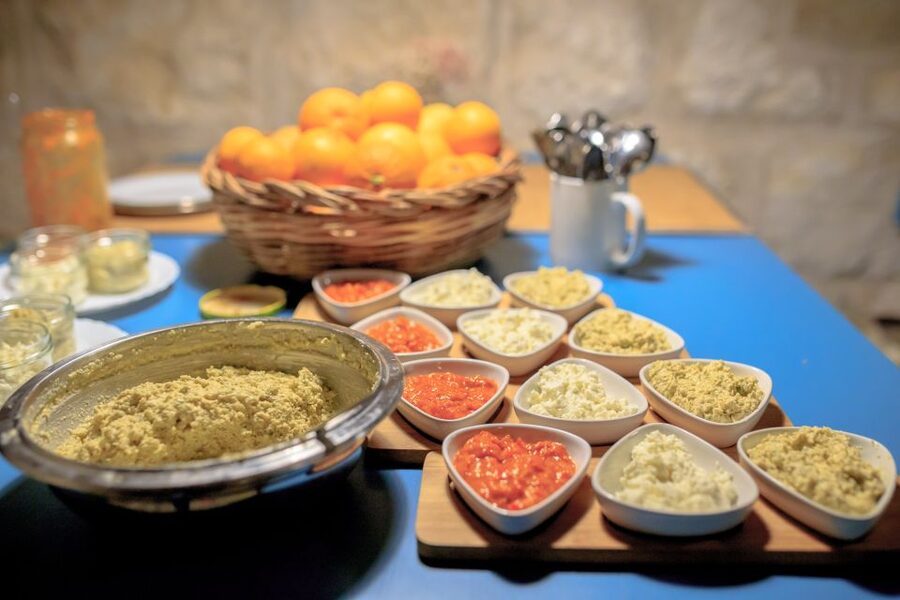
At $235 per person, this is an expensive cooking activity. You are paying more than you would for a short city cooking lesson or a basic market visit.
The value comes from the package. Your price includes transportation in an air-conditioned vehicle, an English-speaking licensed guide, cooking equipment, the family-hosted activity, a seasonal four-course meal, and a range of drinks. It also covers the time spent at the estate, including the garden and farm elements.
For me, the strongest value is the combination of transportation and access. Getting from Dubrovnik to a private rural home on your own would not provide the same introduction, and arranging a family cooking visit independently would be difficult. The guide also gives you someone to explain the surrounding area and translate the cultural details.
The price is harder to justify if you mainly want instruction in restaurant-style technique. This is not presented as a professional culinary certification class, and the menu is not fixed. You are paying for hospitality, food, countryside access, conversation, and participation as much as for recipes.
Souvenirs are not included. If you buy food or drink products to take home, such as olive oil or other local items, that is an additional expense.
Who will enjoy this most
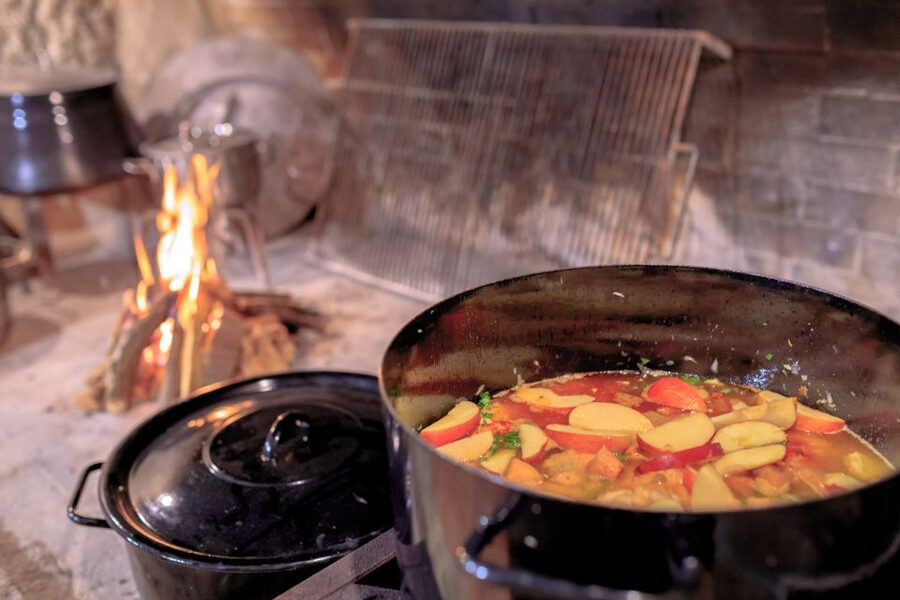
I would recommend this for you if you like food with a strong sense of place. It suits people who enjoy gardens, family stories, rustic kitchens, local drinks, and long meals more than people who want a quick demonstration followed by free time.
It is also a strong choice if you have already seen Dubrovnik’s main sights and want to spend time outside the old city. The countryside visit gives you a different view of the region without requiring you to plan a separate rural excursion.
Families and mixed-age groups may enjoy the variety of tasks, but the mobility limits matter. The activity is not suitable for wheelchair users or people with mobility impairments. Comfortable clothing is essential, and you should be prepared for an active cooking session rather than a seated lesson.
Food lovers who need strict dietary control should ask before booking. The information confirms that the tour is not suitable for vegans, but it does not provide a full allergy or dietary-substitution policy.
Practical details that affect your day
Book this as a major activity, not a small add-on. The description presents it as a day in the countryside, and the meal and family visit take time. Leave space in your schedule before and after the outing.
Wear comfortable shoes and casual clothes. You may work with flour, vegetables, meat, and open-fire cooking, so dress for practical movement rather than photographs.
The tour is offered in English. Transportation, drinks, equipment, and the meal are included, while souvenir purchases are not. You can reserve and pay later, which helps if your Dubrovnik plans are still changing, and cancellation is allowed up to 24 hours in advance for a full refund.
The activity has received a 5 out of 5 rating from 49 reviews, with especially strong praise for the hosts, the welcoming atmosphere, the food, the garden, and the chance to learn about rural Croatian life. Those are the parts to value most when deciding if the price is right for you.
Should you book the Dalmatian cooking class?
Book it if you want a personal countryside experience built around food, family, and participation. The best moments are likely to come from the small tasks: picking vegetables, shaping bread, tasting herbs, talking with the hosts, and eating a meal that you helped make.
Skip it if you need a fixed menu, a formal chef’s curriculum, vegan food, or fully accessible facilities. Also skip it if you are looking for a short activity close to Dubrovnik’s old town.
For most food-minded visitors, the combination of rural setting, family hospitality, guide-led context, and a four-course meal makes the $235 price defensible. You are not just learning how to cook one dish. You are seeing how Dalmatian food connects the garden, the household, the fire, and the table.
FAQ
Where does the cooking class take place?
The class takes place at a traditional country house or family estate in rural Croatia on the outskirts of Dubrovnik.
How much does the experience cost?
The listed price is $235 per person.
What is included in the price?
Transportation by air-conditioned vehicle, a licensed guide, cooking equipment, a seasonal four-course menu, and wine, liquor, brandy, juice, and water are included.
Is transportation from Dubrovnik included?
Yes. Transportation by air-conditioned vehicle is included.
What food might I prepare?
The seasonal menu may include peka, menestra, meat skewers, Dalmatian chicken stew, rustic bread, dumpling soup, fresh cheese, garden vegetables, and desserts.
Is the menu fixed?
No. The dishes vary according to the season and what is fresh and available at the household garden and estate.
Is the tour suitable for vegans?
No. The activity is not recommended for vegans.
What language is the tour offered in?
The tour is offered in English.
What should I wear?
Wear comfortable clothes and comfortable shoes. High-heeled shoes are not allowed.
Is the experience suitable for wheelchair users?
No. The activity is not suitable for wheelchair users or people with mobility impairments.
Just added in Dubrovnik
- Explore Mostar, Ston and Kravice Waterfalls ( Small Group )★ 4.5 · 166 reviews
- Wine Lover’s Tour of Peljesac Peninsula★ 5.0 · 150 reviews
- From Dubrovnik: Split Day Trip and City Tour with Transfers★ 4.5 · 70 reviews
- Dubrovnik airport transfer★ 5.0 · 116 reviews
- Dubrovnik to Split Private transfer up to 8 pax (Door to Door any location)★ 5.0 · 151 reviews
- Jet Ski Rent 1h★ 5.0 · 147 reviews
- Luxury private transfer: Dubrovnik airport to Dubrovnik★ 5.0 · 111 reviews
- Traditional Cooking Class in Dubrovnik Countryside★ 5.0 · 168 reviews
Cooking Classes, compared.
Traditional Cooking Class in Dubrovnik Countryside
Read our review →
Browse the lists this tour appears in