
Reviewed · COOKING CLASSES
Authentic Garden to Table Cooking Class in Dubrovnik Countryside
The best part of this Dubrovnik cooking class is that the meal begins in the garden, not at the stove. At Kameni Dvori, a family homestead in Konavle, you knead your own bread, collect vegetables and eggs, and may even milk a goat before sitting down to eat what you helped prepare. I especially like the hands-on farm work and the chance to hear Ivo’s stories about a family that has lived here since the 1500s.
I also like the small scale, with no more than eight people, and the pickup option from Dubrovnik. The main consideration is the price, $208 per person, which is a serious splurge for five hours. The menu also changes with the season, so you book the experience rather than a fixed list of dishes.
Key points at a glance
- A 500-year family homestead: Kameni Dvori has been in the Mujo family for about 15 generations.
- Cooking starts in the soil: You visit the garden, gather ingredients, collect eggs, and learn how the crops are grown.
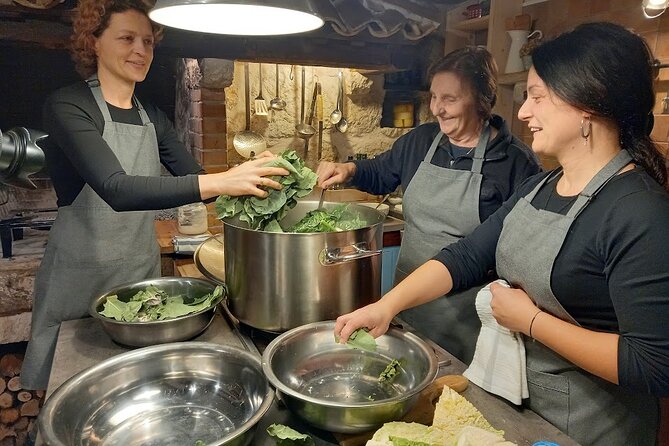
- Real kitchen work: You knead your own bread and help prepare dishes such as chicken stew, pasta, soup, and dessert.
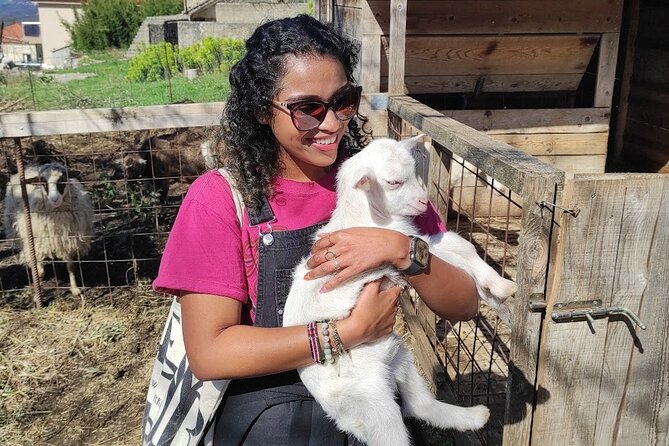
- A goat-milking option: If dessert uses milk, the host may offer a chance to milk a goat.
- A personal family story: Ivo presents the family tree and explains the history of the home and area.
- A small, flexible outing: Pickup is available, groups are capped at eight, and vegetarian, vegan, and gluten-free meals can be arranged.
From Dubrovnik to the Konavle countryside
The cooking class begins at Kameni Dvori, Holiday Village Konavle, at Lovorno 11 in Gruda. You can make your own way there, or request pickup in Dubrovnik. The provider uses vehicles for three, seven, or eight people, marked with a Cooking class sign.
The drive is part of the setting. Ivo has given visitors a short history lesson on the way, while Katarina has driven people from Dubrovnik and explained her family and the area. That makes the transfer more useful than a simple ride from hotel to farm.
Pickup is particularly handy if you are staying in Dubrovnik and do not want to arrange a rental car for one half-day activity. If you need a child’s chair, contact the provider in advance. This is also the right time to explain dietary needs, even though the hosts can accommodate vegan, vegetarian, gluten-free, and other flexible requests.
Other classes where you cook in Dubrovnik:
- Traditional Cooking Class in Dubrovnik Countryside
★ 5.0 · 168 reviews - Traditional Dalmatian Cooking Class from Dubrovnik
★ 5.0 · 49 reviews - Croatian Traditional Cuisine: Peka Cooking Lesson
★ 5.0 · 10 reviews
Arriving at a family home from the 1500s
The first moments at Kameni Dvori are relaxed. You receive a welcome drink, then the host explains how the cooking session will work. The property has been in the same family since the 1500s, and several generations help with the experience.
That family involvement is central to the appeal. You may meet Ivo, his wife Katarina, one of their daughters, or other relatives who lend a hand. This is not a staged restaurant demonstration with one instructor standing at the front of a room. It feels closer to being invited into a working family home, though the small group and organized schedule keep the day moving.
You may also be offered fresh fruit or homemade juice early in the visit. The exact welcome can vary, but the emphasis is clear: local food is introduced before you start cooking it.
Kneading bread the traditional way
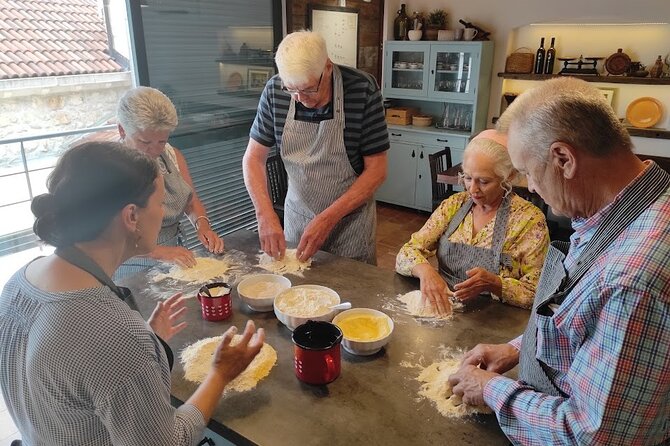
Bread is usually the first practical task. Each person kneads their own loaf according to a traditional recipe. You work the dough by hand, then let it rest while you continue with the garden visit and other preparations.
This is a simple task, but it gives the class a useful rhythm. You are not merely watching someone prepare Croatian food. You handle the ingredients from the first stage, then return to the finished bread at the meal.
The bread is served warm with the starter, which may include cured meat, homemade cheese, pickled vegetables, spreads, and homemade olive oil. If you enjoy food with a clear sense of place, this is one of the strongest parts of the experience. The bread, oil, cheese, and preserved vegetables show how a rural household turns basic supplies into a full table.
The garden visit and gathering the meal
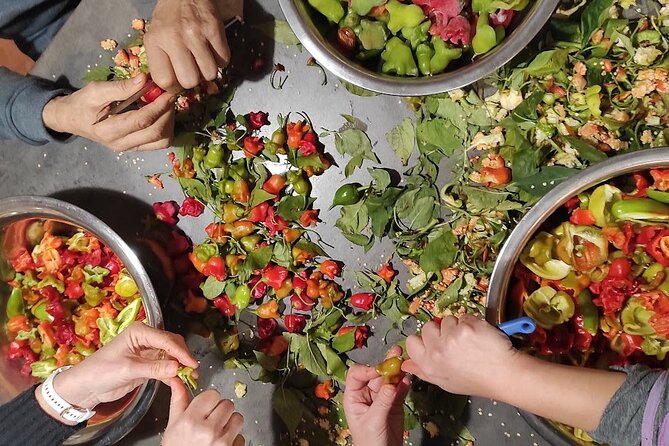
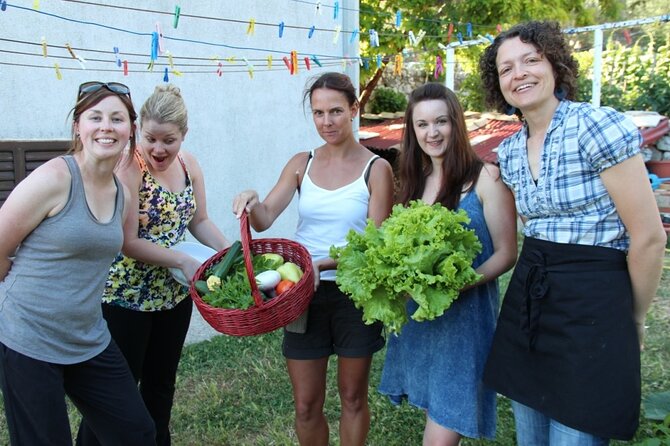
Once the bread is resting, you walk through the garden and fruit trees. The host explains how the crops are cultivated, then you collect the vegetables needed for the meal. You may also gather fresh eggs.
The garden is not just a pleasant walk before lunch. It explains why the menu cannot be fully fixed in advance. The dishes depend on the season and on what is ready to pick. That may mean fresh vegetables, fruit, herbs, or other produce taking a larger role during your visit.
The homestead produces some of its own wine and olive oil, and local family farms supply other ingredients. You get a direct look at the work behind the food, from growing and gathering to cooking and serving.
This part will suit you if you like knowing where a meal comes from. It may be less appealing if you want a tightly scripted cooking lesson with exact recipes and a predictable menu. Here, the seasonal nature of the garden takes priority.
Same base, a different kind of day out:
- Blue Cave Small-Group Boat Tour from Dubrovnik
★ 5.0 · 9,360 reviews - Full-Day Dubrovnik Elaphite Islands Cruise with Lunch and Drinks
★ 5.0 · 8,823 reviews - Dubrovnik: Epic Game of Thrones Tour + Lokrum & Saver Option
★ 4.9 · 5,995 reviews - Dubrovnik: Elaphiti Islands Full-Day Cruise with Lunch
★ 5.0 · 5,938 reviews
Goat milking and the hands-on kitchen
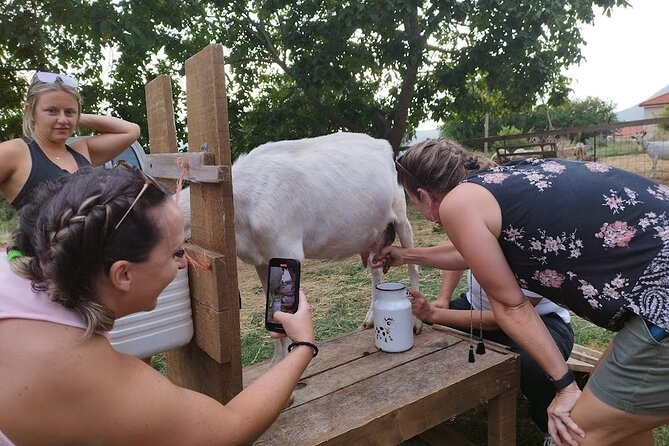
If the dessert includes milk, the host may offer a chance to milk a goat. This is an optional moment, not a guaranteed part of every session, because it depends on the dessert and the day’s program.
The goat is a good example of what makes this class different from a standard city cooking workshop. You are not only learning how to combine ingredients. You are seeing another part of a rural household’s food production, then connecting it to the dish on your plate.
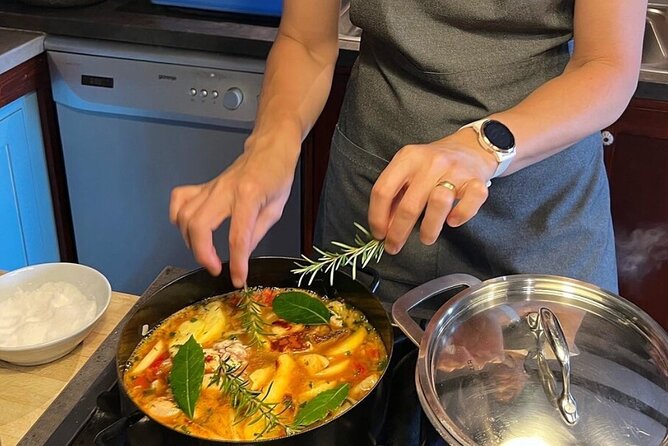
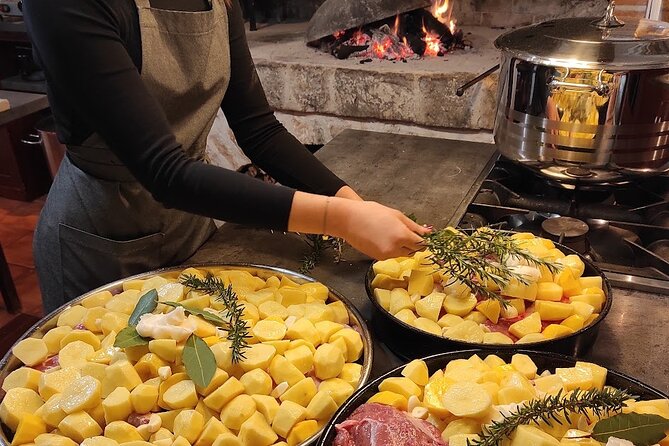
Back in the kitchen, you help prepare the meal. Past sessions have included bread, pasta, chicken stew, vegetable soup, and dessert. The work is practical and shared, so you should expect to take part rather than sit back for a long demonstration.
The sample menu gives you a good idea of the range:
- Cured meat and homemade cheese with warm bread, pickled vegetables, spreads, and olive oil
- Lovorno skewer, pork cooked on bay leaf branches with country-style potatoes
- Boiled vegetables with homemade olive oil and seasonal salad
- Farm-grown chicken stew with fresh vegetables and fruit, cooked with wine
- Homemade pasta served with the stew
- Grandma’s cake for dessert
Not every dish is guaranteed. The important point is the cooking style: simple ingredients, family methods, local produce, and food prepared for sharing.
Lunch with wine and a family tree
While the food cooks, Ivo presents the family tree and stories connected to the homestead. The family history reaches back roughly 500 years, and that context gives the meal a stronger sense of place.
This is a good pause in the schedule. You have already worked in the garden and kitchen, so the stories do not feel like a separate lecture. You can connect the people, the house, the crops, and the food while waiting for lunch.
At the table, the finished dishes are served with homemade red or white wine. The meal is designed to be generous and home cooked rather than refined in a restaurant sense. You might find the menu changes from a chicken stew and vegetable soup to pork skewers, depending on the season and available ingredients.
One past outing also included a bicycle ride through the countryside, with a stop at a relative’s vineyard for four homemade wines, cheese, and cured meats. That is not listed as a standard part of this five-hour cooking class, so you should not book expecting the ride. It does show how extended or customized family visits may sometimes connect the homestead with nearby relatives and food producers.
What the $208 price really includes
At $208 per person, this is not a budget meal or a quick cooking lesson. You are paying for about five hours, transport if arranged, instruction, a garden visit, the meal, wine, and a small-group setting capped at eight people.
The value depends on what you want from Dubrovnik. If you only want to eat Croatian food, you can spend much less at a restaurant. If you want a private-feeling countryside outing that joins food, farming, family history, and transport, the price is easier to justify.
The small group matters. With eight people or fewer, you should have room to knead bread, gather produce, ask questions, and take part in the cooking. A larger group would change the feel of the visit and could turn the hands-on work into a demonstration.
The class is also a useful break from Dubrovnik’s crowded old center. You get a rural setting, open garden space, and a slower meal without giving up the convenience of a pickup option.
Seasonal menus and dietary needs
The menu is not fixed, and that is both a benefit and a limitation. Seasonal ingredients keep the food fresh and connected to the homestead, but you cannot choose the exact main course when you book.
Vegetarian and vegan meals are available. Gluten-free meals are also available, and the provider says it can handle flexible dietary restrictions. Tell the provider what you need when booking so the kitchen can plan properly.
You should also mention allergies clearly. The available information confirms dietary flexibility, but it does not provide a full allergen policy or promise that every dish will be prepared in a separate kitchen area.
Who will enjoy this most
I would choose this experience if you want more than a recipe. It suits people who enjoy meeting a local family, working with their hands, and learning how food connects to land and tradition.
It is a strong choice for:
- Couples seeking a slower day outside Dubrovnik
- Families who want an activity with real participation
- Food lovers interested in Croatian home cooking
- Small groups that value personal attention
- Visitors who want rural Konavle rather than another city tour
- Anyone curious about olive oil, wine, gardens, eggs, bread, and traditional household skills
It may not suit you if you dislike shared meals, farm settings, flexible menus, or long food-focused visits. Five hours can feel substantial if you only want a short cooking demonstration. The price also makes this better for a special occasion than a casual add-on.
Service animals are allowed. The activity ends back at the meeting point, and pickup details should be arranged ahead of time.
Booking advice and cancellation
This experience is often reserved well ahead, with an average booking lead time of about 132 days. If it fits your plans, I would not leave it until the final week, especially during busy periods.
Confirmation is normally sent at booking. If you book within two days of the date, confirmation may take up to 48 hours and depends on availability.
You can cancel for a full refund up to 24 hours before the start time. Cancellations or changes made less than 24 hours ahead are not accepted for a refund. The cutoff follows local time in Croatia.
Should you book the Kameni Dvori cooking class?
Book it if you want a personal, food-centered day in the Dubrovnik countryside, especially if you value family stories as much as recipes. Kneading bread, picking vegetables, collecting eggs, and possibly milking a goat gives the class a clear sense of place. Ivo’s family history and Katarina’s welcoming role add depth to the meal.
Skip it if you want a low-cost activity, a fixed menu, or a short lesson with little physical participation. At $208, this is a premium experience. For the right visitor, though, it offers far more than lunch: it gives you a close look at Croatian rural life and sends you back to Dubrovnik with a story, not just a full stomach.
FAQ
Where does the cooking class take place?
It takes place at Kameni Dvori, Holiday Village Konavle, Lovorno 11, 20215 Gruda, Croatia.
How long does the experience last?
The activity lasts approximately five hours.
Is pickup available from Dubrovnik?
Yes. Pickup is offered, and the vehicles are marked with a Cooking class sign. Vehicles are available for groups of three, seven, and eight occupants.
How many people can join the class?
The maximum group size is eight people.
What language is the class offered in?
The experience is offered in English.
What food will be prepared?
The menu changes with the season and available garden ingredients. Sample dishes include homemade bread, cured meat and cheese, Lovorno skewer, chicken stew, homemade pasta, vegetables, salad, and Grandma’s cake.
Will I get to visit the garden?
Yes. The program includes a garden visit, an explanation of the cultivation method, gathering ingredients, and collecting fresh eggs.
Can I milk a goat?
You may be offered the chance to milk a goat if the dessert includes milk. It is not guaranteed for every visit.
Are vegetarian, vegan, or gluten-free meals available?
Yes. Vegetarian, vegan, and gluten-free meals are available. The provider can also accommodate flexible dietary restrictions.
Is the experience suitable for service animals?
Yes. Service animals are allowed.
What is the cancellation policy?
You can cancel up to 24 hours before the start time for a full refund. Cancellations or changes made less than 24 hours before the activity are not accepted for a refund.
Just added in Dubrovnik
- Elaphiti Islands Private Dubrovnik Boat Unique Experience★ 5.0 · 10 reviews
- Full- Day Private Speedboat Tour in Dubrovnik on Elaphiti Islands★ 5.0 · 21 reviews
- Wine tour peninsula Pelješac★ 5.0 · 3 reviews
- PRIVATE Wine Tour to Konavle country side★ 5.0 · 11 reviews
- Dubrovnik at War 1991-1992 Private Walking Tour★ 5.0 · 4 reviews
- Welcome to Dubrovnik Walking Tour★ 5.0 · 36 reviews
- City Walls of Dubrovnik★ 5.0 · 70 reviews
- Walls of Liberty: A Self-Guided Audio Tour of Dubrovnik★ 3.5 · 3 reviews
Cooking Classes, compared.
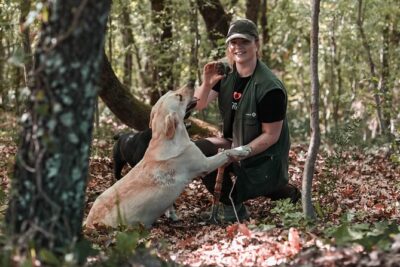
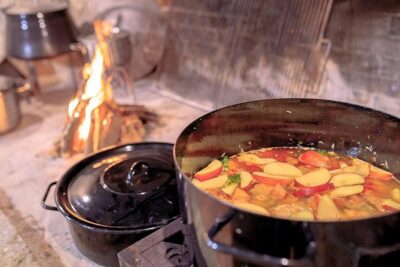
Traditional Cooking Class in Dubrovnik Countryside
Read our review →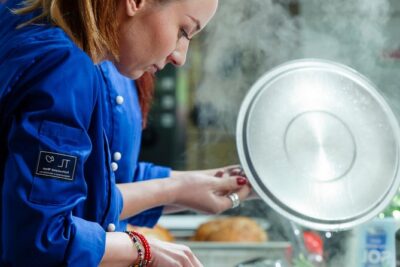
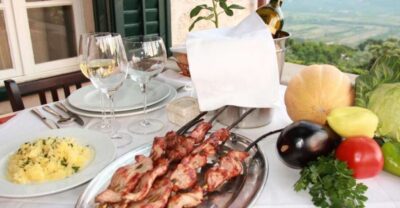
Traditional Dalmatian Cooking Class from Dubrovnik
Read our review →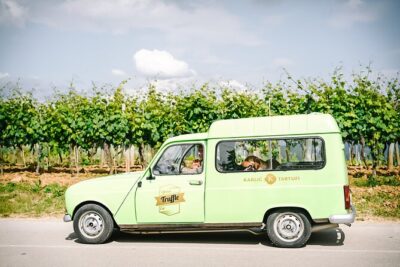
Croatian Traditional Cuisine: Peka Cooking Lesson
Read our review →
Traditional Hvar Cooking Classes, Dinners & ‘Poje’ Field Tour!
Read our review →
Browse the lists this tour appears in