
Reviewed · FOOD & OLIVE OIL TASTING TOURS
Split: Private Food Tasting Tour
Split’s best food lesson begins in its markets, not in a restaurant. This two-hour private walk takes you from the Golden Gate through the Green Market and Fish Market, then into a chocolate shop with a Guinness World Record and the city’s oldest pastry shop. Along the way, you taste the food and hear why it belongs on a Dalmatian table.
I like the small-group format, which lets you ask about unfamiliar ingredients without slowing down a busload of people. I also like the range of tastes, from salty anchovies and prosciutto to sugared almonds, local wine, olive oil, and pastries. The main consideration is that the tour is a quick introduction, not a full market-to-table cooking experience, and the wine portion may not be the same as a separate wine tour later in the day.
Key points
- Market-first route: Begin at the Farmers’ and Fish markets, where the food traditions make more sense than they would from a tasting counter alone.
- Classic Dalmatian bites: Expect prosciutto, cheese, Soparnik, salted anchovies, almonds in sugar, olive oil, local wine, and seasonal snacks.
- Two memorable sweet stops: Visit a local chocolate shop with a Guinness World Record and the city’s oldest pastry shop.
- Guides who add local color: Marta, Antonio, Antonia, and Jakov are among the guides praised for clear explanations, humor, cooking knowledge, and enthusiasm.
- Useful timing: The route lasts about two hours and involves some walking, but it is not an exhausting trek through Split.
- Private experience: At $176 per group of up to two, it makes the most sense for couples or friends who value personal attention.
Start at the Golden Gate, then let the food tell the story
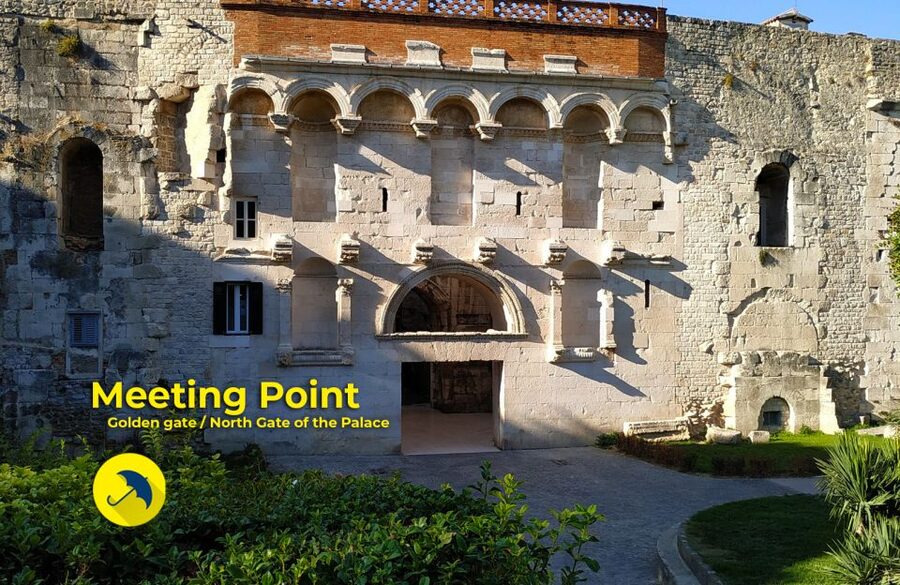
Meet at the Golden Gate of Diocletian’s Palace, down the stairs from the bronze statue of Gregory of Nin. Look for the guide with a blue umbrella. This is a practical meeting point in the old center, though the stone steps and uneven pavement mean the tour is not suitable for wheelchair users.
The setting matters. You are not starting in a modern food hall or a hotel lobby. You begin beside one of Split’s most important entrances, then move into the everyday food life of the city. That gives the tour a useful rhythm: ancient walls first, working markets next, small specialty shops after that.
Your guide leads in English, and the private format means the pace can suit your group. You can ask why a certain cheese is served with a particular snack, how anchovies are preserved, or what makes Soparnik different from an ordinary savory pie. Guides such as Marta, Antonio, Antonia, and Jakov have been singled out for their warmth, clear explanations, and ability to connect food with local culture.
The guide makes a real difference here. A market can be visually interesting but confusing if you do not know what you are seeing. With someone explaining the ingredients, customs, and eating habits, the stops become more than a series of samples.
More eating your way around Split:
- Split: Krka Waterfalls With Boat Cruise, Wine and Olive Oil
★ 4.3 · 1,507 reviews - Split Food Tour: Discover Split One Bite At A Time
★ 5.0 · 433 reviews - Split: Food Tasting Walking Tour
★ 4.8 · 75 reviews
The Green Market: a useful look at Dalmatian ingredients
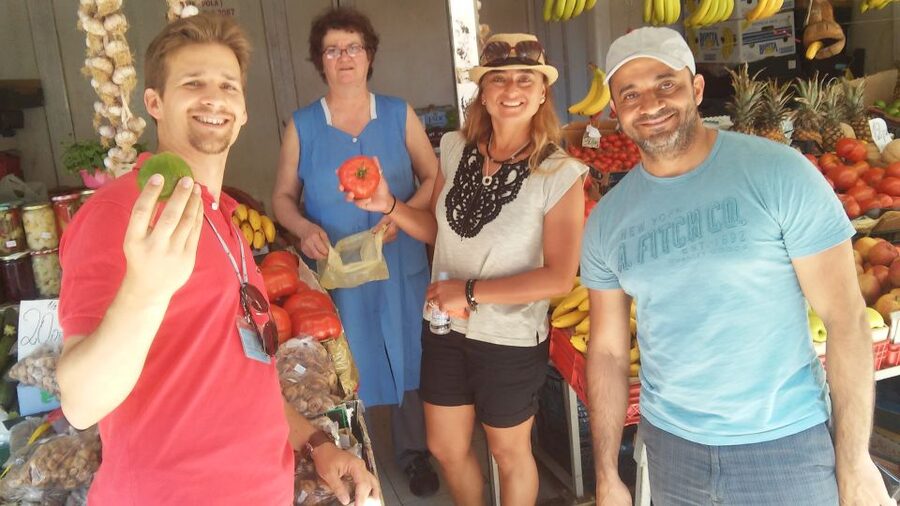
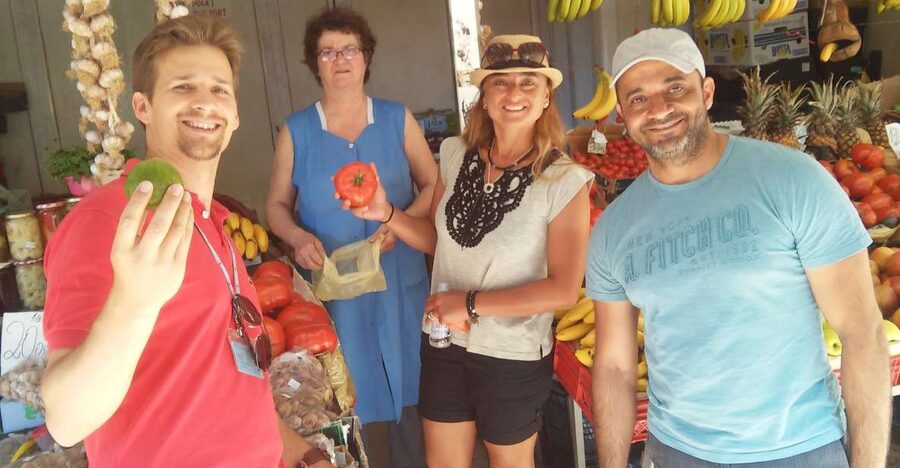
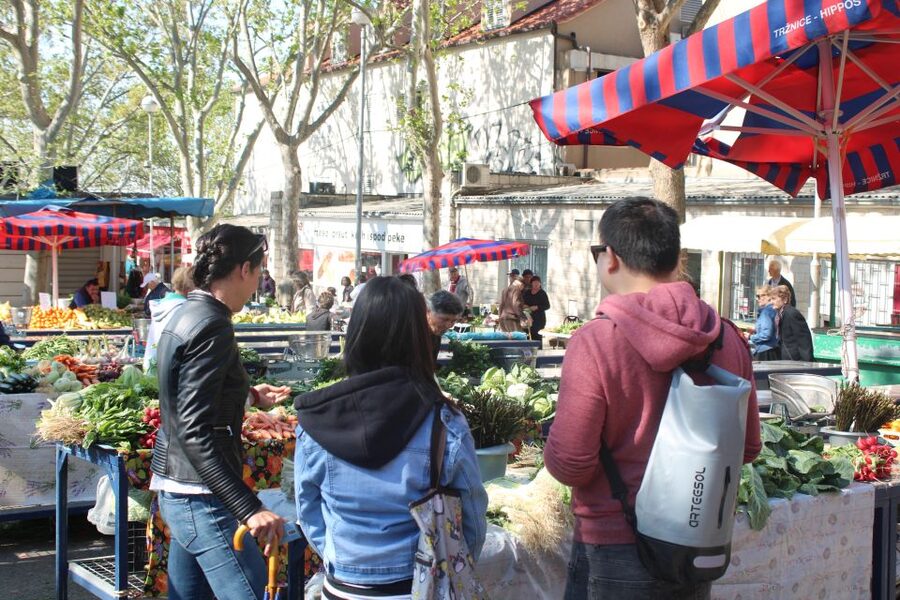
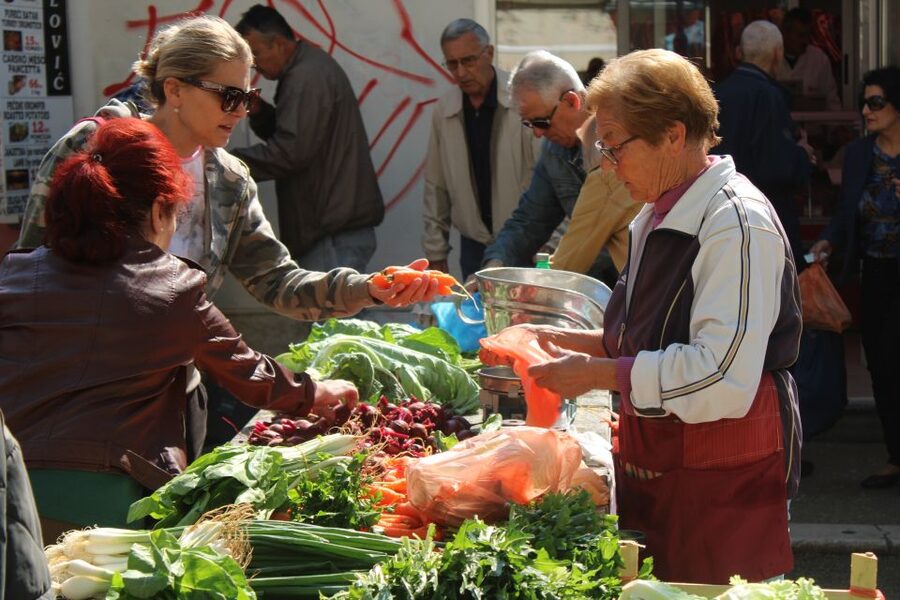
The Green Market is one of the tour’s most useful stops because it shows the ingredients behind the finished food. You will visit the Farmers’ Market and see the produce sold for everyday cooking. The exact selection can change, but the point is to understand how vegetables, herbs, oils, and other local products fit into Dalmatian meals.
I like this part because it gives context to the tastings that follow. You are not simply handed a piece of bread with olive oil. You have already seen the kind of produce that appears in local kitchens, and the guide can explain how home cooking and market shopping connect.
This is also a good place to ask questions. If you have noticed unfamiliar vegetables, preserved foods, or jars of local products in shops, this is your chance to learn what they are used for. The tour is designed around snacks, but the market visit keeps the focus on food as part of daily life.
Do not expect a long shopping session. Two hours goes quickly, and the route includes several stops. If you want to buy ingredients for your own kitchen, you may need to return later with more time and a bag.
The Fish Market: where Dalmatia meets the Adriatic
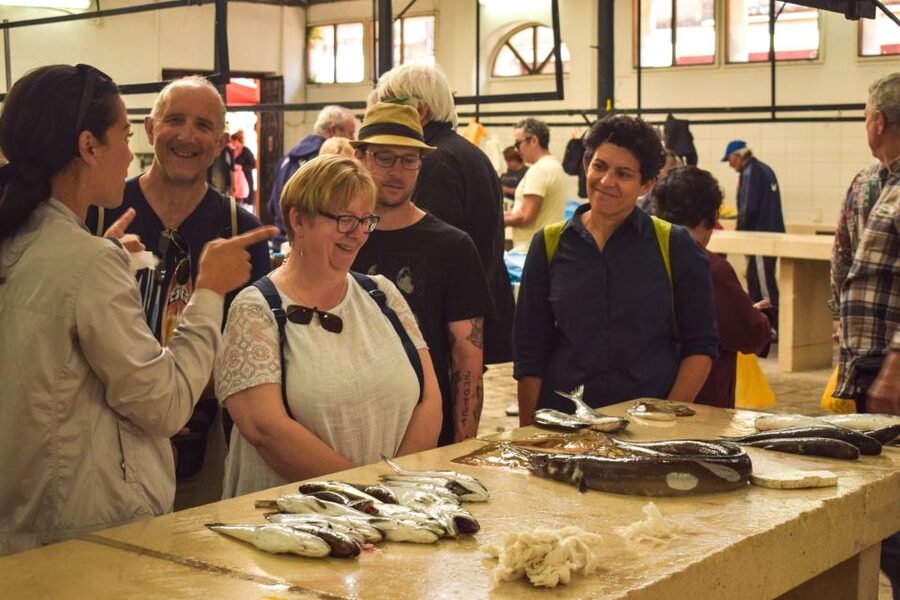
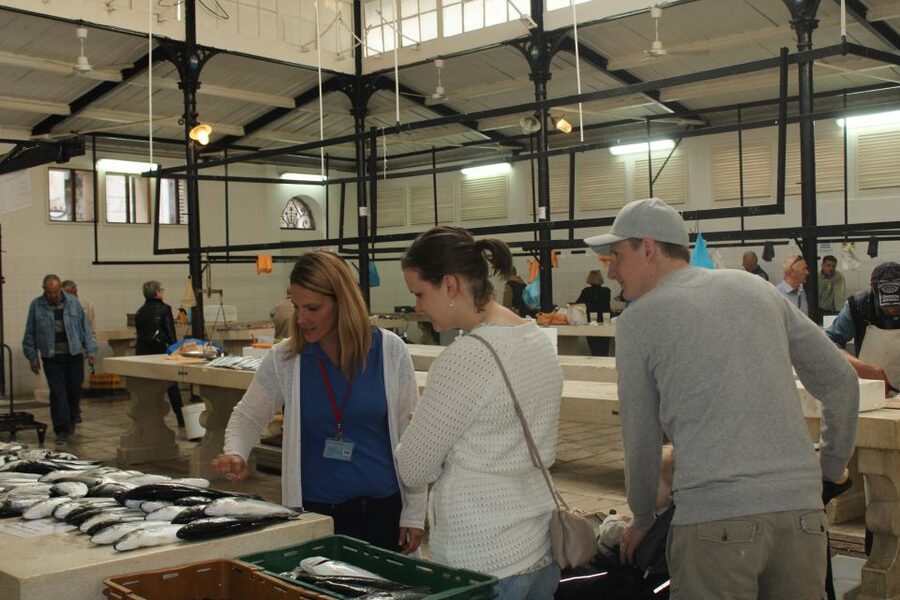
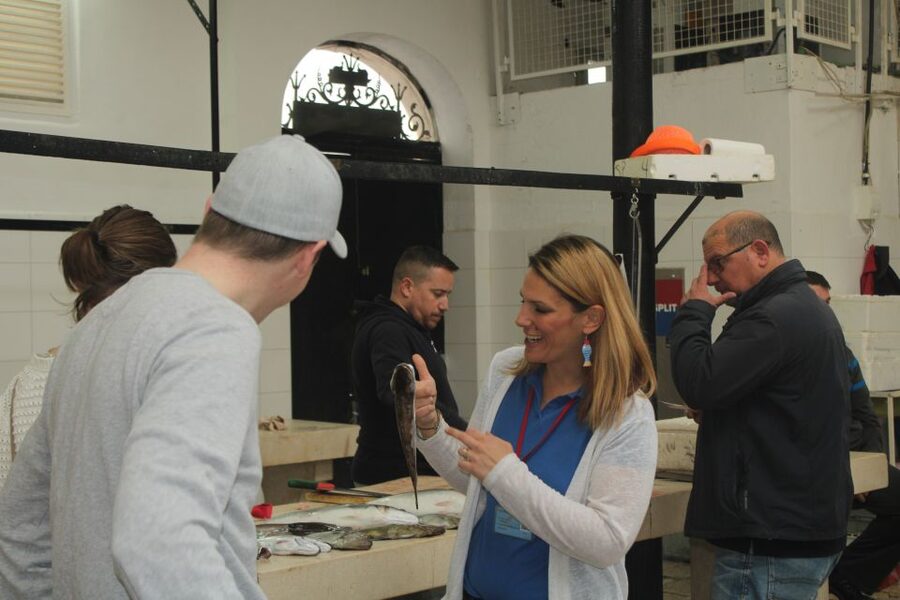
The Fish Market adds the sea to the story. Split’s coastal location shapes its cooking, and the fish stop gives you a direct look at that connection. You will taste salted anchovies and hear about seafood traditions that have been part of local meals for generations.
Some earlier versions of this type of experience have included choosing fish at the market and having it cooked for lunch. Do not assume that is part of this two-hour booking. The included program lists food and snack tastings, not a full restaurant lunch. If a cooked meal or a longer wine experience matters to you, confirm exactly what is included before booking.
Still, the market visit has value even without lunch. It shows you the ingredients in their original setting and gives the guide a chance to explain preparation and preservation. Salted anchovies, for example, are not just a salty bite. They reflect the practical side of coastal cooking, where preserving the catch helped keep food available beyond the day it was brought in.
The Fish Market can also be a livelier stop than the pastry shops later in the walk. If you prefer quiet, polished food venues, this may feel rough around the edges. That is part of its appeal, but it is worth knowing before you go.
Soparnik, prosciutto, and the savory heart of the tasting
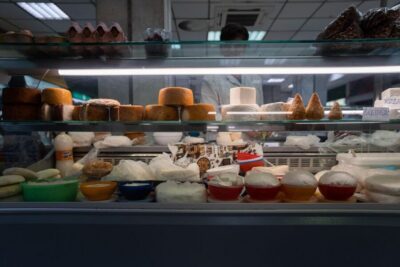
The food samples are built around familiar Dalmatian staples rather than elaborate restaurant dishes. You may taste Dalmatian prosciutto with homemade bread, cheese, Soparnik, salted anchovies, almonds in sugar, olive oil, and local wine.
Soparnik is one of the most distinctive items on the list. It is a traditional savory pastry associated with Dalmatian cooking, and tasting it with an explanation gives you more than a quick bite. You learn how a simple dish can become a marker of regional identity.
The prosciutto and bread offer a different lesson. The combination is direct and satisfying, with no need for a complicated presentation. It is the sort of food that helps you understand why local cooking often depends on good ingredients, careful curing, and simple pairings.
The olive oil tasting is another strong feature. Oil can look like a minor part of a meal, but in Dalmatia it is central to the way food is prepared and served. Try it carefully, then notice how the flavor changes when you taste it with bread or alongside salty foods.
The amount of food is meant to be a tasting, not a full lunch. One four-star assessment described the portions as just right, while other bookings have included enough samples to make the experience feel generous. Arrive ready to eat, but do not expect a large sit-down meal.
A few more things to do in Split worth a look
- From Split: Krka Waterfalls, Food & Wine Tasting Tour
★ 5.0 · 9,326 reviews - From Split: Krka Waterfalls, Food & Wine Tasting Tour
★ 4.9 · 6,598 reviews - Split: Blue Lagoon and 3 Island Cruise with Food and Drinks
★ 4.8 · 1,969 reviews - Krka National Park Tour with tour Guide & Wine tasting from Split & Trogir
★ 5.0 · 1,625 reviews
Chocolate with a record, then Split’s oldest pastry shop
The sweet stops keep the walk from becoming a parade of cured meat and fish. The local chocolate shop is especially unusual because it holds a Guinness World Record. That gives you a memorable story to attach to the tasting, even if you are not normally interested in chocolate shops.
The stop at the city’s oldest pastry shop adds a different kind of character. Here, the focus is on the long life of traditional sweets and the local habit of finishing a meal with something sweet. The tour does not simply tack on dessert at the end. It shows how pastries and confectionery fit into Split’s food culture.
This part should appeal to anyone with a sweet tooth, but it is also useful for people who want practical ideas for later. You can note which pastries appeal to you and return on your own. Since the tour moves quickly, you may not have much time to browse or choose extra items, so plan a return visit if one of the sweets catches your attention.
The chocolate and pastry stops also soften the tour’s pace. After the markets and savory samples, you get a calmer finish in specialty shops before walking back to the Golden Gate.
What the guides add to the experience
The strongest praise for this experience centers on the guides. Marta has been described as friendly, engaging, and able to answer questions about both food and local culture. Antonio has been praised for explaining the history behind the dishes and for leading a well-organized route. Antonia has been noted for thorough explanations and generous samples.
Jakov brings a different strength. He has a background in history and cooking, so he can connect the food to Split’s past while also sharing practical cooking tips. Other guides have included Darko, Ivan, Ancia, and Duke, particularly on related food, wine, and olive oil experiences.
Your guide may not be one of these people, and the exact personality will vary. That is normal with a local walking tour. What you can reasonably expect is an English-speaking guide who explains each tasting instead of simply handing it over.
If you are curious and ask questions, the private format should work well. You can ask for help choosing a Dalmatian restaurant later, clarify what you tasted, or learn how local people use an ingredient at home. That personal exchange is one of the main reasons to choose this over a larger group tasting.
Timing, walking, and the private-group price
The tour lasts two hours and returns to the Golden Gate. It is a walking experience through central Split, with several indoor and market stops. One booking began an hour earlier than planned to avoid cruise ship crowds, which can be a smart adjustment on busy days. Ask about the starting time when you book, especially if a ship is in port.
The walk is described as manageable rather than strenuous. You cover enough ground to see several food stops, but you are not spending the whole morning on foot. Still, wear comfortable shoes. Split’s old center has stone surfaces, stairs, and uneven sections.
At $176 per group of up to two, the price is not cheap for a two-hour tasting. For a couple, that works out to $88 per person, with a private guide, several tastings, market visits, and a focused introduction to Dalmatian food. The value improves if you want personal attention and do not want to join a larger group.
For a solo visitor, the price is harder to justify unless privacy and flexibility matter a great deal. For three or four people, check the exact group pricing before booking, since the stated rate specifically covers a group of up to two.
The reserve-now-and-pay-later option helps if your schedule is still changing, and cancellation is free up to 24 hours before the tour. Children must be accompanied by an adult, unaccompanied minors are not allowed, and the minimum drinking age is 18.
The wine question: included tasting or separate tour?
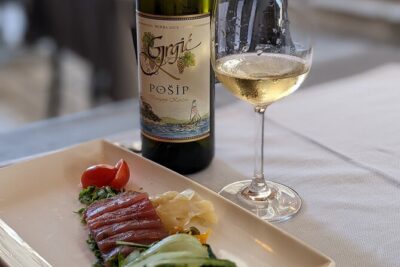
Local wine is included among the tasting items, but that does not necessarily mean a full wine-tasting session. A separate wine and olive oil experience has also been offered at another time of day, sometimes with a gap between the food tour and the wine tour.
That distinction matters. If your main goal is a serious comparison of several Croatian wines, book or confirm the dedicated wine option rather than assuming the food tour will provide it. One past food booking included a smaller wine component, while related wine experiences offered more focused tasting.
For the food tour itself, wine works as a pairing and a way to introduce local drinks. It is not the central subject. Anyone under 18 can take part in the food experience but cannot drink alcohol.
Who should book this Split food walk?
I would recommend it to a couple arriving in Split who want a quick orientation before choosing restaurants. It is also a good fit if you care about local food but do not want a long cooking class or a large group tour.
You will get the most from it if you enjoy asking questions and trying unfamiliar items. The tour covers salty, savory, oily, sweet, and alcoholic tastes, so it works well for curious eaters.
It may be less suitable if you need a full lunch, want a seated meal, use a wheelchair, or prefer a dedicated wine event. It is also not the best choice for someone who wants to spend a long time shopping at the markets. The schedule is designed to show you several places rather than linger at one.
Should you book the Split Private Food Tasting Tour?
Book it if you want a compact introduction to Dalmatian food with a local guide who can explain the story behind each bite. The Green Market, Fish Market, record-holding chocolate shop, and oldest pastry shop give the route more variety than a simple restaurant tasting.
The $176 price makes the most sense for two people sharing a private booking. Confirm the wine details if that is important, and do not confuse this two-hour tasting with a possible separate fish-cooking lunch or wine tour. If you accept those limits, this is a friendly, useful way to get your bearings in Split through the food locals have eaten for generations.
FAQ
Where does the Split food tasting tour begin?
The tour begins at the Golden Gate of Diocletian’s Palace, down the stairs from the bronze statue of Gregory of Nin. Look for a guide carrying a blue umbrella.
How long does the tour last?
The food tasting tour lasts two hours and finishes back at the Golden Gate.
What markets does the tour visit?
You visit Split’s Farmers’ or Green Market and the Fish Market.
What food is included in the tasting?
The tasting can include Dalmatian prosciutto, cheese, almonds in sugar, Soparnik, salted anchovies, homemade bread, olive oil, local wine, and other traditional snacks.
Does the tour visit a chocolate shop?
Yes. The route includes a local chocolate shop associated with a Guinness World Record.
Does the tour visit a pastry shop?
Yes. You visit the oldest pastry shop in the city and taste local sweets and pastries.
Is the tour conducted in English?
Yes. A licensed live guide conducts the tour in English.
Is hotel pickup included?
No. Hotel pickup is not included. You meet the guide at the Golden Gate.
Is the tour suitable for children and wheelchair users?
Children must be accompanied by an adult, and unaccompanied minors are not allowed. The tour is not suitable for wheelchair users. The minimum drinking age is 18.
Just added in Split
- From Trogir, Seget, Okrug: Krka Waterfalls & Šibenik Culture Tour★ 5.0 · 10 reviews
- Krka Waterfalls & Primošten from Trogir, Seget, Čiovo & Kaštela★ 5.0 · 18 reviews
- Slatine – Island Hopping Excursion (Trogir/Blue Lagoon/Shipwreck)★ 4.0 · 24 reviews
- Island Hopping Boat Excursion with Lunch (Trogir,Blue Lagoon, Šolta)★ 3.5 · 6 reviews
- From Split & Trogir: ATV Quad Tour on Island Čiovo★ 5.0 · 21 reviews
- Split: Sunset Guided Kayaking Tour★ 4.8 · 71 reviews
- Split Sunset Stand Up Paddle Tour★ 5.0 · 16 reviews
- Stand Up Paddle Tour in Split★ 4.7 · 17 reviews
Food & Olive Oil Tasting Tours, compared.
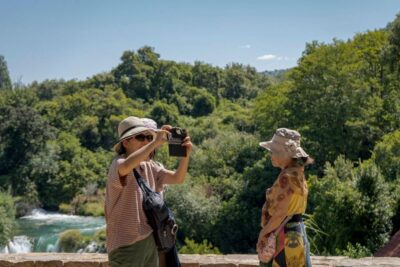
Krka Waterfalls With Boat Cruise, Wine and Olive Oil
Read our review →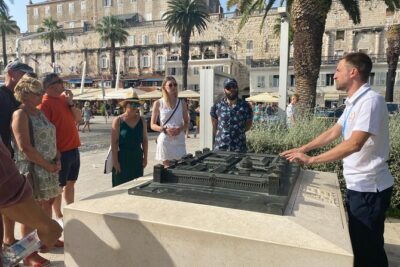
Split Food Tour: Discover Split One Bite At A Time
Read our review →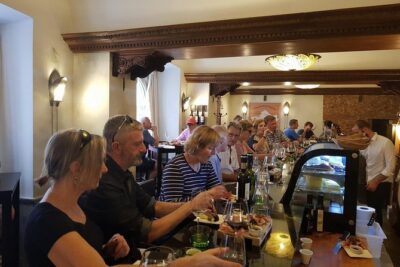
Dubrovnik Old Town Food Tour: Small-Group Experience
Read our review →
Browse the lists this tour appears in