
Reviewed · FOOD & OLIVE OIL TASTING TOURS
Wine, food and olive oil by PhD student
Dubrovnik’s food traditions make more sense when you taste them alongside the city’s past. This three-hour Old Town walk links four family-run places with olive oil, four Croatian wines, seafood, meat, and dessert, while an enologist guide explains what is in your glass and on your plate.
I like the small maximum of 12 people, which keeps the tastings personal, and I like the guide’s academic wine background. Guides such as Dom can add local stories about Dubrovnik as well as practical help with Croatian wine and olive oil. The main consideration is the price: at $205.59 per person, this is a serious splurge, though much of your food and drink is included.
Key points
- Four family-run stops: Taste olive oil, four wines with four dishes, and dessert in separate Old Town locations.
- Award-winning Croatian products: The olive oil tasting includes two extra virgin oils recognized at the New York International Olive Oil Competition.
- A proper meal, not just nibbles: The menu covers fish, seafood, two meat dishes, and dessert.
- Wine expertise with local context: Your English-speaking guide is an enologist with a master’s degree and is also a PhD student in wine.
- Dubrovnik history between bites: The route passes major sights, quiet lanes, the old granary, and Rector’s Palace.
- Best for food-minded first-day planning: The walk can help you get your bearings and choose what to eat and drink during the rest of your stay.
A food walk through Dubrovnik’s stone streets
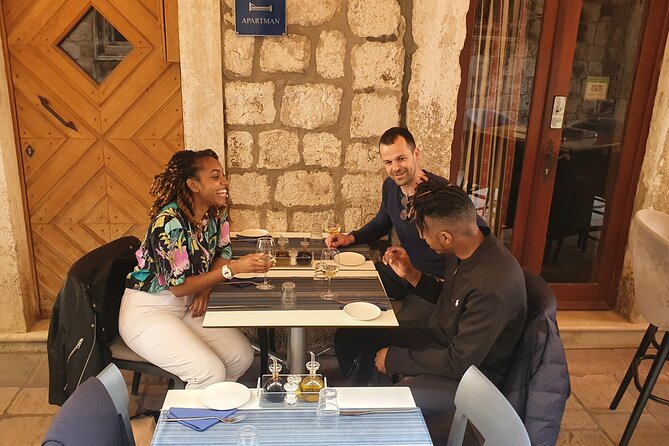
This experience uses Dubrovnik’s Old Town as more than a backdrop. You walk from the Large Onofrio’s Fountain toward Rector’s Palace, stopping at small local businesses instead of sitting in one restaurant for the whole afternoon.
That format suits me. Dubrovnik can feel like a city built for sightseeing from one landmark to the next, but food gives you another way to understand it. You learn how local ingredients, old recipes, nearby vineyards, and the Adriatic fit together.
The walk begins at 4 p.m. and lasts about three hours. That timing gives you an afternoon meal that gradually becomes dinner, with the final dessert near the end of the route. You should arrive ready to eat, but not ravenous. Four dishes, wine, olive oil, and dessert add up to a full meal.
The tour is offered in English and uses mobile tickets. The maximum group size is 12, a useful limit in Dubrovnik’s narrow lanes and compact restaurants. The overall rating is 4.9 from 111 ratings, and 98 percent of customers recommend it. Those figures do not remove the need to consider the cost, but they do point to a consistently strong experience.
More tastings within reach of Dubrovnik:
- Sunset Sea Kayaking and Wine Dubrovnik
★ 5.0 · 949 reviews - Dubrovnik: Sunset Zip Line Experience Followed by Wine
★ 4.9 · 921 reviews - Dubrovnik: Sunset Kayaking & Snorkeling with water &wine
★ 5.0 · 599 reviews
Starting at Large Onofrio’s Fountain
Meet at Large Onofrio’s Fountain, near the Pile Gate side of the Old Town. The fountain is easy to recognize, and it gives the tour an immediate sense of place.
Here, the guide discusses the peak period of the Dubrovnik Republic and the engineering work that brought water into the city. That opening matters because it connects an everyday need, drinking water, to Dubrovnik’s political and commercial success.
From there, the route passes Revelin Fort, Ploče Gate, Lazareti, the Franciscan Monastery, Rupe Museum, the farmers market, the Jesuit Stairs, and Rector’s Palace. You will not get a full guided visit inside every sight. Instead, these landmarks provide short history lessons as you move through the city.
I like this approach for someone visiting Dubrovnik for the first time. You get a quick map of the Old Town while learning why its gates, forts, markets, and palaces matter. If you want long architectural lectures or museum interiors, this is not the right tour. If you want useful context between food stops, it works well.
The olive oil lesson comes first
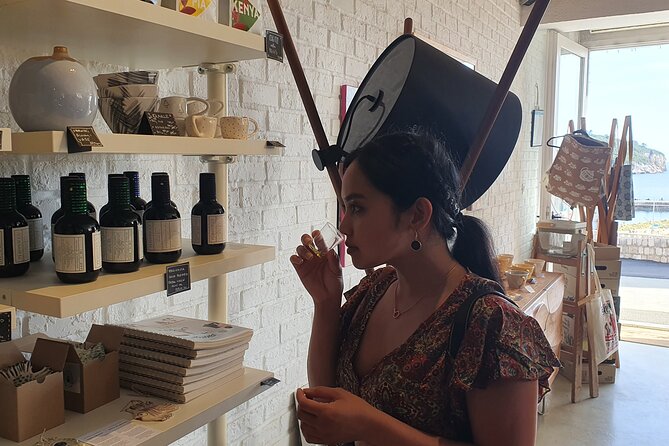
The first tasting focuses on extra virgin olive oil. A licensed olive oil sommelier leads a guided evaluation lasting about 15 minutes, using two Croatian oils that received awards at the New York International Olive Oil Competition.
This is more useful than simply dipping bread into oil and declaring it good. You learn how to recognize the main features of extra virgin olive oil, including the qualities that separate a fresh, well-made oil from a bland or tired one.
The short format is a good choice. Olive oil tasting can become technical, but 15 minutes gives you enough instruction to pay attention without turning the afternoon into a class. You can use the lesson later at a market, restaurant, or shop when comparing bottles.
The inclusion of two award-winning oils also gives the tasting a clear purpose. You are not sampling a random table condiment. You are learning how to assess products from Croatia, a country with several important olive-growing areas and a strong local food culture.
You should note that this is an evaluation, not a full cooking workshop. The supplied details do not promise a bottle to take home, an olive orchard visit, or a long lesson in production methods.
Four dishes and four Croatian wines
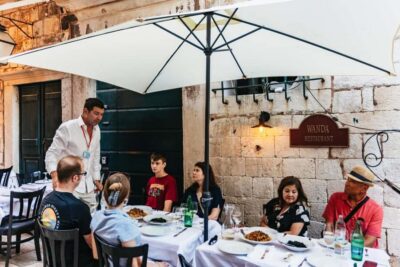
After the olive oil, the tour moves to two restaurants for four dishes paired with four wines. The meal includes seafood, fish, two meat preparations, and dessert at a final stop.
That range is one of the strongest reasons to book. You are not limited to one seafood plate or a single glass of local wine. The menu shows how Croatian food shifts between the Adriatic, inland cooking, old recipes, and regional grape varieties.
Same base, a different kind of day out:
- Blue Cave Small-Group Boat Tour from Dubrovnik
★ 5.0 · 9,360 reviews - Full-Day Dubrovnik Elaphite Islands Cruise with Lunch and Drinks
★ 5.0 · 8,823 reviews - Dubrovnik: Epic Game of Thrones Tour + Lokrum & Saver Option
★ 4.9 · 5,995 reviews - Dubrovnik: Elaphiti Islands Full-Day Cruise with Lunch
★ 5.0 · 5,938 reviews
Fish with Croatian white wine
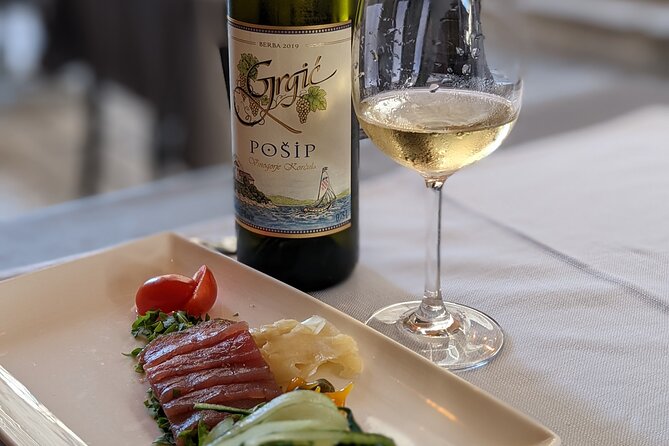
The first main dish is fish with a Croatian white wine. The grape is a Croatian variety recognized by Decanter in 2021.
This pairing gives the guide a chance to explain how local white wines work with delicate seafood. The value is not only in the dish itself. You also get a reference point for future restaurant orders in Dubrovnik, where a local white may be a better choice than a familiar international label.
Seafood with another white wine
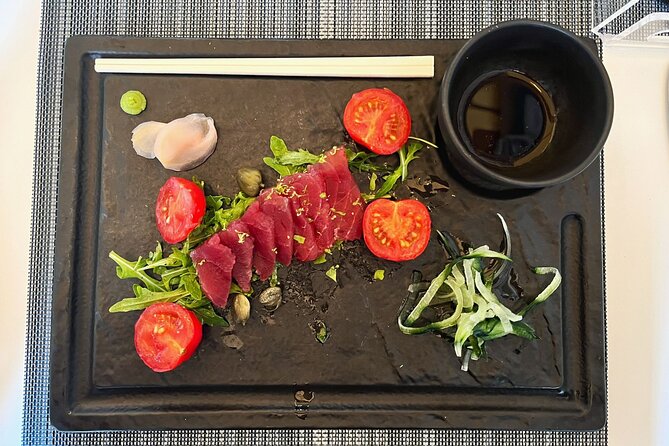
The next course is seafood with another Croatian white wine, again made from a variety recognized by Decanter in 2021.
Having two white wines with separate seafood dishes lets you compare them side by side in a practical way. You can pay attention to differences in aroma, weight, acidity, and finish without needing advanced wine vocabulary.
The exact seafood preparation can vary, so do not book expecting one particular shellfish or recipe. What is promised is a locally produced dish and a Croatian white wine pairing.
A 16th-century meat recipe
The third main course is a meat dish prepared from a recipe dating to the 16th century. It is paired with a locally produced white variety recognized by Decanter in 2017.
This may be the most historically interesting food stop. Dubrovnik’s position on the Adriatic brought outside influences to its kitchens, while local cooks developed dishes suited to what was available. An old recipe gives you a direct connection between the city’s past and its table.
The wine pairing also keeps the meal from becoming predictable. Many people expect red wine with meat, but a white wine can make sense depending on the recipe, seasoning, and preparation. The guide’s job is to explain that choice rather than leave you guessing.
Meat with Croatia’s key red grape
The fourth main dish is served with Croatia’s most important red variety, from the oldest protected wine-growing zone in the country near Dubrovnik.
This is the tour’s strongest regional wine moment. You are tasting a red linked directly to the area around the city, not simply drinking a generic Croatian bottle. The guide can place the wine in its local setting and explain why this grape matters.
The menu description does not name the dish or the exact wine. That is worth remembering if you need to plan around allergies or specific dietary rules. For a general food-and-wine tasting, though, the progression from white wines to a regional red gives the meal a good shape.
Dessert closes the route near Rector’s Palace
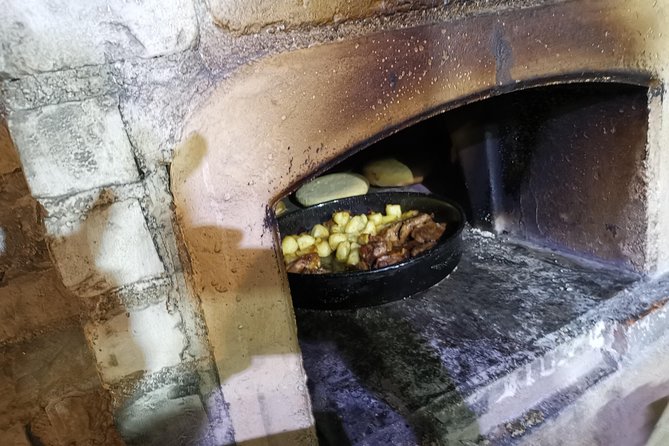
The final stop is for dessert, and the walk ends at Rector’s Palace. This provides a natural finish to both the meal and the history thread.
Rector’s Palace was the center of political power in the Dubrovnik Republic. It is an apt place to discuss how the republic was governed and how its aristocracy handled pressure from stronger neighbors.
The guide also explains the political system and the tactics used by Dubrovnik’s ruling class to protect the city’s independence. That subject adds depth to the tour without requiring a separate history excursion.
You should expect a tasting walk with historical commentary, not a formal tour of Rector’s Palace’s interiors. The endpoint is useful for continuing your evening in the Old Town, and it gives you a clear location for planning onward transportation or dinner.
The off-route details make the walk worthwhile
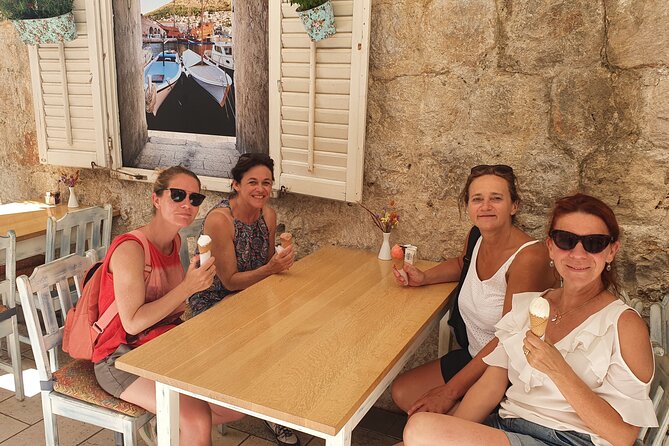
The most appealing part of the itinerary is not just the list of famous sights. The route includes less obvious corners and views across the Old Town rooftops.
You pass the 16th-century granary of Dubrovnik, now associated with the Rupe Museum. A granary may sound less dramatic than a fortress or palace, but it tells you about storage, food supply, and the practical work needed to keep a walled republic running.
You also pass the farmers market. This is a fitting stop on a food-focused walk because it connects the prepared dishes to the ingredients sold in the city. The tour does not promise a market tasting or shopping time, so treat it as a point of commentary rather than a separate market visit.
The Jesuit Stairs and other uphill sections add visual interest but may require a little effort. The information provided says most people can participate, but it does not promise a step-free route. If stairs are a concern, ask the provider before booking.
What the guide adds
The guide is a local enologist with a master’s degree and is studying for a PhD in wine. That background is important because this is not simply a restaurant crawl.
A guide with formal wine training can explain why a particular grape works with fish, how to assess olive oil, and what makes a regional bottle distinctive. The historical knowledge also matters. The tour is stronger when the same person can discuss wine production, food traditions, Dubrovnik’s engineering projects, and the old political system.
Dom is specifically praised in the supplied feedback. If he is leading your departure, you can expect strong attention to local wine, olive oil, and Dubrovnik history. He was also described as willing to answer wine questions after the tour, including questions sent from the airport duty-free shop. That suggests useful practical help for anyone hoping to buy Croatian wine later.
You cannot guarantee a particular guide unless the provider confirms it. Still, the qualifications and structure of the tour make the guide central to the experience. If you prefer to explore restaurants quietly without much explanation, this may feel too guide-led. One three-star assessment found the experience more focused on the guide than on personal preferences and considered the food straightforward. That is a fair caution.
Is $205.59 good value?

At $205.59 per person, this is expensive for a three-hour activity. The price makes more sense when you count what is included: a small-group walk, an olive oil sommelier session, four dishes, four wines, dessert, and a specialist guide.
You are also paying for access to several family-run places rather than one standard restaurant meal. The tour removes the work of choosing where to eat, ordering unfamiliar wines, and judging which local products are worth your money.
Still, the price will not suit every budget. If your goal is simply to eat a filling Croatian meal, you can spend less by choosing a restaurant yourself. If your goal is to understand Dubrovnik’s food and wine while seeing the Old Town with a specialist, the cost is easier to defend.
I would book this early if it fits your budget. It is booked an average of 77 days in advance, which suggests that popular dates can disappear well before a Dubrovnik trip. It is especially useful on your first day, when the route can help you get oriented and give you ideas for later meals.
Who should book this experience?
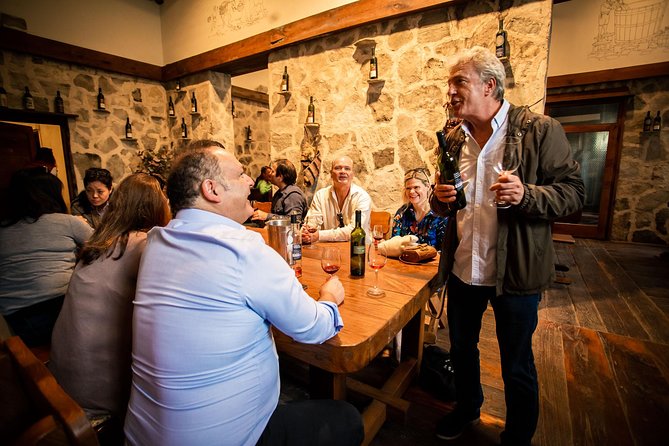
I would recommend it to you if you enjoy learning while eating. The tour suits wine drinkers, food-focused visitors, couples, and small groups who want Croatian products explained rather than simply served.
It is also a good match for people who want both food and sightseeing in one afternoon. You see major Old Town landmarks, hear about Dubrovnik’s government and engineering, and eat a substantial meal without arranging four separate stops.
Families with children should consider the alcohol rule carefully. Wine tasting is available only to people aged 18 and over. The information says most people can participate and service animals are allowed, but it does not provide a separate child menu or nonalcoholic tasting plan.
I would hesitate if you have strict dietary restrictions, dislike guided conversation, or want a private experience at the lowest possible price. The tour has a maximum of 12 people, not a private group by default. A private option may be worth asking about if available, especially since personal attention is one of the qualities associated with Dom’s guiding style.
Cancellation is free up to 24 hours before the 4 p.m. start time. Changes or cancellations inside that window are not refunded, and poor weather can lead to a new date or full refund. Keep the weather rule in mind because this is a walking tour.
Should you book the Dubrovnik food and wine walk?
Book it if you want a full meal, serious local wine, a focused olive oil lesson, and Dubrovnik history in one compact outing. The four-course structure gives you more substance than a snack-based tasting, while the small group keeps the experience from feeling like a large bus excursion.
The strongest reasons to go are the specialist guide, the family-run food stops, and the chance to compare Croatian wines with dishes chosen for them. The main reasons to pause are the high price, the guide-led format, and the lack of detailed information about dietary substitutions.
For a first afternoon in Dubrovnik, I think this is one of the better ways to get your bearings through food. Book it for the education and range, not simply for a cheap lunch.
FAQ
Where does the tour begin?
The tour begins at Large Onofrio’s Fountain, at Poljana Paska Miličevića in Dubrovnik’s Old Town.
Where does the tour end?
The tour ends at Rector’s Palace, at Ul. Pred Dvorom 3 in Dubrovnik.
What time does the experience start?
The scheduled start time is 4 p.m.
How long does the tour last?
The tour lasts approximately three hours.
How many people can join the tour?
The maximum group size is 12 people.
Is wine tasting available to all ages?
No. Wine tasting is available only to customers aged 18 and above.
What happens if bad weather cancels the tour?
If poor weather causes cancellation, you will be offered a different date or a full refund. You can also cancel up to 24 hours before the start time for a full refund.
More food and drink tours in Dubrovnik
- Dubrovnik Food and Drink Walking Tour with a Local Guide
★ 5.0 · 654 reviews - Dubrovnik Gastronomy: 3-Hour Food and Wine Tour
★ 4.9 · 249 reviews - Ston and Korcula Island Day Trip from Dubrovnik with Wine Tasting
★ 4.0 · 130 reviews - Sunset and Wine / Dubrovnik Sunset Tour and Premium Wine Tasting
★ 5.0 · 113 reviews
More food and olive oil tastings in Dubrovnik
- Dubrovnik Old Town Food Tour: Small-Group Experience
★ 5.0 · 419 reviews - Dubrovnik: Old Town Food Tour
★ 4.8 · 119 reviews - Half-Day Wine and Food Tasting from Dubrovnik
★ 4.5 · 106 reviews - Pelješac Full-Day Wine and Food Tour from Dubrovnik
★ 5.0 · 72 reviews
Just added in Dubrovnik
- Elaphiti Islands Private Dubrovnik Boat Unique Experience★ 5.0 · 10 reviews
- Full- Day Private Speedboat Tour in Dubrovnik on Elaphiti Islands★ 5.0 · 21 reviews
- Wine tour peninsula Pelješac★ 5.0 · 3 reviews
- PRIVATE Wine Tour to Konavle country side★ 5.0 · 11 reviews
- Dubrovnik at War 1991-1992 Private Walking Tour★ 5.0 · 4 reviews
- Welcome to Dubrovnik Walking Tour★ 5.0 · 36 reviews
- City Walls of Dubrovnik★ 5.0 · 70 reviews
- Walls of Liberty: A Self-Guided Audio Tour of Dubrovnik★ 3.5 · 3 reviews
Food & Olive Oil Tasting Tours, compared.

Krka Waterfalls With Boat Cruise, Wine and Olive Oil
Read our review →
Split Food Tour: Discover Split One Bite At A Time
Read our review →
Dubrovnik Old Town Food Tour: Small-Group Experience
Read our review →
Browse the lists this tour appears in