
Reviewed · FOOD & OLIVE OIL TASTING TOURS
Split: Olive museum Klis with Olive Oil Tasting
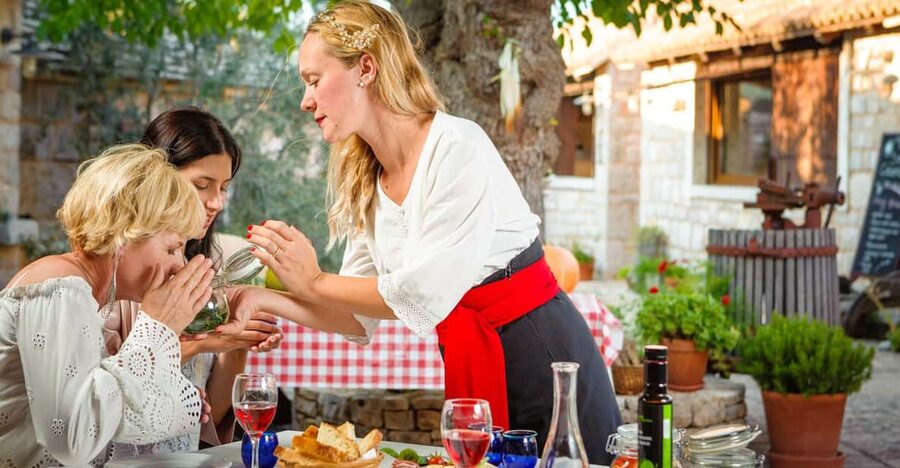
The clever part of this Stella Croatica visit is that olive oil is not treated as just another souvenir. You learn how to smell and taste it properly, then compare two oils labeled extra virgin and discover why that label alone does not guarantee quality. The Olive Oil Museum was a finalist for the European Museum of the Year Award in 2023.
I like the mix of hands-on tasting and everyday Dalmatian food traditions. I also like that the visit includes the botanical collection, traditional sweets, natural cosmetics, and time to browse the family estate instead of rushing you out after the museum.
The main consideration is that the site does not put you among working olive groves. One experience found the museum guide rather dull, and the museum itself may feel modest if you are not especially interested in olive oil. At $18 per person, it is good value for a focused cultural stop, but not an essential sight for every itinerary.
Key points to know before you go
- Two-oil tasting: Learn the basic tasting method, then compare two oils presented as extra virgin.
- Five hundred plant species: The botanical collection adds herbs, garden paths, and practical uses to the museum visit.
- More than an olive museum: You also see local products made from figs, almonds, oranges, and lavender.
- A practical family stop: Traditional sweets, cosmetics testing, and the shop make this easy to enjoy with children.
- Good value at $18: The fee includes admission, the guided tour, tastings, and free time on the estate.
- No olive groves on site: You see olive oil culture and production traditions, but not broad fields of olive trees.
What Stella Croatica near Klis actually offers
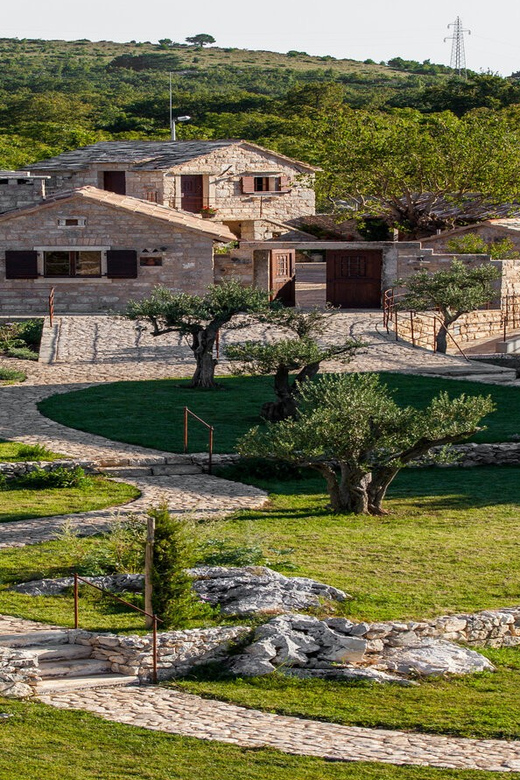
Stella Croatica is a traditional Croatian family estate in Dalmatia, close to Klis. The visit works best as a compact cultural outing rather than a grand museum day. You move through several parts of the estate, each showing a different piece of local food and plant life.
The olive oil display is the main reason to come, but it is not the only subject. You also see how regional products are prepared, learn how essential oils are extracted from Dalmatian herbs, walk through a botanical collection, sample sweets, and test natural cosmetics.
That variety matters. If you arrive with one person fascinated by olive oil and another who would rather look at gardens or shop for local products, you have enough here to keep both interested. The tradeoff is that no single section is enormous. Think of it as several short, connected experiences rather than one large attraction.
The tour is conducted in English, and you begin by entering the main building and waiting for your host. Follow the signs from the main road to Stella Croatica, then look for the host inside. The activity ends at the same meeting point, so there is no complicated return arrangement.
More eating your way around Split:
- Split: Krka Waterfalls With Boat Cruise, Wine and Olive Oil
★ 4.3 · 1,507 reviews - Split Food Tour: Discover Split One Bite At A Time
★ 5.0 · 433 reviews - Split: Food Tasting Walking Tour
★ 4.8 · 75 reviews
Watching local products take shape
The first part takes you into the factory area, where local women produce and pack traditional goods. The ingredients mentioned include figs, almonds, oranges, and lavender, all strongly tied to the food and scent traditions of Dalmatia.
This section gives the estate a useful sense of place. Instead of seeing only finished jars and packets in a shop, you get a look at the work behind them. It helps you understand why local products often focus on fruit, nuts, herbs, and preserved flavors rather than on elaborate restaurant-style dishes.
You also get to taste traditional sweets. The samples are included in the admission price, which makes this more than a sales stop. You can try the products before deciding if you want to buy anything.
The concept store offers the estate’s handmade goods at factory prices. That may be useful if you want edible gifts, lavender items, or other products to take home. You are free to browse without needing to buy, and the experience includes tastings rather than simply pointing you toward a cash register.
Dalmatian herbs, essential oils, and natural cosmetics
The next part explains how essential oils are extracted from typical Dalmatian herbs. Those oils are then used in natural cosmetics, giving you a practical link between the plants in the garden and the products in the shop.
You can test the natural cosmetics included with the experience. This is a small but worthwhile addition, especially if you like to compare scented products before purchasing them. It also makes the tour more tangible than a talk about herbs alone.
Do not expect a laboratory demonstration or a long technical lesson on extraction. The information is aimed at general visitors. You come away with a simple understanding of how local plants can become oils and cosmetic products.
The sensory element is important here. You smell, taste, and handle products throughout the visit. That makes the estate a better fit for someone who enjoys food and plant-based traditions than for someone seeking a formal museum filled with major historical objects.
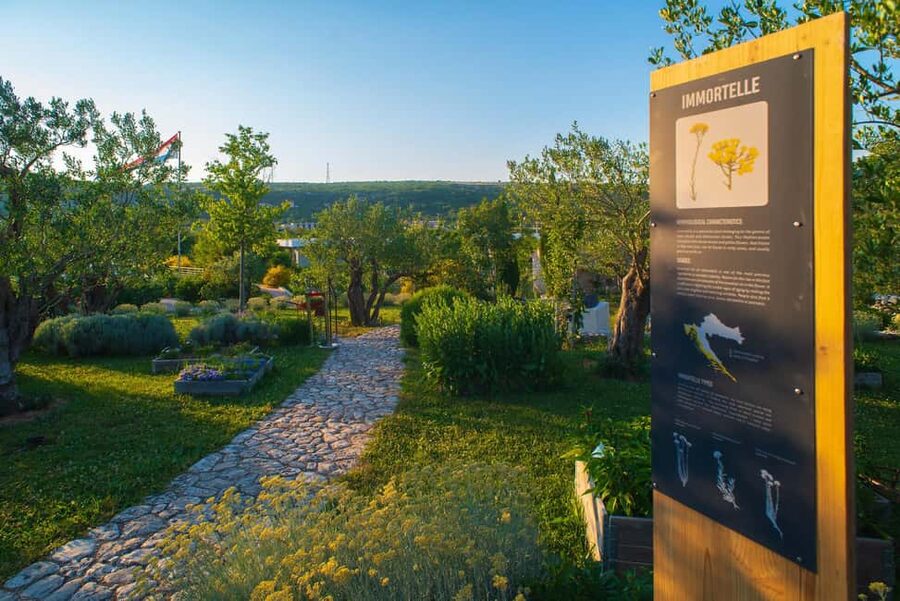
The 500-species botanical collection
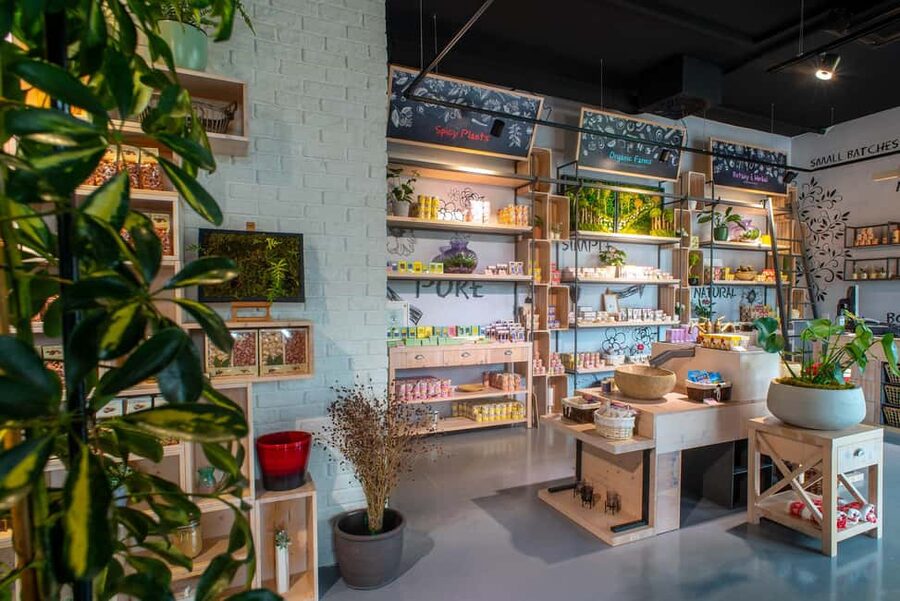
The botanical collection contains 500 species. As you walk through it, the host explains what some plants can be used for. That might mean culinary uses, scent, cosmetics, or traditional household purposes, depending on the plant.
The collection is described as scenic, but keep your expectations measured. One part of the experience is a small garden and old buildings, not an enormous public garden or a large olive-growing farm. You get a pleasant outdoor break between indoor sections, along with a closer look at plants common to the region.
This garden also helps explain the wider purpose of Stella Croatica. The estate is presenting Dalmatian products as part of a living tradition. The herbs are not simply decoration, and the food in the shop is not disconnected from the place. The plants, oils, sweets, and cosmetics all fit together.
If you are visiting with a child, the botanical section can provide a welcome change of pace. A nine-year-old was able to follow the explanations and take part in the tasting workshop, so families do not need to treat this as an adults-only activity.
A few more things to do in Split worth a look
- From Split: Krka Waterfalls, Food & Wine Tasting Tour
★ 5.0 · 9,326 reviews - From Split: Krka Waterfalls, Food & Wine Tasting Tour
★ 4.9 · 6,598 reviews - Split: Blue Lagoon and 3 Island Cruise with Food and Drinks
★ 4.8 · 1,969 reviews - Krka National Park Tour with tour Guide & Wine tasting from Split & Trogir
★ 5.0 · 1,625 reviews
Inside the Olive Oil Museum
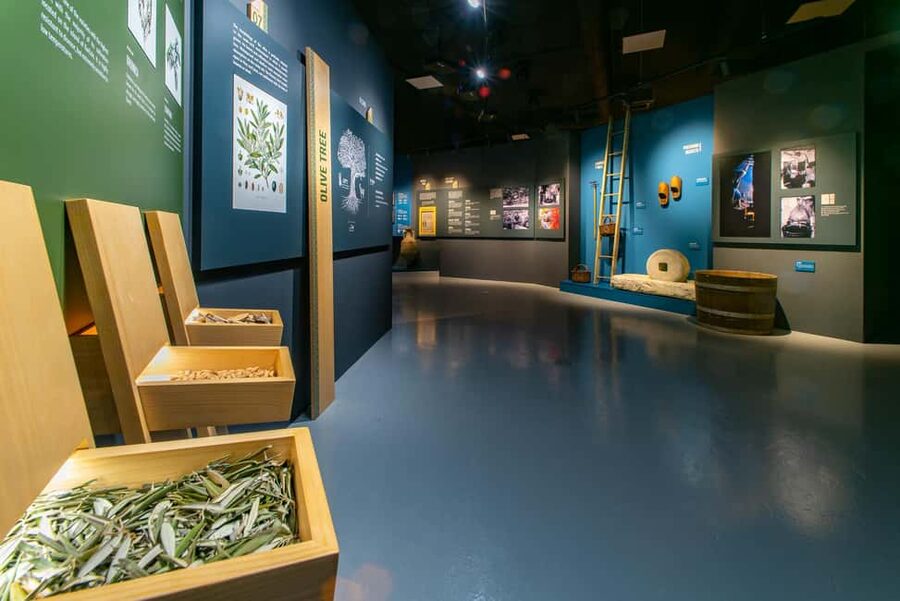
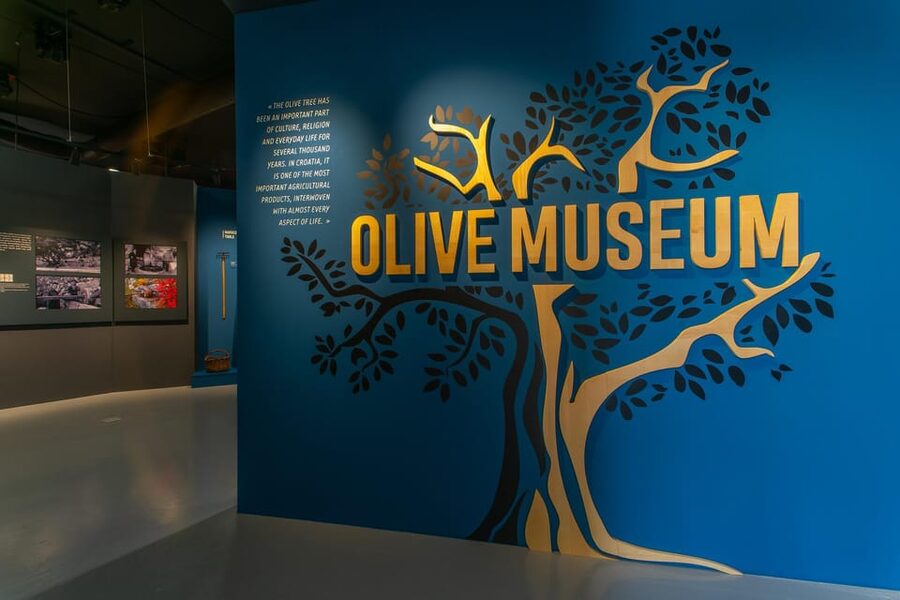
The Olive Oil Museum is the crown jewel of the estate. Its subject is liquid gold, the phrase often used for olive oil in Croatia and across the Mediterranean. The museum explains olive oil production and the role of this product in Croatian food culture.
Its 2023 finalist position for the European Museum of the Year Award gives you a useful sense of its ambition. Still, an award nomination does not mean the museum will suit every taste. One experience found the museum guide unenthusiastic and the displays less exciting than expected.
I would approach this section as an educational stop, not as a major blockbuster museum. If you are curious about how olive oil is made, classified, and judged, the information can be useful. If you need dramatic objects, huge collections, or a large historic site, you may find the presentation too quiet.
The museum does not sit among olive trees or broad fields of them. That is the clearest limitation. You learn about the oil at a family estate, but you do not get the full farm experience of walking through an olive orchard.
Learning to taste extra virgin olive oil
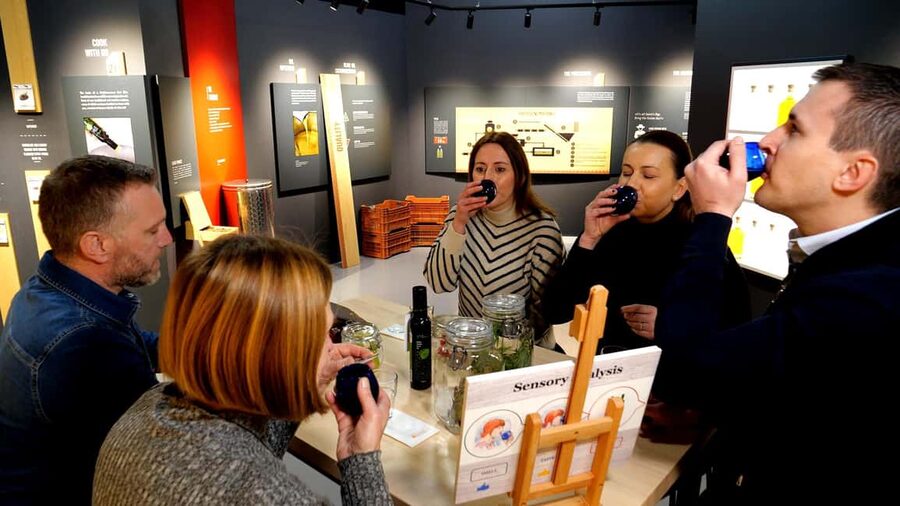
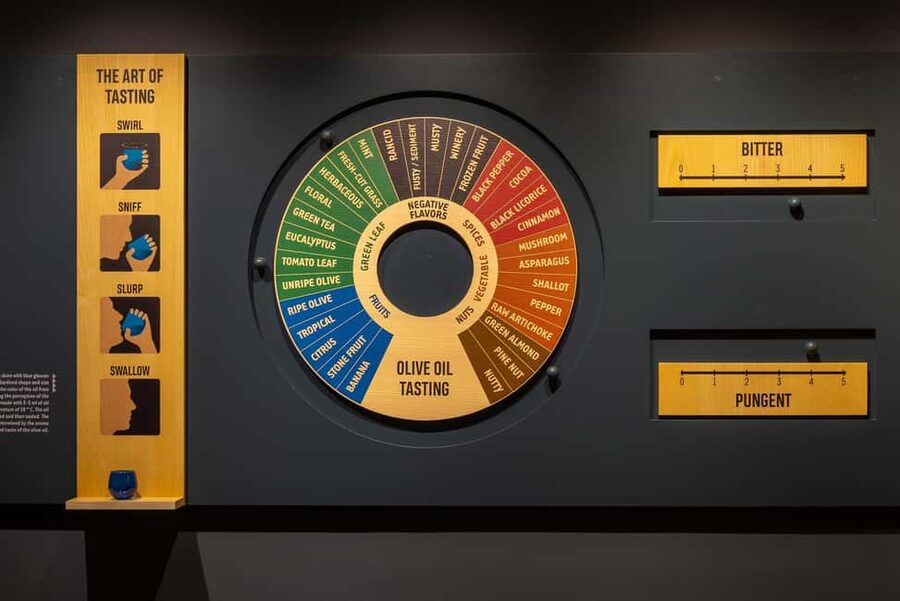
The tasting room is where the visit becomes most useful. The host first explains the basics of recognizing extra virgin olive oil through an interactive workshop. You learn how professional tasters use their senses, then apply those ideas yourself.
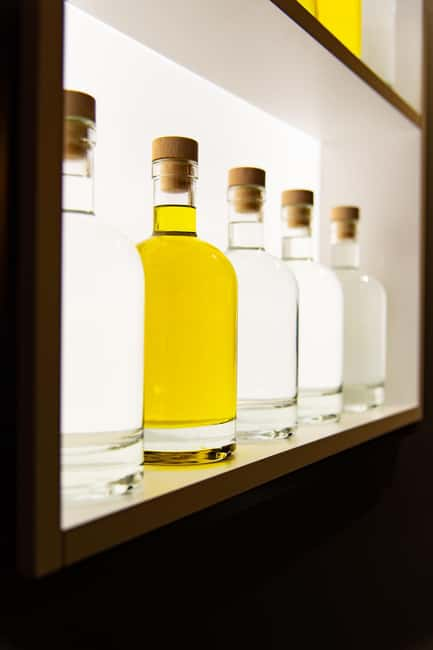
You taste two different oils, both labeled extra virgin. The point is not simply to decide which one you prefer. You are asked to notice differences in aroma and flavor and to understand that oils with the same label can still vary in quality and character.
This is the part I would pay close attention to. Olive oil is often judged by color or by the design of the bottle, but those clues tell you little. The tasting encourages you to use smell and taste instead. You may sniff the oil, take a small taste, and compare what you notice between the samples.
The session is presented in a clear, accessible way rather than as a professional certification course. You will not become an olive oil expert in one short workshop, but you will leave with a better method for choosing oil in a shop or restaurant.
The tasting host is described as friendly and well informed, while the museum presentation received a more mixed assessment. That distinction is useful. The strongest part of the educational program appears to be the practical tasting rather than the museum narration alone.
Why the $18 price makes sense
At $18 per person, the cost is modest for the amount included. Your admission covers the estate, the guided tour, the Olive Oil Museum, two olive oil tastings, traditional sweets, and natural cosmetics testing.
You are also paying for variety. A simple olive oil tasting might be cheaper, but it would not include the factory visit, botanical collection, museum, and shop. A standard museum ticket might offer more display space, but it would not give you food samples or a guided comparison of two oils.
The value depends on your interests. I would call it a good buy for anyone already planning a stop near Klis, particularly if you enjoy regional food, gardens, or hands-on demonstrations. It is less convincing as a special trip across the region for someone who has no interest in olive oil.
You can reserve now and pay later, which keeps the booking flexible. Cancellation is available up to 24 hours before the experience for a full refund. Food and drinks beyond the included tastings cost extra.
Free time after the guided portion
After the tasting, you have time to explore the park, look around the old buildings, or have a traditional lunch. This is a useful feature because the organized tour covers several sections at a steady pace, while the free time lets you return to the parts you found most interesting.
You can browse the concept store at your own speed and decide if any products are worth taking home. The factory-price option may be especially appealing for gifts, though the activity does not include additional food or drinks.
The free time also softens the mixed pace of the visit. If the museum explanation feels slow, the botanical area and shop give you another way to enjoy the estate. If you want more time with the displays, you are not forced to leave as soon as the formal tour ends.
No video recording is allowed, and food and drinks are not permitted during the activity. Bring your attention rather than your camera gear, and save any purchases or extra refreshments for the appropriate areas.
Who will enjoy this estate visit most
I would recommend Stella Croatica to:
- People who want a short food and culture experience near Klis
- Anyone curious about how to identify better olive oil
- Families looking for an activity that includes sweets, gardens, and simple explanations
- Visitors interested in lavender, Dalmatian herbs, and natural cosmetics
- Shoppers seeking local products at factory prices
- Anyone who enjoys small museums with a practical tasting component
I would think twice if your main goal is to walk through olive groves. You will not find fields of trees at the estate itself. I would also lower my expectations if you want a major museum with dramatic exhibits or a long, detailed history of Croatian agriculture.
The experience works particularly well as an addition to another outing in the Klis area. Its $18 price makes it easy to add without committing a large part of your sightseeing budget.
Should you book the Stella Croatica experience?
Book it if you want to learn something you can use later, especially how to smell and taste extra virgin olive oil rather than trusting a label. The two-oil comparison, traditional sweets, botanical collection, cosmetics testing, and free time create a pleasant package for the price.
Skip it if you are looking specifically for olive orchards, a large museum, or a dramatic sightseeing landmark. The museum may feel understated, and the quality of the guiding can depend on how engaging the individual presentation is.
For most people already visiting the Klis area, I would call it a sensible, affordable stop. Its best moments are hands-on and down to earth: tasting, smelling, comparing, and seeing how local products are made.
FAQ
Where does the Stella Croatica olive oil experience take place?
It takes place at Stella Croatica near Klis in Dalmatia, Croatia. Follow the signs from the main road, enter the main building, and wait for the host.
What is included in the $18 price?
The price includes entry to Stella Croatica and the Olive Oil Museum, a guided tour, tasting of two different olive oils, traditional sweets, and testing of natural cosmetics.
How many olive oils will I taste?
You will taste two different olive oils. Both are labeled as extra virgin, allowing you to compare their qualities during the workshop.
Is the tour offered in English?
Yes. The experience is conducted in English.
Can I buy local products at Stella Croatica?
Yes. The concept store sells handmade products, including traditional goods connected with figs, almonds, oranges, and lavender. Products may be purchased at factory prices.
Is there time to explore after the tour?
Yes. After the tasting, you have free time to explore the park, look around the estate, or have a traditional lunch.
Can I cancel my booking?
Yes. You can cancel up to 24 hours in advance for a full refund. You can also reserve and pay later, so no payment is required at the time of booking.
More Museums in Split
- Blue Lagoon & Underwater Museum from Split with Lunch & Drinks
★ 4.5 · 1,122 reviews - SPLIT-PREMIUM Emperor’s Walking Tour for History Lovers + Museum
★ 5.0 · 333 reviews - Split: Klis Fortress GOT and Olive Museum Entry Tickets
★ 4.6 · 283 reviews - Split: Blue Lagoon Underwater Museum Tour w/Lunch & Drinks
★ 4.2 · 169 reviews
Just added in Split
- From Trogir, Seget, Okrug: Krka Waterfalls & Šibenik Culture Tour★ 5.0 · 10 reviews
- Krka Waterfalls & Primošten from Trogir, Seget, Čiovo & Kaštela★ 5.0 · 18 reviews
- Slatine – Island Hopping Excursion (Trogir/Blue Lagoon/Shipwreck)★ 4.0 · 24 reviews
- Island Hopping Boat Excursion with Lunch (Trogir,Blue Lagoon, Šolta)★ 3.5 · 6 reviews
- From Split & Trogir: ATV Quad Tour on Island Čiovo★ 5.0 · 21 reviews
- Split: Sunset Guided Kayaking Tour★ 4.8 · 71 reviews
- Split Sunset Stand Up Paddle Tour★ 5.0 · 16 reviews
- Stand Up Paddle Tour in Split★ 4.7 · 17 reviews
Food & Olive Oil Tasting Tours, compared.
Krka Waterfalls With Boat Cruise, Wine and Olive Oil
Read our review →
Split Food Tour: Discover Split One Bite At A Time
Read our review →
Dubrovnik Old Town Food Tour: Small-Group Experience
Read our review →
Browse the lists this tour appears in