
Reviewed · CITY TOURS
From Sibenik: Private Walking Sibenik Sightseeing Tour
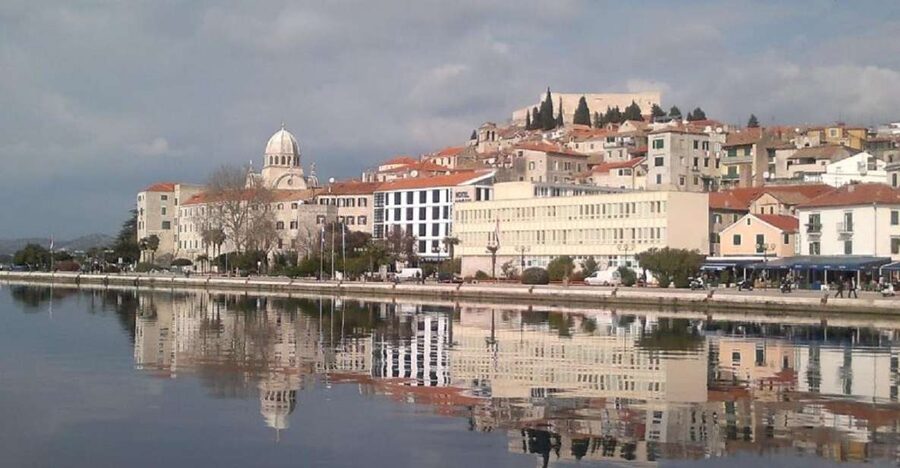
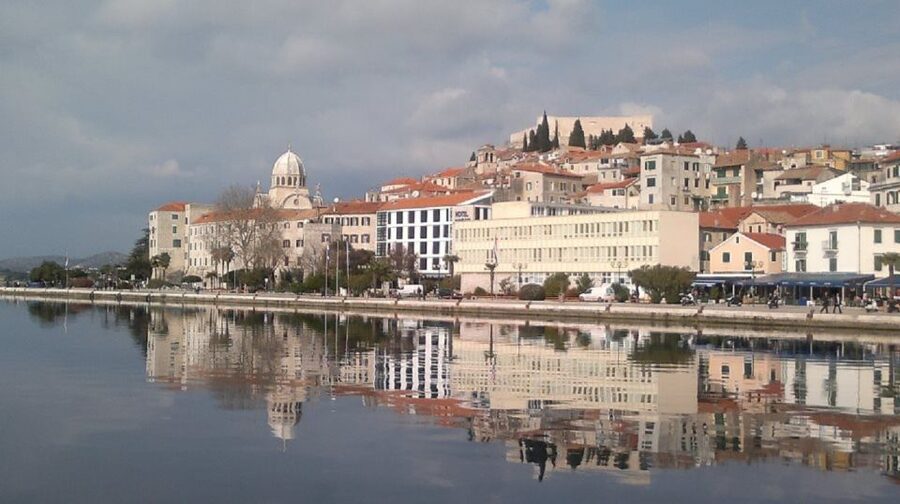
Šibenik’s best sights are packed into steep lanes, stone stairways, and small squares, and this private walk gives those details a proper explanation. The highlight is St. James Cathedral, built entirely from stone over a century, but the churches, cistern, theater, and old streets fill out the story.
I like the personal format and the guide’s local focus. Irena, also called Irene in some bookings, brings warmth, humor, practical tips, and a clear passion for her hometown. I also like that the tour explains odd little facts, such as why the main city square is not quite in the city and why Saint Barbara’s church has four bells.
The main caution is the fixed 90-minute schedule. Šibenik is hilly, with many steps, and there is plenty to absorb. One booking was expected to last two hours but finished after about 1 hour and 40 minutes, so confirm the exact timing when you reserve.
Key points to know before you book
- St. James Cathedral is the centerpiece: See a Renaissance church made entirely from stone, without binding material.
- Irena receives especially strong praise: Her German is excellent, and her English tours are warm, clear, and full of local stories.
- The route covers more than the waterfront: Expect churches, medieval streets, Four Wells, the Croatian National Theater, squares, and traces of the walls.
- It is a private group tour: The $188 price covers up to 20 people, which can be good value for a family or larger party.
- Wear proper walking shoes: Narrow lanes, cobbles, stairs, and summer heat make comfortable footwear important.
- Dress for religious sites: Shoulders and knees must be covered when entering churches and other religious venues.
Why Šibenik is best understood on foot
Šibenik sits around one of the Adriatic’s most sheltered natural harbors. Its old town rises from the waterfront in a maze of stone lanes, staircases, and small squares. You do not get the full character of the place by looking at the cathedral and moving on. The charm is in the changes of scale: one moment you are in an open square, and the next you are walking through a narrow passage between old stone houses.
I like this tour because it treats Šibenik as a lived-in city, not just a collection of monuments. The guide connects the buildings with the people and events behind them, including King Petar Krešimir, the ruler closely tied to Šibenik’s identity.
The city’s age is easy to feel in parts of the old town. Some lanes can make you imagine Šibenik in the 15th or 16th century, when the walls, churches, wells, and harbor shaped daily life. The guide’s job here is not simply to point at old stone. It is to explain why the stone mattered.
That makes a private tour useful. You can stop to ask about a carved detail, a church bell tower, or a local custom without worrying about holding up a large group. You also get a better chance to hear the guide in narrow streets where sound can bounce off the walls.
Other guided walks in Croatia:
- Private Sibenik Walking Historical Morning or Evening Tour
★ 5.0 · 93 reviews - Sibenik: Guided Evening Walking Tour
★ 4.9 · 62 reviews - Šibenik: Medieval Night Walking Tour
★ 5.0 · 19 reviews
Meeting at the waterfront and climbing into the old town
The proposed meeting point is a parking lot on the waterfront next to a gas station. That is practical if you are arriving by car, though you should allow a little time to find the exact spot and meet your guide. From there, the walk moves toward the historic center.
The route is not described as a strenuous hike, but Šibenik is not flat. Expect steps and uneven stone underfoot. Comfortable shoes are not a small suggestion here. Sandals with poor support could make the walk less pleasant, especially in warm weather.
The waterfront also gives you a useful first look at the city’s setting. Šibenik grew around a protected harbor, and the old town rises behind it. The connection between water, trade, defense, and religion becomes clearer as you move into the stone center.
Since the tour is private, the pace can suit your group better than a large scheduled walk. Families can pause, and a group that already knows some Croatian history can spend more time on architecture. The one tradeoff is that a 90-minute tour has to keep moving if you want to cover the full route.
St. James Cathedral, Šibenik’s great stone puzzle
St. James Cathedral is the main reason many people book a walking tour in Šibenik. It was built over roughly a century and reflects the effort of several generations of local residents. The building is made entirely of stone, which is unusual enough on its own. Its construction method makes it even more remarkable.
The cathedral uses stone slabs and ribs without binding material. That structure required bold planning and careful fitting. Your guide can help you look beyond the general shape and notice how the building holds together.
The trefoil front facade is another unusual feature. It gives the cathedral a distinctive profile among Renaissance churches, while the overall design keeps a strong sense of balance. This is the kind of place where an informed explanation adds real value. Without one, you may admire the stone but miss what makes the building special.
The cathedral also carries a human story. It was not completed by one famous figure in a single campaign. It grew through the persistence, sacrifice, and faith of Šibenik’s residents over generations. That local connection is one of the strongest parts of the tour’s approach.
Dress properly if you plan to enter religious sites. Shoulders and knees must be covered. The tour includes guide services and taxes, but meals, drinks, and gratuity are not included.
Churches that reveal Šibenik’s changing identity
Several smaller churches give the walk its variety. St. Francis is singled out for being different from the city’s other churches, and the guide explains what makes it special. That kind of comparison is more useful than a list of church names. It helps you notice differences in purpose, design, and local importance.
The church of the Assumption of the Blessed Virgin Mary adds another layer. Its bell tower has an interesting story, and the guide shares a simple way to remember the artist’s name. That may sound like a small detail, but these memory hooks can help the city stay with you after the walk.
St. John the Baptist had a special role during the Middle Ages and later changed its patron saint. That shift gives you a glimpse of how religious buildings can change meaning over time. The church is not just an old facade. It is part of a city whose needs and beliefs developed over centuries.
St. Krševan is presented as the oldest church in town. It is the sort of stop that can be easy to miss if you explore alone, particularly when it is tucked among more prominent buildings. A local guide helps you understand why a modest church can matter so much.
Saint Barbara adds one of the tour’s most memorable details: it has four bells. You will learn why the bells are there and when they ring. This is exactly the sort of small, specific fact that turns a walk from sightseeing into a story about how the city works.
Same base, a different kind of day out:
- Split: Krka Waterfalls Trip with Boat Cruise and Swimming
★ 4.8 · 10,519 reviews - Blue Cave Small-Group Boat Tour from Dubrovnik
★ 5.0 · 9,360 reviews - From Split: Krka Waterfalls, Food & Wine Tasting Tour
★ 5.0 · 9,326 reviews - Full-Day Dubrovnik Elaphite Islands Cruise with Lunch and Drinks
★ 5.0 · 8,823 reviews
Four Wells and the practical side of medieval Šibenik
The public cistern known as Four Wells shows the practical problems that shaped medieval city life. A town could have churches, walls, and grand public buildings, but it still needed dependable water. The guide explains why the cistern was built and what role it played.
I appreciate stops like this because they move the tour beyond famous architecture. Four Wells points to ordinary needs: storing water, supporting residents, and protecting the city during difficult periods. It also gives you a better sense of why public spaces mattered.
The old town’s narrow lanes and stone houses fit this story. The streets were shaped by the terrain and by the need to move people through a fortified urban center. Stairs are part of the character, but they also mean you should plan realistically if someone in your group dislikes uneven surfaces.
The theater and Šibenik’s modern ambitions
The Croatian National Theater in Šibenik adds a surprising change of mood. When it was built, it was considered the largest and most beautiful theater in southern Europe. In 1896 it received electric lighting, placing it among the early theaters in the world to use it.
That detail gives the walk a welcome break from medieval and Renaissance subjects. Šibenik was not only looking backward. It also wanted to present itself as a modern, cultured city.
The theater helps connect the old town with later civic life. You can see how public ambition shifted from walls and churches toward performance, technology, and shared entertainment. It is a useful reminder that Šibenik’s story did not end when the old stone buildings were complete.
The unusual main square and local stories
One of the tour’s promised explanations concerns the city’s main square and why it is not actually in the city. The wording sounds like a puzzle, and it is the kind of local oddity that rewards asking questions. Your guide explains the background rather than leaving you with a postcard view and a name.
King Petar Krešimir is another important figure. You will learn who he was and why his connection to Šibenik matters to local people. This adds political context to the streets and monuments without turning the walk into a lecture.
I also value the way the guide brings in present-day life. The tour is not limited to dates and architectural labels. Practical advice, including restaurant suggestions, can be part of the conversation. Steve, one of the customers, followed a lunch recommendation and found it worthwhile, though you should treat any restaurant advice as a starting point rather than a promise.
What the private format is really worth
The listed price is $188 for a group of up to 20 people. For one or two people, that is a significant cost for a 90-minute walk. For a family or larger group, the calculation changes. A full group could divide the cost among many people, making private guiding a reasonable way to get a focused introduction to Šibenik.
The private format matters most if you want questions answered or need a flexible pace. Irena has adjusted her approach for a small child, and she has also paid attention to the heat by stopping in shaded places while explaining the sights. That is a practical advantage on a bright summer day.
You should still compare the price with your own plans. If you are happy to read about the cathedral and wander without context, this may feel expensive. If you want the city’s unusual details explained efficiently, especially on a short visit, the cost can make sense.
The experience lasts 90 minutes, with starting times based on availability. One booking lasted about 1 hour and 40 minutes despite an expectation of two hours, so check what duration you are purchasing. The published tour length is 90 minutes, and that is the figure I would use when planning the rest of your day.
Guide languages, heat, and religious etiquette
The tour is offered in Croatian, English, and German. Irena has received especially strong praise for her German, and her English tours are described as warm, humorous, and easy to follow. Her enthusiasm for Šibenik is a major part of the experience.
Summer heat deserves attention. The route includes exposed streets and stairs, though the guide can pause in shade. Bring comfortable shoes and plan your clothing so you can enter religious buildings. Shoulders and knees need to be covered.
The tour does not include food or drinks. It also does not include gratuity, which is optional. Bring your own water and leave room in your schedule if you want to stop for lunch afterward.
Who should book this Šibenik walk
I would choose this tour if you are visiting Šibenik for the first time and want the old town to make sense quickly. It is also a good fit for families, couples, and larger groups who prefer a private conversation to a crowded group route.
History and architecture fans will get the most from St. James Cathedral, the churches, and Four Wells. People less interested in dates can still enjoy the local puzzles, bells, theater story, and restaurant suggestions.
You may want a different plan if you need a completely flat route, dislike stairs, or want several hours inside the cathedral and other buildings. The 90-minute format is an introduction, not an all-day examination of Šibenik.
Free cancellation is available up to 24 hours before the tour for a full refund, and you can reserve now and pay later. Those terms are useful if your coastal schedule is still changing.
Should you book it?
Book this private walk if you want local stories tied to specific buildings, not just a checklist of Šibenik sights. Irena’s warmth, clear language skills, attention to children, and care in the heat add practical value, while the route covers the cathedral, churches, theater, cistern, squares, and old streets.
I would be more cautious if you are a solo visitor watching every dollar, or if 90 minutes feels too short for your interests. For a family or group of several people, though, $188 can be fair, especially when divided among the group. Wear good shoes, cover your shoulders and knees, and confirm the exact duration before booking.
FAQ
How long does the Šibenik walking tour last?
The advertised duration is 90 minutes. Starting times depend on availability.
How much does the private tour cost?
The price is $188 per group of up to 20 people.
Which languages are available?
The tour is offered in Croatian, English, and German.
Where is the meeting point?
The proposed meeting point is a waterfront parking lot next to a gas station.
What sights are included?
The walk includes St. James Cathedral, narrow old-town streets, historic squares, churches, the Croatian National Theater, Four Wells, and remains of the city walls.
What should I wear?
Wear comfortable shoes for the narrow streets, stone surfaces, and stairs. Shoulders and knees must be covered when entering religious venues.
Is cancellation available?
You can cancel up to 24 hours in advance for a full refund. You can also reserve now and pay later.
Just added in Croatia
- Discover The Old Town Split 1.5h walking Small group tour★ 4.8 · 93 reviews
- Hvar: Hvar Wine Tasting Experience★ 4.8 · 128 reviews
- Zadar: River Zrmanja Guided Kayak Safari & Waterfalls★ 4.8 · 132 reviews
- Hvar Wine tasting small group experience★ 4.5 · 80 reviews
- Twice the Wine – Two wineries half day tour, with delicacies★ 4.5 · 56 reviews
- Painting party at Art Bottega – Paint & Wine Studio in Rijeka★ 5.0 · 17 reviews
- Wine Tour – The Best of Istria★ 5.0 · 44 reviews
- Truffle and wine / Taste of Istria from POREC, ROVINJ, PULA★ 5.0 · 15 reviews
City Tours, compared.
Hop On Hop Off Panoramic bus – Zagreb City Tour
Read our review →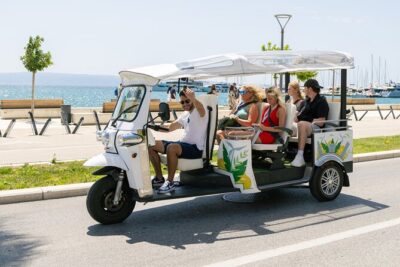

Guided Dolphin Watching Sightseeing Cruise at Sunset
Read our review →
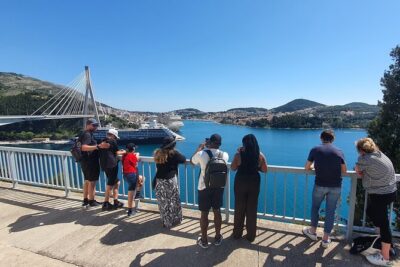
Dubrovnik City Tour: Panorama Drive & Sightseeing Walk
Read our review →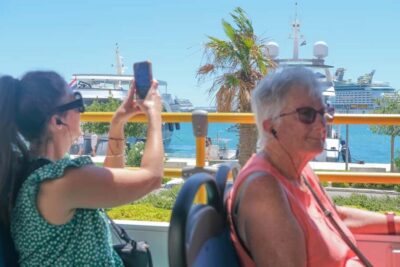

Split Tour by Electric Tuk-Tuk: Top City Highlights
Read our review →Browse the lists this tour appears in