
Reviewed · MUSEUMS
Dubrovnik: Red History Museum Regular Ticket
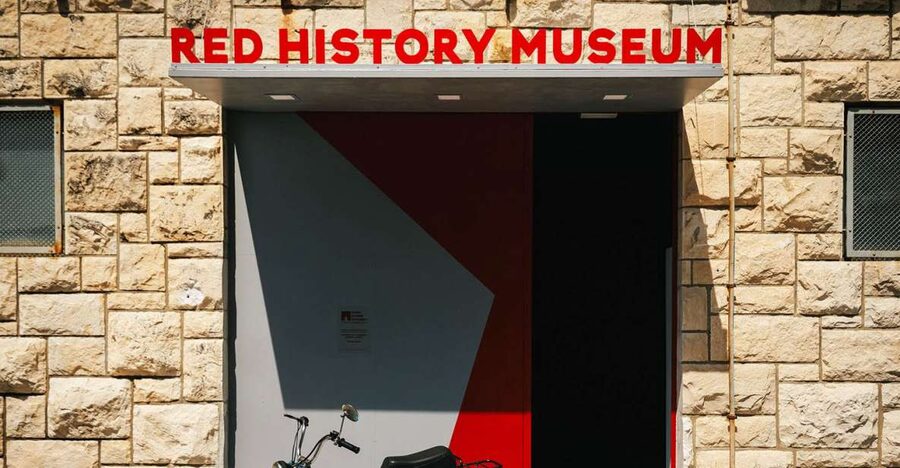
Dubrovnik’s Red History Museum puts Yugoslav life under communism inside a former factory complex from 1953. Instead of stopping at dates and political slogans, it shows how the system shaped homes, products, music, cars, design, and ordinary routines. I like the reconstructed house, and I like that you can sit in a Yugo 45 and handle the subject through interactive displays.
The museum is small, so you will not spend half a day here. That is a plus if your schedule is tight, though readers looking for a large collection or a long guided tour may find the visit brief. Some of the scanned virtual displays also need clearer instructions, and they did not work for everyone.
Key Points Before You Go
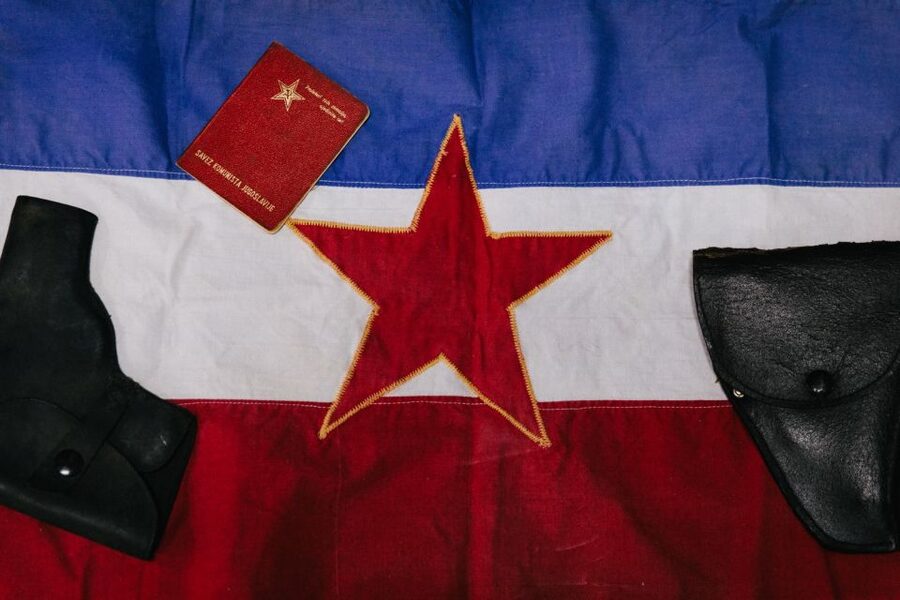
- A former 1953 factory gives the museum an authentic setting: The T.U.P. complex in Dubrovnik’s port area adds a real industrial backdrop to the story.
- A recreated Yugoslav home makes politics personal: Old furniture and household objects show how life felt in the 1970s and 1980s.
- The Yugo 45 is a hands-on photo stop: You can sit in the famous car often mocked as the worst car ever.
- Communist-era versions of Coca Cola and Fanta add a playful touch: Drinks and sweets help explain how consumer culture worked behind the Iron Curtain.
- Goli Otok receives serious attention: Material placed behind curtains covers the notorious prison island and the darker side of the period.
- Viktor can add helpful historical context: Ask for him if you want more explanation about the political story and daily life.
Why This Small Museum Matters in Dubrovnik
Most people come to Dubrovnik for stone walls, sea views, and old churches. The Red History Museum takes you somewhere else: Croatia’s recent past. That recent past still affects politics, family memories, language, products, and the way people understand modern Croatia.
The museum focuses on the former Yugoslavia and the communist period. That makes it useful even if you know little about the region. You do not need a degree in Balkan history to follow the displays. The museum uses objects, photos, music, design, and reconstructed spaces to show how a political system reached into ordinary homes.
I find this approach more useful than a room filled only with official documents. A slogan explains what the government wanted people to believe. A kitchen chair, radio, candy wrapper, or living-room cabinet shows how people actually lived.
The museum also avoids making the subject feel like a dry political lecture. You move between serious material and lighter cultural details. One moment may deal with state power or secret agencies. The next may take you into pop culture, consumer goods, or the sound of the period’s greatest hits.
That mix helps you see communism as a lived system, not just a chapter in a textbook.
A few more things to do in Dubrovnik worth a look
- Skip the Line: Love Stories Museum Admission Ticket
★ 5.0 · 87 reviews - Visit Shell Museum Cavtat
★ 5.0 · 43 reviews - Museum of Selfies & Illusions Dubrovnik Ticket
★ 4.0 · 23 reviews
A Factory Setting With a Story of Its Own
The museum occupies part of the T.U.P. factory complex in Dubrovnik’s port area. The buildings were constructed in 1953, placing the setting directly within the period the museum explores.
That matters. A purpose-built modern museum can explain Yugoslavia well, but an old factory gives you a stronger sense of place. You are not looking at the past from a polished distance. You are entering a site connected to the industrial world of socialist Yugoslavia.
The setting also helps explain the museum’s tone. This is not a grand palace or a traditional art institution. It feels like a practical space being used to tell a practical story about work, production, politics, and daily life.
You should keep your expectations in check. The museum is small, and its size means you will not find endless galleries. I see that as a good fit for a Dubrovnik day packed with sightseeing. It gives you a focused history stop without asking you to give up an entire afternoon.
Reconstructed Rooms Show Daily Life
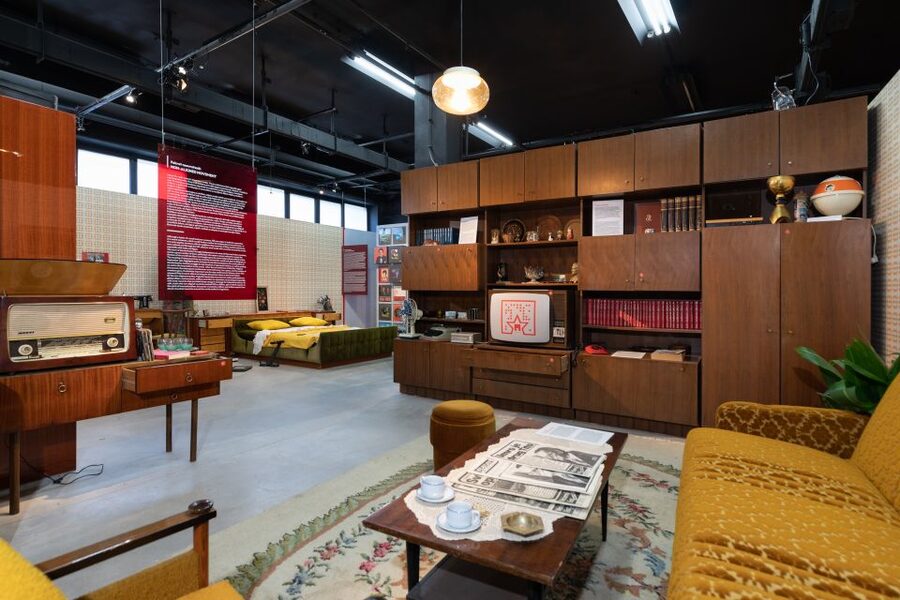
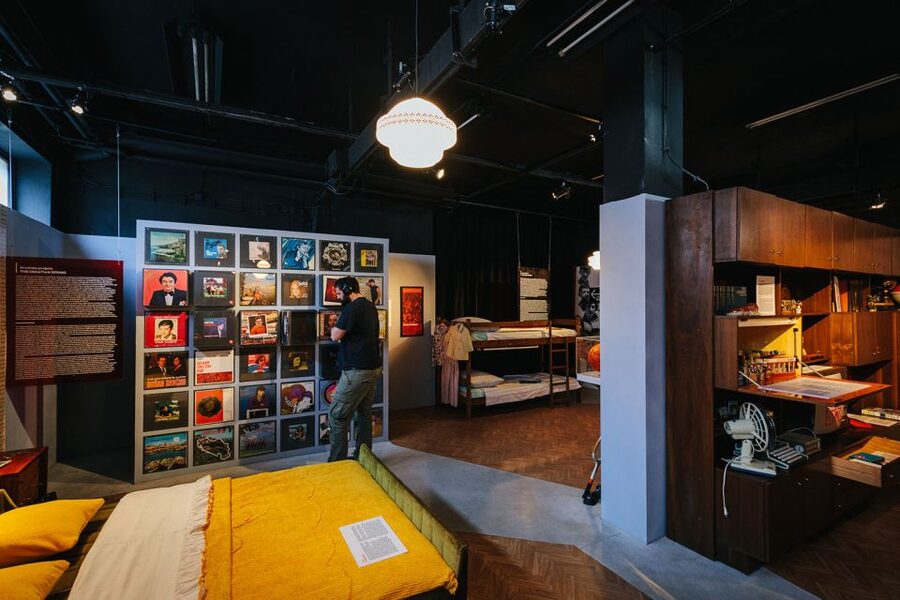
The recreated home is one of the strongest parts of the visit. Old furniture and household details give you a feel for Yugoslav life in the 1970s and 1980s. The objects do work that political text cannot.
Pay attention to how the room is arranged and what is missing as well as what is present. A home can reveal ideas about family life, comfort, status, design, and access to goods. It turns a broad subject into something you can picture.
I like this section because it gives the museum a human scale. You are not asked to think only about leaders, parties, borders, and ideology. You are also thinking about the people who sat at home, listened to music, watched television, bought sweets, and made do with what was available.
The room is also useful for visitors who come with different levels of background knowledge. Someone who remembers Yugoslavia may recognize objects from personal experience. Someone younger, or from outside the region, can use the room as a visual introduction.
This is where the museum’s balance works best. You see both the appeal of ordinary stability and the limits imposed by the system. The experience does not reduce the era to a simple story of good or bad. That makes the displays more helpful for understanding why memories of Yugoslavia can be complicated.
Politics, Secret Agencies, and the Non-Aligned World
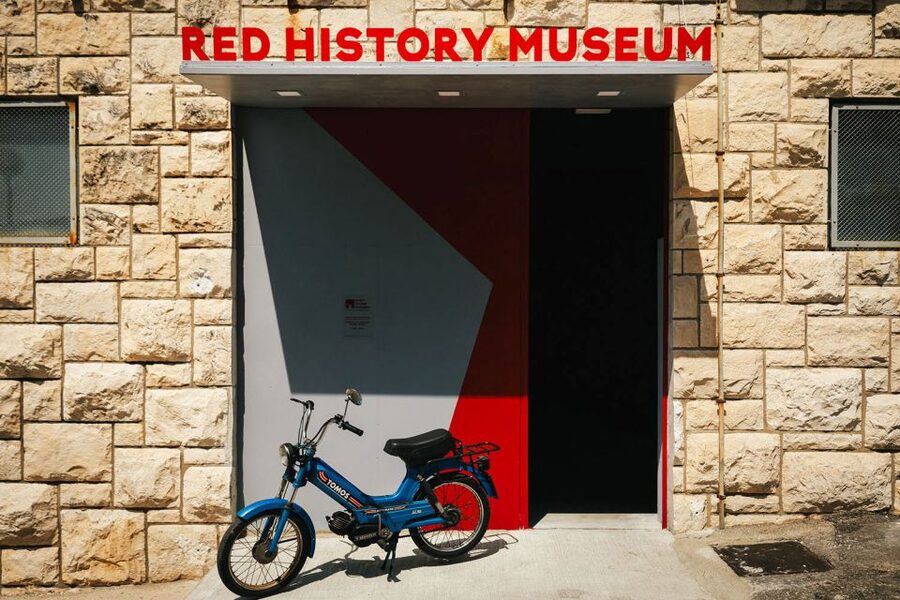
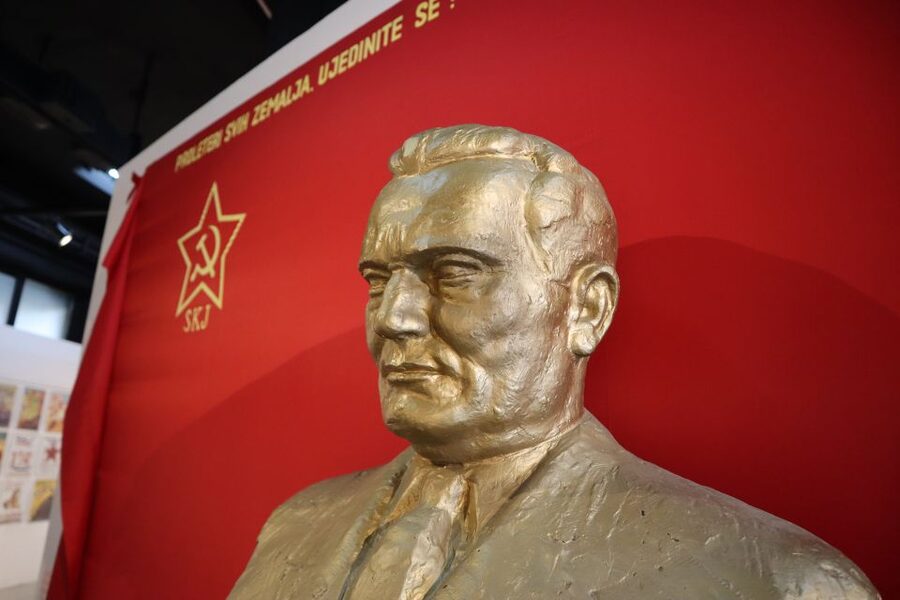
The museum moves beyond household life into politics, secret agencies, and Yugoslavia’s Non-Aligned position. These subjects are important because Yugoslavia did not fit neatly into the usual Western story of the Cold War.
The displays help place the country between larger power blocs. You get a sense of how the political system presented itself, how it operated, and how it watched its citizens. The museum also connects official politics with design and culture, showing that ideology appeared in more places than government offices.
This section may require more concentration than the reconstructed home. Give yourself time to read rather than rushing from object to object. The interactive format keeps the information from becoming too heavy, but there is still a lot to take in.
If you want more explanation, Viktor is a useful person to look for. He has been singled out for giving clear historical context, especially for visitors who want to understand the political side of the museum rather than simply look at old objects.
The information about secret agencies also changes the mood. The earlier rooms may feel familiar or even playful. Here, you are reminded that daily life took place under the watch of the Communist Party. That contrast is deliberate and important.
Same base, a different kind of day out:
- Blue Cave Small-Group Boat Tour from Dubrovnik
★ 5.0 · 9,360 reviews - Full-Day Dubrovnik Elaphite Islands Cruise with Lunch and Drinks
★ 5.0 · 8,823 reviews - Dubrovnik: Epic Game of Thrones Tour + Lokrum & Saver Option
★ 4.9 · 5,995 reviews - Dubrovnik: Elaphiti Islands Full-Day Cruise with Lunch
★ 5.0 · 5,938 reviews
Goli Otok and the Darker Side of the Story
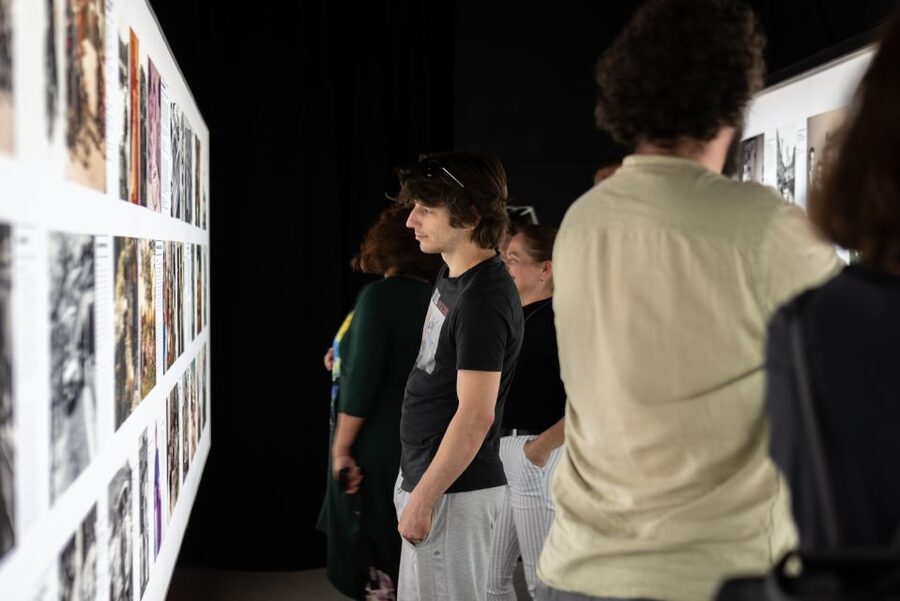
A particularly worthwhile part of the museum deals with Goli Otok, the prison island associated with political repression in Yugoslavia. The material is placed behind curtains, which gives the section a more serious and separate feeling.
Do not skip it. The museum’s lighter objects can make the visit enjoyable, but Goli Otok prevents the story from becoming nostalgia for old furniture and popular products. It shows the cost of political control and the consequences for people who fell on the wrong side of the system.
The museum places this material in a way that lets you decide when to enter the section. That is a thoughtful choice. It keeps the main route accessible for people who want a lighter introduction, while still giving the darker history proper attention.
You may need to read carefully here. The subject is not just another historical curiosity. It changes how you interpret the rest of the museum. The music, consumer goods, and household scenes existed alongside surveillance, pressure, and punishment.
That is why I would allow more time for this section than its physical size might suggest.
Music and Consumer Products Make the Era Concrete
The Red History Museum uses music to bring the period to life. Hearing the era’s popular songs gives you a quick sense of how culture moved through everyday life. Sound can trigger memory in a way a written panel cannot.
The consumer products are just as effective. At the end, you can try period-style drinks and candies, including communist versions of Coca Cola or Fanta. These are playful details, but they explain something serious: people still wanted familiar forms of modern consumption, even when the available products were local or politically shaped alternatives.
I like this section because it gives you a direct comparison with the present. A bottle or sweet can look ordinary until you ask why it existed, who made it, and what it replaced. The products also make a good conversation point for families and mixed-age groups.
The museum does not present these items as proof that everything was bleak. Instead, they show how people adapted, enjoyed small treats, and built a normal life within a different economic and political system.
If you have children or teenagers with you, the food and drinks may hold their attention longer than a wall of text. Still, the museum’s main value remains historical. The treats work best as a final reminder, not as the reason to come.
The Yugo 45 Is More Than a Photo Prop
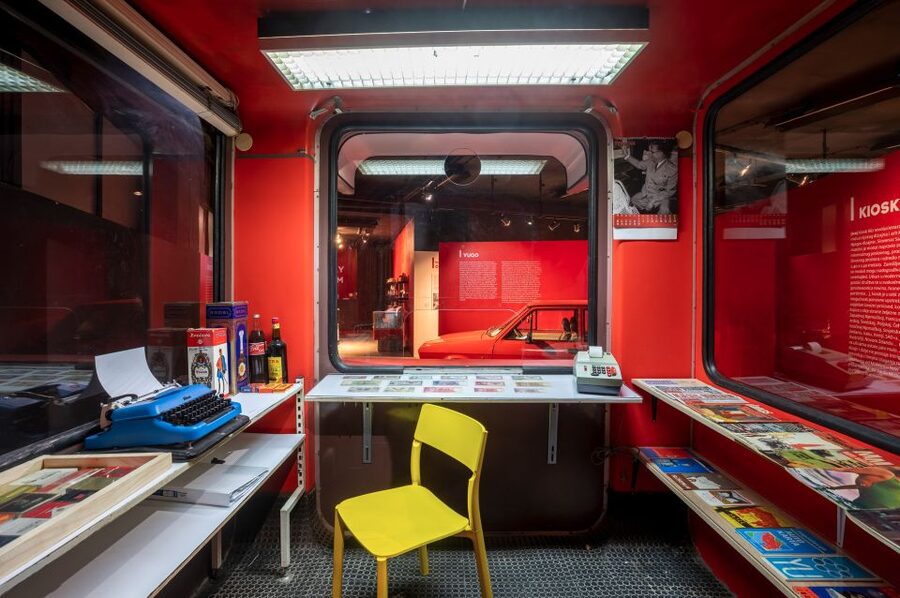
The Yugo 45 is one of the museum’s most memorable hands-on objects. You can sit in the car and take a photo, but the display also says something about industry, aspiration, and the limits of local production.
The car is often labeled the worst car ever, and that joke gives the exhibit an easy entry point. You can enjoy the humor while also considering what the vehicle meant to people who owned one. A car is not only a machine. It can represent independence, family plans, travel, and a country’s attempt to build its own consumer economy.
This is a good stop for people who might not normally choose a political museum. The car gives you something familiar and physical. It breaks up the reading and adds a bit of fun without taking the subject off course.
Do not expect a large vehicle collection. The Yugo is a single standout object within a small museum. Its value comes from the story attached to it, and from the fact that you can interact with it rather than view it behind glass.
Interactive Technology Helps, With One Small Catch
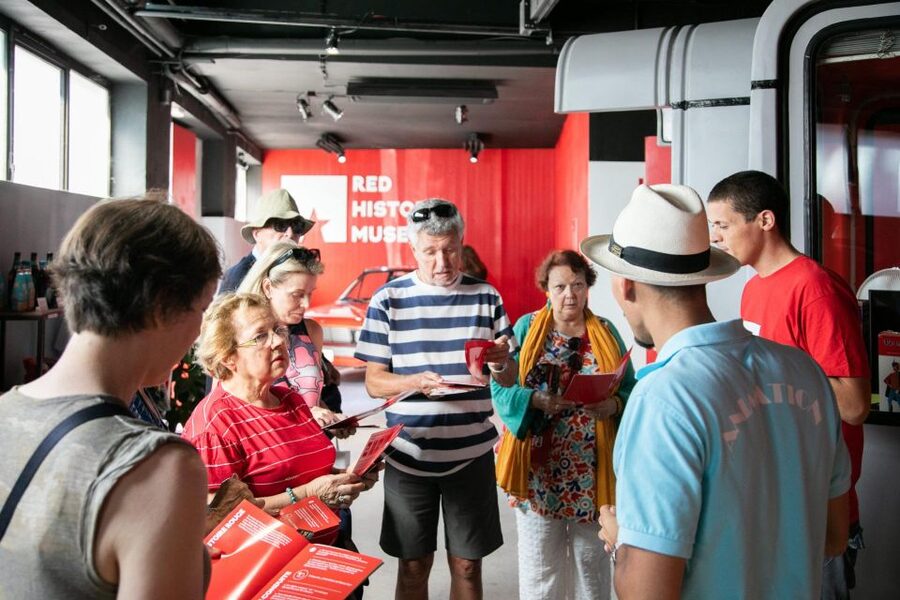
The museum combines older objects with newer technology. You may encounter virtual scans and interactive elements alongside furniture, photos, products, and printed information.
That combination suits the subject. Yugoslav history includes both physical objects from the period and memories that need explanation. Technology can connect the two and make the displays easier to explore at your own pace.
Most of the interactive material helps keep the information from feeling burdensome. You can move between short bursts of reading and more visual or hands-on moments. That is especially useful in a small space, where a traditional display could quickly feel crowded.
The main caution is that some virtual scanned images are not self-explanatory. You may need clearer directions to know how to use them, and some did not respond properly. If a screen or scan seems inactive, do not assume you are missing something obvious. The technology is a useful extra, not the sole reason to visit.
The museum’s strongest material still works without it: the reconstructed room, the photographs, the Goli Otok section, the Yugo, and the everyday products.
How the $11 Price Works for Your Day
At $11 per person, this is a reasonably priced Dubrovnik history stop. Dubrovnik can become expensive quickly, especially when you build a day around major sights and paid attractions. A modest admission fee for a focused museum gives you a useful change of pace.
The value depends on what you want. If you are interested in Croatia, Yugoslavia, Cold War politics, design, or everyday life, the ticket earns its place. You get more than a quick photo opportunity because the museum connects objects to a larger story.
If you only want medieval Dubrovnik, you may find the subject less relevant. This is not a museum about the city walls, the Republic of Ragusa, or ancient history. It is about the recent past and the forces that helped shape present-day Croatia.
The small size also affects the value in a positive way for many people. You can fit it into a busy sightseeing plan without committing to a long tour. At the same time, a person who expects a huge national museum may feel the visit ends sooner than expected.
I would treat it as a focused one-visit experience rather than an all-day attraction.
Who Will Get the Most From This Visit
I would choose this museum for:
- Anyone trying to understand modern Croatia through its recent past
- Visitors interested in communism, Yugoslavia, or Cold War politics
- People who prefer objects, rooms, music, and interactive displays to long text panels
- Families who need a few hands-on elements to keep a history stop moving
- Design and pop-culture fans interested in products, furniture, cars, and music
- Anyone who wants a break from Dubrovnik’s medieval core
It is also a good choice if different people in your group have different interests. The Yugo and retro products offer an easy starting point, while the political material gives serious history fans more to think about.
I would be less likely to recommend it to someone who wants a large collection, a long guided program, or a purely traditional museum. The experience is compact and relies on a mix of objects, atmosphere, and interactive presentation.
Practical Advice for a Better Visit
Give yourself enough time to read the political material, even though the museum is small. The reconstructed home and car are easy to take in quickly, but the sections on secret agencies, the Non-Aligned world, and Goli Otok reward a slower pace.
If you want extra context, ask for Viktor. His explanations can help connect the displays, especially if you are not familiar with Yugoslavia or the political divisions of the period.
Try the interactive scans, but do not let a stubborn screen spoil the visit. The instructions may not be obvious, and some scans may fail to respond. Move on to the physical exhibits if needed.
Save the drinks and sweets for the end. They make a fitting finish because they bring you back from high politics to the small consumer choices of everyday life.
You can reserve now and pay later, which is useful if your Dubrovnik schedule is still changing. Cancellation is allowed up to 24 hours ahead for a full refund.
Should You Book the Red History Museum?
I would book it if you want to understand more than Dubrovnik’s beautiful surface. The museum gives you a compact, accessible look at Yugoslav life through homes, cars, music, politics, products, and personal stories.
Its best features are the reconstructed house, the clear mix of serious and playful material, the Goli Otok section, and the chance to sit in a Yugo 45. The main drawbacks are its small scale and a few interactive displays that may need better instructions.
At $11, it is a sound choice for a history-minded afternoon, especially if you want to understand how Croatia’s recent past still matters today. Skip it only if your schedule allows time for medieval sights but not for modern history, or if you expect a large museum with hours of galleries.
FAQ
Where is the Red History Museum located?
It is in the T.U.P. factory complex in Dubrovnik’s port area. The complex was built in 1953.
What does the museum focus on?
The museum explores Croatia’s communist history and life under the Yugoslav regime. Topics include politics, design, secret agencies, music, consumer goods, and the Non-Aligned world.
How much does regular admission cost?
The regular ticket costs $11 per person.
Can I see a Yugo 45 at the museum?
Yes. You can sit in the Yugo 45 and take a photo. The car is presented as the famous worst car ever.
Does the museum include a recreated home?
Yes. A reconstructed house includes old furniture and household details that show what life could feel like in Yugoslavia during the 1970s and 1980s.
Does the museum cover Goli Otok?
Yes. Information about Goli Otok is placed behind curtains in one part of the museum.
Can I try communist-era drinks and sweets?
Yes. At the end of the visit, you can try popular drinks and candies from the period, including communist versions of Coca Cola or Fanta.
Can I cancel my booking?
You can cancel up to 24 hours in advance for a full refund. You can also reserve your spot and pay later.
Just added in Dubrovnik
- Elaphiti Islands Private Dubrovnik Boat Unique Experience★ 5.0 · 10 reviews
- Full- Day Private Speedboat Tour in Dubrovnik on Elaphiti Islands★ 5.0 · 21 reviews
- PRIVATE Wine Tour to Konavle country side★ 5.0 · 11 reviews
- Wine tour peninsula Pelješac★ 5.0 · 3 reviews
- Dubrovnik at War 1991-1992 Private Walking Tour★ 5.0 · 4 reviews
- Welcome to Dubrovnik Walking Tour★ 5.0 · 36 reviews
- City Walls of Dubrovnik★ 5.0 · 70 reviews
- Walls of Liberty: A Self-Guided Audio Tour of Dubrovnik★ 3.5 · 3 reviews
Museums, compared.

Blue Lagoon & Underwater Museum from Split with Lunch & Drinks
Read our review →
Skip-the-Ticket-Line Museum of Broken Relationships
Read our review →
PREMIUM Emperor’s Walking Tour for History Lovers + Museum
Read our review →
Klis Fortress GOT and Olive Museum Entry Tickets
Read our review →
Browse the lists this tour appears in