
Reviewed · MUSEUMS
Zagreb: Skip-the-Ticket-Line Museum of Broken Relationships
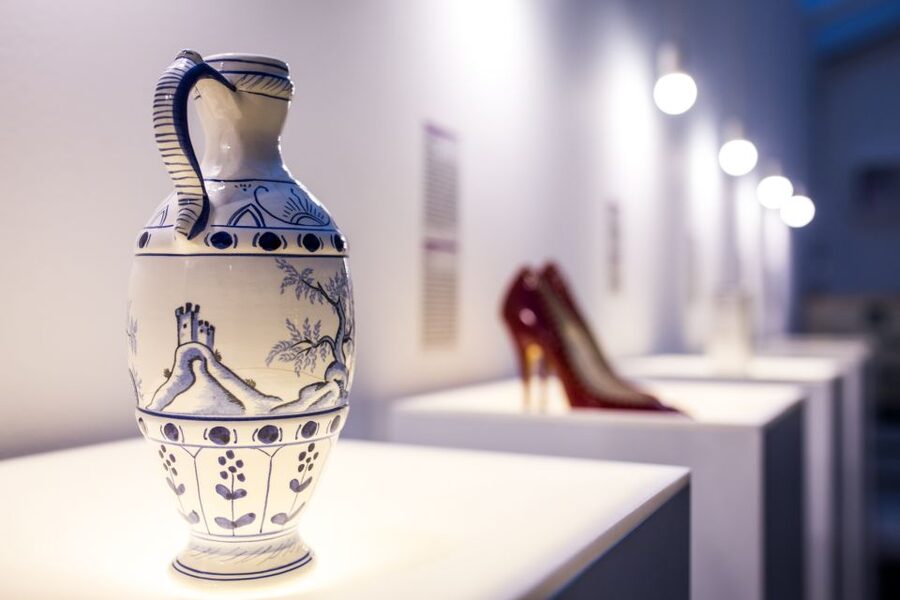
The Museum of Broken Relationships turns old objects into small emotional time capsules. A discarded keepsake, a letter, or an ordinary household item is paired with an anonymous story from the person who donated it. You move from laughter to sadness, often within a few steps.
I like the honesty of the collection and the way it reaches beyond romantic breakups to include family, friendship, identity, and addiction. I also like the low price and the freedom to set your own pace. The main drawback is size: you can see the whole museum in about 30 minutes, though careful readers may stay for an hour or more.
Key points
- Around 100 personal objects and stories connect everyday things with love, loss, and letting go.
- The tone changes constantly, from funny and odd to painful, tender, and unexpectedly uplifting.
- A typical visit lasts 30 to 90 minutes, depending on how much of the text you read.
- The $8 ticket offers good value, especially for a central Zagreb stop that fits easily between other sights.
- Skip-the-line entry may matter at busy times, but several visits found little or no queue.
- Captions are in Croatian and English, with other languages available through QR codes or booklets.
Why Zagreb’s Museum of Broken Relationships Feels Different
Most museums ask you to look at paintings, statues, or historical objects from a safe distance. This one asks you to consider the emotional life of ordinary things. A small object can carry the weight of an entire relationship once you read the story beside it.
The collection is built around anonymous donations from people around the world. The objects are not valuable because of their material or artistic quality. Their importance comes from what they meant to someone, and from the decision to give them away as a way to reach closure.
That idea gives the museum its unusual pull. You are not simply reading about famous people or grand events. You are reading private moments that could belong to almost anyone. Some stories feel familiar. Others are too strange, sad, or funny to forget.
The museum also avoids making heartbreak one-note. You will find romance, but not only romance. Stories involve parents, grandparents, friends, family ties, identity, and personal habits. That wider view makes the exhibition work for people who are not interested in a traditional love story.
A few more things to do in Zagreb worth a look
- Zagreb: Nikola Tesla Technical Museum Ticket
★ 4.5 · 520 reviews - Zagreb: Museum of Illusions Entrance Ticket
★ 4.0 · 261 reviews - Museum of Illusions Zagreb
★ 4.0 · 197 reviews
The First Room: Everyday Objects With Unexpected Weight
Your visit begins with displays that pair an object with a short account of the relationship it represents. The physical item may look plain at first. The accompanying text changes how you see it.
This is the basic rhythm of the museum: object, story, reaction. You stop to read, look again, and then move to the next display. The format is simple, but it gives you room to form your own response.
Some entries are brief. Others require more time, and readers who want to go through every description can easily spend an hour or longer. One careful visit lasted about 1 hour and 15 minutes, while another found that 30 minutes was enough. Both estimates make sense. Your timing depends less on the size of the rooms than on how willing you are to read every label.
I recommend resisting the urge to rush. The objects themselves are not the whole point. The text beside them supplies the emotional charge, and several of the strongest pieces may look unremarkable until you understand the story.
The captions are written in Croatian and English. If you need another language, the museum provides information through QR codes or booklets. That helps make the collection accessible to an international audience, though the amount of reading means this is not a quick photo stop.
From Funny to Heartbreaking, Often in One Display Case
The emotional range is the museum’s greatest strength. You may smile at one story, feel uncomfortable at the next, and then find yourself quietly moved by another.
Some accounts have a sharp sense of humor. Others deal with regret, anger, or the awkward remains of a relationship that ended badly. Several are genuinely sad. The mixture keeps the exhibition from becoming heavy in only one direction.
That balance matters. An exhibition devoted entirely to heartbreak could become tiring, especially on a short city break. Here, humor gives you breathing room. A strange object or wry explanation can make the next painful story easier to absorb.
You should still expect an emotional visit. The museum is not sentimental in a polished, romantic way. It deals with disappointment, resentment, longing, and the practical act of deciding what to do with reminders of the past. If you are dealing with a recent breakup, some displays may feel especially personal.
For that reason, I would not plan this as a rushed stop immediately before an important appointment. Give yourself time afterward to reset. The visit may be light and funny for you, but it can also bring back memories you did not expect.
A Collection That Goes Beyond Romantic Love
The name suggests a museum about former couples, and many objects do relate to romantic relationships. But the collection is broader, and that is one reason it works well for families and mixed-age groups.
You may encounter stories tied to parents, grandparents, friends, or other close connections. Some concern addiction or identity. The common thread is not a particular kind of relationship. It is the feeling of losing an important connection and trying to understand what remains.
That makes the museum more approachable for people who do not think of themselves as hopeless romantics. You do not need to arrive with a dramatic breakup story of your own. The writing invites you to think about attachment, memory, and the way people assign meaning to objects.
It can also work with teenagers, although you should remember that the museum deals with adult emotions and difficult experiences. A family visit may lead to a thoughtful conversation, but each person will respond differently to the material.
The exhibition asks a quiet question: when a relationship ends, what happens to the things left behind? Sometimes they are thrown away. Sometimes they are stored in a drawer. Here, they become part of a shared public space.
Same base, a different kind of day out:
- From Zagreb: Plitvice & Rastoke Guided Day Trip with Ticket
★ 4.9 · 2,955 reviews - Zagreb: Rastoke & Plitvice Lakes Guided Tour with Ticket
★ 4.9 · 1,897 reviews - Communism & Croatian Homeland War Tour
★ 5.0 · 1,355 reviews - Best of Zagreb with the WW2 Tunnels
★ 5.0 · 973 reviews
How Long to Allow for the Visit
Plan on 30 minutes if you read selectively. That gives you enough time to see the main collection and stop at the displays that catch your attention.
Allow 45 to 60 minutes for a more complete visit. This is a sensible amount of time for most people who want to read a good portion of the stories without lingering over every entry.
If you read every description carefully, plan on about 75 to 90 minutes. One visitor described spending 1 hour and 15 minutes inside, while another found the exhibition took roughly 1.3 hours when reading everything.
The museum is small, which is both a strength and a limitation. You can fit it neatly into a day of sightseeing, and you will not spend half a day trying to cover endless rooms. On the other hand, it can feel crowded when several groups arrive at once. One visitor found the rooms hot and crowded by the end of a visit, even though the start had been comfortable.
This is a place where crowd levels affect the experience. The stories require attention, and close reading is harder when people are standing shoulder to shoulder. If you have flexibility, visiting earlier or later in the day may give you a calmer pace. Do not treat that as a guarantee, since availability and crowding can change.
Is the Skip-the-Line Ticket Worth $8?
At $8 per person, the ticket is inexpensive by museum standards. The strongest value comes from the combination of price, central location, and flexible visit length. You can spend less than an hour inside and still feel that you saw something distinctive.
The skip-the-line feature is useful if the entrance is busy. It also lets you reserve ahead and keep your day organized. But I would not pay a large premium for the privilege. Several visits found no line at all, including visits in the evening or during quieter periods. One person arrived 30 minutes early and was allowed inside, which suggests that staff may have some flexibility when space permits.
So the practical decision is simple. If the online price is still $8 and you want certainty, booking ahead is reasonable. If you are already nearby and the entrance is empty, buying a ticket there may be just as easy. The skip-the-line benefit is a convenience, not the main reason to visit.
You can cancel up to 24 hours in advance for a full refund, and the reserve-now-pay-later option keeps your plans flexible. The ticket is valid for one day, with available starting times shown when you check availability.
Timing Your Visit Around Zagreb Sightseeing
The museum fits well into a central Zagreb walking day. It does not require a separate excursion or a long transport plan, and its short duration makes it easy to place between larger sights.
The listed final admission time is 7:30 PM from June 1 through September 30. From October 1 through May 31, final admission is 8:30 PM. Check the current opening schedule when you book, since the ticket information specifies the last entrance but not a single daily starting time.
I would place the museum either in the middle of your day, when you want something quieter than a major landmark, or toward the end, when you have time to think about what you read. It is less suitable as a quick stop when you are already late for another booking.
The exhibition does not require a guide to understand. You move through the displays independently and read at your own speed. A guided experience has also been available with a guide named Diana, described as informative and fun, but you should check the booking details carefully to confirm if a guide is included with the ticket you select. The basic admission described here covers entry to the museum.
Practical Details Inside the Museum
The museum is wheelchair accessible, which makes it a practical choice for many visitors. It is also limited to a small group of up to 10 participants for this activity, though the compact exhibition can still feel busy when several people are reading in the same area.
Food and drinks are not allowed inside. Large bags and luggage are also not permitted, so do not plan to arrive with heavy airport baggage and assume you can carry it through the rooms.
The bilingual captions are a major help. English speakers can read the core exhibition without translation, and QR codes or booklets provide other language options. Since reading is central to the experience, bring patience rather than expecting a series of visual attractions.
The staff are available to answer questions, and the museum has been described as welcoming. Some visitors have also enjoyed the café bar connected with the venue, including coffee, cocktails, and occasional live music. Treat that as an extra rather than part of the museum admission, since the included item is the entry ticket.
Who Will Get the Most From This Museum?
I would recommend it most strongly to people who enjoy museums built around personal stories rather than famous objects. If you like reading labels, noticing small details, and considering how other people make sense of loss, you will likely find plenty to hold your attention.
It also suits:
- Couples who want a thoughtful break from standard sightseeing
- Solo visitors who prefer a quiet, reflective museum
- Families with older children or teenagers
- People interested in psychology, memory, identity, and relationships
- Anyone looking for an unusual Zagreb attraction at a modest price
You may enjoy it less if you prefer large museums with extensive rooms, major artworks, or a clear historical timeline. The exhibition is compact, and some of the stories may seem slight or less compelling than others. One honest criticism is that several descriptions could be larger and easier to read.
The museum is also not designed as pure entertainment. The funny moments are real, but so are the painful ones. Go in expecting emotional variety, not a light novelty attraction.
What Makes the Collection Worth Seeing
The most valuable part of the museum is its sense of recognition. You may not relate to every story, but you will probably understand the basic human impulse behind many of them: holding on, letting go, seeking revenge, finding humor, or trying to turn pain into something useful.
The exhibition also gives you a chance to consider the difference between an object’s everyday purpose and its private meaning. A thing that seems worthless to one person can represent years of affection or one final argument to another.
That idea gives the visit more lasting value than its size suggests. You do not need a full day here. You need enough time to pay attention.
Should You Book the Museum of Broken Relationships?
Book it if you want an affordable, unusual, and personal museum visit in Zagreb. The $8 price is easy to justify, especially if you read at least some of the stories and give yourself 45 minutes or more.
Skip the online ticket if the entrance is quiet and you prefer to decide spontaneously. Choose skip-the-line entry if you are visiting at a busy time, want to reserve ahead, or are fitting the museum into a tight sightseeing schedule.
My main advice is to judge it by your mood. If you are open to sadness, humor, and stories about ordinary people, this may become one of your more memorable Zagreb stops. If you need a grand collection or dislike reading, its small size may leave you wanting more.
FAQ
How much does entry to the Museum of Broken Relationships cost?
The listed price is $8 per person. The included service is entry to the museum.
How long does a visit usually take?
You can see the museum in about 30 minutes if you read selectively. Allow 45 to 90 minutes if you want to read most or all of the stories.
Is the Museum of Broken Relationships only about romantic breakups?
No. The collection includes stories about romantic relationships, family, parents, grandparents, friends, identity, and addiction.
Are the museum captions available in English?
Yes. The exhibit captions are in Croatian and English. Other languages are available through QR codes or booklets.
Is the museum wheelchair accessible?
Yes. The activity information lists the museum as wheelchair accessible.
When is the last entrance?
From June 1 through September 30, the last entrance is at 7:30 PM. From October 1 through May 31, the last entrance is at 8:30 PM.
Can I bring food, drinks, luggage, or large bags?
Food and drinks are not allowed, and luggage or large bags are not permitted inside the museum.
Just added in Zagreb
- Private Wine Road Day Tour from Zagreb★ 4.5 · 11 reviews
- Private Wine Tour from Zagreb: Two Local Wineries & Samobor★ 5.0 · 18 reviews
- Painting party at Art Bottega – Paint & Wine Studio in Zagreb★ 5.0 · 23 reviews
- Fairytale Castle & Wine Tasting & Lunch★ 5.0 · 19 reviews
- Private Transfer: Zagreb Airport (ZAG) to Zagreb Hotel★ 5.0 · 52 reviews
- Zagreb Airport One Way Private Transfer To or From Airport★ 5.0 · 132 reviews
- From Zagreb: Transfer to Split & Plitvice Lakes Guided Tour★ 4.7 · 463 reviews
- Zagreb: Guided City Tour with WWII Tunnels★ 4.9 · 155 reviews
Museums, compared.

Blue Lagoon & Underwater Museum from Split with Lunch & Drinks
Read our review →
PREMIUM Emperor’s Walking Tour for History Lovers + Museum
Read our review →
Klis Fortress GOT and Olive Museum Entry Tickets
Read our review →


Browse the lists this tour appears in