
Reviewed · FOOD & OLIVE OIL TASTING TOURS
Food Tour in Split ( Small Group)
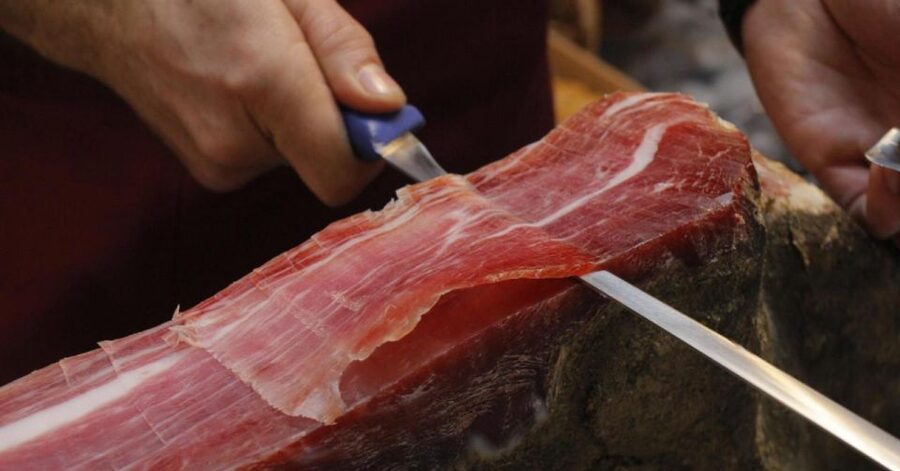
Split’s best food often hides in plain sight: a market stall, a modest bakery, or a family counter where locals still stop for a quick bite. This small-group food tour takes you through those everyday places, with stops for prosciutto, cheese, soparnik, burek, fish-market tastes, and homemade fritule.
I like two things right away. First, the guides grew up in Split’s old town, so the walk connects food with real streets and local habits. Second, the group is limited to 10 people, which gives you room to ask questions and follow the guide through the tight lanes around Diocletian’s Palace. The main consideration is the $94 price, which makes the tour worthwhile mainly if you value several tastings plus local history, rather than simply a quick snack.
Key Points at a Glance
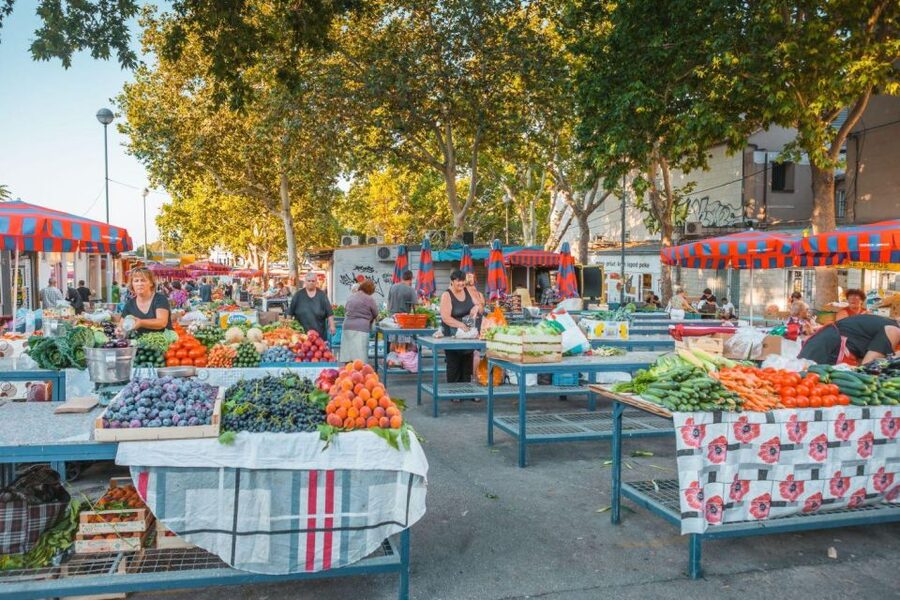
- Green Market first: Start with farmers’ produce and traditional foods such as prosciutto, cheese, and soparnik.
- Split-born guides: Dee Dee and Bruno bring personal knowledge of the old town, its back lanes, and its food customs.
- Burek in a traditional setting: Taste both meat and cheese versions of this flaky, spiral-shaped pastry.
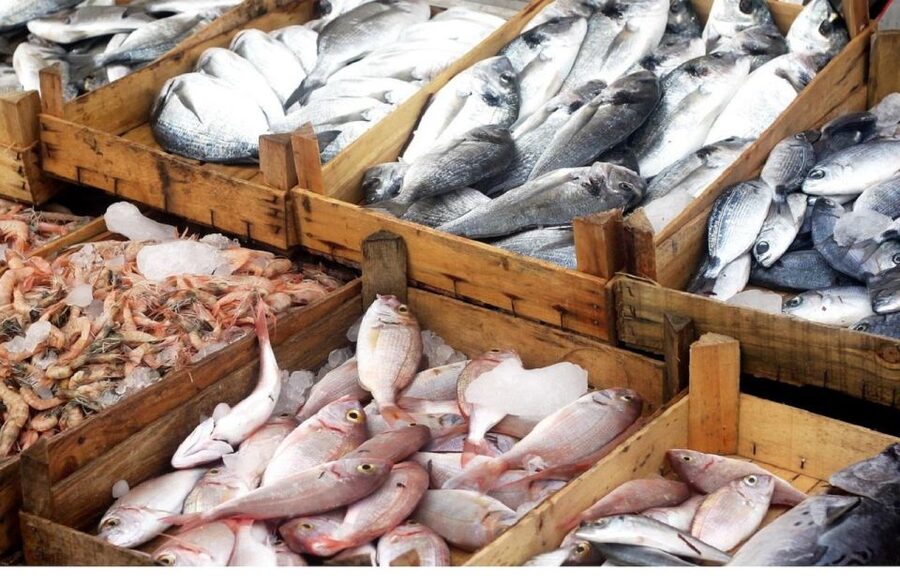
- Fish-market atmosphere: Visit Split’s fish market and get a feel for a classic Mediterranean food stop.
- Sweet finish: End with homemade fritule at a family shop specializing in traditional treats.
- Small and manageable: The 2.5-hour walk has a maximum of 10 participants and includes all listed tastings.
Why This Food Walk Works in Split
Food tours can sometimes feel like a string of unrelated samples. This one has a clearer purpose: it uses food to explain how Split developed and how people still eat today.
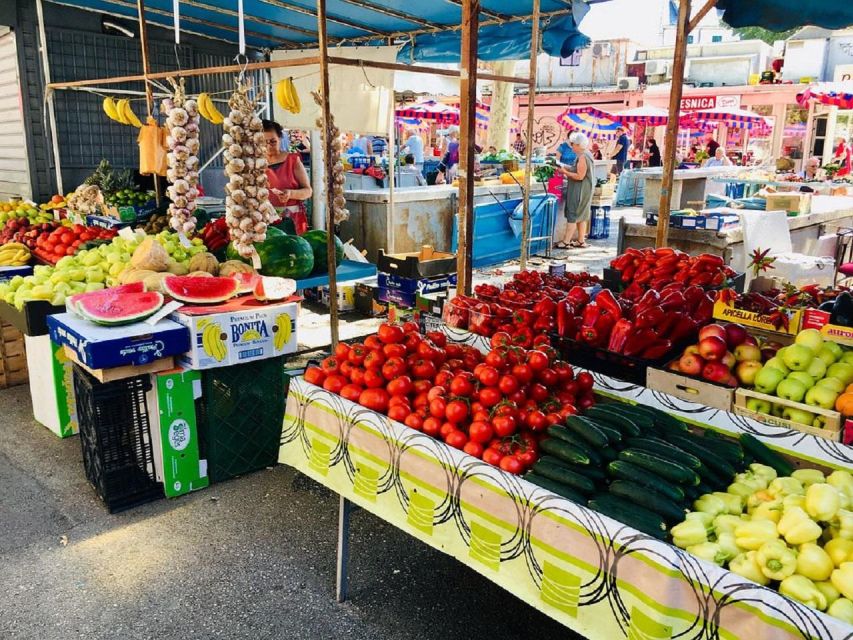
You begin near the Silver Gate of Diocletian’s Palace, then move into the Green Market, a natural place to talk about produce from villages around Split. From there, the route links market shopping with prepared food, fish, pastry, and sweets. You are not simply moving from restaurant to restaurant. You are seeing the places where ingredients are bought and the small businesses where local food becomes a meal.
The old town setting helps. The route passes through the imperial square of Peristyle, where the guide explains Split’s past before the group continues to the next tasting. That pause matters because Diocletian’s Palace is not just a museum site. It remains part of the city’s daily life, with shops, food stops, and residents working inside and around the ancient walls.
The experience lasts 2.5 hours. That is enough time for several stops without turning the outing into an all-day commitment. You should still arrive ready for a fair amount of standing and walking, since the food is spread across central Split rather than served in one place.
More eating your way around Split:
- Split: Krka Waterfalls With Boat Cruise, Wine and Olive Oil
★ 4.3 · 1,507 reviews - Split Food Tour: Discover Split One Bite At A Time
★ 5.0 · 433 reviews - Split: Food Tasting Walking Tour
★ 4.8 · 75 reviews
Starting at Hrvojeva 2 and the Green Market
The meeting point is in front of St. Dominic Church, across from the Silver Gates of Diocletian’s Palace. This puts you at a useful starting point for a first look at Split’s old center.
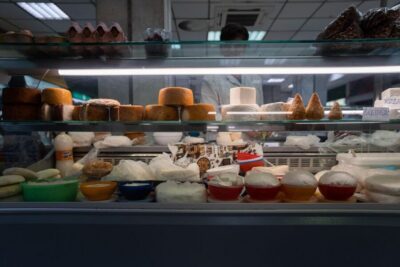
The first major stop is the Green Market, known locally as the open-air market where farmers from nearby villages sell homemade products. You have about 30 minutes here, including food tasting and time to take in the market.
The samples include prosciutto, cheese, and soparnik. Soparnik is a traditional savory pie associated with the Dalmatian region, and it gives you a better sense of local cooking than a generic restaurant dish would. The market setting also adds context. You can see the kind of place where ingredients enter the city before they appear on a plate.
I like beginning here because it puts the food in its proper setting. You get a feel for the produce and preserved foods that shape local eating before moving on to bakeries and prepared dishes.
The market may be one of the more active portions of the walk, with people shopping and vendors working. If you prefer quiet tastings in a seated restaurant, this will feel more public and informal. If you want a quick look at how Split shops for food, it is a strong opening.
Peristyle and the Food Story of Diocletian’s Palace
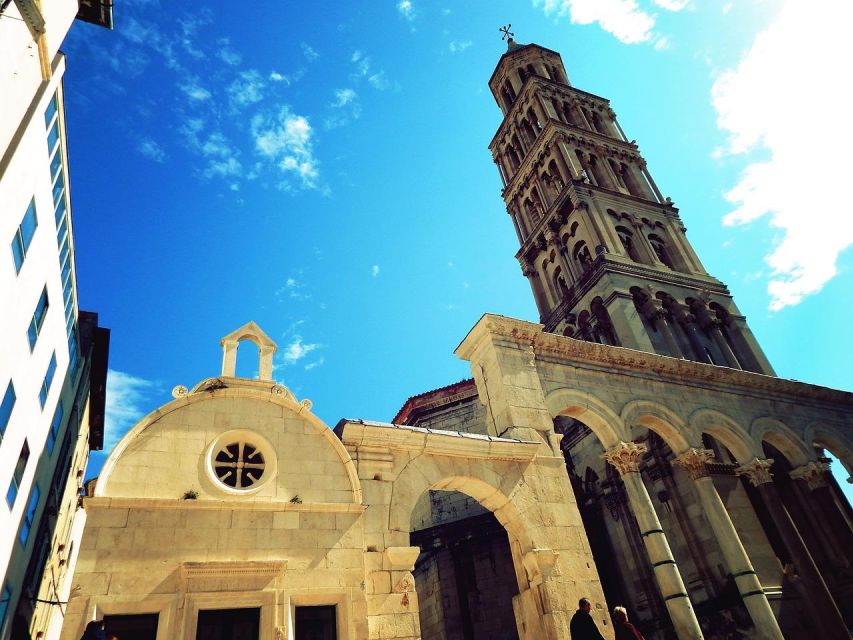
The walk continues through Diocletian’s Palace to Peristyle, the imperial square. This is the point where the tour’s food theme broadens into a city story.
Your guide explains Split’s past and the outside influences that shaped its food traditions. The stated focus is not only on what people eat, but on how local gastronomic habits developed through time. That makes the stop useful even if you already know the palace from a standard sightseeing visit.
The guides are a major part of this experience. Dee Dee is described as warm, well-informed about Split’s culture and past, and easy to spend time with. Bruno brings a relaxed manner and personal knowledge of the old town, including the smaller streets and back lanes where the food stops are found. Gita has also led the tour, though one seasonal visit had to adjust because some restaurants were closed.
You should expect the guide to do more than announce each dish. The goal is to connect the food with the town around you. That approach works best for people who enjoy asking questions and learning why a dish belongs in Split.
Burek in a Long-Running Local Spot
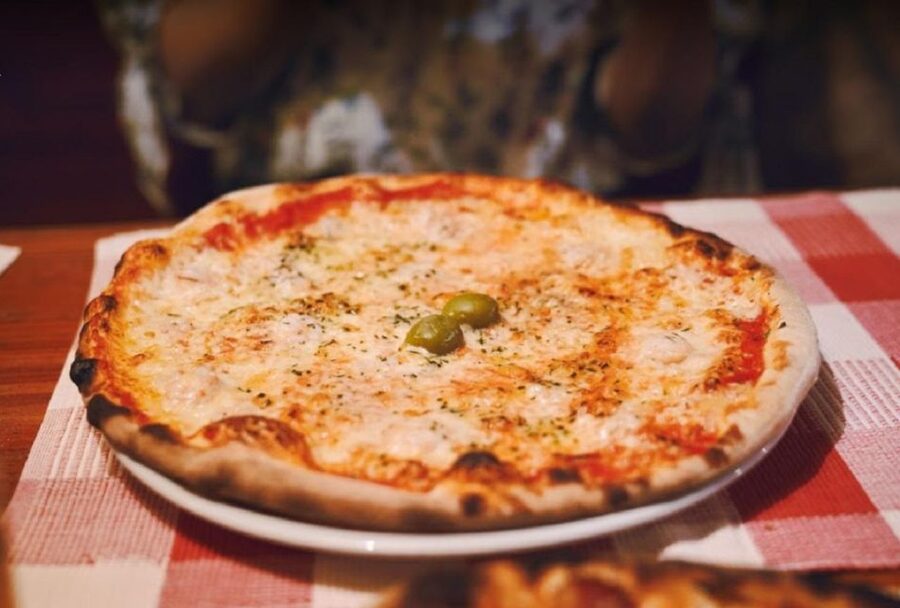
After Peristyle, you stop at a traditional place in the center that has kept its old character and remains part of local life. Here you taste burek with two fillings: minced meat and cheese.
Burek is made from layers of filo pastry wrapped into a spiral and baked in a hot oven. It is filling, savory, and very different from the lighter market samples at the beginning of the tour. Trying both fillings lets you compare the richer meat version with the simpler cheese option.
This stop is valuable because it shows the everyday side of Split’s food culture. You are not being offered a dish designed only for sightseeing. You are being introduced to a common pastry in a place that has retained its traditional feel.
There is a practical point here: burek is substantial. Since the tour includes several more tastings, pace yourself. You do not need to finish every sample quickly, especially if you are taking the walk in warm weather or have eaten breakfast shortly before meeting the group.
A few more things to do in Split worth a look
- From Split: Krka Waterfalls, Food & Wine Tasting Tour
★ 5.0 · 9,326 reviews - From Split: Krka Waterfalls, Food & Wine Tasting Tour
★ 4.9 · 6,598 reviews - Split: Blue Lagoon and 3 Island Cruise with Food and Drinks
★ 4.8 · 1,969 reviews - Krka National Park Tour with tour Guide & Wine tasting from Split & Trogir
★ 5.0 · 1,625 reviews
The Split Fish Market
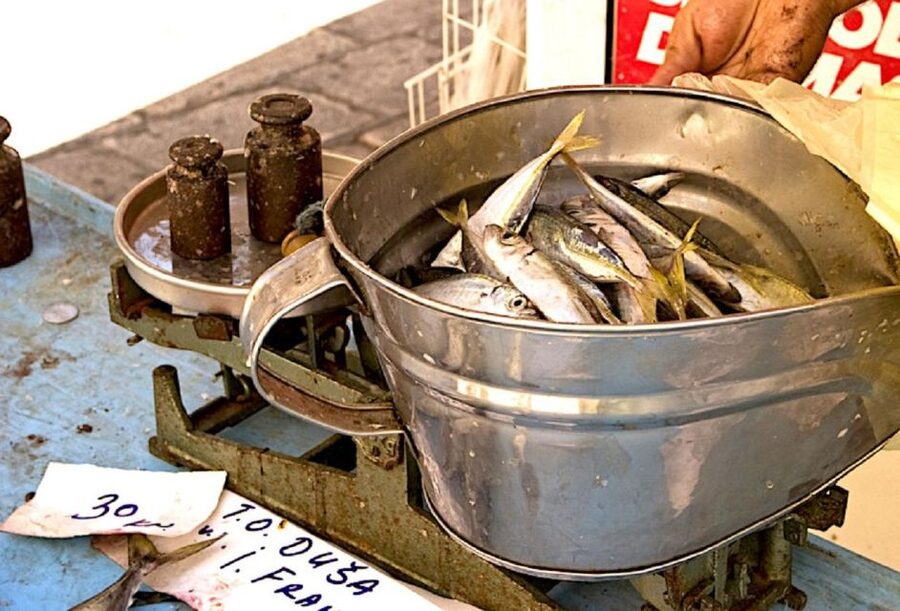
The fish market gives the tour a distinctly Mediterranean turn. You spend about 30 minutes here, with time for a market visit and tasting.
The appeal is the atmosphere as much as the food. The fish market is described as a place full of passion and energy, with the direct, practical feel you expect from a working market. Your guide explains local eating habits and the role of fish in Split’s food life as you look around.
This is a good contrast with the Green Market. The first market introduces village products, cheese, cured meat, and traditional pie. The fish market shows the coastal side of the city and the importance of seafood in Dalmatian cooking.
The exact tasting available may depend on the day and the market conditions. The information provided does not list a specific fish dish, so you should think of this stop as a combination of market culture and food sampling rather than a promised seafood meal.
If you enjoy food markets, this is likely one of the most useful parts of the route. If you dislike strong smells, crowded counters, or the practical character of a working market, it may be less comfortable than the bakery stops.
Traditional Sweets and the Final Fritule
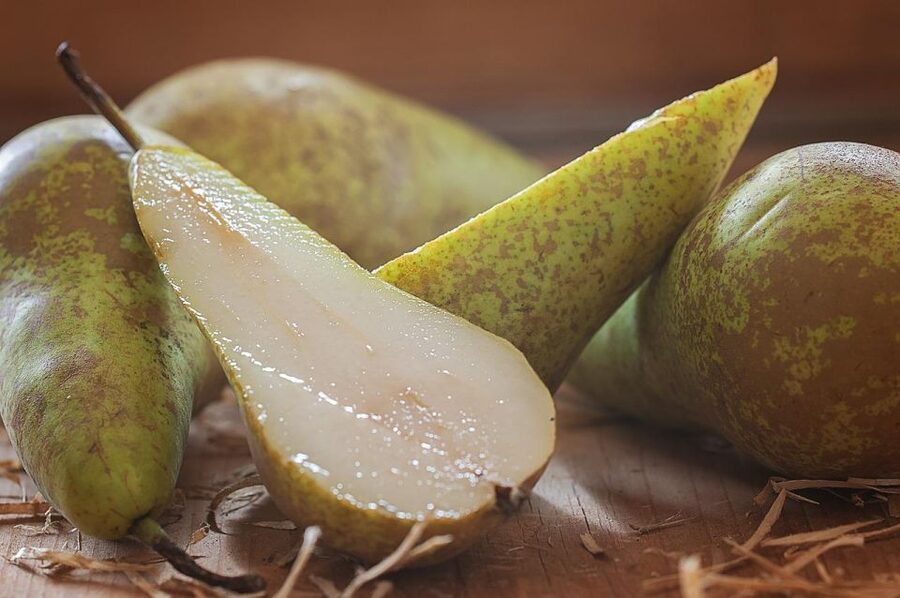
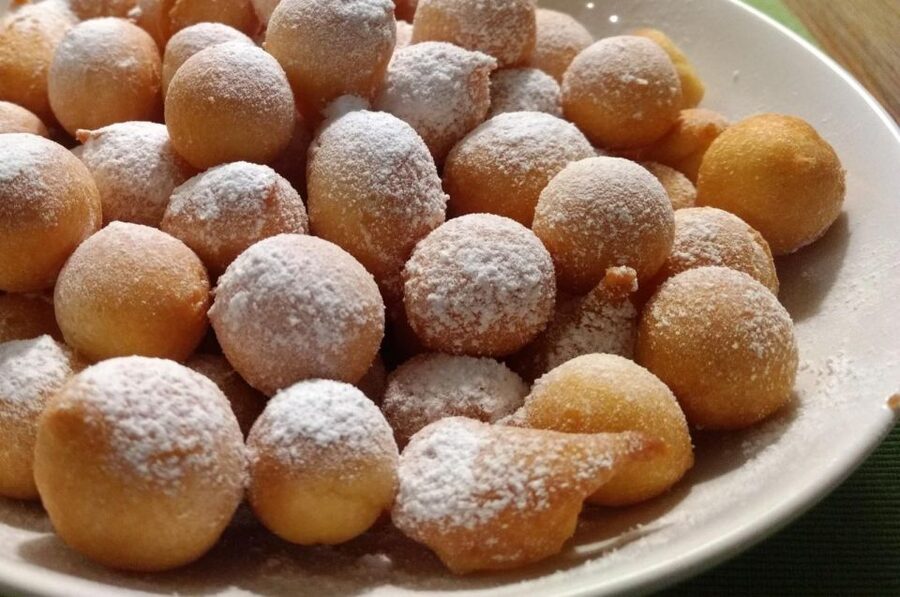
The final food stop is a family shop that specializes in traditional local sweets. The tour finishes with homemade fritule.
Fritule are small traditional sweet treats, and they provide an easy finish after the savory foods earlier in the walk. Ending at a family-run shop also reinforces the tour’s focus on small businesses rather than polished tourist dining rooms.
This stop is likely to appeal to anyone with a sweet tooth, but it also gives the guide a chance to explain how local celebrations and home cooking influence Split’s desserts. The provided information does not specify additional sweets, so fritule are the main treat you should expect here.
The route is listed as finishing at Narodni trg, also known as the People’s Square. The meeting information also says the activity ends back at the meeting point, so confirm the exact end location when you book. Either way, you finish in the central old town, not far from the main sights and streets of Split.
What the $94 Price Means
At $94 per person, this is not a budget snack walk. The price needs to cover a professional English-speaking guide, several tasting stops, and a small group capped at 10 people.
The value is strongest if you would otherwise spend time and money trying to locate these places yourself. You get a planned route through the Green Market, old-town sights, the fish market, a traditional burek stop, and a family sweets shop. You also get explanations about the city’s food customs rather than a plate handed over without context.
The price is less appealing if you want a full restaurant meal. This is a tasting tour, not a formal lunch or dinner. The total food may be enough for some people to count as a light meal, but that is not guaranteed by the listed tastings, and the portions are not specified.
I would book it early in a Split visit if food is one of your main interests. You can use the guide’s explanations to make better choices for the rest of your stay. It also works well on your first or second day because the route helps you understand the old town and points out the types of places worth noticing later.
Group Size, Guides, and the Pace of the Walk
A limit of 10 people is a real advantage in Split’s narrow central streets. A smaller group can gather around a market stall without blocking as much space, and you have a better chance of hearing the guide near Peristyle or inside a busy food stop.
The guides bring different personalities. Dee Dee is associated with a friendly, personal style and strong knowledge of Split’s past, culture, and food. Bruno is described as relaxed and easygoing, with a talent for making the tour feel informal and personal. Gita has also guided the experience.
The relaxed tone is useful because the tour covers more than food. You are walking, listening, tasting, and moving between public markets and small eateries. A guide who keeps the pace comfortable can make the experience feel like an introduction from a local friend rather than a formal lecture.
Seasonal closures are worth noting. One outing had to adjust because some restaurants were still closed for the season, though the food that was available was still considered good. This suggests that the exact stops can change outside the main season. Ask about current stop arrangements if you are visiting during a quieter time of year.
Who Should Book This Experience
I would recommend this tour to you if you want:
- A first look at Split’s food culture beyond standard restaurant meals
- Market visits and small family businesses
- A guide who can connect food with the old town and Diocletian’s Palace
- A small group instead of a large coach-style outing
- Several savory and sweet tastings in one short experience
- A relaxed introduction to burek, soparnik, fritule, cured meats, cheese, and market food
It is especially useful for first-time visitors who want help finding the less polished side of Split’s food scene. It also suits couples, families, and small groups who enjoy trying different foods without committing to a long restaurant meal.
You may want to skip it if you are looking for a full seafood lunch, a cooking class, or a tour devoted only to wine. It may also be a poor fit if you need a fully seated experience, since the route includes markets and walking through the old center.
Food allergies and dietary needs are not addressed in the supplied details. If this matters to you, ask before booking rather than assuming every tasting can be changed.
Booking Details That Matter
The tour is offered in English and includes a live guide. The listed duration is 2.5 hours, with starting times shown according to availability.
All food tastings are included in the price. You do not need to budget separately for the listed samples, though the information does not say that drinks or extra purchases are included.
You can cancel up to 24 hours before the activity for a full refund. The reserve-now, pay-later option lets you hold a place without paying immediately, which is useful when your Split schedule is still shifting.
The starting point is easy to identify: in front of St. Dominic Church, across from the Silver Gates of Diocletian’s Palace. Since the route stays in central Split, you should plan to arrive on foot and allow a little time to find the church and meeting spot.
Should You Book the Split Food Tour?
Book it if you want a compact, personal introduction to Split through markets, bakery food, family sweets, and the stories behind local eating habits. The strongest features are the small group, the Split-born guides, and the mix of places: the Green Market, Peristyle, fish market, burek stop, and fritule shop.
The $94 cost is fair for a guided route with all food included, but it is not the cheapest way to grab a few local snacks. Its value comes from the guidance and the connections between food and place. For a first visit, especially early in your stay, I think that added context makes the price easier to justify.
FAQ
How long does the food tour last?
The tour lasts 2.5 hours.
What is the price per person?
The listed price is $94 per person.
Where does the tour start?
The meeting point is in front of St. Dominic Church at Hrvojeva 2, across from the Silver Gates of Diocletian’s Palace.
What language is the tour offered in?
The live guided tour is offered in English.
How many people are in the group?
The group is limited to 10 participants.
Is food included in the price?
Yes. All food tastings included in the experience are covered by the price.
Which foods can I expect to taste?
The tastings include prosciutto, cheese, soparnik, burek with minced meat and cheese fillings, food at the fish market, and homemade fritule.
Does the tour visit a food market?
Yes. The route includes the Green Market and the Split fish market.
Does the tour include a visit to Diocletian’s Palace?
Yes. The walk includes Peristyle inside Diocletian’s Palace, where the guide discusses Split’s history.
Can I cancel for a full refund?
Yes. You can cancel up to 24 hours in advance for a full refund.
Just added in Split
- From Trogir, Seget, Okrug: Krka Waterfalls & Šibenik Culture Tour★ 5.0 · 10 reviews
- Krka Waterfalls & Primošten from Trogir, Seget, Čiovo & Kaštela★ 5.0 · 18 reviews
- Slatine – Island Hopping Excursion (Trogir/Blue Lagoon/Shipwreck)★ 4.0 · 24 reviews
- Island Hopping Boat Excursion with Lunch (Trogir,Blue Lagoon, Šolta)★ 3.5 · 6 reviews
- From Split & Trogir: ATV Quad Tour on Island Čiovo★ 5.0 · 21 reviews
- Split: Sunset Guided Kayaking Tour★ 4.8 · 71 reviews
- Split Sunset Stand Up Paddle Tour★ 5.0 · 16 reviews
- Stand Up Paddle Tour in Split★ 4.7 · 17 reviews
Food & Olive Oil Tasting Tours, compared.
Krka Waterfalls With Boat Cruise, Wine and Olive Oil
Read our review →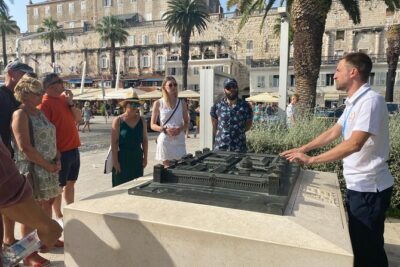
Split Food Tour: Discover Split One Bite At A Time
Read our review →
Dubrovnik Old Town Food Tour: Small-Group Experience
Read our review →
Browse the lists this tour appears in