
Reviewed · FOOD & OLIVE OIL TASTING TOURS
Zagreb: Food Tour with Tastings
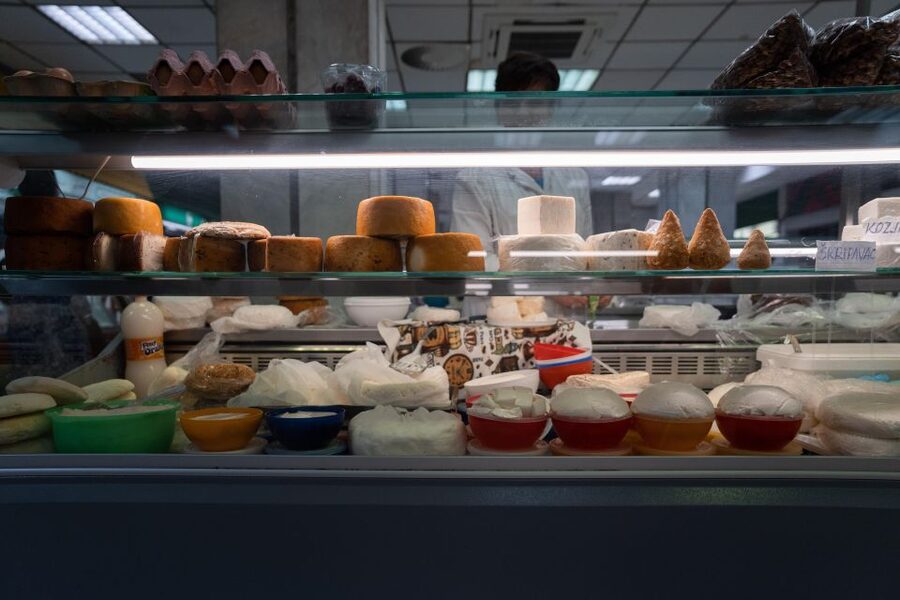
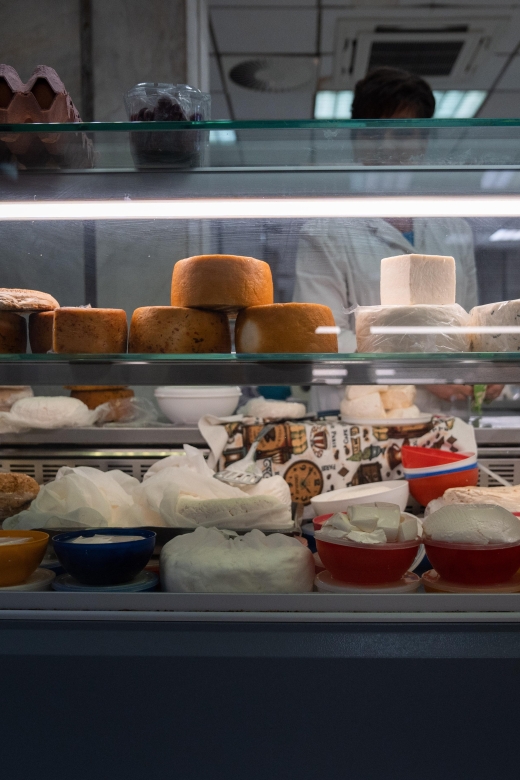
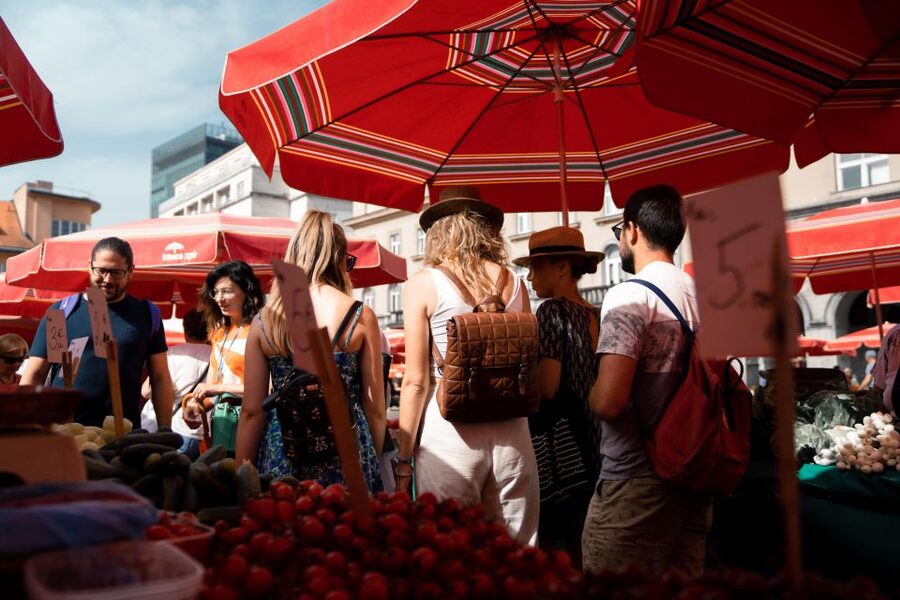
Zagreb’s best food lesson begins at the market, not in a polished restaurant. You start beneath the horse statue on Ban Jelačić Square, then walk to Dolac, where the city’s everyday food culture comes into focus through cheese, pastries, meats, regional specialties, and generous tastings. The portions are closer to brunch than nibbles, so breakfast is a poor idea.
I like the way this tour connects food with Zagreb’s customs and history, rather than treating each dish as a standalone sample. I also like the local focus: five food stops, the central green market, and guides such as Ivana, Ena, Darko, and Tonka who adjust the pace and choices to the group. The main drawback is timing: if your tour starts early, the full portions can feel like a lot before the final sweets and drinks.
Key points at a glance
- Start at Ban Jelačić Square: Meet beneath the horse statue and look for the guide carrying an orange umbrella.
- Dolac Market is the anchor: Explore Zagreb’s biggest and oldest green market while tasting fresh local ingredients.
- Expect a full meal: Burek, cheese, meats, regional products, dessert, and drinks add up quickly.
- Croatia comes to the table: You taste Zagreb specialties alongside Dalmatian pršut and Istrian olives.
- History comes with every stop: Guides explain food customs, architecture, Croatian history, and modern life.
- Plan for flexibility: Vegetarian options and allergy adjustments may be possible if you contact the local operator in advance.
Why this Zagreb food tour works so well
At $104 per person for 210 minutes, this is not a cheap grazing tour. It is closer to a guided meal with a walking introduction to central Zagreb. The price makes more sense if you value explanations, several organized tastings, and the chance to eat in places you might not find on your own.
The strongest part is the combination of food and local context. You are not simply handed a plate of burek and told its name. You learn how dishes fit into Croatian life, how Zagreb relates to other regions, and how local habits show up at the market and around the table.
The guides also give the experience a personal feel. Ivana is especially good at asking about preferences and shaping the route around them. Ena has handled family allergies while also talking about architecture and history. Darko has a relaxed, sociable style, and Tonka is known for bringing energy and cultural background to the walk. Guide assignments can change, but the pattern is clear: the host matters here, and this operator has several strong local personalities.
More eating your way around Zagreb:
- Taste Zagreb Food Tour
★ 5.0 · 256 reviews - Split: Krka Waterfalls With Boat Cruise, Wine and Olive Oil
★ 4.3 · 1,507 reviews - Split Food Tour: Discover Split One Bite At A Time
★ 5.0 · 433 reviews
Meeting the guide beneath the horse statue
The meeting point is easy to find. Go to the center of Ban Josip Jelačić Square and meet in front of the horse statue. The orange umbrella is the key marker.
This square is a useful place to begin because it sits at the heart of central Zagreb. Your guide can orient you before you head toward Dolac Market, and the opening walk gives the city some shape before the eating begins.
Do not bring a suitcase or large bag. Pets are not allowed, and comfortable shoes are important. You will be walking through the market and central streets, though the experience is not described as a strenuous walk. A small spare bag may be useful if you want to carry market purchases or save a sample for later.
Dolac Market: where Zagreb shops for food
Dolac Market is the main stage for the first part of the tour. It is Zagreb’s biggest and oldest green market, and it gives you a practical look at how fresh food reaches the city’s kitchens.
A guided market visit is more useful than a quick solo pass. Your guide can point out ingredients, explain local customs, and show you how food connects Zagreb with the rest of Croatia. This is the place to pay attention to the difference between a dish you eat in a restaurant and the ingredients people buy for home cooking.
The tastings begin with simpler food. You may try a homemade peasant-style dish and sir i vrhnje, a plain but important combination of cottage cheese and sour cream. It is not flashy food, but that is part of its value. You get a sense of the everyday side of Croatian cooking, where dairy, bread, meat, and seasonal produce do much of the work.
The market portion can feel substantial. The official timing gives Dolac about two and a half hours, though the complete tour lasts 210 minutes, so the exact pace and order can vary. Take your time, but do not fill up immediately. More food is coming.
Burek and Croatian comfort food
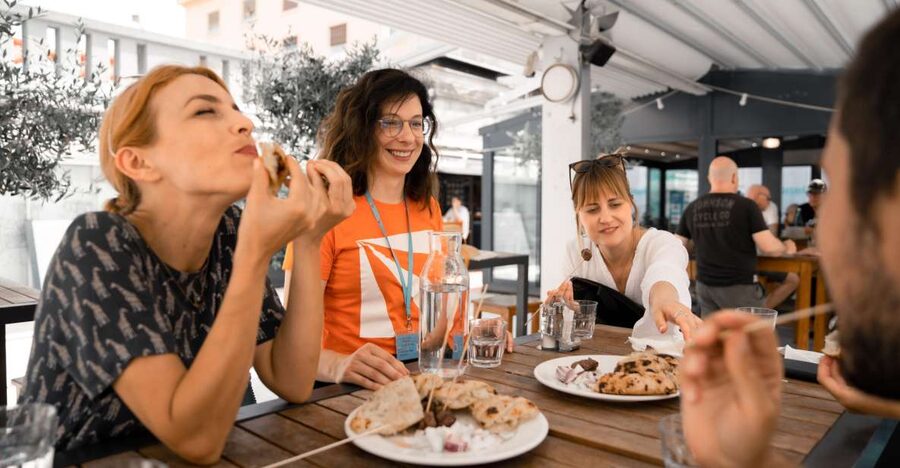
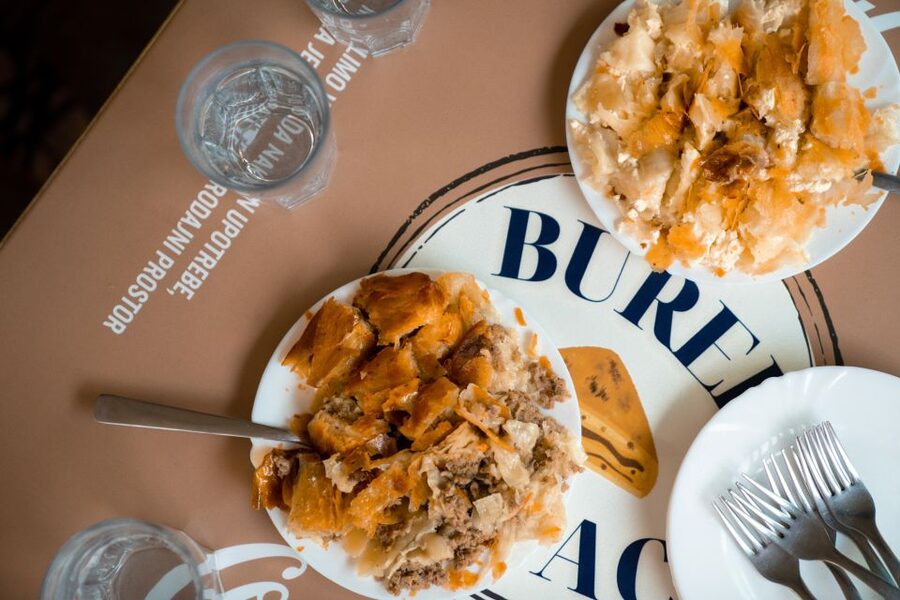
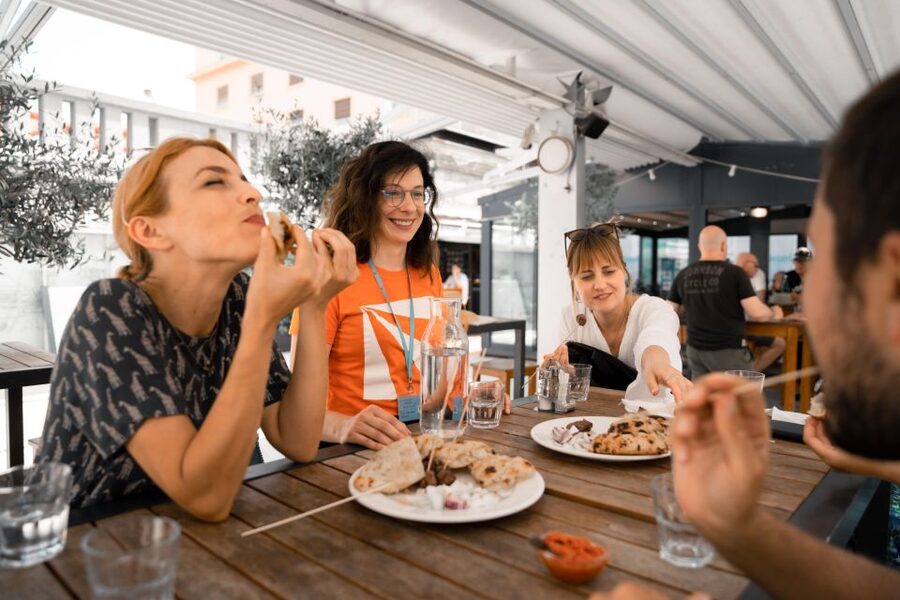
Burek is one of the most eagerly anticipated tastings on this route. It is a crusty, puffed pastry filled with ingredients such as meat or cheese. The layers and richness make it satisfying quickly, which is why the repeated advice to skip breakfast is practical rather than playful.
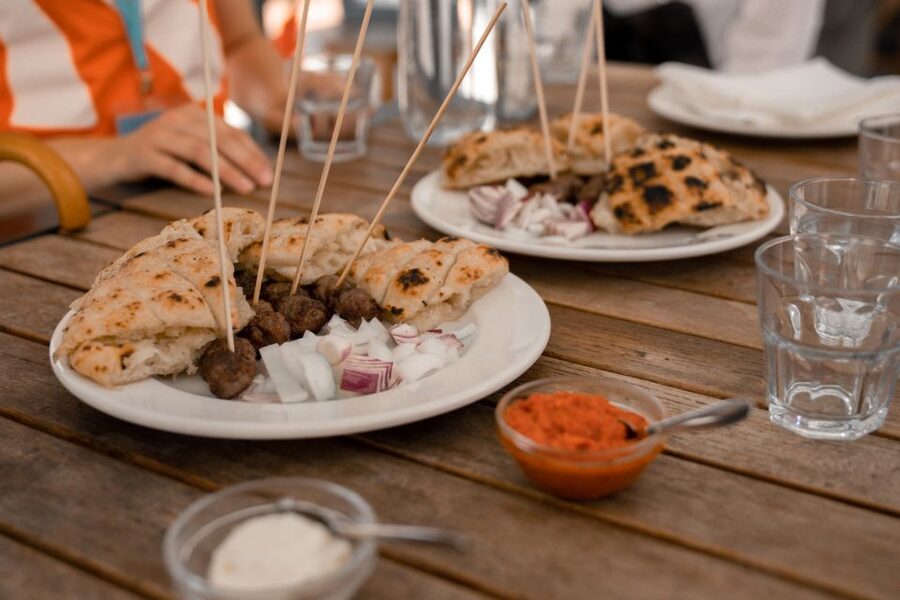
You may also taste kobasice i ćevapi, local meat dishes that show another side of Croatian street and casual food culture. Kobasice are sausages, while ćevapi are small grilled meat portions. These are hearty foods, and they help explain why the tour feels like a full brunch rather than a series of delicate bites.
I like this mix because it keeps the meal grounded. You are not only tasting special-occasion dishes. You are also trying food that fits ordinary eating habits, market shopping, and quick meals in the city.
A few more things to do in Zagreb worth a look
- Zagreb: Restaurants, Food & Old Town Walking Tour
★ 5.0 · 191 reviews - Fairytale Castle & Wine Tasting & Lunch
★ 5.0 · 19 reviews - From Split: Krka Waterfalls, Food & Wine Tasting Tour
★ 5.0 · 9,326 reviews - From Split: Krka Waterfalls, Food & Wine Tasting Tour
★ 4.9 · 6,598 reviews
Regional Croatia on one Zagreb table
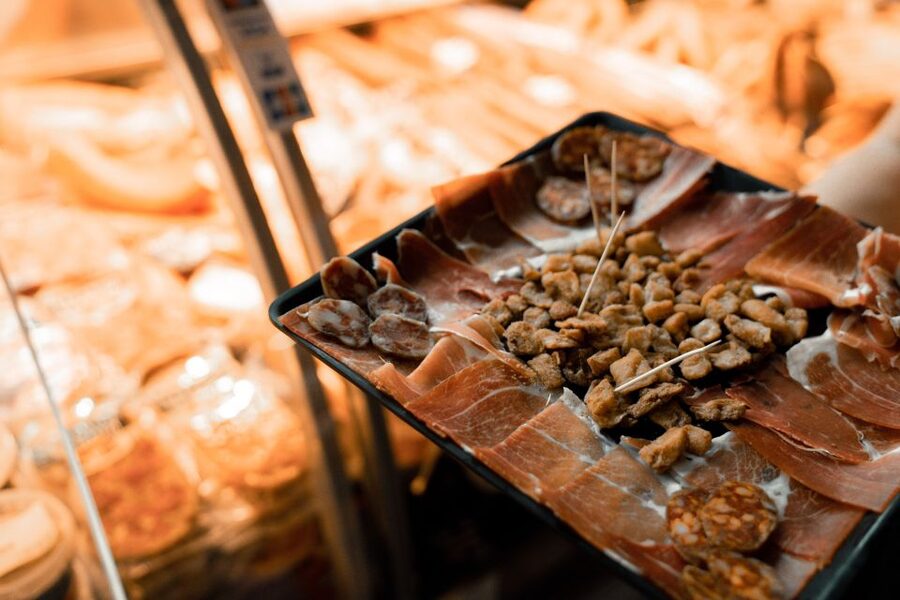
Although the route is based in Zagreb, it also gives you a broader taste of Croatia. Dalmatian pršut brings in the cured ham tradition of the coast, while Istrian olives add a note from the northern Adriatic region.
That regional range is one of the tour’s best features. Croatia is a small country, but its food traditions vary from inland Zagreb to Dalmatia and Istria. A single meal cannot explain all those differences, yet these samples give you a useful first map.
Your guide can also help you understand how Zagreb acts as a meeting point for these influences. This is especially helpful if your Croatia trip includes several regions. You can taste a coastal product in the capital and then recognize it later when you visit Dalmatia or Istria.
Warm štrukli and the sweet finish
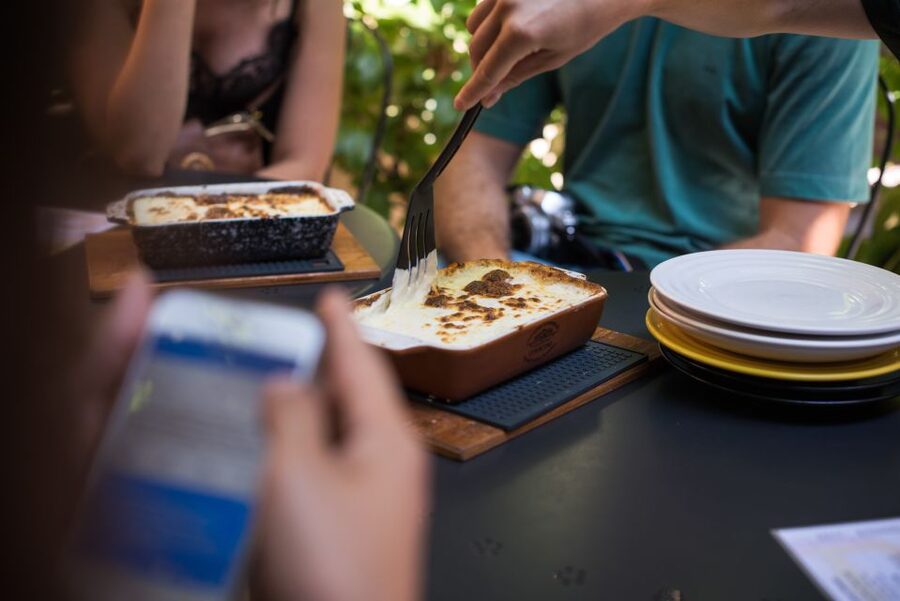
You should save room for štrukli, one of Zagreb’s most distinctive foods. This unusual local dish is best served warm and may be presented as a dessert-style tasting on the route.
The warmth matters. Štrukli is not simply a sweet pastry grabbed on the way out. It is a dish with a strong local identity, and tasting it warm gives you a better sense of why it belongs on a Zagreb food itinerary.
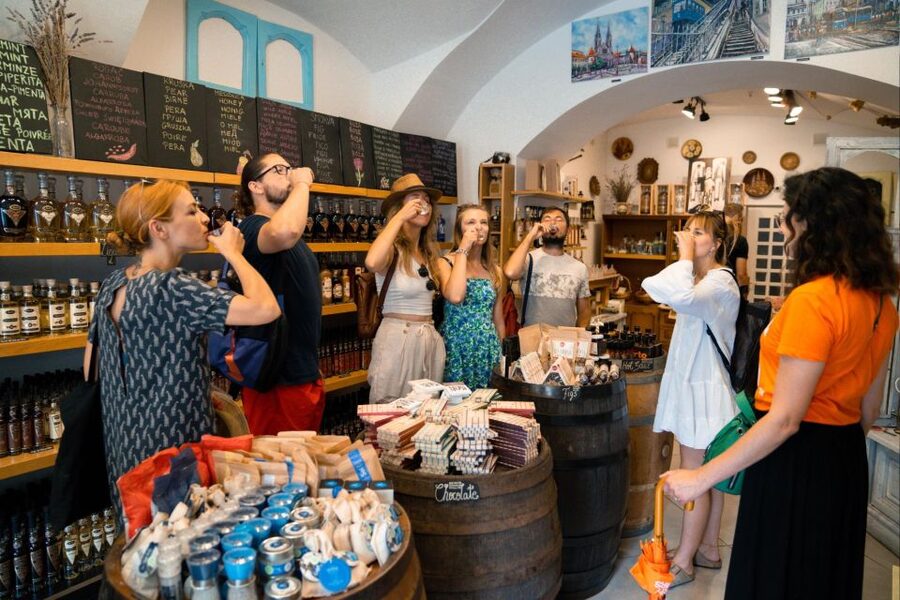
The final stretch also includes chocolate connected with Zagreb’s own chocolate-making tradition. The tour does not treat dessert as an afterthought. You get both a city-specific specialty and a familiar treat with a local angle.
Depending on the route and group, the end may also include an aperitif or local shots. These add a social note, but they are worth keeping in mind if you do not drink. Additional food and drinks beyond the included tastings are not covered.
A walking history lesson with your meal
Food is the main reason to book, but the city lesson is a major part of the value. Guides explain Zagreb’s history, customs, architecture, and the way Croatia has changed in recent years.
The best guides adjust the conversation to the group. Darko has discussed language, politics, sport, the move to the euro, and the cost of living. Other guides have used the food stops to explain family traditions and regional identity. You can ask questions, and the format leaves room for conversation rather than forcing you through a fixed speech.
This makes the tour useful on your first day in Zagreb. You learn what to order, where locals shop, and which parts of the city deserve more time. Several guides have also offered suggestions for later meals and places to visit.
I would choose this early in a Zagreb stay if possible. The information carries forward, and you can return to a market stall, bakery, or restaurant with a better idea of what you are looking at.
Food restrictions and group comfort
Contact the local operator before booking if you have allergies, follow a vegetarian diet, or need other special arrangements. The guides have adjusted food choices for allergies and provided vegetarian alternatives at most stops in past tours, but the information does not promise that every tasting can be changed.
The same caution applies to gluten-free diets. One past arrangement included gluten-free food and bread, but you should not assume this will happen automatically. Advance notice is essential.
Small groups can make a real difference. Some outings have had only two people, while another group of four enjoyed a particularly comfortable size. A smaller group allows the guide to ask about preferences, change the conversation, and make the stops feel less hurried. Group size is not specified as a fixed feature, so do not book expecting a private tour unless your reservation confirms it.
How much food should you expect?
The clearest practical advice is simple: skip breakfast, or eat very lightly. Several tastings are full portions rather than tiny samples, and the meal builds from market foods to meat, regional products, drinks, and dessert.
If your tour begins in the morning, this can be a lot. One person who ate breakfast beforehand found the schedule better suited to a later start, around 1:00 or 2:00 p.m. You may not control the start time, so check availability before booking.
Pace yourself. You do not need to finish every bite immediately, and a small bag can help if a portion is suitable to carry. The final sweets are worth preserving room for.
The tour is also not ideal for someone seeking a light tasting crawl. You get generous servings, and the meal may replace lunch. That is good value for a hungry eater, less so for anyone who prefers many tiny samples.
Is $104 a fair price?
The answer depends on how you normally explore a city. If you only want to buy a burek, visit Dolac, and eat dinner independently, you can spend less. The $104 covers a certified local guide, the market visit, and tastings at five food spots, but additional food and drinks are extra.
The value comes from the full package. You are paying for organized access to several stops, regional comparisons, a substantial amount of food, and three and a half hours of local explanation. You also avoid guessing what to order or trying to fit the market, bakeries, restaurants, and dessert shops into one morning.
For a first visit, I consider the price reasonable if you want food to be your main way into Zagreb. It is less attractive if you are on a strict budget, have a very limited appetite, or already have a detailed food plan.
Who should book this experience?
This tour suits first-time visitors, curious eaters, couples, families, and anyone who likes a city walk with plenty of conversation. It is especially useful for people who know little about Croatian food and want a broad introduction without spending several days working through menus.
It also works for returning visitors. One person who had already visited Croatia several times still encountered dishes they had not tried before. The regional tastings make the route worthwhile even if you have eaten along the coast.
You may want to choose another activity if you need a very light meal, dislike meat and dairy, or want a purely historical walking tour. Vegetarians can receive options, but the core menu includes cheese, meat, sausages, ćevapi, and pršut. People with allergies need to arrange details ahead of time.
Free cancellation is available up to 24 hours before the start, and you can reserve without paying immediately. These terms are helpful if your Zagreb plans are still shifting, but they do not change the need to check the starting time and dietary arrangements.
Should you book the Zagreb food tour?
Book it if you want a generous introduction to Zagreb through food, markets, and conversation. The combination of Dolac Market, burek, sir i vrhnje, ćevapi, pršut, olives, warm štrukli, chocolate, and local drinks gives you more than a single specialty.
I would book it near the start of a Zagreb stay, arrive hungry, wear comfortable shoes, and contact the operator early about food restrictions. Skip it if you want tiny portions, a fixed private itinerary, or a low-cost market visit. For everyone else, the price buys a useful first taste of the city and a better idea of what to eat next.
FAQ
Where does the Zagreb food tour start?
Meet your guide in front of the horse statue at the center of Ban Josip Jelačić Square. The guide will carry an orange umbrella.
How long does the tour last?
The experience lasts 210 minutes, or three and a half hours. Starting times vary, so check availability when booking.
Which foods are included?
Tastings can include a homemade peasant-style dish, sir i vrhnje, burek, kobasice, ćevapi, warm štrukli, Dalmatian pršut, Istrian olives, chocolate, and local drinks.
Does the tour visit Dolac Market?
Yes. You visit Dolac Market, Zagreb’s biggest and oldest green market, and taste fresh local ingredients and dishes there.
Is breakfast recommended before the tour?
No. The tastings are generous, and the experience often works as a full brunch. It is best to skip breakfast or eat very lightly.
Can the tour accommodate allergies or vegetarian diets?
Contact the local operator in advance with your requirements. Guides have adjusted tastings for allergies and provided vegetarian options at many stops, but every food stop may not be changeable.
What should I bring?
Wear comfortable shoes. Do not bring pets, luggage, or large bags. A small bag may be useful for market purchases or food you want to carry.
Just added in Zagreb
- Toast to the Morning After: Zagreb Museum of Hangovers Visit★ 4.0 · 39 reviews
- From Split: Transfer to Zagreb with Stop at Plitvice Lakes★ 4.6 · 44 reviews
- Private Walking Tour of Zagreb★ 4.9 · 5 reviews
- Jump into Zagreb: Walking Tour with local guide★ 4.8 · 3 reviews
- From Zagreb: Varazdin Baroque Town & Trakoscan Castle★ 4.9 · 38 reviews
- From Zagreb: Plitvice Lakes National Park Full-Day Tour★ 4.7 · 98 reviews
- From Zagreb: Prehistoric and Medieval Croatia Tour★ 4.9 · 3 reviews
- From Zagreb to Plitvice Lakes and Rastoke – Private day tour★ 5.0 · 4 reviews
Food & Olive Oil Tasting Tours, compared.

Krka Waterfalls With Boat Cruise, Wine and Olive Oil
Read our review →
Split Food Tour: Discover Split One Bite At A Time
Read our review →
Dubrovnik Old Town Food Tour: Small-Group Experience
Read our review →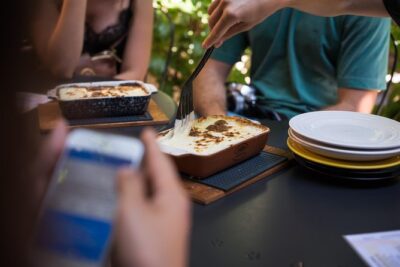

Browse the lists this tour appears in