
Reviewed · WALKING TOURS
A walk through life in communist Yugoslavia
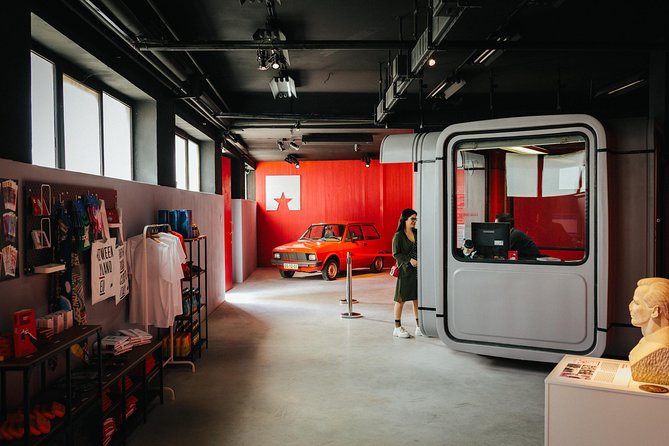
Dubrovnik is known for medieval walls and Adriatic views, but the Red History Museum shows a far newer and less polished side of the city’s past. In a compact 300-square-meter space, you move through everyday life in communist Yugoslavia using room sets, genuine objects, music, and interactive displays.
I like the museum’s focus on ordinary life, not just dates and political leaders. I also like the way it brings in design, popular culture, the secret police, and Yugoslavia’s Non-Aligned position. The main drawback is its short visit: you may finish in under an hour, and the final years of the system’s collapse receive less attention than some visitors would prefer.
Key points to know before you go
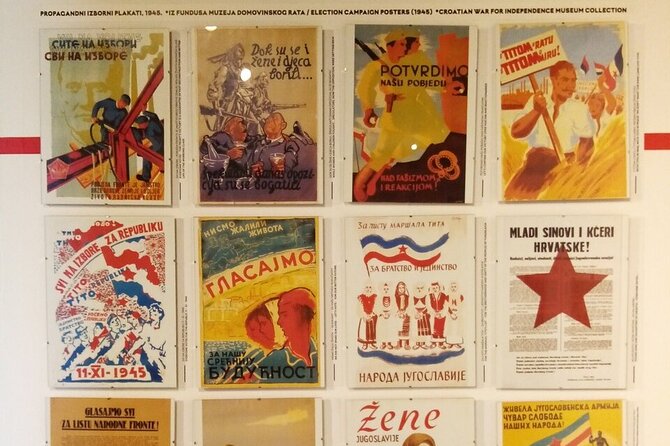
- A 300-square-meter time capsule: Room sets and household objects give the period a physical, human scale.
- A look beyond political slogans: Exhibits cover art, design, music, secret agencies, and daily routines.
- Plan for about one hour to 90 minutes: The advertised visit can range from 50 minutes to 1 hour 35 minutes.
- The story covers the full communist period: You follow Yugoslavia from its early years through the end of the system.
- Mobile admission is included: Prepaid entry helps you avoid buying a ticket at the counter.
- The ending may feel brief: The breakdown of the system and its final years could use more space.
Why this museum adds another layer to Dubrovnik
The Red History Museum gives you a break from the usual Dubrovnik story. The city’s old center naturally pulls attention toward medieval walls, churches, stone lanes, and maritime trade. This museum shifts the clock forward to the 20th century, when Croatia was part of communist Yugoslavia.
That change in focus matters. If you know little about Yugoslavia, the museum gives you a useful starting point before you visit other sites in Croatia. If you already know the broad political story, the everyday objects and room displays help turn an abstract period into something you can picture.
The museum is not built around a single grand monument. Its strength is scale. A room, a record, a piece of furniture, a household item, or a political display can show how public ideas reached into private life.
You also get a look at contradictions within Yugoslav society. The experience addresses politics and surveillance, but it also includes design, music, art, and the country’s international position. That wider view keeps the museum from becoming a simple display of party symbols.
Other guided walks in Dubrovnik:
- Dubrovnik: Old Town Walking Tour
★ 4.8 · 5,174 reviews - Dubrovnik Discovery Old Town Walking Tour
★ 5.0 · 4,458 reviews - Dubrovnik: Game of Thrones Walking Tour
★ 5.0 · 1,732 reviews
Entering the 300-square-meter Red History Museum
The museum is at Ul. Svetog Križa 3 in Dubrovnik. Your activity begins and ends there, so you do not need to coordinate a separate return transfer or find a second meeting point.
The space is described as an interactive experience rather than a traditional collection of glass cases. That means you should expect displays that ask you to look at how people lived, what they used, what they listened to, and how the political system shaped daily routines.
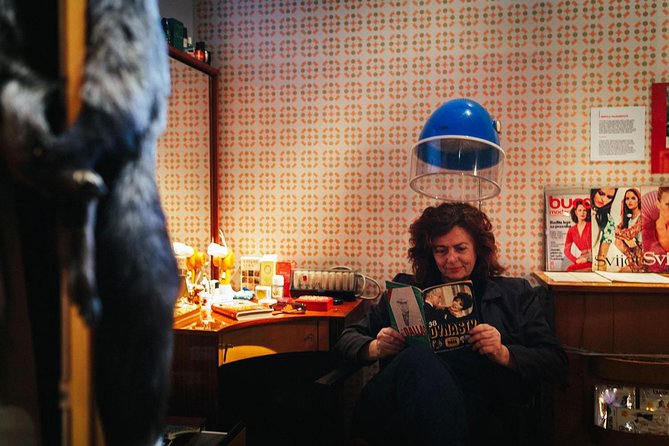
The room sets are especially useful. A label can tell you what an object is, but a furnished setting gives you a better sense of how objects worked together. It also makes the experience easier for children and for anyone who prefers visual storytelling to long blocks of text.
The museum uses both older and newer technology. The exact format of every display is not specified, so you should not expect a single type of presentation throughout. The mix may include physical objects, room arrangements, sound, and interactive elements.
Everyday life, not just official history
The most appealing part of the museum is its attention to normal life under the Yugoslav regime. You are not only following government changes. You are also looking at the culture that surrounded people at home and in public.
That approach gives you several ways into the subject:
- Household objects show what daily routines looked like.
- Room sets make the period easier to visualize.
- Music brings popular culture into the story.
- Art and design show how style developed within the political system.
- Personal stories connect public events with individual lives.
This is why I would recommend the museum even if political history is not your favorite subject. You can approach the past through objects, sound, and design rather than memorizing a sequence of leaders and dates.
The experience also helps explain why the period cannot be reduced to one simple label. The museum addresses the Communist party and the watchful nature of the state, but it also presents creativity, popular music, international connections, and the way people built ordinary lives within the system.
Secret agencies and the watchful state
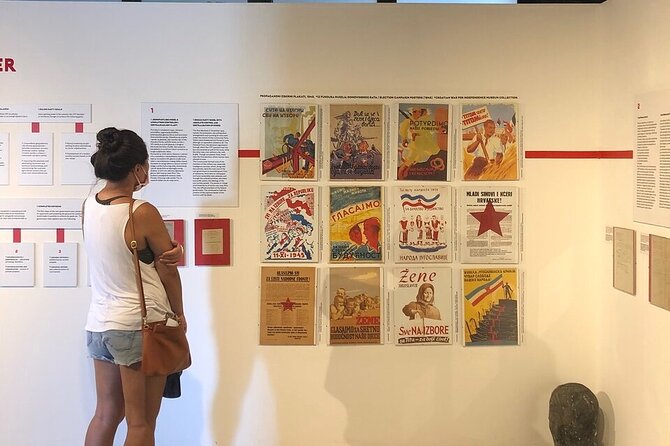
The museum includes material about secret police and other parts of totalitarian society. This is one of the more serious sections of the visit, and it gives the political story sharper edges.
You learn that government power was not limited to speeches or public symbols. The idea of being watched, monitored, or controlled affected how people understood their own society. The museum’s stated aim is to share real-life stories of people who lived under the watchful eye of the Communist party, which makes this part more personal than a simple description of government institutions.
Expect a sober change of mood here. The displays about surveillance sit beside more familiar material about music, design, and household life, but the contrast is useful. It shows how a society can have lively cultural life while still operating under political limits.
The museum is also a reminder that nostalgia needs care. A display of music, furniture, or a popular design style can feel familiar or even charming. The sections on secret agencies and political control place those items in a fuller setting.
Same base, a different kind of day out:
- Blue Cave Small-Group Boat Tour from Dubrovnik
★ 5.0 · 9,360 reviews - Full-Day Dubrovnik Elaphite Islands Cruise with Lunch and Drinks
★ 5.0 · 8,823 reviews - Dubrovnik: Epic Game of Thrones Tour + Lokrum & Saver Option
★ 4.9 · 5,995 reviews - Dubrovnik: Elaphiti Islands Full-Day Cruise with Lunch
★ 5.0 · 5,938 reviews
Yugoslavia’s art, design, music, and Non-Aligned identity
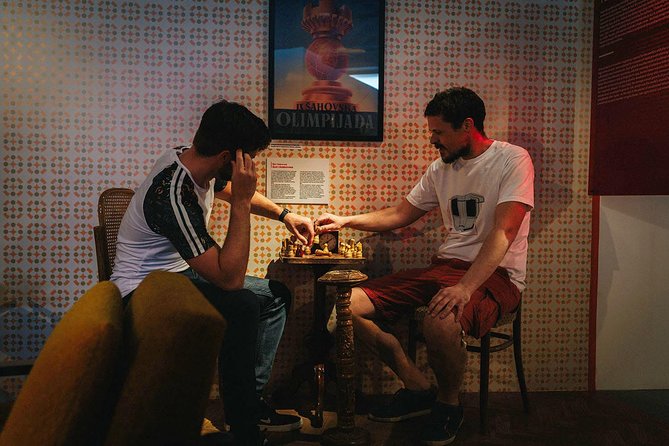
The museum does not treat Yugoslavia as an isolated country. It includes the art and design of the period, the greatest hits of the time, and the way of the Non-Aligned movement.
For you, the music may be the fastest route into the era. Sound can do something a written panel cannot. It helps set the mood of the period and gives the museum a more active feel. The music also keeps the visit from becoming a purely political lesson.
The design displays add another useful layer. Design reveals what people valued, what materials were available, and how a society expressed modernity. The museum’s combination of objects and room sets lets you see style in context instead of treating it as a collection of isolated pieces.
The Non-Aligned material is important because it widens the story beyond local politics. The museum presents Yugoslavia’s international position as part of the experience, so you get a sense that the country’s identity was shaped by more than its relationship with neighboring European states.
The supplied information does not identify specific objects, songs, artists, or political figures. That is worth keeping in mind if you are hoping for a detailed specialist collection. The museum is designed as an accessible overview with many points of entry, not as a research archive.
Following the story from beginning to end
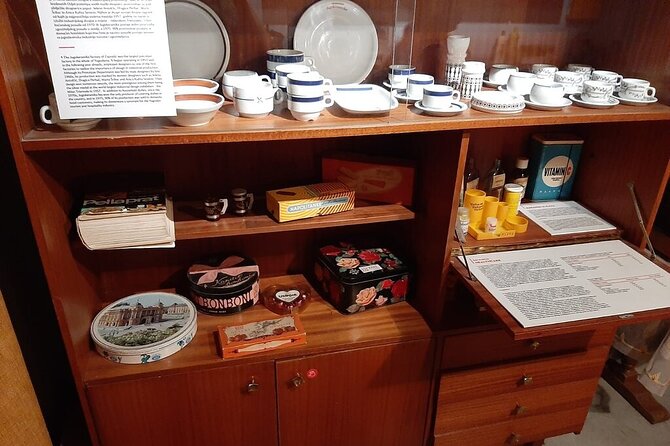
The museum charts communist Yugoslavia from its beginning through the end of the system. That broad time span gives you a clear structure for the visit.
The early and middle sections help establish the political setting and the routines of daily life. You can then connect those displays with the art, music, design, and international material. The result is a general story of how public policy and private life sat side by side.
The final part is the weaker point. The museum does not give as much attention to the last years and the breakdown of the system as some people may want. If you are mainly interested in the end of Yugoslavia, this experience may feel incomplete.
I would still view that limitation in proportion. The museum is a compact visit, not a full course on the breakup of Yugoslavia. Its strongest work is showing what life looked and felt like during the communist period. For a detailed account of the final political crisis, you would need another source or a longer historical program.
How long should you allow?
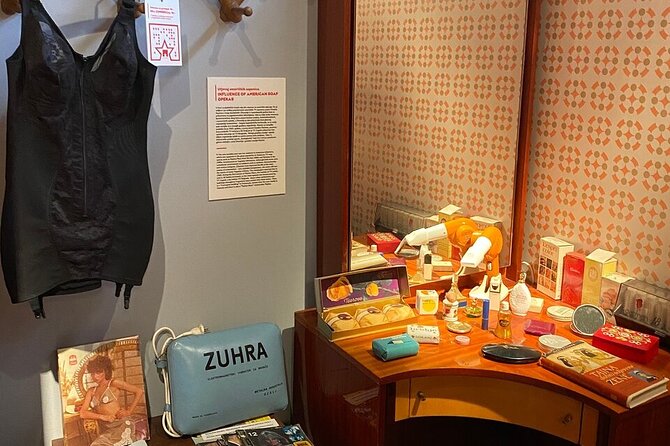
The visit is listed at about 50 minutes to 1 hour 35 minutes, with the main itinerary giving an estimate of 1 hour 30 minutes. In practical terms, allow about an hour and a half if you want to read the displays and spend time with the interactive material.
You can move faster if you mainly want an overview. You may also spend longer with the room sets, music, and political sections if this period is new to you.
That flexible length makes the museum easy to fit around other Dubrovnik plans. It can work as a focused cultural stop rather than an all-day commitment. Still, do not treat it as a five-minute attraction on your way somewhere else. The value comes from letting the different parts connect.
The group capacity is listed at a maximum of 200 people. That is a large possible number for a 300-square-meter space, so the feel of the visit may depend on how busy the museum is when you arrive. Prepaid admission guarantees entry on your chosen day, but it does not promise a private visit or a small group.
Is the $211 price good value?
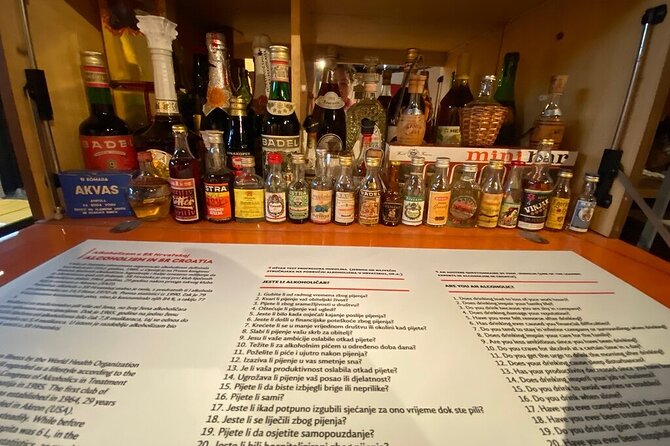
The listed price is $211, which is a substantial amount for an experience lasting roughly 50 to 95 minutes. At that price, you should check exactly what your booking includes before paying, since the information supplied describes prepaid museum admission and a mobile ticket, not a longer guided tour or transport.
The value is easier to defend if you place a high priority on modern Croatian history and want a focused, ready-to-use visit. You are paying for access to an interactive museum with room sets, genuine 20th-century artifacts, political material, music, and an organized historical story.
The value is harder to defend if you only want a quick look at old objects or if you expect a full guided explanation from a named historian. No guide names are provided, and the experience is described as museum admission rather than a personal walking tour.
I would compare the price with your overall Dubrovnik plans. If this booking is simply admission for one person, $211 deserves careful checking. If the amount covers a larger booking or another service not detailed here, the calculation may be different. The museum itself sounds worthwhile, but the price is the key point to verify.
Who will get the most from this visit?
I would recommend the Red History Museum to you if you want context for modern Croatia, especially if communist Yugoslavia is unfamiliar territory. It is also a good choice for anyone who learns best through objects, sound, room arrangements, and visual displays.
Families may find the interactive format easier to handle than a long historical lecture. Adults interested in politics, design, popular music, or 20th-century Europe will have several routes through the exhibits.
The museum may not suit you if you want a long, highly detailed explanation of the breakup of Yugoslavia. It may also feel too compact if you prefer large museums with extensive collections and many hours of material.
Service animals are allowed, and the museum is near public transportation. Most people can participate. Those details make the visit fairly straightforward for a wide range of visitors, though the supplied information does not give specific details about every physical feature of the space.
Booking and cancellation details that matter
You receive confirmation at the time of booking, and the ticket is mobile. Prebooking lets you secure entry for your chosen day and avoid waiting at the ticket counter.
Free cancellation is available if you cancel at least 24 hours before the experience starts. Inside that 24-hour window, you receive no refund, and changes are not accepted. The cut-off follows local Dubrovnik time.
Because the duration is short and the meeting point is fixed, this is easy to place in a day of sightseeing. Give yourself enough time to reach Ul. Svetog Križa 3, then plan to finish at the same location.
Should you book the Red History Museum?
Book it if you want a compact, thoughtful look at how people lived in communist Yugoslavia. The museum’s strongest features are its room sets, genuine period objects, music, attention to art and design, and willingness to address secret police and political control alongside daily life.
I would be cautious about the $211 price. Confirm what the booking covers before committing, since the stated experience is museum admission and the visit may last only about an hour. If the price checks out for your party and you want modern historical context, this is a useful Dubrovnik stop. If you mainly want the final story of Yugoslavia’s collapse, choose it only with the understanding that this part receives less attention.
FAQ
Where does the Red History Museum experience begin?
It begins at the Red History Museum, Ul. Svetog Križa 3, 20000 Dubrovnik, Croatia.
Where does the visit end?
The activity ends back at the meeting point, at the Red History Museum.
How long does the museum visit last?
The estimated duration is about 50 minutes to 1 hour 35 minutes. The main itinerary gives an estimate of 1 hour 30 minutes.
Is museum admission included?
Yes. Admission to the Red History Museum is included.
Do I receive a mobile ticket?
Yes. The experience includes a mobile ticket.
What does the museum cover?
It covers everyday life in communist Yugoslavia, including politics, art, design, music, secret agencies, the Non-Aligned position, and real-life stories from the period.
Can service animals participate?
Yes. Service animals are allowed.
Can I cancel for a full refund?
Yes, if you cancel at least 24 hours before the experience start time. Cancellations made less than 24 hours before the start time are not refunded, and changes within that period are not accepted.
More walking tours in Dubrovnik
- Dubrovnik Old Town History Walking Tour
★ 5.0 · 1,684 reviews - Dubrovnik: City Walls Early Morning or Sunset Walking Tour
★ 4.8 · 1,523 reviews - Dubrovnik: Ancient City Walls & Wars Walking Tour
★ 5.0 · 1,270 reviews - Dubrovnik: Game of Thrones Walking Tour
★ 4.9 · 981 reviews
Just added in Dubrovnik
- Wine Lover’s Tour of Peljesac Peninsula★ 5.0 · 150 reviews
- Explore Mostar, Ston and Kravice Waterfalls ( Small Group )★ 4.5 · 166 reviews
- Traditional Dalmatian Cooking Class from Dubrovnik★ 5.0 · 49 reviews
- From Dubrovnik: Split Day Trip and City Tour with Transfers★ 4.5 · 70 reviews
- Dubrovnik airport transfer★ 5.0 · 116 reviews
- Dubrovnik to Split Private transfer up to 8 pax (Door to Door any location)★ 5.0 · 151 reviews
- Jet Ski Rent 1h★ 5.0 · 147 reviews
- Luxury private transfer: Dubrovnik airport to Dubrovnik★ 5.0 · 111 reviews
Walking Tours, compared.
Walking Tour of Split and Diocletian’s Palace
Read our review →

Krka Waterfalls tour with Trogir Walking tour and Krka panoramic boat cruise
Read our review →
City Walls Early Morning or Sunset Walking Tour
Read our review →
Browse the lists this tour appears in