
Reviewed · MUSEUMS
Toast to the Morning After: Zagreb Museum of Hangovers Visit
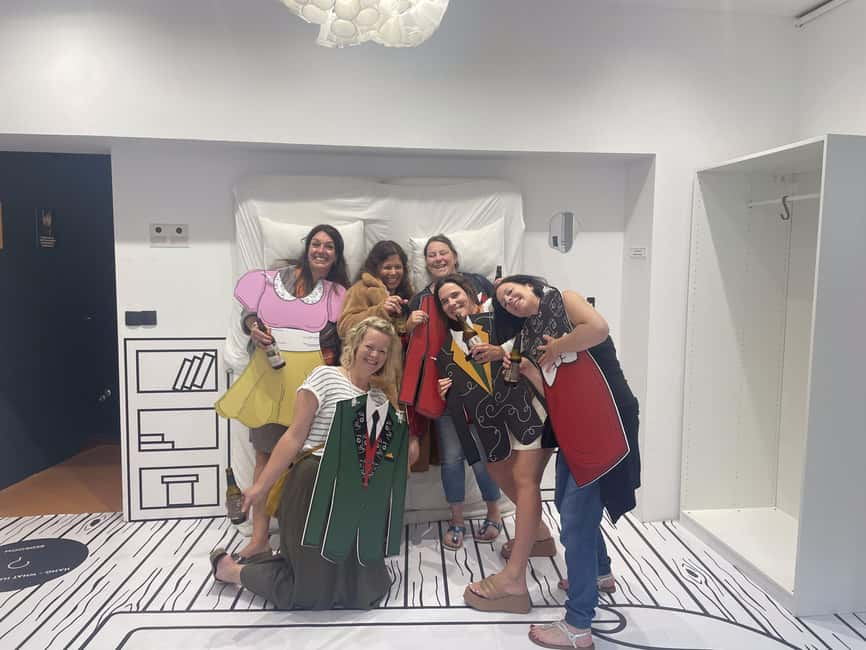
The world’s only Museum of Hangovers turns the morning after into a compact, playful museum visit. You’ll see cultural cures, hangover-themed art, and interactive displays that show how alcohol affects balance and judgment. I like the mix of laughs and useful information, especially the drunk walking and drunk driving activities. I also like that the visit ends with a local drink sample.
The main drawback is its size. You may spend about an hour if you read everything and try the activities, but you could finish much sooner. Paid drinks are available during the visit, though the €15 experience includes only a shot glass of local drink, not a beer, wine, or rakia.
Key points at a glance
- A dark doorway on Vlaška Street: Enter through the dark door on the right, halfway along the passage at Vlaška 55.
- Try the blackout room: A flashlight is provided as you explore this low-light display.
- Test your balance and judgment: Drunk walking and drunk driving activities make the effects of alcohol easier to understand.
- Compare global cures: Exhibits show how different cultures have tried to deal with hangovers.
- Finish with a local sample: Your €15 ticket includes a shot glass of local drink.
- Plan for a short visit: Allow around an hour if you read and take part in the activities, though a faster visit is possible.
What the Museum of Hangovers is really about
This is not a traditional museum where you quietly study old objects behind glass. The Museum of Hangovers uses jokes, games, stories, and visual displays to look at a familiar human problem: what happens after too much alcohol.
I like the basic idea because it gives Zagreb something different from its churches, markets, and historic streets. You are not simply reading about drinking customs. You are invited to test your balance, think about alcohol’s effect on driving, and compare home remedies from different parts of the world.
The tone is light, but the subject has a useful side. Activities such as drunk walking and drunk driving show why alcohol can affect coordination and decision-making. The humor makes the message easy to remember without turning the visit into a lecture.
The museum works best as a short city stop. It is not an all-day attraction, and you should not expect a large collection or a long guided tour. Think of it as an entertaining hour in central Zagreb, with enough unusual material to give you something to talk about afterward.
A few more things to do in Zagreb worth a look
- Zagreb: Skip-the-Ticket-Line Museum of Broken Relationships
★ 4.5 · 847 reviews - Zagreb: Nikola Tesla Technical Museum Ticket
★ 4.5 · 520 reviews - Zagreb: Museum of Illusions Entrance Ticket
★ 4.0 · 261 reviews
Finding the dark door at Vlaška 55
The meeting point is the Museum of Hangovers at Vlaška 55 in Zagreb. The entrance can be easy to miss because you need to enter the dark door on the right in the middle of the passage.
I suggest slowing down as you approach the address and checking the doorway carefully. This is not the kind of museum entrance that announces itself with a large, formal facade. Once inside, you are welcomed by a host or greeter who can speak Croatian or English.
The experience is valid for one day, with starting times based on availability. You can also reserve now and pay later, which helps if your Zagreb schedule is still taking shape. Cancellation is free up to 24 hours before the scheduled visit.
The museum is in a central part of Zagreb, so it fits well between other city sights. You do not need to set aside a full day, despite the activity listing showing a one-day validity period. In practical terms, you are booking access for a short museum experience on your chosen date.
Starting with a drink and a local welcome
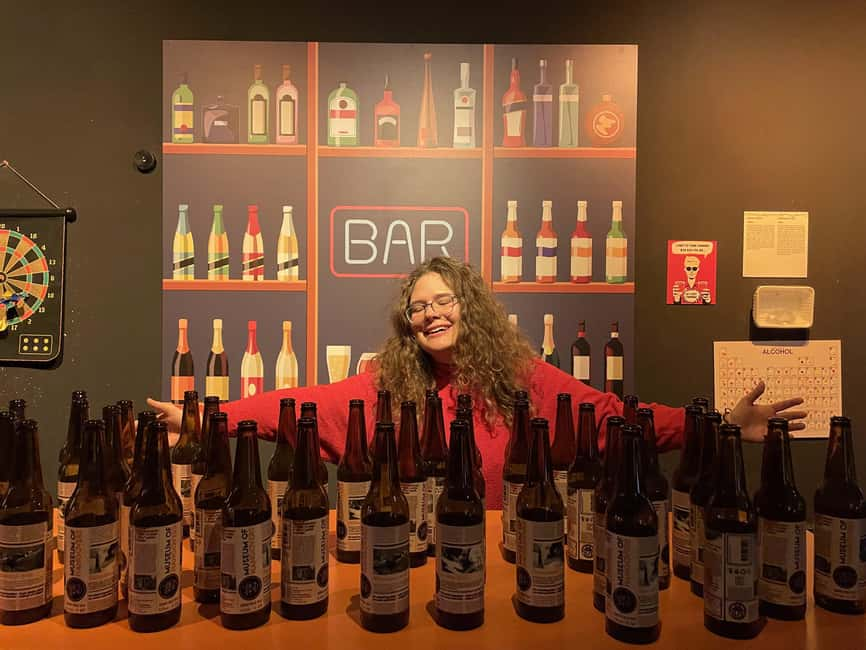
At the beginning, you can explore with a beer, wine, or rakia in hand, but these drinks cost extra. This detail matters because the promotional idea of touring with a drink can make the visit sound more all-inclusive than it is.
Your ticket includes a shot glass of local drink. A complimentary drink at the end was a welcome surprise for some visitors, but you should treat the included item as a small local tasting rather than a full drink service.
Rakia is a strong fruit brandy found across Croatia and the Balkans, so the sample gives the visit a local connection. If you are curious about regional drinking customs, this is more interesting than receiving a standard soft drink. If you do not drink alcohol, check with the host about what is available before ordering anything extra.
Smoking is not allowed, and outside drinks are not permitted. That keeps the museum space orderly, though you should not arrive expecting to bring your own bottle or continue drinking from a nearby bar.
The blackout room and flashlight activity
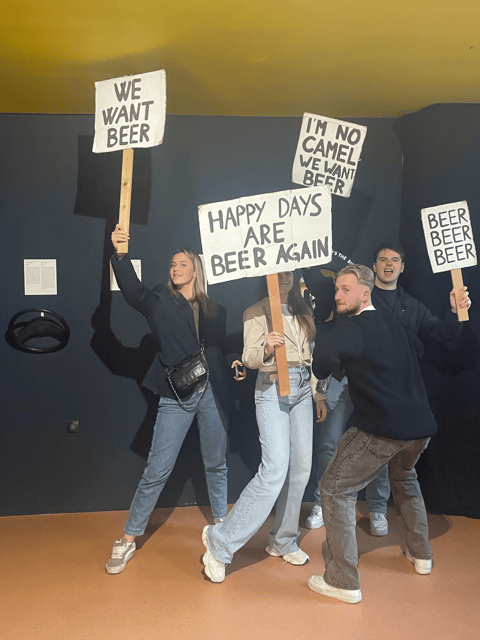
One of the more distinctive features is the blackout room. You receive a flashlight to explore it, which gives the visit a physical element right away.
The point is not simply to make the room dark. Reduced visibility can make ordinary movement feel less certain, and the flashlight gives you a small tool to work with as you look around. It adds variety to the museum because you are not only reading panels or viewing artwork.
I would pay attention to how the room changes your sense of direction and confidence. That simple shift connects with the wider subject of the museum: familiar actions can become harder when your senses and judgment are impaired.
The flashlight is included, so you do not need to bring special equipment. The museum provides the item as part of the experience, and you return to the other displays after exploring the room.
Same base, a different kind of day out:
- From Zagreb: Plitvice & Rastoke Guided Day Trip with Ticket
★ 4.9 · 2,955 reviews - Zagreb: Rastoke & Plitvice Lakes Guided Tour with Ticket
★ 4.9 · 1,897 reviews - Communism & Croatian Homeland War Tour
★ 5.0 · 1,355 reviews - Best of Zagreb with the WW2 Tunnels
★ 5.0 · 973 reviews
Drunk walking and drunk driving displays
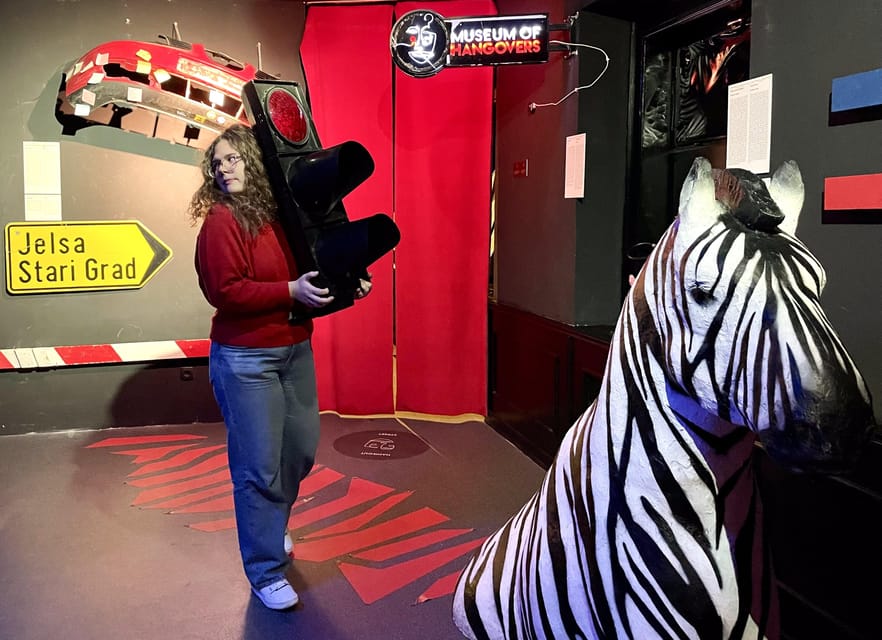
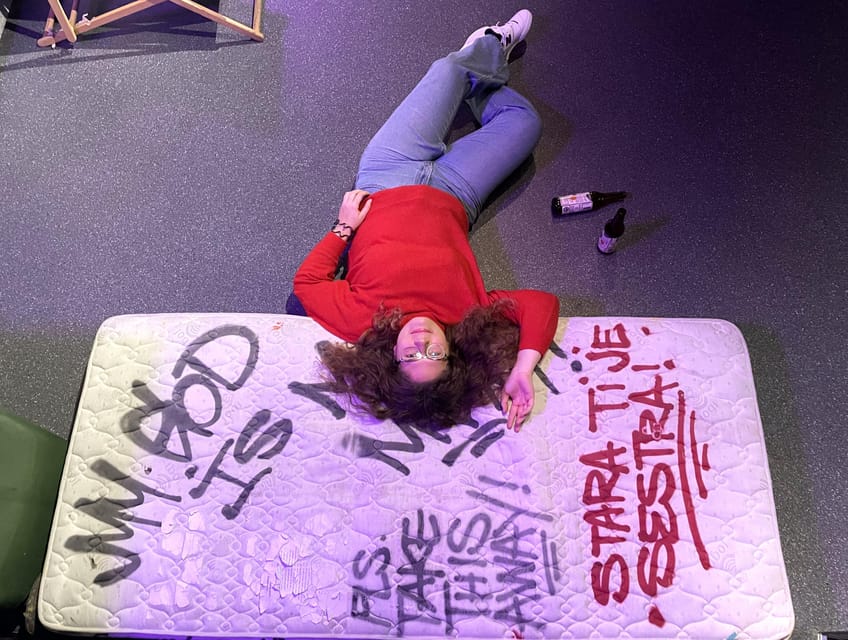
The interactive drunk walking and drunk driving activities are likely to be the most memorable part of the visit. They use play to show how alcohol can affect balance, control, and reactions.
The drunk walking activity gives you a direct way to think about coordination. Walking is something you normally do without much thought, so any change in balance becomes obvious quickly. It is a simple lesson, but it lands better than a paragraph about alcohol’s effects.
The drunk driving display is especially useful because it connects the subject to a serious real-world risk. The activity is presented as a game, but the message is clear: impaired driving is not a harmless mistake.
You should expect these displays to be amusing rather than high-tech simulations. The supplied information does not promise a particular type of equipment or a race against other people. Take them as hands-on demonstrations, not as an amusement-park ride.
These activities also give the museum its social side. You can try them with friends, laugh at the awkward moments, and compare how the displays feel. That shared reaction is part of the attraction.
Hangover cures from around the world
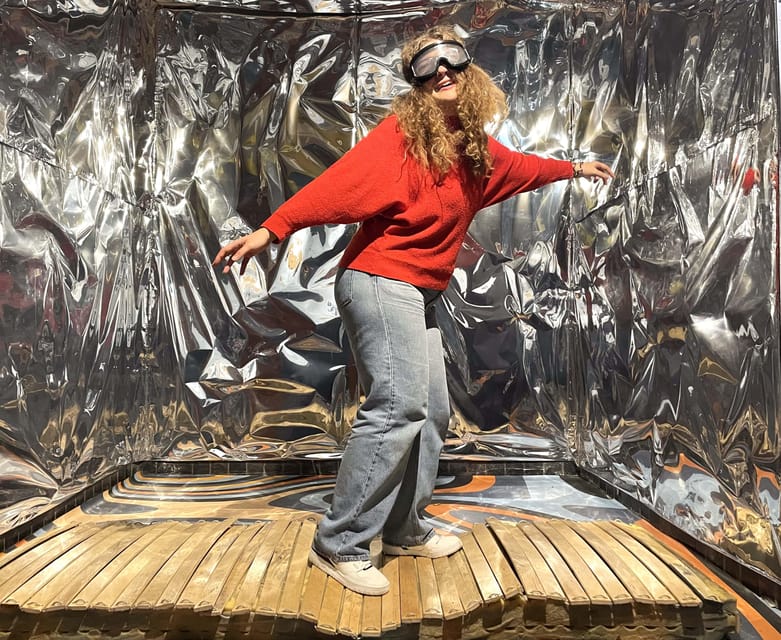
The museum also looks at international hangover cures, from older customs to modern remedies. This section gives the visit more substance than a collection of drinking jokes.
Hangovers are handled differently across cultures. Some remedies focus on food, some on hydration, some on strong flavors, and others on rituals or traditional beliefs. Seeing these approaches together lets you compare what people reach for after a night of drinking.
I would not treat the exhibits as medical advice. They are cultural examples, not a promise that any particular cure will work for you. The value is in seeing how ordinary health problems become part of local custom and folklore.
This part should appeal to anyone interested in everyday culture. Big museums often focus on kings, wars, and famous artists. Here, the subject is more familiar and more personal. You get a look at how people deal with an awkward but widely shared experience.
Art, stories, and the social side of the visit
A gallery of hangover-inspired art connects the museum’s humor with visual expression. The exhibits interpret the morning-after experience through art rather than treating it only as a scientific problem.
The artwork helps break up the interactive displays. You can move from a game about alcohol’s effects to a more visual and reflective section, then return to the lighter material. The change of pace matters in a small museum because it keeps the visit from feeling like one long joke.
Story sharing is another part of the experience. You can tell a funny hangover story, listen to other people, or simply enjoy the conversation around you. The museum encourages laughter and camaraderie, but you do not have to perform if you would rather look at the exhibits quietly.
This is likely to work best for couples, groups of friends, and people who enjoy unusual museums. Solo visitors can still explore everything, but some of the games may feel more fun when you have someone to watch and laugh with.
Tasting sessions and what you actually pay for
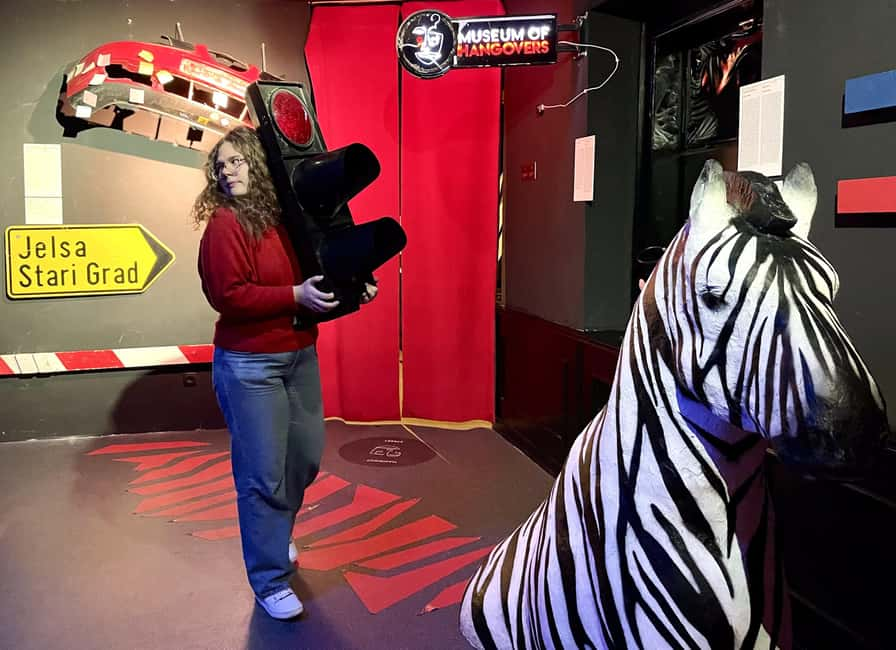
The experience includes tasting sessions with hangover-prevention drinks and snacks, along with the local shot glass. The exact range of snacks and drinks is not specified, so you should not expect a full meal or a large tasting menu.
The price is $15 per person. For that amount, you receive access to the museum, the interactive displays, a flashlight for the blackout room, and a local drink sample in a shot glass. Beer, wine, and rakia are available during the visit for an extra charge.
I consider the price reasonable if you enjoy unusual attractions and plan to spend close to an hour inside. You are paying for a themed museum with participatory elements, not for a major historical collection. If you only want to walk through quickly and read a few panels, the value will feel weaker.
One useful comparison is the cost of a casual drink in Zagreb. The ticket is more than a single bar purchase, but it also gives you an activity, exhibits, and a guided welcome. The best value comes when you take part in the games and give yourself time to read the cultural material.
The included local sample adds a small bonus, but it should not be the main reason you book. If your main goal is a rakia tasting, a dedicated bar or food tour would be a better match.
How long to stay and how to plan your day
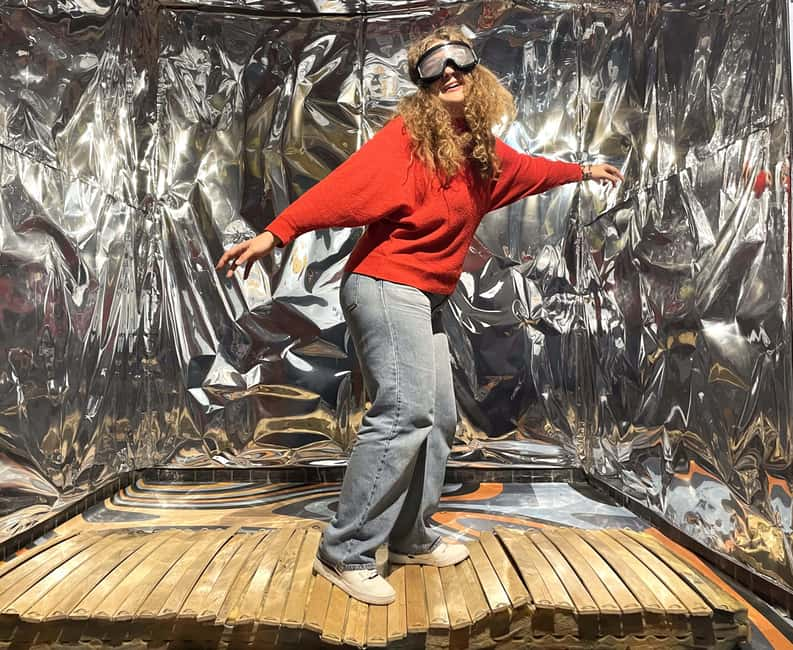
You can spend around an hour at the museum if you read the displays, try the activities, explore the blackout room, and take time for stories and tasting. A faster visit is possible, especially if you move quickly through the exhibits.
That short length makes the museum easy to add to a Zagreb day. You can visit before lunch, stop in during an afternoon walk, or use it as a light activity when the weather is poor. Since it is centrally located, you can continue exploring the city afterward without committing to a long transfer.
I would avoid booking it as the only major activity of your day. The museum is a compact experience, and its appeal comes from its unusual subject and social humor rather than its size.
The activity is not suitable for children under seven. It is also not suitable for wheelchair users, so you should take those limits seriously when planning. Croatian and English are offered, which makes the displays and host introduction accessible to a broad range of visitors.
Who will enjoy it most
I would recommend this museum to adults and older children who like offbeat attractions, interactive exhibits, and a little silly humor. It is especially suitable for friends looking for a shared activity rather than a quiet art museum.
It also suits people curious about Croatian drinking culture. The included local drink sample and optional rakia service give the visit a modest regional flavor, while the international cures show that hangover traditions are not limited to one country.
You may enjoy it less if you want detailed medical science, a large art collection, or a serious historical museum. The experience uses information, but entertainment comes first.
It is also worth considering your mood. The subject is drinking and its consequences, so it may not be a good choice for anyone who would find that theme uncomfortable. The museum does not require you to buy beer, wine, or rakia, but alcohol remains central to the exhibits.
Practical tips for a better visit
- Allow about an hour: This gives you time for the games, blackout room, artwork, stories, and tasting.
- Look for the correct entrance: At Vlaška 55, use the dark door on the right in the middle of the passage.
- Do not assume drinks are included: The local shot glass is included, while beer, wine, and rakia cost extra.
- Wear practical clothing: You may take part in balance and movement activities, so comfort is more useful than formal dress.
- Go with a friend if you can: The story-sharing and interactive displays are more social with company.
- Check the age and access limits: Children under seven and wheelchair users are not permitted according to the activity information.
Should you book the Museum of Hangovers?
Book it if you want a short, unusual Zagreb attraction that combines local drinking culture, international customs, art, and playful activities. The $15 price makes sense when you participate fully and stay close to an hour.
Skip it if you are seeking a major museum, a serious alcohol education program, or a substantial tasting. The small size is the main limitation, but it is also why the museum fits so neatly into a day in Zagreb.
My call: book it for the novelty and the interactive displays, especially if you are traveling with friends. Go in expecting a compact, humorous museum rather than a full-day attraction, and the experience should meet its purpose.
FAQ
Where is the Museum of Hangovers?
It is at Vlaška 55 in Zagreb County, Croatia. Enter through the dark door on the right in the middle of the passage.
How much does the experience cost?
The price is $15 per person.
How long does the museum visit take?
You can spend around an hour if you read the displays and participate in the activities. A quicker visit is also possible.
Is a drink included with the ticket?
A shot glass of local drink is included. Beer, wine, and rakia are available during the visit but cost extra.
What interactive activities are available?
You can try displays focused on drunk walking and drunk driving. You can also explore a blackout room with a provided flashlight.
What languages are offered?
The host or greeter can speak Croatian and English.
Can children or wheelchair users visit?
The experience is not suitable for children under seven or for wheelchair users. Smoking and outside drinks are not allowed.
Just added in Zagreb
- From Split: Transfer to Zagreb with Stop at Plitvice Lakes★ 4.6 · 44 reviews
- Private Walking Tour of Zagreb★ 4.9 · 5 reviews
- Jump into Zagreb: Walking Tour with local guide★ 4.8 · 3 reviews
- From Zagreb: Varazdin Baroque Town & Trakoscan Castle★ 4.9 · 38 reviews
- From Zagreb to Plitvice Lakes and Rastoke – Private day tour★ 5.0 · 4 reviews
- From Zagreb: Plitvice Lakes National Park Full-Day Tour★ 4.7 · 98 reviews
- From Zagreb: Prehistoric and Medieval Croatia Tour★ 4.9 · 3 reviews
- From Zagreb: Plitvice Lakes & Rastoke Private Tour★ 5.0 · 9 reviews
Museums, compared.
Blue Lagoon & Underwater Museum from Split with Lunch & Drinks
Read our review →
Skip-the-Ticket-Line Museum of Broken Relationships
Read our review →
PREMIUM Emperor’s Walking Tour for History Lovers + Museum
Read our review →
Klis Fortress GOT and Olive Museum Entry Tickets
Read our review →
Browse the lists this tour appears in