

Reviewed · MUSEUMS
Zagreb: Museum of Illusions Entrance Ticket
The most entertaining part of Zagreb’s Museum of Illusions is how quickly it turns simple rooms into puzzles for your eyes and brain. You can watch water appear to run uphill, see a friend grow or shrink, and pose as if you are walking on the ceiling. The exhibits are built for participation, not just looking.
I like the mix of playful photo opportunities and real explanations about vision, perception, and the human brain. I also like the large hologram display and the playroom, where puzzles give children something to do beyond taking pictures. The main drawback is space: the museum can feel small and somewhat untidy when children and larger groups gather around the most popular displays.
Key points
- More than 70 exhibits cover optical, sensory, and educational illusions.
- The Rotated Room gives you one of the best photo opportunities in the museum.
- A large hologram exhibition adds a more scientific touch to the playful displays.
- The mirror maze and gravity rooms work best when you take your time and follow the instructions.
- The playroom includes puzzles and games for children and curious adults.
- English, German, Italian, and Croatian captions help explain many of the installations.
Zagreb’s Museum of Illusions Turns Perception Into Play
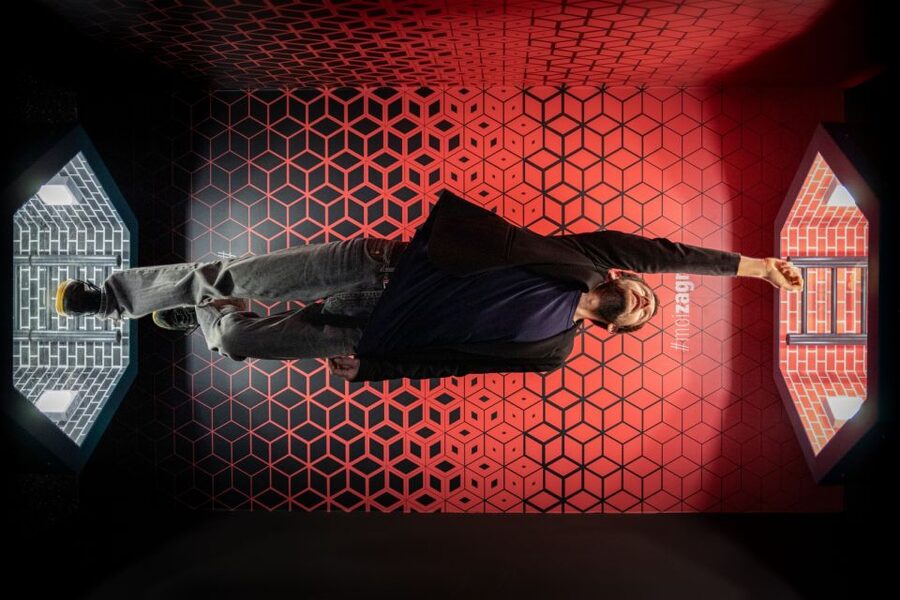
This is not a traditional museum where you quietly move from case to case. At Zagreb’s Museum of Illusions, you become part of the display. You look through, step into, touch, photograph, and test many of the installations.
The point is simple: your eyes receive information, but your brain has to interpret it. When the room, lines, lights, or mirrors confuse that process, your brain can reach the wrong conclusion. The result is often funny, but it also gives you a practical lesson in how vision works.
You will find more than 70 exhibits covering visual tricks, sensory effects, holograms, puzzles, and perception tests. Some are quick to understand. Others reward a second look, especially when the first impression seems impossible.
I would allow enough time to try the exhibits more than once. A rushed visit can become a series of photographs without much thought, while a slower visit lets you understand why the illusion works.
A few more things to do in Zagreb worth a look
- Zagreb: Skip-the-Ticket-Line Museum of Broken Relationships
★ 4.5 · 847 reviews - Zagreb: Nikola Tesla Technical Museum Ticket
★ 4.5 · 520 reviews - Museum of Illusions Zagreb
★ 4.0 · 197 reviews
The First Rooms: Simple Tricks With Big Reactions
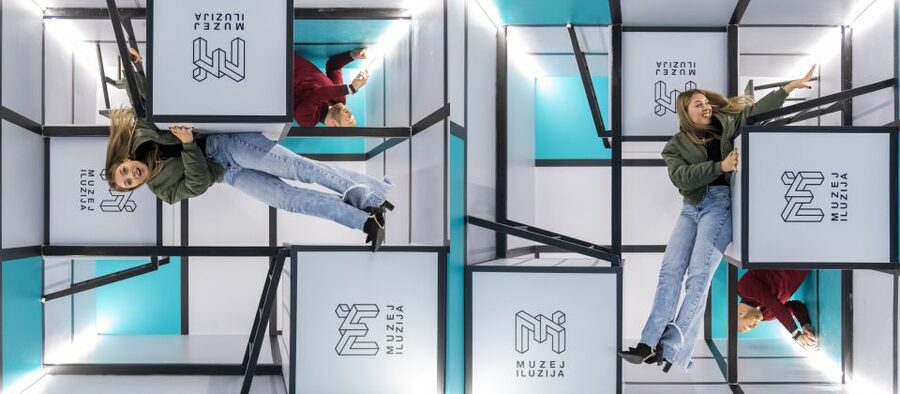
The early displays introduce the basic idea that your eyes do not always tell the full story. You may see shapes change, lines appear to move, or objects seem different from what they really are.
These installations are useful because they need little explanation. You can test them right away, then read the captions to understand the effect. Captions are available in English, German, Italian, and Croatian, so you do not need to rely only on a guide or a traveling companion to explain what is happening.
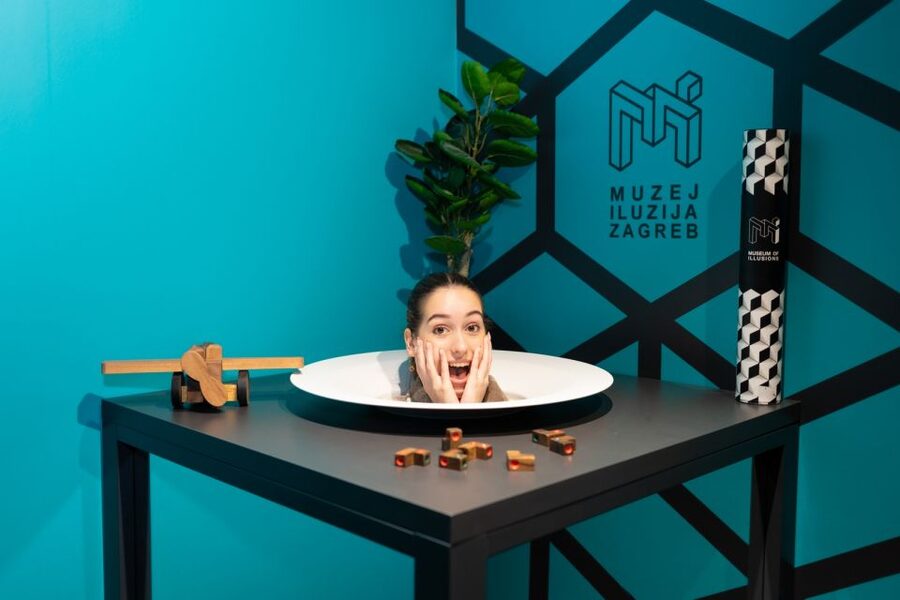
The museum uses humor well. One display lets you serve someone’s head on a tray, creating the kind of photograph that makes sense only inside a place built around optical tricks. It is silly, but it also shows how the museum presents its lessons: first give you a memorable image, then make you think about it.
If you are visiting with children, these first rooms help set expectations. The museum is hands-on in spirit, but you still need to read instructions and take turns. Popular displays can become crowded, and the lack of a fixed path means people may move in different directions.
The Gravity Room and the Rotated Room
Two of the most useful stops for photographs are the gravity-defying rooms. In one installation, water appears to flow uphill. The room challenges your normal sense of balance and direction, even though the effect comes from the way the space is arranged.
The Rotated Room is especially worth saving for the end. The room allows you to pose as if you are climbing onto the ceiling or standing at an impossible angle. Take your photograph carefully, since the best result depends on your position and the camera angle.
The museum specifically encourages you to photograph your accomplishment in this room. That makes it a natural final stop, but the open layout may not guide you there in a neat sequence. If you want this picture, keep the Rotated Room in mind rather than assuming you will pass through every exhibit in order.
These rooms are more fun with a companion. One person can pose while the other takes the photograph, then switch places. If you are alone, you may need to ask someone nearby to take the picture, though no special photography service is listed.
Seeing Friends Grow, Shrink, and Change
Several installations play with scale and perspective. A person standing in one part of a room can appear much taller or shorter than someone standing elsewhere. The effect is simple to stage, but it is still one of the strongest ways to show how your brain uses visual clues.
I like these displays because they make the science social. Instead of staring at a diagram, you can test the trick with a friend or family member. The photograph captures the result, but the better part is watching the effect change as each person moves.
The experience can become repetitive if you try every exhibit only for a picture. Take a moment to ask what your eyes are using to judge size and distance. The captions and explanations help connect the joke to the lesson.
A visit with children may take longer here because each person will want a turn. That is also where crowding becomes an issue. One verified rating praised the museum’s creativity but noted that the layout can feel messy when many people and children are present. I would visit at a quieter time if you want to test the displays without waiting around them.
Same base, a different kind of day out:
- From Zagreb: Plitvice & Rastoke Guided Day Trip with Ticket
★ 4.9 · 2,955 reviews - Zagreb: Rastoke & Plitvice Lakes Guided Tour with Ticket
★ 4.9 · 1,897 reviews - Communism & Croatian Homeland War Tour
★ 5.0 · 1,355 reviews - Best of Zagreb with the WW2 Tunnels
★ 5.0 · 973 reviews
The Mirror Maze Requires Patience
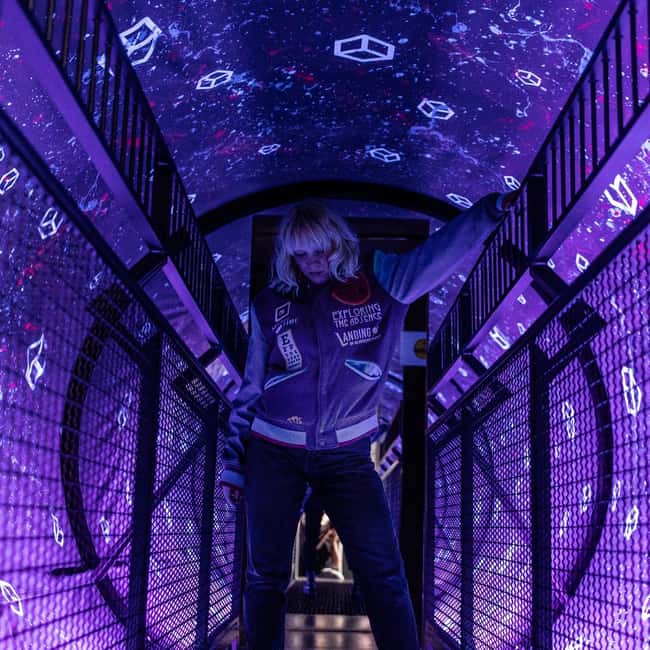
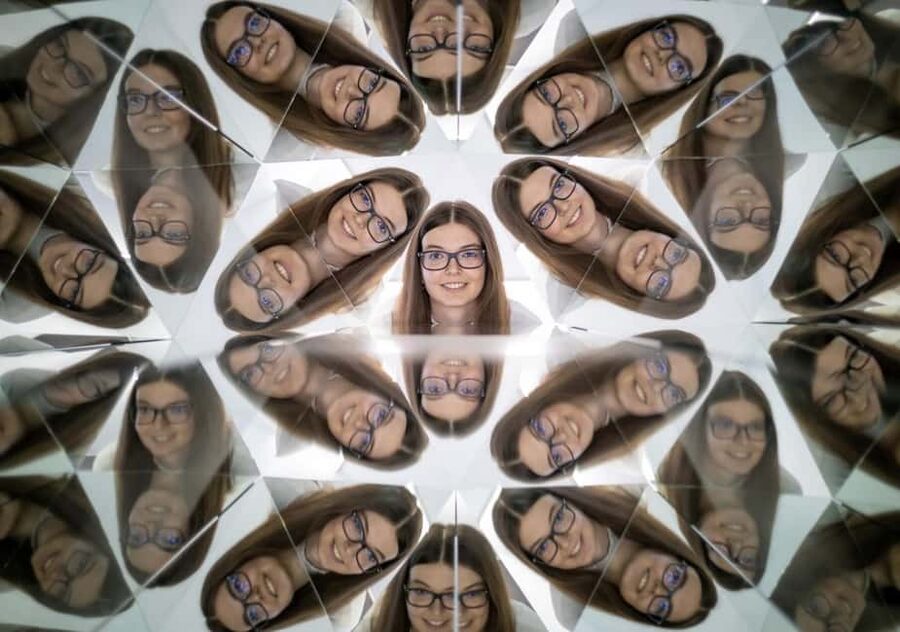
The mirror maze is one of the museum’s most recognizable attractions. Mirrors repeat the room in several directions, making it harder to tell where the next opening is. You may think you are walking toward an exit only to find another reflection.
This is a good place to slow down. Move carefully, watch for the actual openings, and avoid treating the maze as a quick photo stop. The effect depends on losing your usual sense of direction, so rushing through it takes away much of the point.
The maze may also be less comfortable if the museum is crowded. You need room to move and time to work out where you are going. If children are with you, stay close and remind them to walk rather than run.
The layout throughout the museum is not presented as a strict route. That freedom means you can spend as much time as you want at an exhibit, but it also means the visit may feel less organized when several groups gather in one area. I see this as a tradeoff rather than a serious fault: the loose arrangement allows curiosity, but it does not provide a smooth museum-style flow.
Holograms Add a More Scientific Note
The hologram collection gives the museum a change of pace. Along with the comic room effects and photo setups, you get displays that ask you to look closely at light, depth, and the way an image can appear to occupy space.
The exhibition is described as one of the largest hologram displays in Europe. That gives it extra weight within the museum, since it is more than a single optical joke. Spend time examining the images from different positions rather than taking one quick look and moving on.
Holograms fit the museum’s larger message: seeing is not the same as understanding. Your brain tries to turn visual information into a solid object or a clear scene. The hologram display shows how easily that process can be guided by light and perspective.
You should not expect a long formal lecture here. The value comes from looking, testing, and reading the captions. English and Croatian staff are available, and captions also appear in German and Italian.
The Playroom Gives Children a Different Kind of Challenge
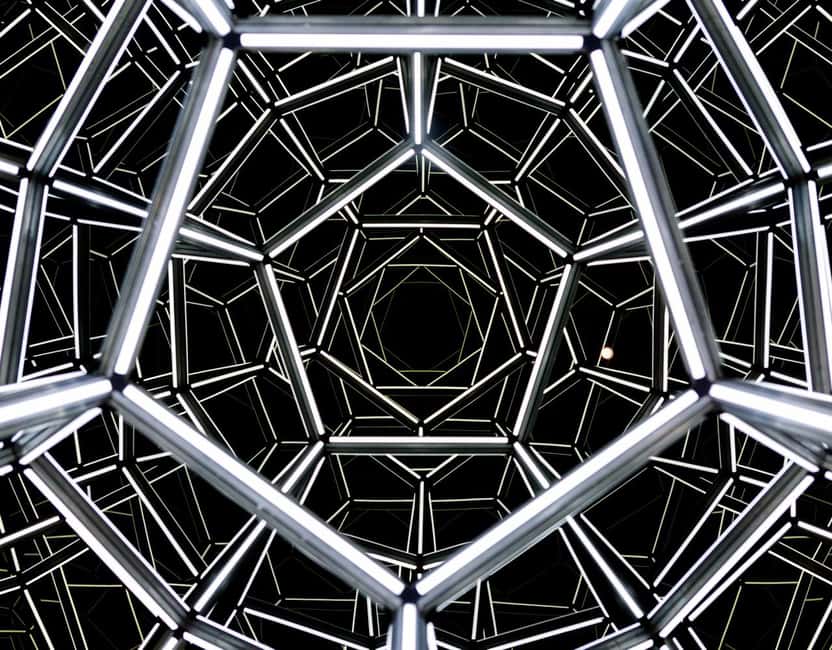
The playroom contains educational games and puzzles. This section is useful because it changes the pace. After several rooms built around posing and visual effects, you get activities that ask you to solve something.
I would not treat the playroom as an optional extra if you are visiting with children. It gives them a chance to focus on problems rather than simply waiting while adults read explanations. Adults who enjoy logic puzzles may also find it worthwhile.
The games reinforce the museum’s main subject without requiring a science background. You can learn by testing an idea, making a mistake, and trying again. That practical approach works well for families because the lesson does not feel like schoolwork.
Still, the museum’s educational value depends on your attention. If you move quickly from puzzle to puzzle, you may remember the photographs more than the explanations. Try to pause at the displays that make you curious and read what the museum is showing you.
How Much Time and Money Should You Allow?
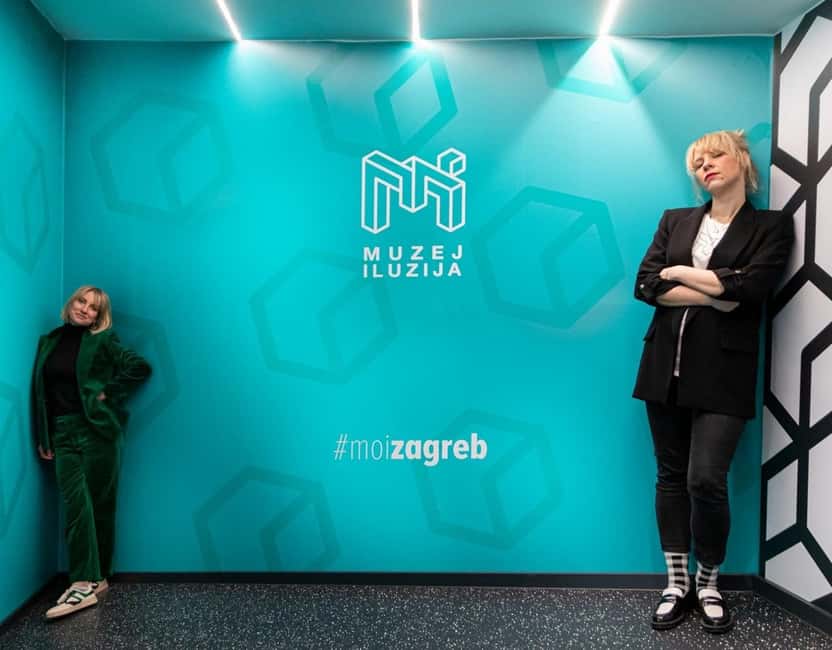
The ticket costs $14 per person and is valid for one day. For a small museum, that is not a bargain if you expect a long, formal collection. It becomes better value if you enjoy interactive displays, want unusual photographs, or are visiting with children who will take part in many of the exhibits.
The ticket gives you entrance to the full museum, including the holograms, mirror maze, gravity rooms, Rotated Room, and playroom. The supplied information does not give a precise visit length, so I would judge the value by how actively you use the displays rather than by trying to rush through every room.
A short visit may suit you if you have a gap between larger Zagreb sights. A longer visit makes more sense for families, groups of friends, or anyone interested in visual perception. The museum is also a practical rainy-day choice because the main attraction is indoors and does not depend on good weather.
The price is easier to justify when several people share the fun of taking photographs. If you are traveling alone and mainly want to look at displays, you may find the cost less convincing than someone who plans to test every room.
Booking, Entry, and Practical Details
You show your voucher at the museum’s main entrance. The experience is an entrance ticket rather than a guided tour, so you explore the rooms at your own pace. English and Croatian hosts or greeters are available, but the attraction does not list individual guide names.
You can reserve now and pay later, which helps if your Zagreb plans are still changing. Cancellation is free up to 24 hours before the visit for a full refund. Check the available starting times when booking because the ticket is valid for one day, not as an open-ended admission across several dates.
Bring a camera. Photography is a major part of the fun, especially in the Rotated Room, the scale displays, and the room where you appear to defy gravity.
Food and drinks are not allowed inside. Pets are not allowed either, although service animals are permitted. The museum is not suitable for wheelchair users, so check this point carefully before booking if access is important to you.
Who Will Enjoy This Museum Most?
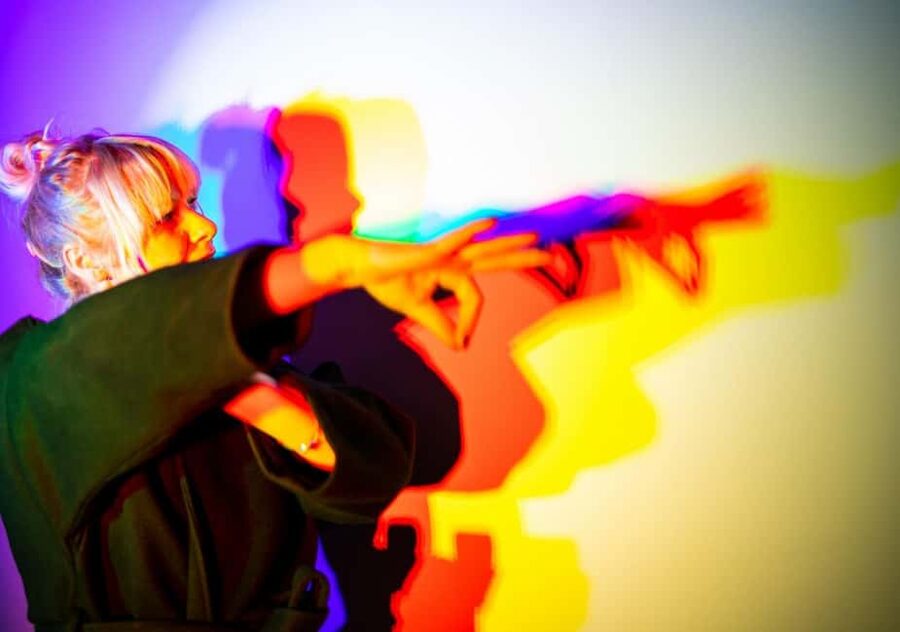
I would recommend it most strongly to families with school-age children, couples who like playful photographs, and friends who enjoy trying unusual activities together. The displays work best when you take turns posing, solving, and testing the effects.
It also suits visitors who want a light activity between more serious cultural stops in Zagreb. The museum teaches basic ideas about perception without asking you to sit through a long presentation.
You may enjoy it less if you want a large museum with a clear chronological route, extensive written material, or many original historical objects. One verified one-star rating called the museum too small, and that criticism is fair if you arrive expecting several hours of traditional museum content.
The creative displays are the main attraction, but some effects repeat the same basic idea: your eyes can be fooled. The variety of rooms, puzzles, holograms, and photo setups helps, though the experience is strongest when you treat it as interactive entertainment with a science lesson rather than a major museum visit.
Should You Book Zagreb’s Museum of Illusions?
Book it if you want a hands-on stop with optical tricks, unusual photographs, and simple explanations of how perception works. The $14 ticket is reasonable for an interactive family or group outing, particularly if you plan to try the puzzles and return to the best photo rooms instead of racing through.
Think twice if you dislike crowds, need a very clear route, or expect a large attraction. The loose layout can feel disorganized, and the museum may seem small when its busiest displays are occupied.
For most visitors, I would treat this as a compact, playful addition to a Zagreb day. Bring your camera, save the Rotated Room for a final photograph, and give yourself time to look past the joke and notice how your eyes and brain are being fooled.
FAQ
Where is the Museum of Illusions experience located?
It is located in Zagreb County, Croatia.
How much does admission cost?
The entrance ticket costs $14 per person.
How long is the ticket valid?
The ticket is valid for one day. Check availability for the available starting times.
What does the ticket include?
The ticket includes entrance to the museum and its more than 70 visual, sensory, educational, hologram, game, and puzzle exhibits.
Can I cancel my booking?
Yes. You can cancel up to 24 hours in advance for a full refund.
Are captions available in English?
Yes. Captions are available in English, German, Italian, and Croatian. English and Croatian hosts or greeters are also available.
Is the museum wheelchair accessible?
The experience is listed as not suitable for wheelchair users. Service animals are permitted, but other pets are not allowed.
Just added in Zagreb
- Private Wine Tour from Zagreb: Two Local Wineries & Samobor★ 5.0 · 18 reviews
- Painting party at Art Bottega – Paint & Wine Studio in Zagreb★ 5.0 · 23 reviews
- Fairytale Castle & Wine Tasting & Lunch★ 5.0 · 19 reviews
- Private Wine Road Day Tour from Zagreb★ 4.5 · 11 reviews
- Zagreb Airport One Way Private Transfer To or From Airport★ 5.0 · 132 reviews
- From Zagreb: Transfer to Split & Plitvice Lakes Guided Tour★ 4.7 · 463 reviews
- Private Transfer: Zagreb Airport (ZAG) to Zagreb Hotel★ 5.0 · 52 reviews
- Zagreb BIG Tour – Our Signature Walking & Panoramic Tour★ 5.0 · 106 reviews
Museums, compared.

Blue Lagoon & Underwater Museum from Split with Lunch & Drinks
Read our review →
Skip-the-Ticket-Line Museum of Broken Relationships
Read our review →
PREMIUM Emperor’s Walking Tour for History Lovers + Museum
Read our review →
Klis Fortress GOT and Olive Museum Entry Tickets
Read our review →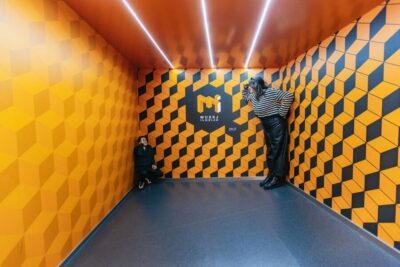
Browse the lists this tour appears in