
Reviewed · TOURS IN ZAGREB
Zagreb: Communism and Croatian Homeland War Tour
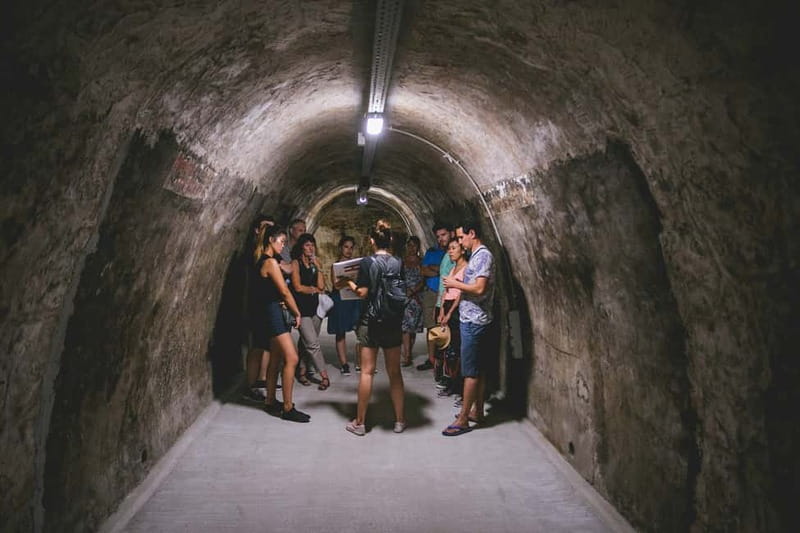
Zagreb’s recent past is easiest to grasp underground. This 2.5-hour walking tour takes you from Ban Jelačić Square into WWII tunnels and a real basement shelter used during air raids in the 1990s. Along the way, your guide explains how communist Yugoslavia worked, why it fell apart, and what independence meant for ordinary people in Zagreb.
I like the mix of physical places and personal stories. The tunnels give the history a sense of place, while guides such as Darko, Ivana, Vid, and Ivanka are praised for clear explanations, humor, family stories, and a balanced approach. The main consideration is that this is a serious history tour, not a light city stroll, and the underground sections are not suitable for wheelchair users or people with mobility impairments.
Key points to know before you book
- The WWII tunnels frame a century of Zagreb’s history, from World War II through communist Yugoslavia and the Homeland War.
- The 1990s shelter is an authentic basement, not simply a museum display built for tourists.
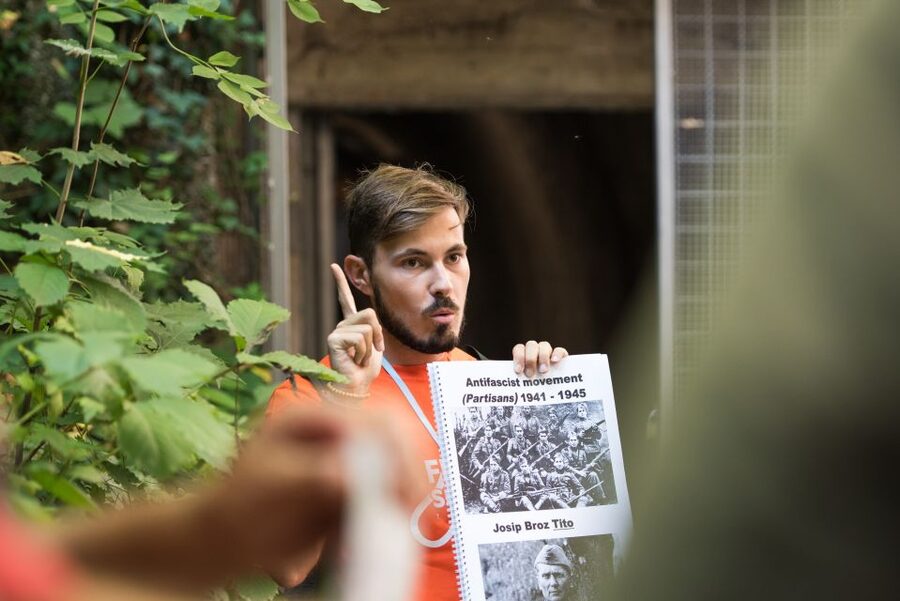
- Guides use maps, photographs, questions, stories, and video to make complicated events easier to follow.
- Darko, Ivana, Vid, Diana, Didi, and Ivanka are among the guides associated with this experience, though your guide depends on the date and language.
- The $44 price buys 2.5 hours of focused history, including both underground visits and a multimedia presentation.
- The tour returns to Ban Jelačić Square, making it easy to fit into a day of sightseeing in central Zagreb.
Why Zagreb’s recent past makes a good walking tour
Many city tours stop at churches, markets, and handsome squares. Those are worthwhile, but they can leave you with little sense of what Zagreb was like during the decades after World War II or during the war for independence. This tour deals with the part of the city’s story that is still close to living memory.
You begin at the horse statue in Ban Jelačić Square, Zagreb’s main square. From there, the guide sets up the political and social background before taking you farther into the subject. That starting point matters because you are not being handed a pile of dates without context. You first get a sense of the city today, then trace how its recent past shaped the country around you.
The subject covers several connected periods: World War II, almost 50 years of communist Yugoslavia, the fall of communism in Croatia, and the Homeland War. That is a lot for one afternoon, so the guide’s job is to show the links between these events rather than treat each one as a separate chapter.
I especially value tours that explain how political change affected daily life. The strongest guides on this experience use family stories and personal memories to show that history was lived by people making difficult choices, not only by presidents and generals. Ivana, for example, has been praised for sharing complicated family experiences while also pointing out that a Croatian historian naturally brings one perspective. That kind of honesty helps you listen with care.
Other trips people book in Zagreb:
- From Zagreb: Plitvice & Rastoke Guided Day Trip with Ticket
★ 4.9 · 2,955 reviews - Zagreb: Rastoke & Plitvice Lakes Guided Tour with Ticket
★ 4.9 · 1,897 reviews - Communism & Croatian Homeland War Tour
★ 5.0 · 1,355 reviews
Starting at Ban Jelačić Square
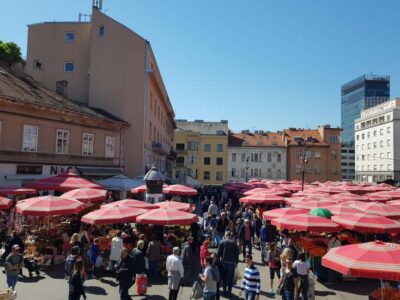
The meeting point is simple: stand in front of the horse statue at Ban Jelačić Square. This is the main square, so you should have little trouble finding it, but give yourself enough time to get there. The tour ends at the same location, which makes planning easier if you have dinner, another booking, or an evening walk through central Zagreb.
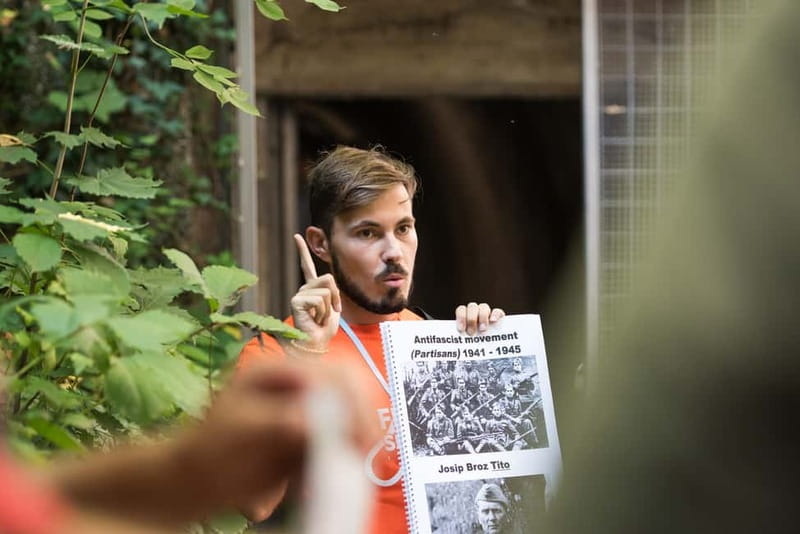
The first portion introduces the city’s communist era and the broader story of Yugoslavia. Expect your guide to use maps, photographs, and spoken explanation. Several guides are described as energetic and easy to hear, an important detail in a city center where traffic and other groups can create noise.
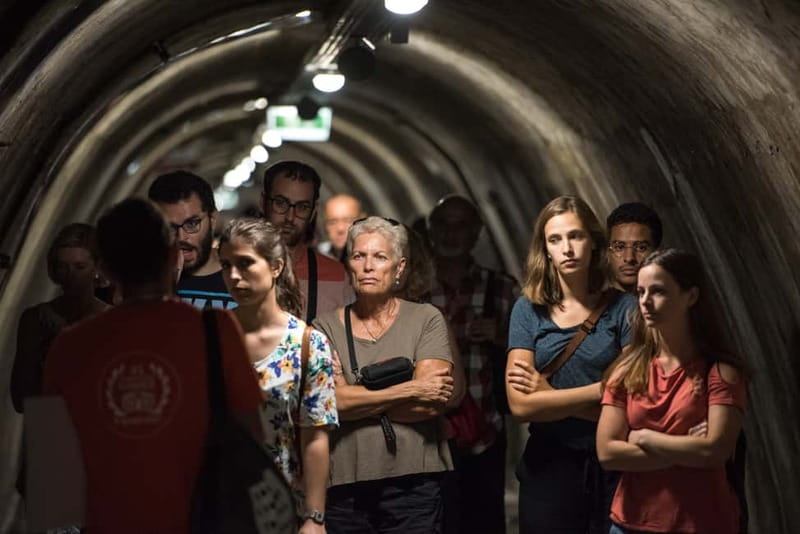
The style can vary by guide. Darko has been praised for a strong voice, humor, clear teaching, and a knack for keeping an after-lunch group alert. Vid is described as witty and interactive, asking questions rather than delivering a one-way lecture. Ivana and Ivanka are noted for their warmth, precision, and ability to make difficult subjects feel personal without turning the tour into a political speech.
This is also where you should ask questions. The tour covers sensitive subjects, and a good guide can explain terms or events that may be unfamiliar if you did not grow up with the history of Yugoslavia.
Entering the WWII underground tunnels
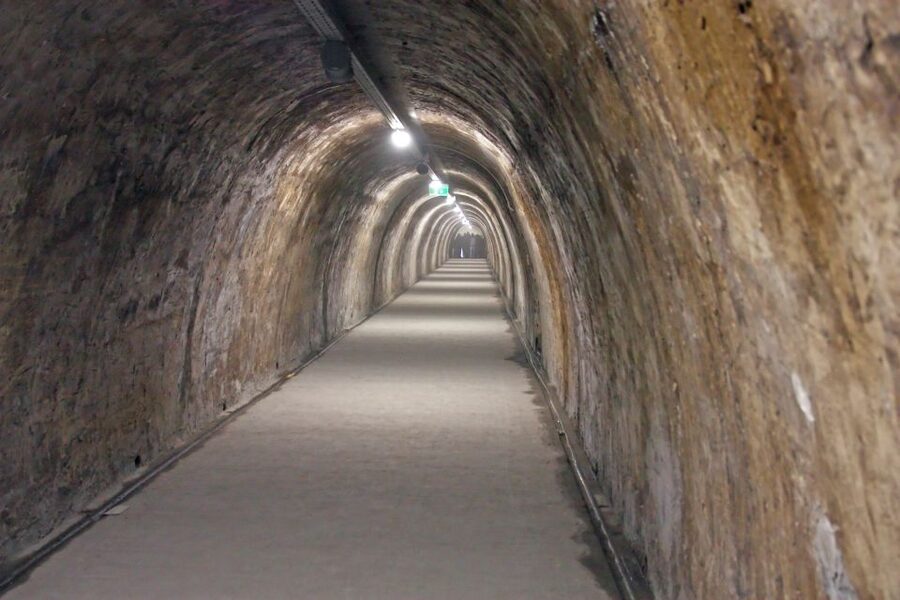
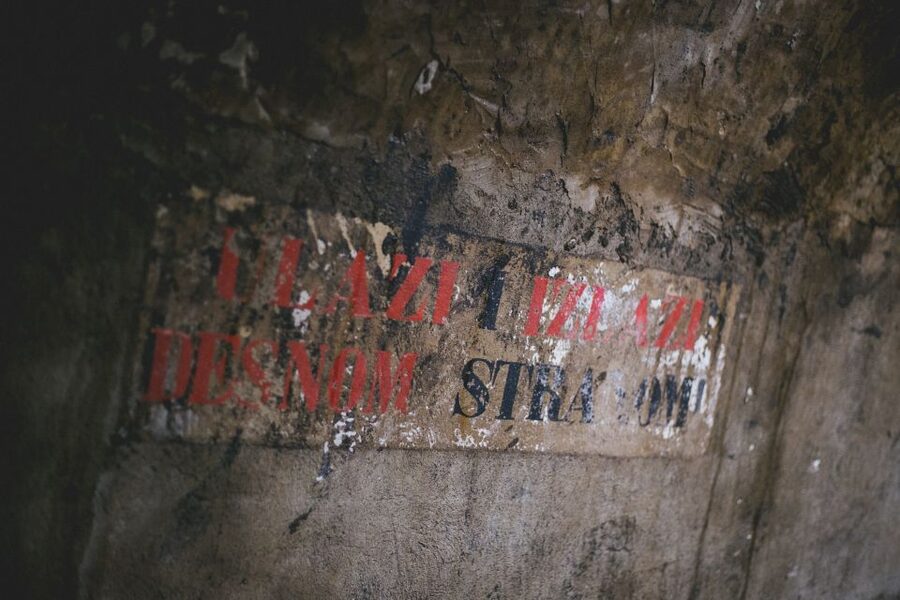
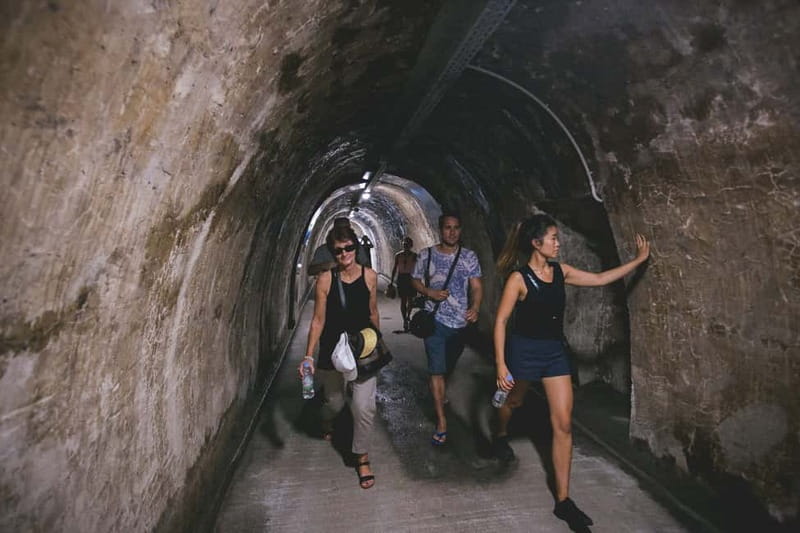
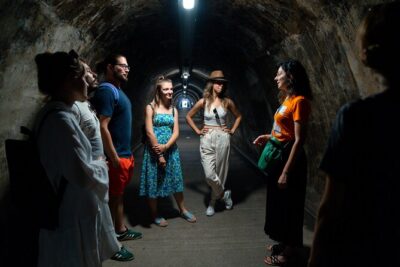
The underground tunnels are the tour’s first major setting. They were created during World War II and now help present Zagreb and Croatia through the 20th century. In this space, the guide connects wartime Zagreb with the decades of communist rule and the events that led to Croatian independence.
The location makes the passage of time easier to picture. Rather than hearing only about governments changing on a map, you are standing in a place linked to fear, protection, and wartime planning. The tunnel visit is scheduled as part of the experience, but there is one practical restriction: the tunnels may not be available when an event is taking place there.
The supplied timing divides the early tour into shorter guided sections of about 20 minutes and 15 minutes, followed by a longer 30-minute stop that includes sightseeing, explanation, and time for photographs. The exact order of individual points can depend on the guide and conditions, but the overall rhythm is clear: orientation first, historical explanation next, then more time at the main sights.
Do not expect a huge underground complex with a long maze of passageways. The value is in the setting and the explanation. The guide turns the tunnels into a place where you can follow Zagreb’s 20th-century story, not just a quick photo stop.
Understanding communist Yugoslavia in everyday terms
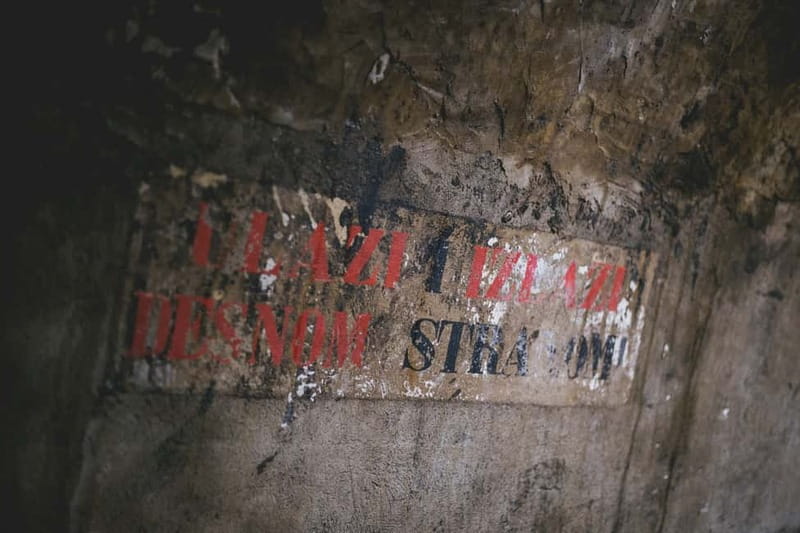
The communist period can be hard to explain to someone who knows only that Yugoslavia was a socialist federation led by Josip Broz Tito. This tour gives you a basic working picture of life in Zagreb during almost five decades of communist rule.
You hear about the system as it affected Croatia and Zagreb, then see how the political order began to weaken. The goal is not to offer a full university course. Instead, you get a clear account of the conditions that shaped the breakup of Yugoslavia and the choices facing Croatia.
That distinction matters. A short tour cannot cover every ethnic, political, economic, and military issue in equal detail. It can, however, give you enough structure to understand later conversations, museum displays, and memorials during the rest of your stay.
The best guides keep the explanation balanced. One particularly useful quality is the effort to acknowledge more than one national viewpoint. Ivanka has been praised for recognizing that a Croatian guide and historian can naturally present only one side unless she makes room for Slovenian, Serbian, and other perspectives. That does not erase the Croatian experience, but it gives you a more careful way to think about the breakup of Yugoslavia.
Same base, a different kind of day out:
- Best of Zagreb with the WW2 Tunnels
★ 5.0 · 973 reviews - Plitvice Lakes with Ticket & Rastoke Guided Tour from Zagreb
★ 5.0 · 966 reviews - Zagreb: Small Group Walking Tour City Center and WW2 Tunnels
★ 4.9 · 895 reviews - Zagreb: Skip-the-Ticket-Line Museum of Broken Relationships
★ 4.5 · 847 reviews
The 1990s basement shelter
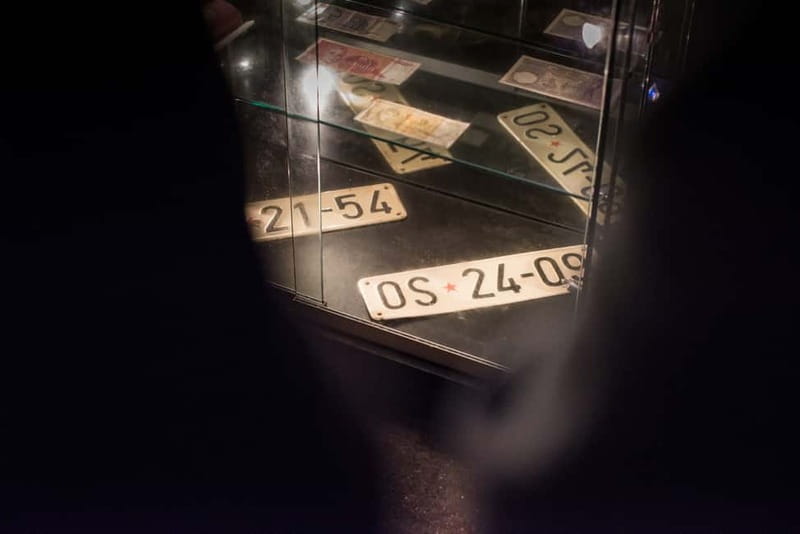
The most affecting stop is the basement used by local people as a shelter during air raids on Zagreb. This is not simply a room where the guide tells you that civilians were afraid. It is an actual shelter connected to the war years, and its plain, enclosed character helps you understand how close the conflict was to daily life.
The visit lasts about an hour within the longer itinerary, making it the main focus of the tour. You have time to look around, hear the story of the Homeland War, and watch a multimedia presentation. The video adds another layer to the guide’s explanation by showing details that are difficult to convey during a walk.
This stop can feel heavy. The topic includes air raids, displacement, fear, and the breakup of a country. You should book it because you want to face that history, not because you are searching for entertainment. The guides generally use warmth and occasional humor to keep the group engaged, but the subject remains serious.
Personal stories make a difference here. Several guides have spoken about family experiences from the 1990s. That can make the history feel immediate, but it also means the tone may vary depending on who leads your tour. You are likely to get a human account rather than a detached list of military events.
What the guides add to the experience
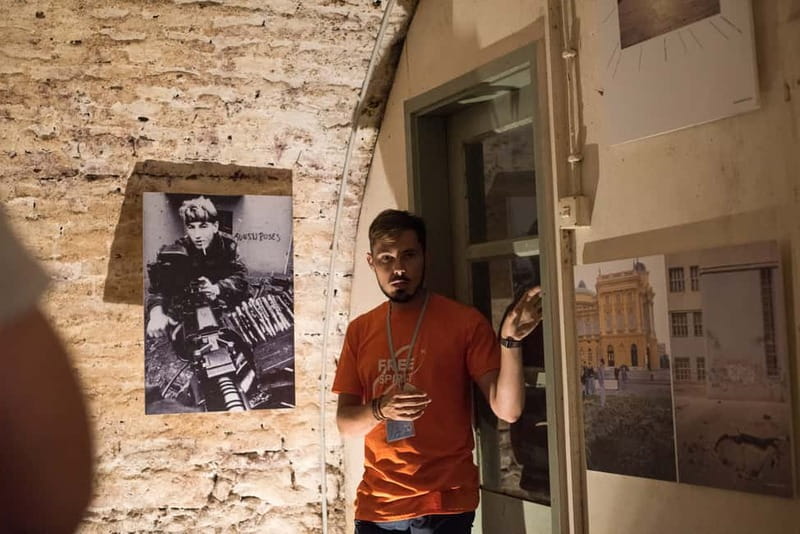
Guide quality is central to this tour. The subject is complicated, and a flat presentation would leave you with dates but little understanding. The strongest guides are described as articulate, funny, passionate, and able to adjust the level of detail to the group.
Darko is associated with a lively teaching style, personal experience, maps, pictures, and the final video. Vid is praised for being friendly, witty, and interactive. Ivana is repeatedly described as charismatic, thorough, and passionate, with a talent for storytelling. Diana is noted for her command of Slavic history, while Didi is described as bubbly, approachable, and well informed. Ivanka brings historical training, personal family material, and an effort to present more than one national viewpoint.
You cannot select a particular guide from the information provided, so book for the subject rather than for one individual. Still, these names give you a useful idea of the range of styles. If you prefer a lecture, you may appreciate a more formal guide. If you learn better through questions and stories, a guide such as Vid or Darko may suit you.
The tour is offered in English and Spanish. Confirm your chosen language and starting time when you book.
Is $44 a fair price?
At $44 per person, this is not the cheapest way to spend 2.5 hours in Zagreb. It is also more than a basic free walking tour, which usually relies on the city streets and a guide’s commentary.
The price makes more sense when you consider what is included. You get a local guide, entry to the WWII tunnel, access to the basement shelter, and a Croatian Homeland War multimedia presentation. You are paying for access to places that would be difficult to interpret on your own, plus a focused explanation of a subject that is not always easy to untangle from guidebooks.
I consider it good value if you have a real interest in 20th-century European history or want to understand Croatia beyond its cafes and medieval streets. It is less useful if you want a broad introduction to Zagreb’s architecture, food, or major landmarks.
The free cancellation option allows you to cancel up to 24 hours ahead for a full refund, and you can reserve now and pay later. Those terms help if your schedule is still shifting, though the important decision is your appetite for the subject matter.
Timing, walking, and practical limits
The tour lasts 2.5 hours and starts and finishes at Ban Jelačić Square. The walking sections are broken up by guided stops, underground visits, photographs, and the shelter presentation, so you are not walking continuously for the entire time.
Wear practical shoes. The experience includes underground spaces and a basement, and it is not suitable for wheelchair users or people with mobility impairments. Large bags and luggage are not allowed, and pets cannot join the tour.
Children must be accompanied by an adult, and unaccompanied minors are not permitted. One guide has described a tour that included an eight-year-old, though the subject and length may test a young child’s patience. If you bring a child, explain beforehand that the tour deals with war and air raids, not just old tunnels.
Who should book this tour?
I would choose it early in a Zagreb visit if you want the city’s recent history to shape the rest of your trip. It can give later visits to museums, memorials, and former Yugoslav sites more meaning.
It suits history enthusiasts, adults interested in modern Europe, and visitors with family or academic connections to Croatia, Serbia, Slovenia, or Yugoslavia. It also works for people who want a guide to explain why Croatian independence remains such a personal subject.
I would skip it if your main goal is a relaxed introduction to Zagreb’s food, architecture, or traditional culture. I would also think twice if enclosed underground spaces are uncomfortable or if you need step-free access.
Should you book the Zagreb Communism and Homeland War Tour?
Book it if you want a thoughtful account of Zagreb’s 20th-century past, especially the communist years and the Croatian Homeland War. The authentic air raid shelter, WWII tunnels, maps, personal stories, and video make the subject easier to understand than a standard street walk.
The main tradeoff is focus. This is a serious, history-led experience, and 2.5 hours can feel demanding if your attention is elsewhere. But if you want to understand the forces behind modern Croatia, $44 is a reasonable price for the places visited and the guide’s interpretation. Choose it for the stories and context, not simply for the chance to walk underground.
FAQ
Where does the tour start and finish?
It starts in front of the horse statue at Ban Jelačić Square, Zagreb’s main square, and ends back at the same meeting point.
How long does the tour last?
The tour lasts 2.5 hours. Starting times depend on availability.
Which languages are available?
The tour is offered with a live guide in English or Spanish.
Does the tour include the WWII tunnels?
Yes. A visit to the WWII tunnels is included, although the tunnels may not be available when an event is taking place there.
Is the air raid shelter included?
Yes. The tour visits an authentic basement used as a shelter during air raids in the 1990s and includes a Croatian Homeland War multimedia presentation.
Is the tour suitable for wheelchair users?
No. The experience is not suitable for wheelchair users or people with mobility impairments. Pets, luggage, and large bags are also not allowed, and children must be accompanied by an adult.
Just added in Zagreb
- Private Wine Tour from Zagreb: Two Local Wineries & Samobor★ 5.0 · 18 reviews
- Painting party at Art Bottega – Paint & Wine Studio in Zagreb★ 5.0 · 23 reviews
- Fairytale Castle & Wine Tasting & Lunch★ 5.0 · 19 reviews
- Private Wine Road Day Tour from Zagreb★ 4.5 · 11 reviews
- Zagreb Airport One Way Private Transfer To or From Airport★ 5.0 · 132 reviews
- From Zagreb: Transfer to Split & Plitvice Lakes Guided Tour★ 4.7 · 463 reviews
- Private Transfer: Zagreb Airport (ZAG) to Zagreb Hotel★ 5.0 · 52 reviews
- Zagreb BIG Tour – Our Signature Walking & Panoramic Tour★ 5.0 · 106 reviews
Tours in Zagreb, compared.
Rastoke & Plitvice Lakes Guided Tour with Ticket
Read our review →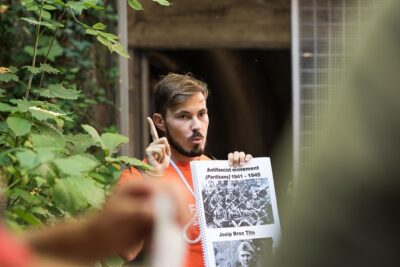
Small Group Walking Tour City Center and WW2 Tunnels
Read our review →
Skip-the-Ticket-Line Museum of Broken Relationships
Read our review →
Plitvice and Rastoke day trip from Zagreb w/ticket (guar. dep.)
Read our review →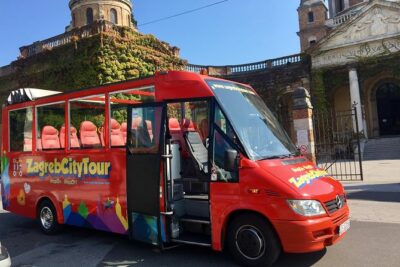
Hop On Hop Off Panoramic bus – Zagreb City Tour
Read our review →Browse the lists this tour appears in