
Reviewed · DUBROVNIK CITY WALLS & CABLE CAR
Walls of Dubrovnik: Small-Group 2-Hour Tour With a Local
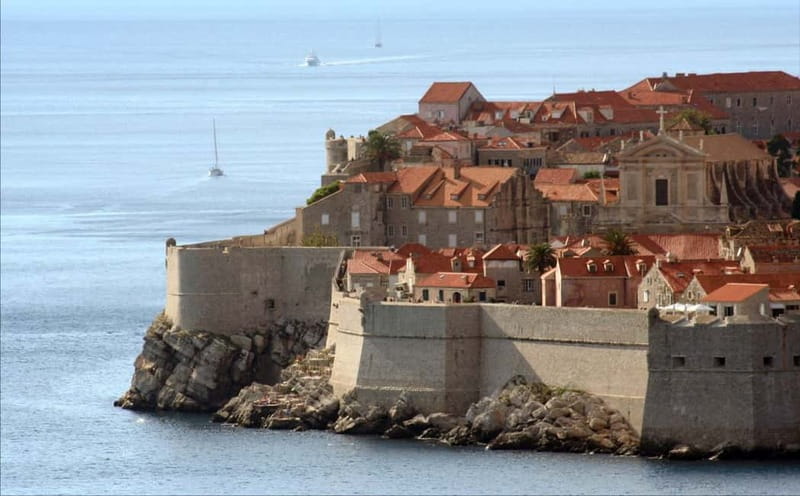
Dubrovnik’s city walls are more than a postcard viewpoint. They are a two-hour lesson in how a small maritime republic protected itself between Venice and the Ottoman Empire. I especially like the way this tour links the stonework to real military problems, from defending the harbor to placing cannons above the Pile Gate. The views over the Old Town and Adriatic are a fine bonus.
I also like the small group of up to eight, which gives you room to ask questions and hear the guide clearly. Local guide Marko has received particular praise for his humor, enthusiasm, and ability to keep even a 10-year-old engaged. The main drawback is practical: you’ll climb more than 700 stairs, and the city-wall entrance ticket is not included in the $36 tour price.
Key points before you book
- The full wall circuit takes two hours: You walk around the main fortifications, not just to one viewpoint.
- Marko may lead your tour: He is a Dubrovnik local who brings personal knowledge and lively storytelling to the route.
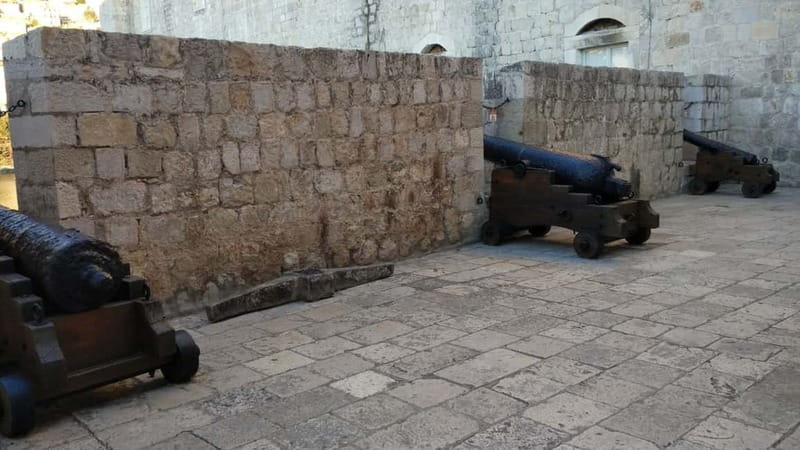
- The military focus is strong: Expect explanations of cannons, siege methods, fort design, diplomacy, and naval defense.
- Minčeta Fortress is a major stop: You’ll see the highest point on the walls and learn about its architect, gun foundry, and weapons.
- The tour requires fitness: More than 700 stairs, steep sections, and exposed heights make this unsuitable for some visitors.
- Budget for the entrance fee: The regular wall ticket is 40 euros, although the Dubrovnik Pass includes entry.
Why Dubrovnik’s walls make such a good walking tour
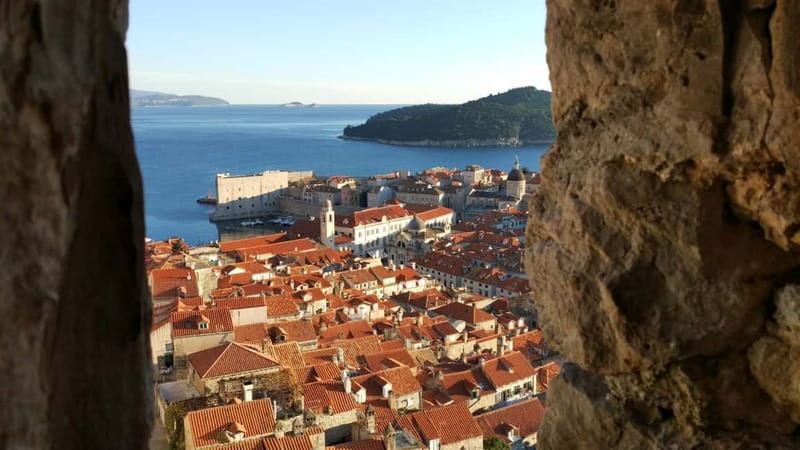
The walls give you a physical sense of Dubrovnik’s former power. From street level, the Old Town can feel like a maze of polished stone lanes and grand buildings. Up here, you can see the whole defensive system at once: towers, gates, sea-facing walls, harbor defenses, and the forts that protected weak points.
I like tours that explain not only what you are seeing, but why it was built. This one focuses on that question. Your guide explains how the Dubrovnik Republic used walls, weapons, trade, ships, and diplomacy to survive beside larger powers.
That emphasis makes the experience different from a simple scenic walk. You’ll still have plenty of time for photographs, but the views have a purpose. The Old Harbor was not just attractive. It supported shipping, trade, and maritime activity, so protecting it was essential to the city’s survival.
The group size matters here. With no more than eight participants per guide, you should be able to hear the explanations without standing in a large crowd. It also makes it easier to ask about a detail that catches your attention, such as the shape of a tower or the position of a cannon.
Other ways to get above the old town in Dubrovnik:
- Dubrovnik: City Walls Early Morning or Sunset Walking Tour
★ 4.8 · 1,523 reviews - Dubrovnik: Ancient City Walls & Wars Walking Tour
★ 5.0 · 1,270 reviews - Dubrovnik Combo: Old Town & Ancient City Walls
★ 5.0 · 1,019 reviews
Meeting at Fort Revelin and the Old Harbor
You meet in the square near the Ploče Gate, close to Fort Revelin. Look for the guide by the cannon in the corner of the square, holding a red and white flag. The listed starting point is also described as a harbor viewpoint, so this opening area puts you near the eastern entrance and the Old Harbor.
The first views help set the tone. From the walls, you can look across the harbor and toward the Old Town. Your guide explains the port’s role in the Dubrovnik Republic’s maritime trade and why the eastern approach needed such serious protection.
Fort Revelin is an important early reference point. It guarded the eastern side of the city for centuries, protecting the Ploče Gate and the route toward the harbor. This is a useful place to begin because it shows how Dubrovnik’s defense worked as a system rather than as one giant wall.
You’ll soon understand that the walls were not designed only to keep people out. They controlled access, protected supplies, watched the sea, and gave defenders a height advantage. That practical detail makes the stone fortifications easier to read as you continue.
The northern walls and medieval weapons
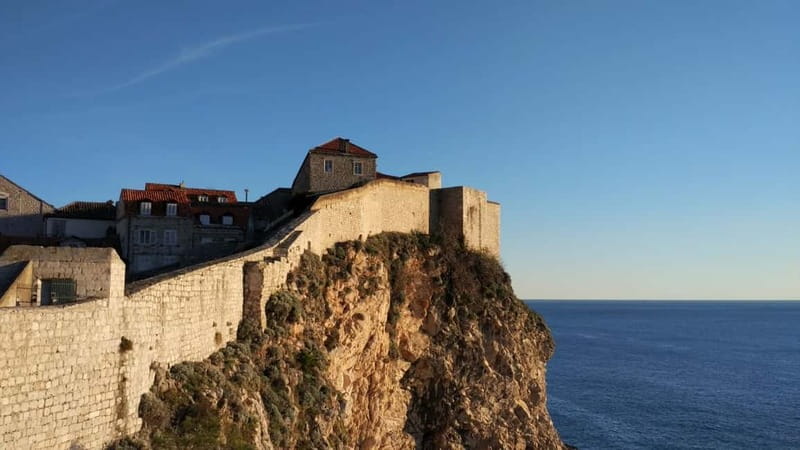
The northern stretch is where the military subject becomes especially clear. Your guide discusses bows and arrows, stone boulders, and siege tactics. These details may sound simple, but they help you picture what defending a medieval city actually required.
The wall walk includes a series of short guided sections, each lasting roughly five minutes between points of interest. That rhythm keeps the tour moving without turning it into a rushed march. You walk, stop for an explanation, then continue to the next defensive feature.
At a strategic tower, the subject shifts from weapons to diplomacy. You’ll learn about Dubrovnik’s relationship with the Ottoman Empire and how negotiation could sometimes protect the city more effectively than fighting. I find this one of the most useful themes on the tour because it shows that Dubrovnik’s survival depended on political skill as much as stone walls.
The republic was small, and it could not simply defeat every major power around it. Its leaders had to trade, negotiate, and calculate carefully. The wall becomes a place to understand that balance. From a tower, you can see why watchmen needed to spot danger, while officials needed to prevent danger from becoming war.
Minčeta Fortress and Dubrovnik from above
Minčeta Fortress is one of the tour’s strongest stops. It rises above the northern side of the Old Town and offers broad views over Dubrovnik. The guide explains the work of Italian architect Michelozzi, along with the fortress’s old gun foundry and its collection of cannons.
I like this stop because it combines architecture, military design, and a major viewpoint. You’ll see why height mattered, how thick defensive structures could be built, and how weapons changed the way fortifications were planned.
The stop also gives you a chance to pause and enjoy the morning light, if you choose an early departure. The tour information specifically highlights the warm morning sun from the fortress, but starting times vary, so check availability when booking.
Minčeta is also a reminder that the walls are not a flat promenade. There are stairs and changes in level throughout the route. The views are rewarding, but you should not treat this as an easy stroll. More than 700 stairs are part of the experience, and there is no elevator or escalator.
A few more things to do in Dubrovnik worth a look
- Dubrovnik: 3h Morning or 2h Afternoon Kayaking & Snorkeling
★ 5.0 · 162 reviews - Dubrovnik 2-Hour Uncertified Divers Introductory Dive
★ 4.7 · 118 reviews - Private Transfer from Dubrovnik to Split with 2 hours for sightseeing
★ 5.0 · 50 reviews - 2-Hour Dubrovnik Private Buggy Panorama Safari
★ 5.0 · 39 reviews
The Stradun photo view and the western defenses
At about the middle of the walk, you’ll find a particularly good angle toward Stradun, Dubrovnik’s main street. From above, the straight stone thoroughfare looks quite different from street level. This is one of the best places to pause for a photograph because the wall gives you a clear view of the Old Town’s layout.
The western section then brings Fort Bokar and Fort Lovrijenac into the story. These defenses helped protect the Pile Gate, one of the main entrances to Dubrovnik. Your guide explains how the forts worked with the walls to guard the western approach.
Lovrijenac is especially striking for its construction. Some parts of its walls are 12 meters thick, an impressive figure that makes the fortress’s purpose clear. It was built to resist attack from the land and sea, and its position helped defend the city from a vulnerable direction.
This portion of the route can be visually dramatic, but you should take care near exposed edges if you are uncomfortable with heights. The activity is not suitable for people afraid of heights, and the company does not recommend it for people with limited mobility or low fitness.
The southern walls, Fort St John, and the harbor
The southern stretch brings you back toward the sea. Here, the walls reveal both the oldest and youngest sections of Dubrovnik’s defensive circuit. Your guide connects these changes in construction to the city’s long rivalry with Venice and its need to adapt over time.
The sea-facing walls are a good place to understand why Dubrovnik had to look in several directions at once. Threats could come from the mainland, rival ships, or political pressure from stronger states. The fortifications had to protect the city while allowing trade and shipping to continue.
The route includes Fort St John and the Old Port. Fort St John helped protect the harbor, and this return to the waterfront ties together much of the tour’s opening lesson. The harbor’s safety supported Dubrovnik’s trade, so its defenses were central to the city’s future.
The tour ends back at the original meeting point. That makes the walk easy to fit into a day of sightseeing in the Old Town. You can continue exploring on foot without needing transport back to a separate end point.
How the local guide shapes the experience
The guide is the main reason to choose a small-group wall walk instead of simply buying an entrance ticket and going alone. The stonework and views are available to everyone, but a good guide connects them into a story.
Marko is specifically identified as a Dubrovnik local and military-focused guide. His approach includes questions and small quizzes during the walk, which can keep you involved rather than leaving you to listen passively. His humor and energy also seem well suited to families with older children, including a 10-year-old who stayed engaged for the full two hours.
A small group can also become nearly private if only a few people book. One reported departure had just two participants, turning the outing into a private-style experience without changing the planned format. You should not assume that will happen on your date, but the eight-person limit keeps the group personal in any case.
The tour is in English, and the only included service is the professional licensed English-speaking guide. There is no mention of food, drinks, transport, or a separate attraction ticket being included, so plan for a focused walking experience rather than a package outing.
Is the $36 price good value?
The tour costs $36 per person, but the city-wall entrance ticket is extra. The regular admission price is 40 euros, paid at the entrance by cash or card. During January, February, November, and December, the ticket costs 20 euros. Students with a valid ISIC card and visitors under 18 pay 15 euros.
That means the tour is best judged as a guide fee added to the required wall admission. The Dubrovnik Pass includes free wall entry and lets you skip the line, so it can improve the value if you already plan to visit other included sights. The pass is specifically recommended for this activity, though its own price is not provided here.
I think the $36 guide fee is reasonable if you want military context, local perspective, and a small group. If your only goal is to walk the walls and take photographs, the extra cost may feel less necessary. If you want to understand the forts, harbor, weapons, and diplomacy, the guide adds the part you cannot get from scenery alone.
You can cancel up to 24 hours before the activity for a full refund, and you can reserve now and pay later. Those terms are useful if your Dubrovnik schedule is still changing.
Who should take this wall walk?
I would choose this tour if you enjoy history explained through places you can see. It suits adults, older children, couples, and small groups who want a clear two-hour introduction to Dubrovnik’s defenses.
It is a particularly good match for you if:
- You want the complete city-wall circuit rather than one viewpoint.
- You prefer a local English-speaking guide.
- You enjoy military history, fort design, and political stories.
- You want a small group rather than a large walking tour.
- You can manage more than 700 stairs and uneven walking.
- You are comfortable with exposed heights.
I would skip it if you have walking difficulties, use a wheelchair, have a low fitness level, or dislike heights. Children under 12 are not considered suitable for the activity, and babies under one year are also excluded.
Wear practical walking shoes and bring water, especially if you are visiting outside the cooler months. The tour lasts only two hours, but the stairs and sun exposure can make it feel more demanding than the time suggests.
Should you book the Dubrovnik walls tour?
Book it if you want the walls to make sense, not just look beautiful. The strongest parts are the local guide, the military focus, Minčeta Fortress, the harbor views, and the small group size.
Before booking, add the wall admission to your budget and honestly assess the stairs. For a fit visitor who enjoys history and wants to see Dubrovnik from every side, this is a focused and useful introduction. If you mainly want a relaxed viewpoint walk, the climb and added ticket cost may not suit you.
FAQ
How long does the Dubrovnik city walls tour last?
The guided tour lasts two hours.
Is the city-wall entrance ticket included?
No. The entrance ticket must be paid separately. The regular price is 40 euros, while tickets cost 20 euros in January, February, November, and December. Students with a valid ISIC card and people under 18 pay 15 euros.
Can I use the Dubrovnik Pass for this activity?
Yes. The Dubrovnik Pass includes free entry to the city walls and allows you to skip the line.
How many people are in each group?
The tour is limited to eight participants per guide.
Where do I meet the guide?
Meet in the square near Fort Revelin and the Ploče Gate. Look for the guide in the corner by the cannon, holding a red and white flag.
Is the tour suitable for people with limited mobility?
No. The route includes more than 700 stairs and has no elevator or escalator. It is not suitable for wheelchair users, people with mobility impairments, people with low fitness, or people afraid of heights.
Just added in Dubrovnik
- Elaphiti Islands Private Dubrovnik Boat Unique Experience★ 5.0 · 10 reviews
- Full- Day Private Speedboat Tour in Dubrovnik on Elaphiti Islands★ 5.0 · 21 reviews
- Wine tour peninsula Pelješac★ 5.0 · 3 reviews
- PRIVATE Wine Tour to Konavle country side★ 5.0 · 11 reviews
- Dubrovnik at War 1991-1992 Private Walking Tour★ 5.0 · 4 reviews
- Welcome to Dubrovnik Walking Tour★ 5.0 · 36 reviews
- City Walls of Dubrovnik★ 5.0 · 70 reviews
- Walls of Liberty: A Self-Guided Audio Tour of Dubrovnik★ 3.5 · 3 reviews
Dubrovnik City Walls & Cable Car, compared.
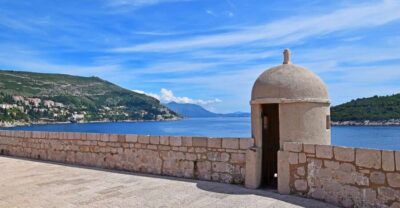
City Walls Early Morning or Sunset Walking Tour
Read our review →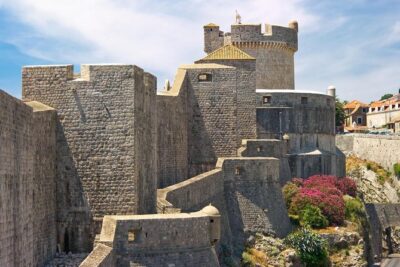
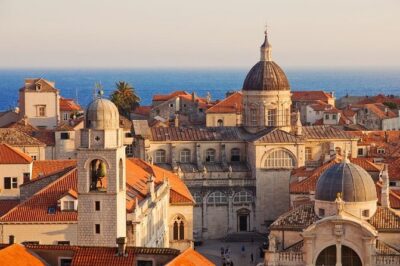
Dubrovnik Combo: Old Town & Ancient City Walls
Read our review →

Dubrovnik Cable Car Ride, Old Town Walking Tour plus City Walls
Read our review →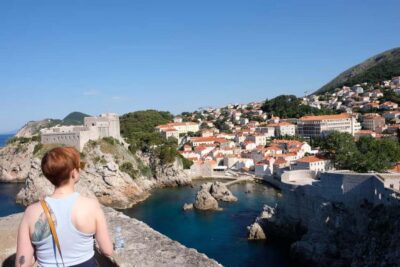
City Walls Tour for Early Birds & Sunset Chaser
Read our review →
Dubrovnik City Walls Tour for Early Birds or Sunset Chasers
Read our review →
Browse the lists this tour appears in