
Reviewed · MONTENEGRO DAY TRIPS
Montenegro,Albania&Kosovo; Semi-Private Tour with Tour Leader&Car
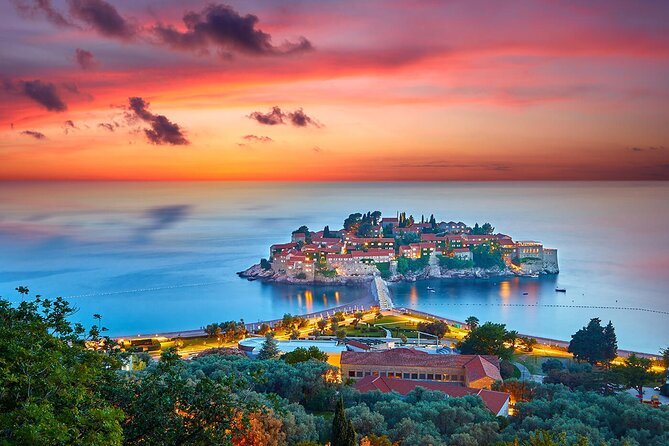
Kotor’s stone lanes, Prizren’s mosque and hilltop fortress, and Albania’s local food markets make this a fast but rewarding way to see three Balkan countries from Dubrovnik. I like the small-group format, and I like that private transport, hotel breakfasts, border transfers, and entry tickets are bundled into one price. The trip also reaches places that are easy to miss if you stay on Croatia’s coast.
The tradeoff is pace. You cover a lot of ground in five days, with several border crossings and long road sections. The final transfer requires a handoff between local drivers at the Montenegro-Croatia border, so you’ll want clear instructions and patience with luggage.
Key points at a glance
- Three countries in five days: Montenegro, Albania, and Kosovo are linked into one practical route from Dubrovnik.
- Kotor and Budva: You get both Kotor’s UNESCO-listed old town and Budva’s medieval center and seaside setting.
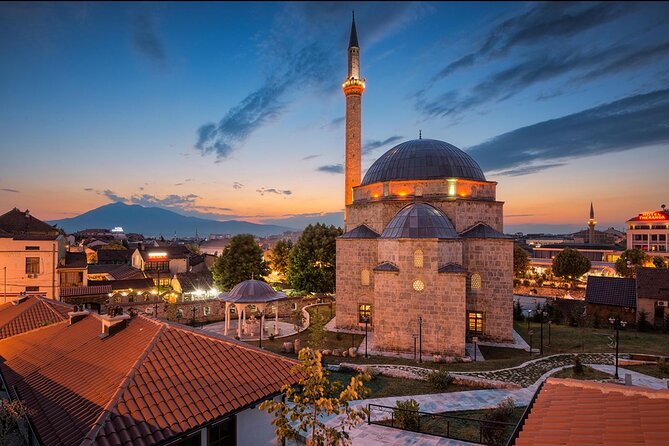
- Prizren with a fortress view: Sinan Pasha Mosque and Kalaja Fortress provide the strongest cultural and scenic stop in Kosovo.
- Food with a local angle: Mrizi i Zanave, Tirana’s byrek, Albanian coffee, pastry, lunch, and raki add real flavor to the route.
- Private transport and small numbers: The group is described as capped at eight, while the additional tour details state a maximum of ten.
- A useful value bundle: Four breakfasts, four hotel nights, transport, fuel, road taxes, insurance, tourist taxes, and listed entry fees are included.
Why this route works from Dubrovnik
This tour is built for someone who wants to see beyond Dubrovnik without arranging several separate trips. You begin in Croatia, enter Montenegro, continue through Kosovo and Albania, then return to Dubrovnik by way of Montenegro.
That route gives you a broad first look at the western Balkans. You see Venetian and medieval architecture in Kotor and Budva, Ottoman-era influences in Prizren, Albanian national history in Kruja, urban life in Tirana, and the older fortress culture of Shkoder.
The pace is brisk rather than leisurely. The stated sightseeing schedule includes short stops, and the road between cities takes time. Still, private transport makes the route more workable than relying on public buses and arranging your own border connections.
The tour is offered in English and includes a professional tour leader. Bledi received especially strong praise for tailoring the experience and explaining both history and current affairs, while Julian was singled out for useful information and practical tips. Guides can make a major difference on a route like this, since border crossings and changing local customs are easier with someone handling the details.
Other days over the border from Dubrovnik:
- Montenegro Full-Day Trip from Dubrovnik with Optional Boat Trip
★ 4.5 · 3,212 reviews - Full-Day Tour Bay of Kotor Perast Kotor and Budva small group from Dubrovnik
★ 4.5 · 821 reviews - Private Tour: Montenegro Day Trip from Dubrovnik
★ 4.5 · 495 reviews
Day one: Kotor’s lanes and Budva’s old walls
Pickup begins at about 7:30 a.m. in Dubrovnik. The first transfer takes you to the border, where you meet the tour leader. This split arrangement is important to understand before booking: a local Croatian driver handles part of the Dubrovnik connection, while the main guide takes over after the border.
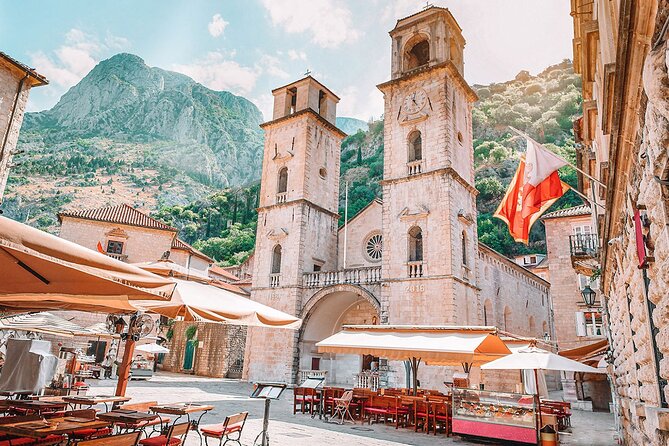
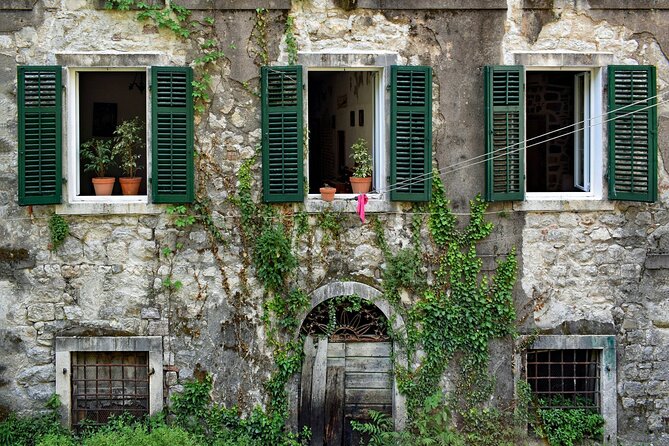
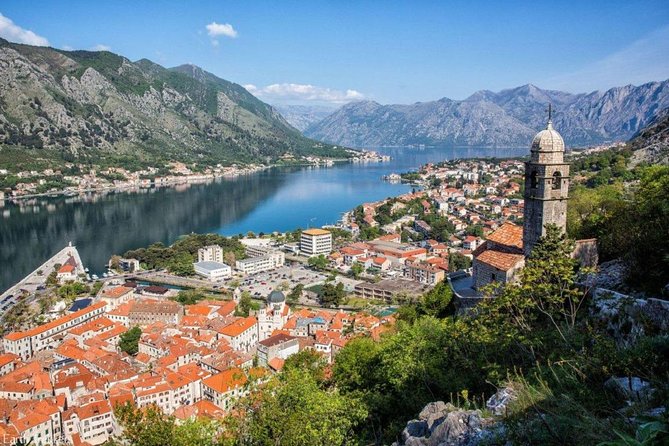
Kotor is the day’s first major stop. Allow about two hours to walk through the old town, where narrow cobblestone lanes turn unexpectedly between stone buildings, churches, and small squares. The unusual street plan was designed to confuse attackers. Today, it gives Kotor a compact, maze-like character that rewards slow walking.
You visit St. Luke’s Church, which has particular meaning for local unity. The old town also includes buildings with plaques explaining their original use and construction dates. These small details help you read the town instead of simply photographing it.
Kotor is one of the strongest stops on the route, but two hours is not enough for every church, museum, and viewpoint. If you want a long climb above the bay or a relaxed café stop, this schedule will feel tight. You should wear shoes suited to uneven stone streets and keep your group’s meeting time in mind.
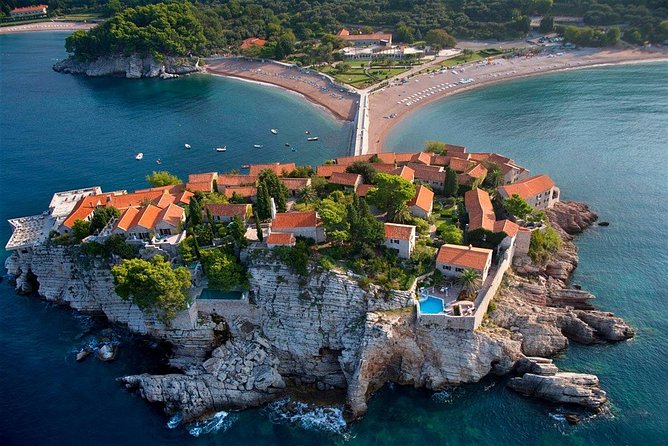
Budva follows with about an hour in the old town. The city has a clear split between modern Budva, with newer buildings, shops, restaurants, and bars, and Old Budva, where the medieval core and churches provide the main interest.
The old center is compact and easy to walk. You’ll see St. Ivan Church, St. Mary’s Church, and the thick-walled character that gives Budva its appeal. The short visit is useful as an introduction, though anyone wanting beach time or a fuller look at modern Budva will find the stop too brief.
Day two: Albanian farm food and Prizren’s Ottoman character
The second day crosses into Albania and later Kosovo. Mrizi i Zanave is a smart choice for the first stop because it connects food with rural life and recent economic change.
This agro-tourism farm collects, prepares, and preserves regional products. You’ll hear how the family business adapted former communist buildings for storage and helped create jobs for more than 400 people in the surrounding area. That story gives the stop more weight than a simple restaurant visit.
You have time to walk around the farm, eat a traditional lunch, or buy fresh products. Lunch is not included, so budget separately for it. The stop lasts about an hour, which should be enough for a quick visit and purchase, but not for a long meal if the schedule is running late.
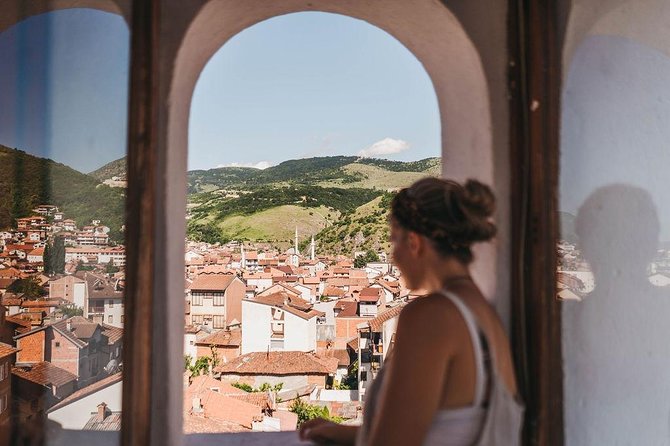
Prizren is one of the most appealing towns on the route. The river runs through the old center, passing under bridges and beside elegant older houses. Its past includes Illyrian settlement and later Byzantine and Ottoman influence, which helps explain the mix of architecture and religious sites.
The planned time in Prizren is listed as only two minutes in one section, but the following visits give you a much more useful stay: 30 minutes at Sinan Pasha Mosque and one hour at Kalaja Fortress. The two-minute figure appears inconsistent with the rest of the schedule, so confirm the day’s timing with the operator before departure.
Sinan Pasha Mosque is the main religious stop. Its patterned decoration and colorful arabesque work offer a close look at Ottoman Islamic design. Dress respectfully when entering any religious building, and follow the guide’s instructions.
Kalaja Fortress sits above town and gives you a broad view over Prizren. The climb is part of the appeal, but it may be tiring in hot weather or for anyone who has trouble on uneven uphill paths. Bring water, since drinks and snacks are not included.
Prizren is also known for filigree metalwork. If you want a souvenir with a clear local connection, look for handmade silver or other fine metal pieces rather than generic items. August brings Dokufest, an international short film festival, but the tour information does not promise festival dates or tickets, so treat that as a possible seasonal extra rather than a feature included in the trip.
Day three: Kruja and the story of Albanian resistance
The route returns to Albania for Kruja, a mountain city linked to Albanian resistance against Ottoman expansion in the 15th century. The town sits around 560 meters above sea level on the slopes of Sarisalltik Mountain, giving the approach a distinct hill-town feel.
The Medieval Old Bazaar is likely to be the most enjoyable part of the visit. Its narrow lanes and wooden shops sell carpets, jewelry, and handmade souvenirs. This is the place to shop, but you should compare prices and bargain politely, since the market is designed for browsing as much as buying.
You’ll have about an hour in the bazaar, followed by a shorter visit to Kruja Castle. The castle occupies a rocky hilltop and was built in the fifth century AD, according to the tour details. The stop connects the town’s physical setting with its military importance.
Thirty minutes at the castle is enough for a quick look and basic explanation, but not for a slow museum visit or extended wandering. If Kruja is your main interest, ask how much time you’ll have inside the castle grounds before setting off.
This day is lighter on listed stops than the others, which may make it feel less rushed. Still, the road schedule and group timing matter. The value here comes from seeing a historic Albanian center with a guide who can explain why Kruja carries such importance in the country’s national story.
A few more things to do in Dubrovnik worth a look
- Mostar and Kravice Waterfalls Tour from Dubrovnik (Semi-Private)
★ 5.0 · 3,125 reviews - Dubrovnik: Blue & Green Caves Private Boat Tour with Drinks
★ 4.7 · 814 reviews - Dubrovnik Private Speedboat Tour to Elaphite Islands with Drinks
★ 5.0 · 660 reviews - Tour The Game of Thrones – Private Walking Tour
★ 5.0 · 464 reviews
Day four: Tirana by byrek, coffee, and market streets
Tirana is approached through food rather than a standard list of monuments. You meet a local companion and begin with byrek, a filled pastry made with cheese, meat, or spinach. This gives you a direct taste of everyday Albanian eating instead of a formal restaurant introduction.
The route continues to Çam Bazaar, founded by Albania’s Çam community, whose roots lie in Çameria in today’s northwestern Greece. You can browse clothing, kitchen equipment, and other everyday goods, with bargaining part of the experience.
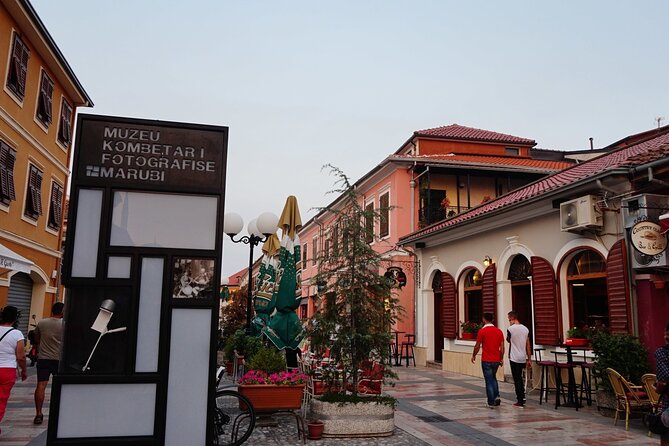
The next food stops include a traditional dessert, Albanian coffee, and lunch at the New Bazaar. The coffee visit is especially useful for understanding local routines, since café culture plays a large role in social life. The schedule also includes the Bicycle Bazaar, where you may find secondhand clothes and furniture.
The final tasting is Albanian raki. It is included in the planned local food experience, but the wider tour does not include drinks and snacks as a general rule. If you do not drink alcohol, tell the local companion and do not feel pressured to take part.
Tirana’s food focus is a strength, though it means you may see fewer major landmarks. You’ll spend time in markets, side streets, and local neighborhoods rather than moving from one famous building to another. I would choose this format if you care about daily life and regional dishes. If your main goal is museums or formal sightseeing, ask for the exact Tirana stops before booking.
Shkoder comes later in the day. The city has been inhabited for about a thousand years, and its oldest fortress walls date to the first millennium BCE. The Roman historian Livy identified it as the capital of Illyrian King Gent, who fought Rome in 168 BC.
Rozafa Castle is the main stop, with views toward the lake and the three rivers that meet before flowing toward the Adriatic Sea. One hour gives you enough time for the main outlooks and an explanation of the site. Again, the ground may be uneven, so practical shoes are a good idea.
Day five: the return to Dubrovnik
After breakfast, you have some free time before leaving for Dubrovnik. The return drive passes through Montenegro and is described as scenic, though no exact sightseeing stops are promised.
At the Croatian border, the arrangement reverses. A local representative takes you onward to your Dubrovnik hotel. This is the one part of the trip that deserves extra attention.
A previous departure became stressful when the Albanian guide left the group at the border and the Croatian driver arrived about ten minutes later than expected because of traffic. The operator explained that the guide had taken the group to a specific waiting area and accepted responsibility for not remaining there. The practical lesson is simple: ask exactly where you should wait, confirm which driver is collecting you, and stay in the designated area with your luggage.
You should not plan a tight flight or train connection immediately after the scheduled return. Border procedures, traffic, and the driver handoff can all take longer than expected.
What the $2,146.51 price includes
At $2,146.51 per person, this is not a budget bus tour. It is priced as a private-transport, small-group trip with accommodation and a guide across several countries.
The price includes four nights in 3-star hotels with breakfast, four breakfasts, private transportation, a professional tour leader, tourist taxes, road taxes, petrol, international car insurance, and entry fees for the listed sites. Hotel pickup and drop-off are included in Dubrovnik or Kotor.
That bundle has real value if you would otherwise need to arrange cross-border buses, several hotels, local guides, and fortress admissions yourself. It also removes much of the stress of moving through three countries.
The value is weaker if you want luxury hotels, long free periods, or full control over every stop. Lunches, dinners, drinks, snacks, souvenirs, and personal spending are extra. The price is based on double, twin, triple, or quadruple room occupancy. Single occupancy costs an additional 45 euros per night.
The small-group claim needs clarification before you pay. The highlights say numbers are capped at eight, while the additional information says the maximum is ten. Either size is still more personal than a large coach, but the difference matters if you are booking specifically for close guide contact.
Who will enjoy this Balkan circuit
I would choose this tour if you want a broad first look at the region and prefer a guide to handle the roads and borders. It suits people who value history, food, old towns, fortresses, and local markets more than beach time or slow resort days.
It is also a good fit if you are starting in Dubrovnik and do not want to build a complicated multi-country route yourself. The guide can explain changes in language, religion, politics, and architecture as you move from one country to the next.
I would hesitate if you dislike early starts, uneven walking surfaces, shared schedules, or long drives. The itinerary is packed, and some stops are short. You also need your own health and travel insurance.
The cancellation terms are strict: the experience is non-refundable and cannot be changed for any reason. Check passports, border requirements, room arrangements, and insurance before committing.
Should you book it?
Book this tour if your priority is seeing a lot of the western Balkans efficiently, with private transport, included breakfasts, and a small English-speaking group. Kotor, Prizren, Kruja, Tirana, and Rozafa Castle give the five days a strong mix of scenery, food, architecture, and history.
Skip it if you want a relaxed holiday or need guaranteed precision at the final border transfer. Before booking, confirm the group limit, the unclear Prizren timing, hotel locations, and the exact border meeting procedure. With those points settled, the tour offers a practical route through three countries that would be difficult to organize on your own.
FAQ
Where does the tour begin?
The tour begins in Dubrovnik, Croatia, with a stated start time of 7:30 a.m. Pickup is available from your Dubrovnik hotel.
Can I start or end in Kotor?
Yes. Hotel pickup and drop-off are offered in Dubrovnik or Kotor. On request, pickup can be arranged in Dubrovnik at 9:00 a.m. or in Kotor at 11:00 a.m., free of charge, if requested at least 12 hours before departure.
How long is the experience?
The tour lasts approximately five days. The sightseeing route covers four main touring days, followed by the return to Dubrovnik on day five.
Which countries does the tour visit?
The route visits Montenegro, Albania, and Kosovo, beginning and ending in the Dubrovnik area of Croatia.
What accommodation is included?
Accommodation is provided in 3-star hotels, with breakfast included. Pricing is based on double, twin, triple, or quadruple room occupancy.
Can I have a single room?
Yes. Single room occupancy is available for an additional 45 euros per night per person in 3-star accommodation.
Are meals included?
Four breakfasts are included. Lunches, dinners, drinks, and snacks are not generally included, although the Tirana food experience includes planned tastings and a traditional lunch stop.
How large is the group?
The experience is described as capped at eight people in the highlights. The additional information gives a maximum of ten, so confirm the final group size before booking.
Just added in Dubrovnik
- Elaphiti Islands Private Dubrovnik Boat Unique Experience★ 5.0 · 10 reviews
- Full- Day Private Speedboat Tour in Dubrovnik on Elaphiti Islands★ 5.0 · 21 reviews
- Wine tour peninsula Pelješac★ 5.0 · 3 reviews
- PRIVATE Wine Tour to Konavle country side★ 5.0 · 11 reviews
- Dubrovnik at War 1991-1992 Private Walking Tour★ 5.0 · 4 reviews
- Welcome to Dubrovnik Walking Tour★ 5.0 · 36 reviews
- City Walls of Dubrovnik★ 5.0 · 70 reviews
- Walls of Liberty: A Self-Guided Audio Tour of Dubrovnik★ 3.5 · 3 reviews
Montenegro Day Trips, compared.
Montenegro Full-Day Trip from Dubrovnik with Optional Boat Trip
Read our review →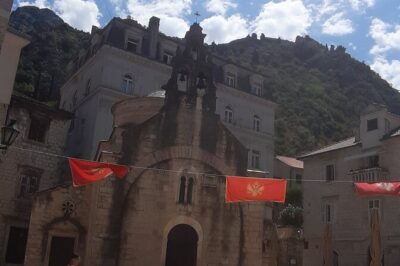
Full-Day Tour Bay of Kotor Perast Kotor and Budva small group from Dubrovnik
Read our review →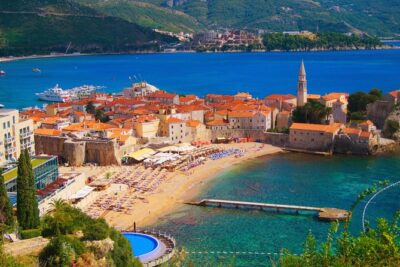
Private Tour: Montenegro Day Trip from Dubrovnik
Read our review →
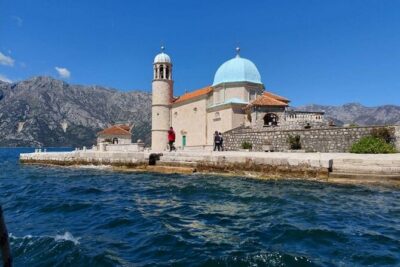
Best of Montenegro – Kotor Bay with Boat Ride (Small Group)
Read our review →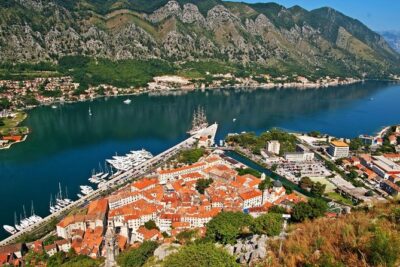
Kotor Bay Day Trip from Dubrovnik with Boat Ride to Lady of the Rock
Read our review →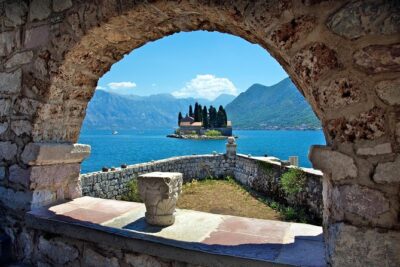
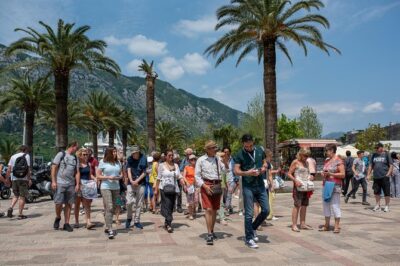
Montenegro: Bay of Kotor Day Trip from Dubrovnik English -Español
Read our review →Browse the lists this tour appears in