
Reviewed · PLITVICE LAKES TOURS
From Zagreb: Plitvice Lakes National Park Tour with Tickets
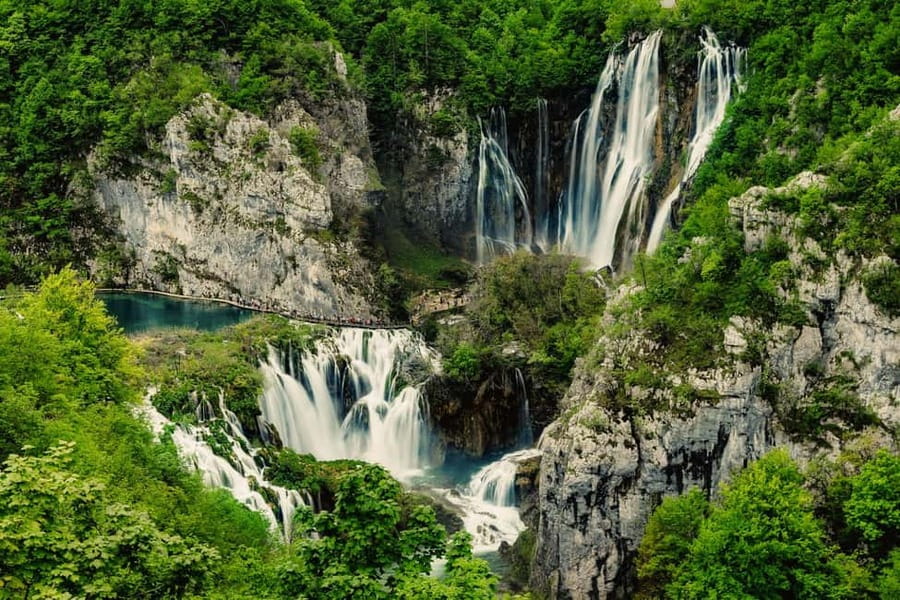
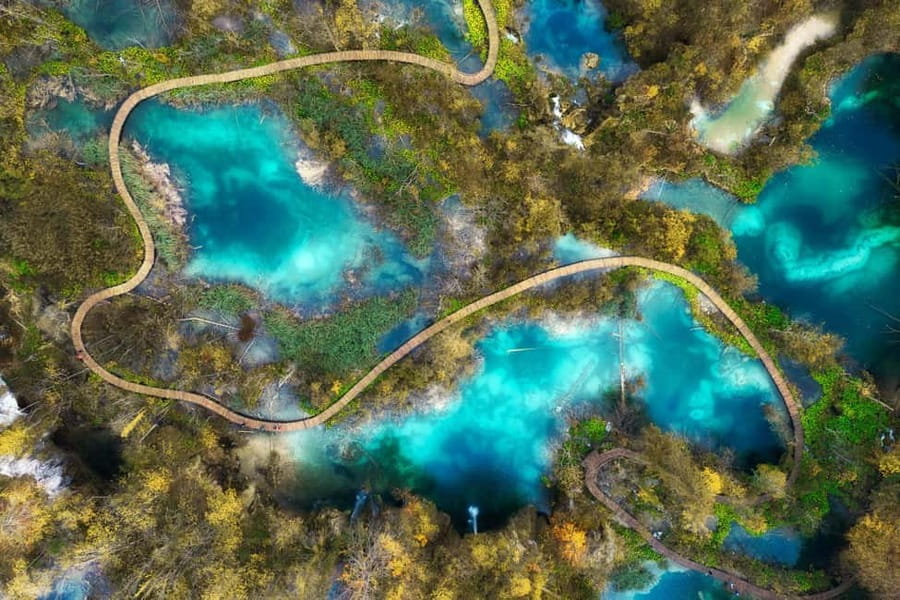
Plitvice Lakes is the main event here: sixteen linked lakes, travertine barriers, waterfalls, dark woods, and wooden paths that carry you right over the water. I like that this trip adds Rastoke village first, then gives you roughly four hours in the national park instead of treating Plitvice as a quick photo stop.
I also like the small-group feel and the practical extras: park admission, an air-conditioned van, Wi-Fi, bottled water, a snack, and rain protection are included. Guides such as Ivan, Patrik, Luka, and Stjepan have been praised for adjusting the pace and explaining Croatia along the drive. The catch is the length and walking. At about 8,000 meters on some routes, this is not a gentle sightseeing outing for anyone with limited mobility.
Key points to know before booking
- Rastoke comes first: Spend about 40 minutes seeing the Slunjčica River flow into the Korana among old watermills and small cascades.
- Plitvice gets four hours: Expect a guided walk, scenic views, wooden bridges, forest paths, and time around the park’s lakes and waterfalls.
- The biggest waterfall is 78 meters high: Veliki slap gives you the park’s loudest and most dramatic moment.
- Transport is easy: Meet in central Zagreb at Zrinjevac 2, close to Ban Jelačić Square, for a ride of about 1.5 hours to Rastoke.
- Winter changes the route: From November 1 through March 31, panoramic trains and electric boats do not operate, so the tour is on foot.
- The Bled reference needs checking: Bled cream cake and a castle view are mentioned in the highlights, but the stated route includes Zagreb, Rastoke, and Plitvice, not Bled.
Why this day trip works from Zagreb
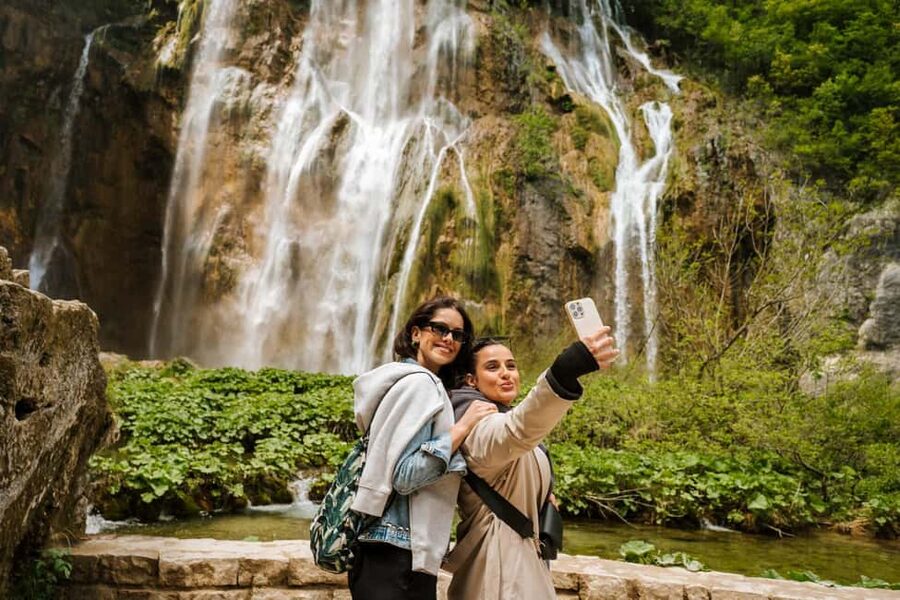
Plitvice Lakes is far enough from Zagreb that going independently takes planning, transport, and a park ticket. This tour bundles those pieces into one long day. At $123 per person, the price is not bargain-basement, but it can be fair if you value a direct ride, admission, and someone else handling the route.
The biggest saving is time. You leave from the center of Zagreb rather than making your way to a distant bus station, then ride in an air-conditioned van or minibus. The drive to Rastoke takes about 1.5 hours, followed by roughly 40 minutes on the road to Plitvice. The return ride to Zagreb takes about two hours.
You should think of this as a full nature day, not a spare half-day add-on. The advertised duration is 10 hours, and the park portion alone lasts about four hours. Add the road time and the stop in Rastoke, and you have a demanding but efficient outing.
The tour has a 4.7 rating from 444 bookings, and transport received a perfect score from 86 percent of the published ratings. That lines up with the practical strengths of the trip: the van removes driving stress, and the guides do more than point out waterfalls. On the road, they may talk about Croatia, local geography, and national history. During the walk, they explain how karst rivers and streams keep shaping the lakes and travertine barriers.
Other lake and waterfall days from Zagreb:
- From Zagreb: Plitvice & Rastoke Guided Day Trip with Ticket
★ 4.9 · 2,955 reviews - Zagreb: Rastoke & Plitvice Lakes Guided Tour with Ticket
★ 4.9 · 1,897 reviews - Plitvice Lakes with Ticket & Rastoke Guided Tour from Zagreb
★ 5.0 · 966 reviews
Meeting in central Zagreb and settling into the van
The meeting point is Nikola Šubić Zrinski Square, in front of the meteorological post. It is about a three-minute walk from Ban Jelačić Square, so you can reach it easily from Zagreb’s central area. The guide carries a lime green umbrella, a useful marker if the square is busy.
The drive is part of the day, but the included details make it easier. You get Wi-Fi while in the van or bus, one bottle of water, a snack, and an air-conditioned vehicle. A raincoat is also available if the weather turns wet.
Bring your passport. If you are from the European Union, a national identity card is accepted instead. This is a cross-regional day trip, and carrying the correct document is a simple way to avoid trouble.
Group size can vary, with a small-group option available. Several guides have led this route, including Ivan, Damjan, Patrik, Luka, Stjepan, Antonio, and others. The strongest pattern is personal attention. Ivan has helped people slow down for knee problems, while Patrik has been praised for planning a route that saved more time at the most scenic spots.
That does not mean every departure will feel private. The minimum is two participants, and group size depends on the option you choose. Still, the small-group format is worth considering if you want to ask questions, stop for photos, or keep a steadier walking pace.
Rastoke gives you a smaller water-world first
Rastoke is the first stop, with about 40 minutes of free time. Here, the Slunjčica River meets the Korana, passing through a village known for water-powered mills, channels, and small falls. It is a compact introduction to the water systems you will see later at Plitvice.
This stop helps break up the drive. You can stretch your legs, look at the meeting of the rivers, and get your first taste of Croatia’s karst country before the larger national park. The time is short, so think of Rastoke as an atmospheric preview, not a full village visit.
The 40-minute limit also keeps the day moving. If you like to linger, take many photographs, or stop for a long coffee, this portion may feel rushed. If you mainly want a scenic pause before Plitvice, it does its job well.
Plitvice begins with lakes, barriers, and moving water
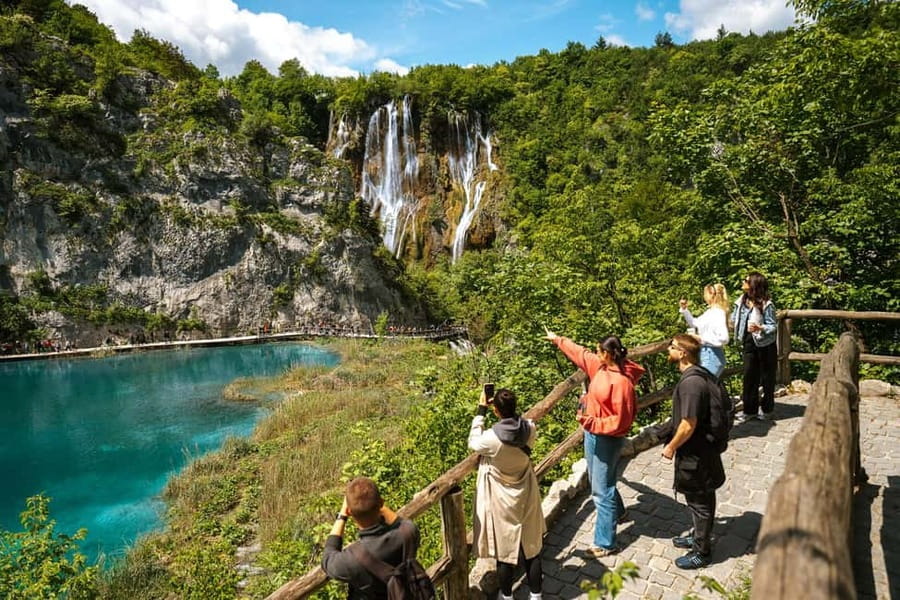
From Rastoke, the van continues for about 40 minutes to Plitvice Lakes National Park. The park is a UNESCO World Heritage Site, and its appeal comes from the way water keeps changing the setting. Streams feed a chain of lakes, while mineral deposits form travertine barriers that separate one body of water from another.
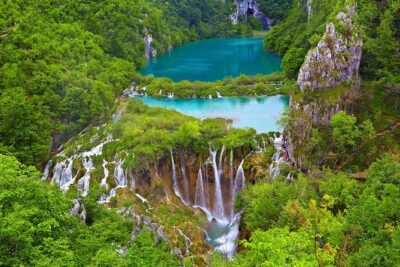
The route described for this tour covers the park’s system of sixteen lakes, including twelve linked lakes separated by these natural barriers. The guide explains that this is not a frozen arrangement. Water, stone, moss, and mineral deposits continue to shape the park over time.
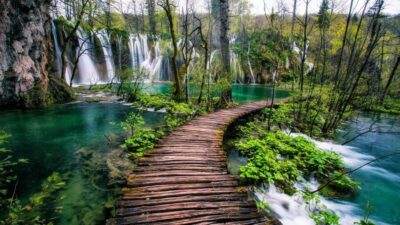
You will walk on winding paths that cross the water and pass through ancient woodland. The views shift constantly. One section may put you close to a clear, colored lake, while another opens toward a cascade or a wider forest view. The wooden walkways are the reason Plitvice feels so immediate. You are not simply looking at the water from a distant platform. You move through it.
The park portion lasts around four hours and includes guided sightseeing, hiking, and scenic views. That gives you enough time to see a substantial part of the park, but it also demands stamina. One published account described walking about 8,000 meters, and other outings are described as nearly four hours on foot. The pace can be manageable, but the distance adds up.
Wear walking shoes with good grip. Comfortable clothing matters too, especially if rain makes the paths slick. The tour is not suitable for people with limited mobility, and you should take that warning seriously. Even when the pace is easy, the combination of distance, bridges, uneven sections, and weather can make the day tiring.
A few more things to do in Zagreb worth a look
- From Split: Plitvice Lakes National Park Guided Tour
★ 5.0 · 3,002 reviews - From Split: Krka National Park Tour
★ 4.7 · 2,359 reviews - From Split: Plitvice Lakes National Park Guided Tour
★ 5.0 · 2,355 reviews - Plitvice Lakes National Park Guided Day Tour from Split
★ 5.0 · 1,948 reviews
Veliki slap is the loudest moment of the day
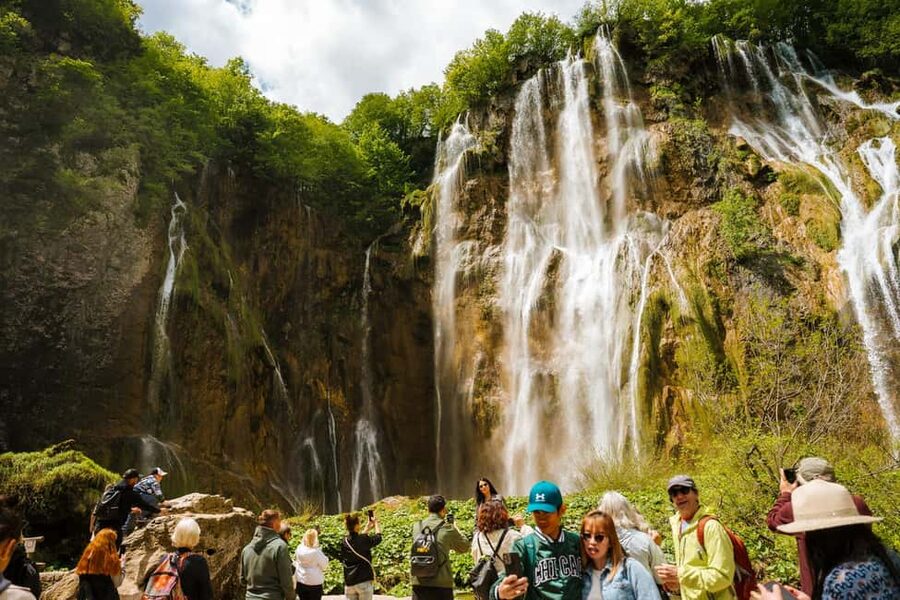
The 78-meter Veliki slap, or Large Waterfall, is the park’s headline view. You can stand near the fall and hear the water hit below, a welcome change from the quiet movement of the smaller cascades.
This is where the park’s scale becomes clear. At Rastoke, the water feels close and village-sized. At Veliki slap, it has force and height. The surrounding woods and rock make the sound seem even bigger.
The exact view can depend on weather and park conditions. In winter, icy paths may limit access to some falls. In wet weather, the waterfalls can look more powerful, but you will need to protect your phone and camera and use the provided raincoat if needed.
Boats and panoramic trains depend on the season
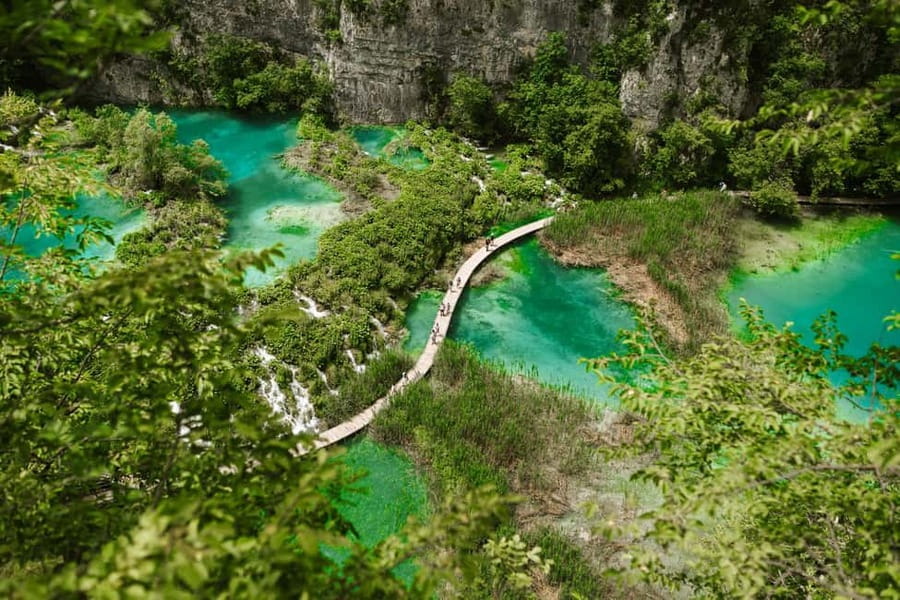
From April 1 through October 31, the route may include the park’s panoramic trains and electric boats, depending on the operating plan and conditions. These rides can reduce some walking and add a different view of the lakes.
From November 1 through March 31, neither the panoramic trains nor the electric boats operates. The tour continues on foot instead. That can make a winter visit more strenuous, especially if paths are wet, icy, or restricted.
Winter still has a strong appeal. The park can feel quieter, and snow or ice may give the falls a different character. But you should book the colder months for scenery and lower-key conditions, not for a guaranteed boat ride or easy access to every viewpoint.
Spring can be a particularly good compromise. Water levels may make the falls more dramatic, while the park can be less crowded than in the height of summer. Rain is always possible, so pack for changing conditions rather than relying on a bright forecast.
The guide can shape the whole day
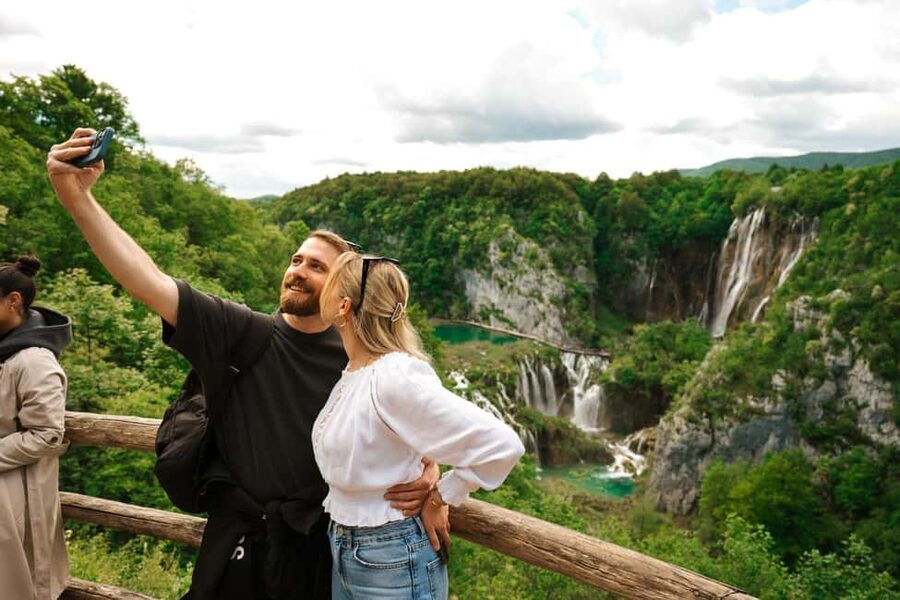
Plitvice is beautiful without commentary, but a good guide makes the long drive and the walking route more useful. Guides on this trip commonly explain Croatia’s past, the park’s geology, and the way water creates the travertine barriers.
I would pay attention to the guide option and group size when booking. Ivan has been praised for patience, humor, and care toward people who needed a slower pace. Patrik has been credited with choosing an efficient route and spending more time at the best viewpoints. Luka has been described as easygoing during both the drive and the park walk, while Stjepan has a reputation for explaining everything from local history to geography and animals.
Those details matter because the park route is not simply a straight line from one waterfall to the next. You need to manage time, crowds, weather, and energy. A guide who knows where to pause and when to move can help you see more without turning the walk into a race.
Spanish and English are the stated guide languages. The drive also gives you a chance to ask about Zagreb and Croatia beyond the park, which several guides make part of the day.
Food, timing, and what the $123 includes
Lunch is not included, and the park’s food choices may be limited to fast food. Bring something with you if you prefer a proper meal, have dietary needs, or do not want to lose time waiting for food during the park visit. The included snack and bottled water are useful, but they should not be treated as lunch.
At $123, the value depends on what you would otherwise have to arrange. Your fee includes the national park entrance, transport, a bilingual driver-guide depending on the chosen option, Wi-Fi in the vehicle, one bottle of water, a snack, and a raincoat if needed. You are paying for convenience as much as for the sightseeing.
A self-arranged visit might cost less in some circumstances, especially outside the busiest period, but you would need to handle transport, park entry, timing, and route choices yourself. This tour makes the most sense if you have limited time in Zagreb or prefer not to drive.
One point needs clarification before booking: the highlights mention tasting Bled cream cake while enjoying a castle view. The stated itinerary does not include Bled or Slovenia. It lists Zagreb, Rastoke, Plitvice Lakes, and Zagreb again. Treat the Bled reference as a possible listing error unless the provider confirms that it applies to your selected departure.
Who should book this Plitvice tour?
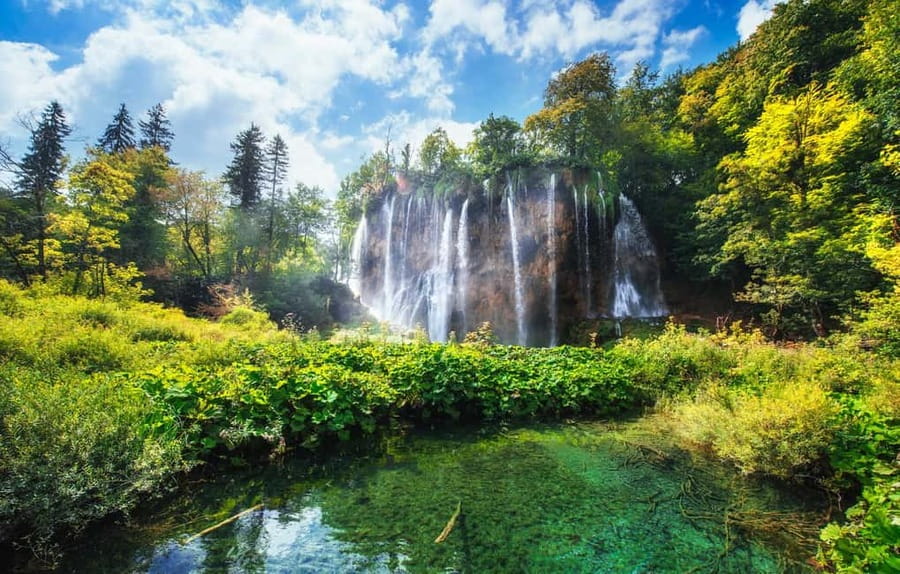
I would recommend it to you if you are staying in Zagreb and want to see Plitvice without renting a car. It suits people who enjoy a full day outdoors, can walk several hours, and like having local explanations along the way.
It also works well for solo visitors. The group setting takes care of transport and park logistics, while the smaller option can make it easier to meet people. Families can use the service too, and child car seats have been provided on some departures, but confirm the arrangement when booking.
I would hesitate if you have limited mobility, dislike long rides, or want a relaxed lunch and a short walk. The day includes about four hours in the park, and the return journey can feel long after a full day on foot.
You can cancel up to 24 hours before departure for a full refund, and the reserve-now, pay-later option keeps your plans flexible. The tour requires at least two participants to operate, so check the departure status before making firm plans around it.
Should you book it?
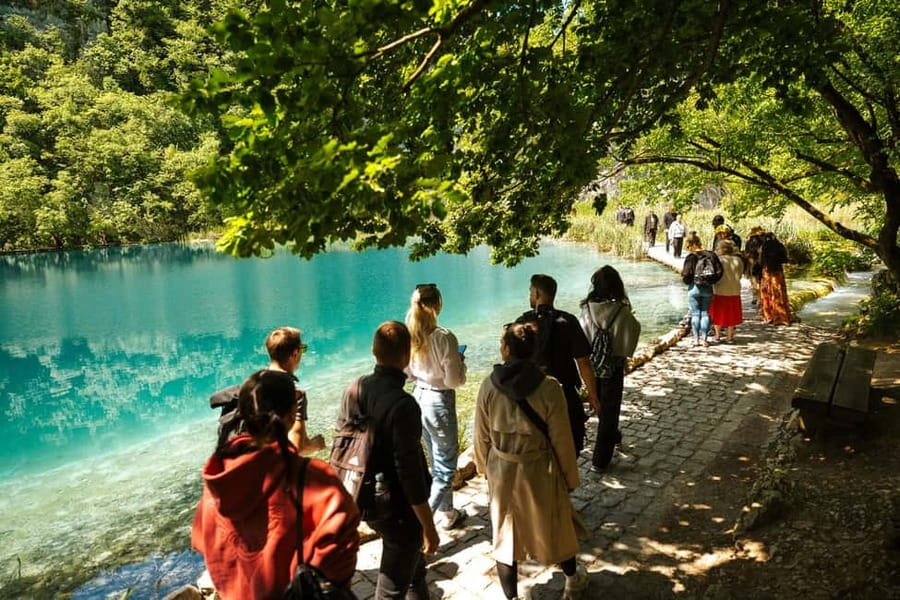
Book this tour if Plitvice is high on your Croatia list and you want the simplest way to reach it from Zagreb. The combination of Rastoke, park admission, direct transport, and a guide gives you a well-packed day, and the care shown by guides such as Ivan, Patrik, Luka, and Stjepan is a real strength.
Skip it if you want to explore Plitvice at your own pace, avoid a long day, or cannot comfortably walk several miles. For most active visitors with one free day in Zagreb, though, this is a sensible way to reach Croatia’s most famous lakes without fuss.
FAQ
Where does the tour leave from in Zagreb?
The meeting point is Nikola Šubić Zrinski Square, in front of the meteorological post. It is about a three-minute walk from Ban Jelačić Square.
How long does the tour last?
The full activity lasts about 10 hours, including the drives, the Rastoke stop, and the visit to Plitvice Lakes National Park.
How much time do you spend at Rastoke?
You have about 40 minutes of free time in Rastoke to see the Slunjčica River flow into the Korana and explore the village area.
How long is the walk at Plitvice Lakes?
The guided park visit lasts about four hours. Some routes involve roughly 8,000 meters of walking, so comfortable clothes and walking shoes are important.
Are park tickets included?
Yes. The national park entrance fee is included in the tour price.
Are food and drinks included?
One bottled water and a snack are included. Lunch is not included, and personal expenses are also separate.
Do the boats and panoramic trains run all year?
No. From November 1 through March 31, the panoramic trains and electric boats do not operate. During this period, the tour is conducted on foot, and weather may restrict some parts of the park.
What documents should you bring?
Bring a valid passport. If you are from the European Union, an identity card is accepted.
Just added in Zagreb
- Private Wine Road Day Tour from Zagreb★ 4.5 · 11 reviews
- Private Wine Tour from Zagreb: Two Local Wineries & Samobor★ 5.0 · 18 reviews
- Painting party at Art Bottega – Paint & Wine Studio in Zagreb★ 5.0 · 23 reviews
- Fairytale Castle & Wine Tasting & Lunch★ 5.0 · 19 reviews
- Private Transfer: Zagreb Airport (ZAG) to Zagreb Hotel★ 5.0 · 52 reviews
- Zagreb Airport One Way Private Transfer To or From Airport★ 5.0 · 132 reviews
- From Zagreb: Transfer to Split & Plitvice Lakes Guided Tour★ 4.7 · 463 reviews
- Zagreb: Guided City Tour with WWII Tunnels★ 4.9 · 155 reviews
Plitvice Lakes Tours, compared.
Plitvice Lakes Guided Tour with Entry Tickets
Read our review →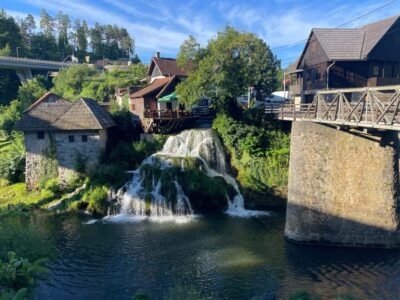
Rastoke & Plitvice Lakes Guided Tour with Ticket
Read our review →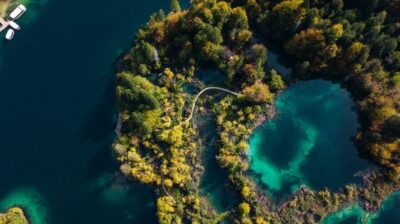
Self-Guided Plitvice Lakes Day Tour with Boat Ride
Read our review →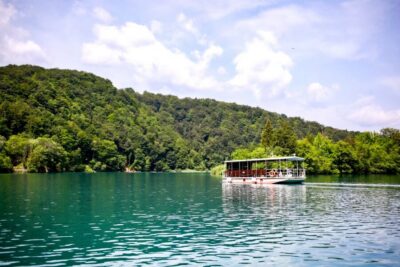
Plitvice Lakes with Boat Ride and Zadar Old Town Tour
Read our review →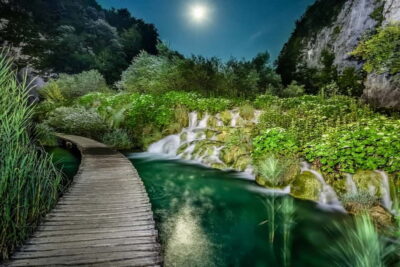
Plitvice Lakes: Guided Walking Tour with Train and Boat Ride
Read our review →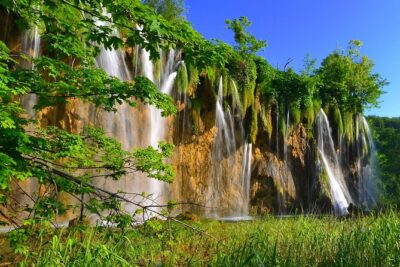
Browse the lists this tour appears in