
Reviewed · PLITVICE LAKES TOURS
From Zagreb: Rastoke and Plitvice lakes Guided Day Trip
Plitvice Lakes is the main event here, with 16 clear lakes linked by waterfalls, wooden paths, a boat ride, and a park train. But Rastoke gives the day a smaller, more intimate opening: a village built around rushing water and old mills. Together, the two stops show off a very different side of Croatia from the Adriatic coast.
I like the sensible route, the included air-conditioned transport, and the way a guide such as Marko or Marin can handle the park’s trails and transport connections. I also like that the day includes Rastoke’s 17th-century watermills, rather than rushing straight to Plitvice.
The main consideration is stamina. The high-season route covers about 8.5 kilometers, and the day lasts around 10 hours. Winter is quieter and often beautiful, but the upper lakes may be closed, and the boat and train may not run.
Key points to know before booking
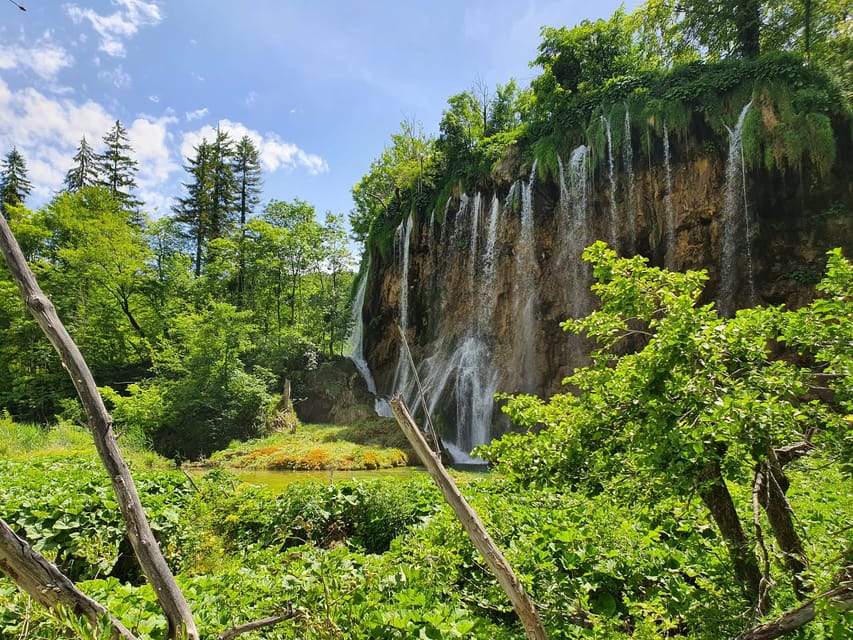
- Rastoke comes first: Spend about 35 minutes photographing its waterfalls, old watermills, and compact village setting.
- Plitvice is an active day out: Expect a guided walk of about 8.5 kilometers in high season, with no major inclines but plenty of time on foot.
- Transport saves effort: The park program includes a boat and train ride when operating, plus coach transport from Zagreb.
- Winter changes the visit: From November 1 through March 31, only the Lower Lakes are open, depending on conditions.
- Guiding is a major strength: Marko, Marin, Mario, Patrick, Saša, and Sarah are among the guides praised for clear explanations, humor, and care with the group.
- The price needs one extra calculation: The tour costs $46 per person, but the Plitvice entrance fee is separate and varies by season.
Why this Zagreb day trip works
This is a practical way to visit Croatia’s best-known inland nature site without renting a car or figuring out the park’s entrances and internal transport yourself. From Zagreb, the drive is long, but the route is straightforward: roughly 100 minutes to Rastoke, then about two hours back to Zagreb after the park.
The day gives you two distinct stops. Rastoke is a quick scenic pause, while Plitvice receives the bulk of the time. That balance is right. Rastoke is attractive enough to deserve a visit, but Plitvice is too large and too varied to treat as a short photo stop.
I would choose this trip if you have one open day in Zagreb and want waterfalls, forest paths, and Croatian countryside without making your own arrangements. It is less suitable if you want a slow village visit, a private itinerary, or a gentle sightseeing day with little walking.
Other lake and waterfall days from Zagreb:
- From Zagreb: Plitvice & Rastoke Guided Day Trip with Ticket
★ 4.9 · 2,955 reviews - Zagreb: Rastoke & Plitvice Lakes Guided Tour with Ticket
★ 4.9 · 1,897 reviews - Plitvice Lakes with Ticket & Rastoke Guided Tour from Zagreb
★ 5.0 · 966 reviews
Meeting in central Zagreb
The meeting point is the bus stop across from the Ethnographic Museum Zagreb, at Trg Antuna, Ivana i Vladimira Mažuranića 14. Check your booking carefully for the departure time and arrive ready for a full day away from the city.
The vehicle is air-conditioned, and the return ride takes about two hours. That matters after the park walk. One October booking described a coach with reclining seats, while other experiences were operated with a minibus or small-group vehicle. Group size can vary. One October group had about 25 people, while another departure with only seven people was upgraded to a small-group format.
The drive is not dead time. Guides commonly use it to explain Croatian history, Zagreb, local food, and the places you are about to see. Marko is often praised for mixing facts with jokes, while Saša and Marin are also noted for keeping the ride lively and informative.
Rastoke and its water-powered village
After around 100 minutes on the road, you stop at Rastoke for about 35 minutes. This is a short visit, so think of it as a scenic introduction rather than a full village tour.
Rastoke is built around small cascades and channels where water runs beneath and around traditional buildings. Its old mills date to the 17th century, and the mix of wooden structures, falls, and green surroundings gives the place its fairytale look. You have time to walk, take photographs, and enjoy the views before continuing to Plitvice.
The stop is valuable because it puts Croatian watermill culture in context. Plitvice shows nature on a grand scale. Rastoke shows how people shaped their lives around moving water.
Do not expect a long, unhurried exploration here. Thirty-five minutes passes quickly, especially if the group pauses for photographs. Keep your walking shoes on and stay aware of the meeting time. The best use of this stop is to enjoy the falls, capture a few good images, and let the guide explain how the village developed.
Entering Plitvice Lakes National Park
The park receives about four hours of guided sightseeing, followed by lunch and the internal boat and train segments. The exact order can vary with park operations, weather, and seasonal access, but the day is designed to show you the principal viewpoints rather than leave you to find your own way.
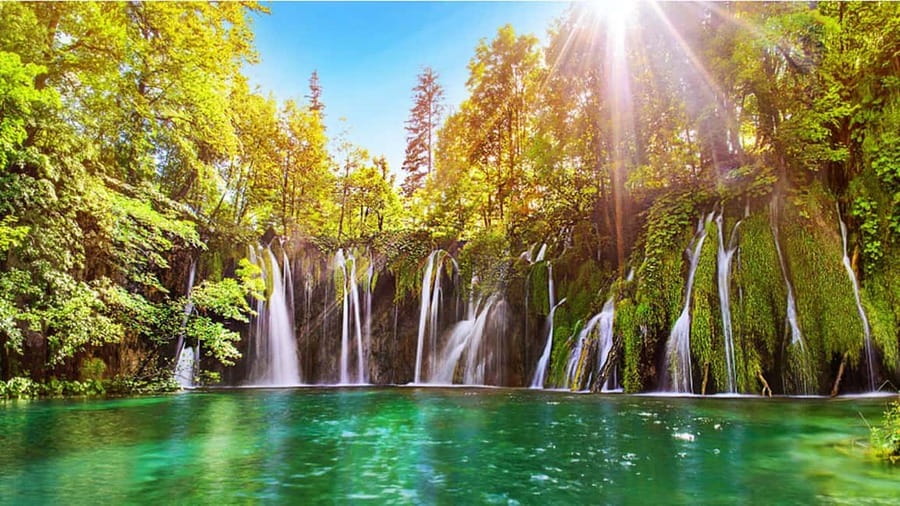
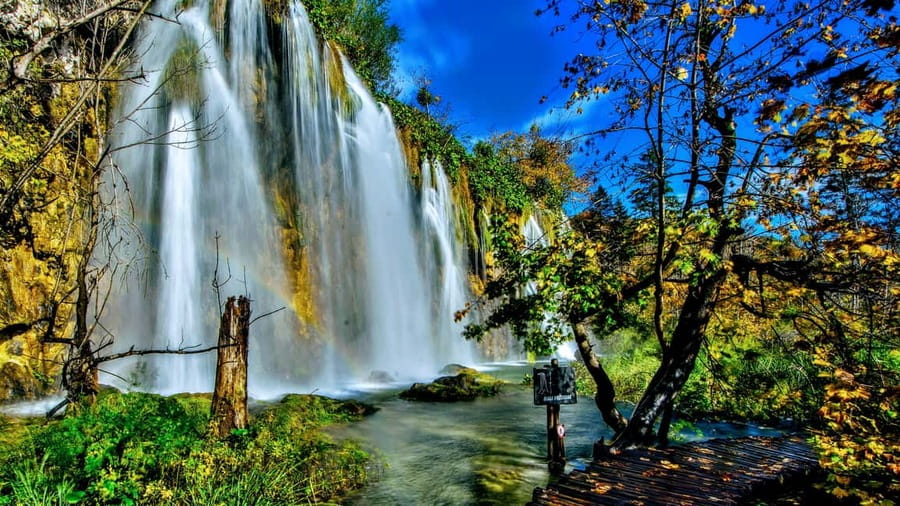
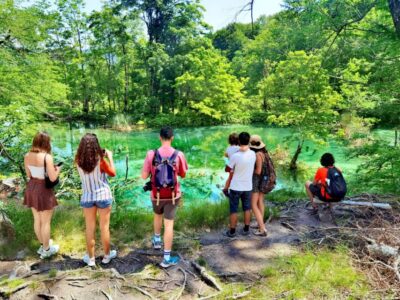
Plitvice is made up of 16 lakes connected by waterfalls and cascades. The water is the star: clear, pale, and constantly moving. Wooden walkways lead across and beside the lakes, giving you close views of the falls and different angles across the water.
Your guide adds practical value here. The park has several routes and transport links, so it helps to have someone explain where you are going, how long you have, and which viewpoints matter most. Marko, Marin, Mario, Patrick, and Sarah are among the guides associated with this experience, and the strongest descriptions of the day repeatedly point to their clear information, good humor, and care with group members.
The walking route is about 8.5 kilometers, or 5.3 miles, in high season. The route is described as having no major inclines, but that does not make it effortless. You are still walking for several hours, often stopping for photographs and listening to explanations. One older participant specifically noted that a reasonable level of fitness is needed.
Wear shoes with a good grip. Comfortable clothing is essential, and you should be ready for changing weather. Rain can make wooden paths slick, while cold weather can turn the park into a snowy scene. A visit in October included cold rain, yet the guide kept the group moving between the best viewpoints. Another December visit began in fog before the sun appeared.
Other inland days from Zagreb:
- Plitvice and Rastoke day trip from Zagreb w/ticket (guar. dep.)
★ 5.0 · 804 reviews - Zagreb: Plitvice with Ticket & Rastoke Tour for Max 8 people
★ 5.0 · 606 reviews - From Zagreb: Rastoke and Plitvice Guided Trip with Ticket
★ 4.8 · 367 reviews - Private Wine Tour from Zagreb: Two Local Wineries & Samobor
★ 5.0 · 18 reviews
The boat ride and park train
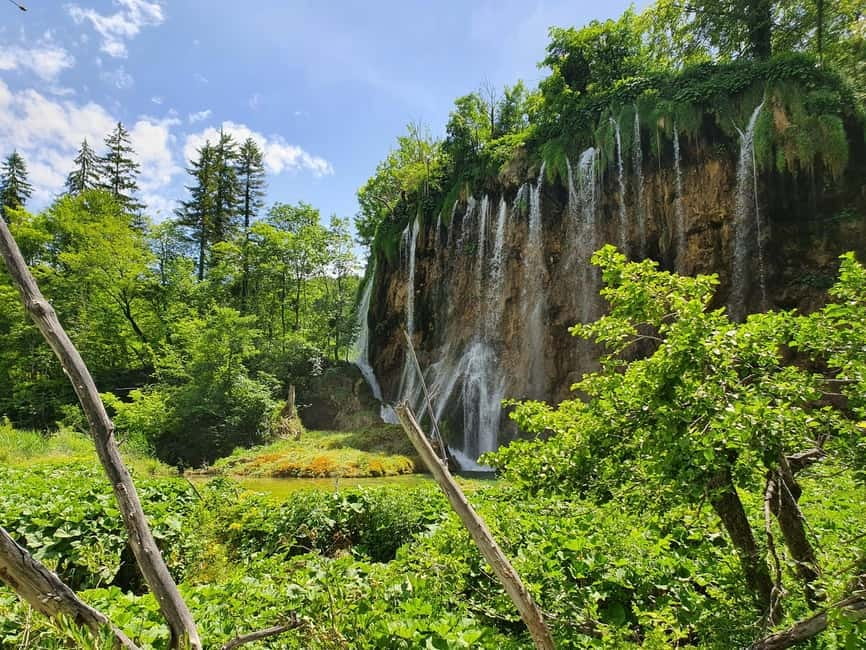
The internal transport is one of the reasons this excursion is easier than visiting independently. A boat ride takes about 20 minutes, and a park train ride also takes about 20 minutes when both are operating.
The boat gives you a different view of the lakes and breaks up the walking. The train helps cover ground without turning the day into one continuous hike. These rides are not just conveniences. They let you experience more of the park while preserving some energy for the paths and viewpoints.
There is an important seasonal warning. From November 1 through March 31, only the Lower Lakes can be visited, and weather can stop the electric boats and train. Some winter visits included the train and boat, while other visits had the upper lakes closed and a shorter walk around the lower section.
That variation is normal for a nature park. You should not book a winter date expecting the same route and transport as a July visit. The lower section is still striking, especially when waterfalls are framed by snow or mist, but the experience is more limited.
Lunch, breaks, and the pace of the day
Lunch is scheduled for about 30 minutes inside the overall park visit. Food and drinks are not included, so plan to buy or bring something suitable. The information provided does not promise a particular restaurant or menu, so do not build the day around a special meal.
There is also about 15 minutes for a break and shopping later in the park visit. Use it for a quick drink, a restroom stop, or a small souvenir rather than expecting a long shopping session.
The timetable is full, but it is not needlessly rushed. The guide has to coordinate the park walk, lunch, boat, train, and return departure. Some groups describe a relaxed pace, with time for photographs and explanations. Still, this is a shared tour, so you need to return promptly when asked.
If you stop often for pictures, stay near the guide and keep an eye on the group. One guide helped an older pair switch to a simpler route after they realized the full walk was too difficult. That sort of assistance is useful, but the experience is not designed for people with significant mobility limitations.
What the guides add
The strongest part of this trip is the human side. A good guide can turn a long bus ride and a complicated park visit into a clear, enjoyable day.
Marko is repeatedly singled out for humor, Croatian history, park information, and personal attention. He has also been described as a careful driver and someone who checks that no one is left behind. Marin is praised for energy and for handling larger groups while still helping people who need extra attention. Saša is noted for discussing Croatia, food, and history in an engaging way.
Other guides named in connection with the experience include Mario, Patrick, and Sarah. The exact guide depends on the departure, so you should not book on the assumption that one particular person will lead your group. What you can reasonably expect is an English-speaking licensed guide who explains the route and helps with timing.
The guide also provides a safety net when conditions change. Weather can close paths or alter the boat and train schedule. A guide cannot reopen the park, but can steer you toward the best available views and explain what has changed.
Summer color, autumn quiet, and winter snow
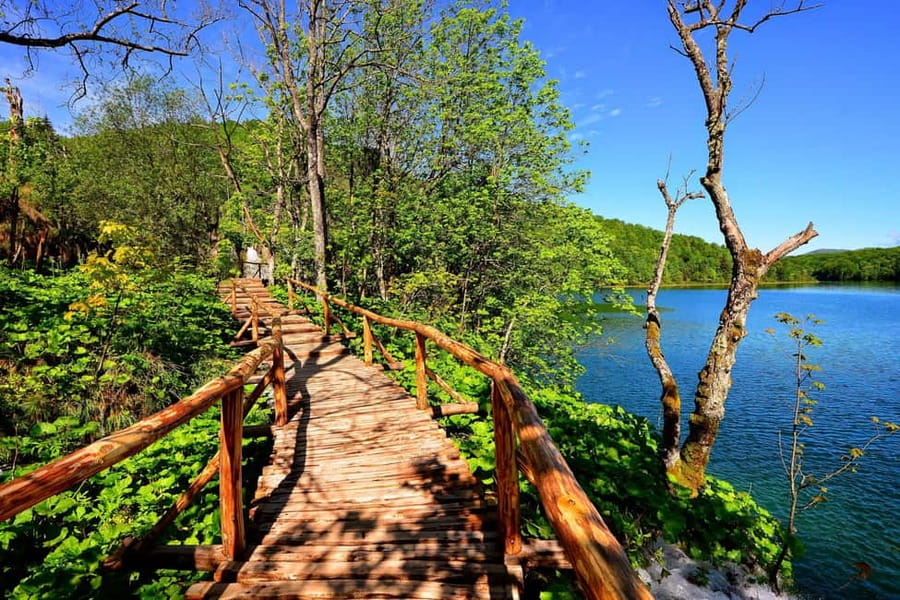
Season should shape your decision. June through September offers the fullest park access and the longest high-season route. The entrance fee is also highest then, at €35 for adults, €24 for students, and €13 for children.
April, May, and October usually offer a middle ground in the fee structure: €21 for adults, €13 for students, and €6 for children. October can bring beautiful color and cooler walking conditions. One October visit was especially appreciated for its autumn setting and comfortable coach ride.
From November through March, the fee drops to €10 for adults, €6 for students, and €4 for children. The tradeoff is reduced access. The Lower Lakes are the only guaranteed section under the stated seasonal rules, and the park train or electric boats may not run.
Winter can still be a smart choice. Several December and January visits had very few people, and snow turned the park into a winter scene. If you value quiet paths and do not mind a shorter route, winter may suit you better than summer. If seeing all the major sections is your priority, choose a warmer month.
Is $46 a good value?
At $46 per person, the tour is reasonably priced for a 10-hour day with transport from Zagreb, a licensed English-speaking guide, the Rastoke stop, and guided access through Plitvice. The boat and train are included when operating.
The price does not include the Plitvice entrance ticket. The operator prebooks it for you, which helps with access, but you still need to budget for the separate fee. In summer, the adult entrance fee adds €35, making the total cost notably higher than the headline tour price.
Even so, the package can be good value if you would otherwise need to arrange a rental car, fuel, parking, park entry, and a route through a large national park. You are also paying for someone to manage the timing and explain the sights, not just for a seat on a bus.
Food and drinks are extra. Bring or buy lunch, and carry water. The day is too long to rely on a quick snack unless you are comfortable eating on the move.
Who should book this experience?
I would recommend it to first-time visitors to Zagreb who want to see Plitvice without changing hotels or renting a car. It also suits you if you prefer having the park route explained and want a mix of nature, local culture, and Croatian history.
It is a good fit for active adults, older children above age five who can walk for several hours, and anyone who appreciates a guide with personality. The tour is not suitable for children under five or people with mobility impairments.
You should think twice if you dislike fixed schedules, group travel, or long transport days. You should also reconsider if you want to spend a full day at Rastoke, since that stop lasts only about 35 minutes.
Should you book the Rastoke and Plitvice day trip?
Book it if your Zagreb schedule allows one long day and Plitvice is high on your Croatia list. The combination of Rastoke and the national park makes better use of the journey than a direct park transfer, and the guide support is particularly useful once you are inside Plitvice.
For the fullest route, choose April through October and check the weather forecast. For fewer people and possible snow, accept the limits of winter. Either way, pack proper shoes, allow for a separate entrance fee, and prepare for a full day outdoors.
FAQ
How long does the tour last?
The tour lasts about 10 hours in high season. Off-season departures may last less than 10 hours, depending on access and operating conditions.
Where is the meeting point?
Meet at the bus stop across from the Ethnographic Museum Zagreb, at Trg Antuna, Ivana i Vladimira Mažuranića 14.
What language is the tour offered in?
The live tour guide operates in English.
Is Plitvice Lakes entrance included in the $46 price?
No. The entrance fee is separate, although it is prebooked for you. Adult prices are €21 in April, May, and October; €35 from June through September; and €10 from November through March.
How much walking is involved?
The high-season route covers about 8.5 kilometers, or 5.3 miles. The route has no major inclines, but you should still expect several hours on foot.
Are the boat and train rides included?
The park boat and train rides are included when they are operating. Weather and seasonal conditions can affect their availability.
What happens from November 1 through March 31?
Only the Lower Lakes can be visited during this period. The electric boats and park train may not operate, depending on weather conditions.
Is lunch included?
No. Food and drinks are not included. A lunch break of about 30 minutes is scheduled during the park visit.
Who should not take this tour?
The experience is not suitable for children under five or people with mobility impairments. It is best for people comfortable with a long day and substantial walking.
Just added in Zagreb
- Fairytale Castle & Wine Tasting & Lunch★ 5.0 · 19 reviews
- Private Wine Road Day Tour from Zagreb★ 4.5 · 11 reviews
- Private Wine Tour from Zagreb: Two Local Wineries & Samobor★ 5.0 · 18 reviews
- Painting party at Art Bottega – Paint & Wine Studio in Zagreb★ 5.0 · 23 reviews
- Zagreb Airport One Way Private Transfer To or From Airport★ 5.0 · 132 reviews
- From Zagreb: Transfer to Split & Plitvice Lakes Guided Tour★ 4.7 · 463 reviews
- Private Transfer: Zagreb Airport (ZAG) to Zagreb Hotel★ 5.0 · 52 reviews
- Zagreb BIG Tour – Our Signature Walking & Panoramic Tour★ 5.0 · 106 reviews
Plitvice Lakes Tours, compared.
Plitvice Lakes Guided Tour with Entry Tickets
Read our review →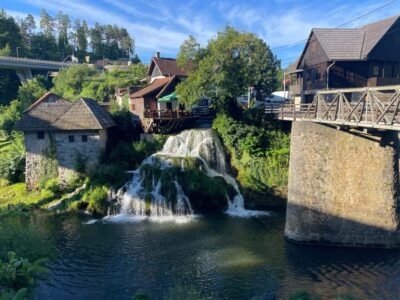
Rastoke & Plitvice Lakes Guided Tour with Ticket
Read our review →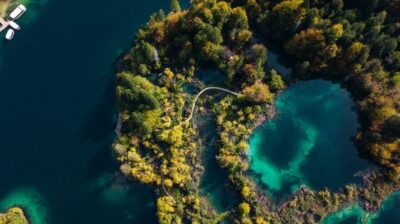
Self-Guided Plitvice Lakes Day Tour with Boat Ride
Read our review →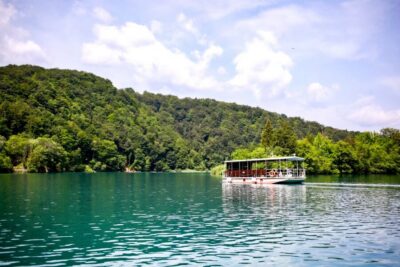
Plitvice Lakes with Boat Ride and Zadar Old Town Tour
Read our review →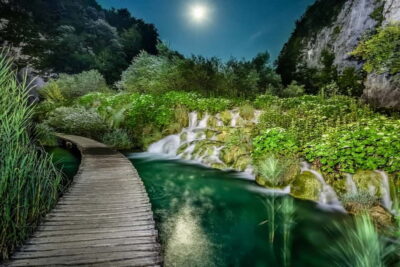
Plitvice Lakes: Guided Walking Tour with Train and Boat Ride
Read our review →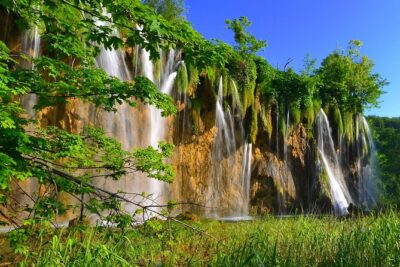
Browse the lists this tour appears in