Reviewed · TOURS IN DUBROVNIK
Olive farm & village
Just 15 minutes from Dubrovnik’s Old Town, Vardia farm trades city walls and cruise-ship crowds for olive trees, vines, fruit, and wide Adriatic views. Ivica Vlašić guides you through land his family has worked for centuries, sharing practical lessons about farming as you walk.
I like the small-group feel, with no more than eight people, and the generous tasting at the end. The chance to try fruit straight from the tree, homemade bread, estate olive oil, white wine, and walnut or fruit liqueur makes this feel like a visit to a family home, not a staged tasting room.
The main consideration is the footing. You will walk for about 30 minutes on a moderate path through terraces and woodland, so sturdy shoes matter. This is not a good pick if you want a completely flat, seated outing.
Key points about the Vardia farm visit
- A family farm with centuries of continuity: Ivica shares a working property his family has tended for roughly three centuries.
- A quiet setting above the Adriatic: Vardia farm sits on Malaštica Hill, about 200 metres above sea level and close to the Bosnia and Herzegovina border.
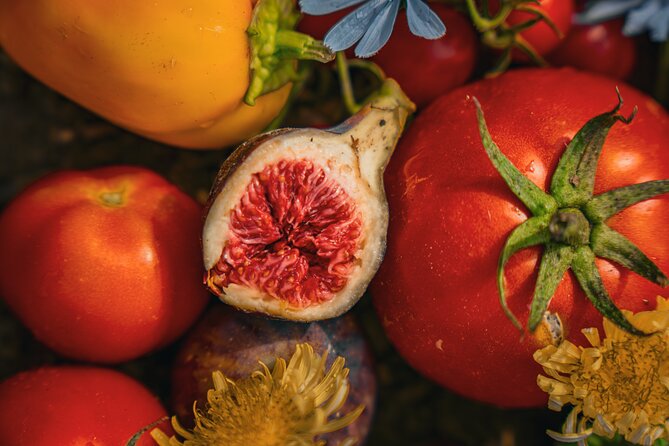
- Fresh products from the land: You may taste figs, grapes, almonds, blackberries, tomatoes, herbs, and other seasonal produce during the walk.
- A focused tasting rather than a long wine flight: The final table centers on olive oil, homemade bread, white wine, and homemade spirits and liqueurs.
- Convenient Dubrovnik pickup: Collection from your hotel or a meeting point in the Dubrovnik area begins around 8:30 a.m.
- A personal experience for active visitors: The outing lasts about 2 hours and 45 minutes and includes moderate hiking on uneven ground.
Leaving Dubrovnik for Malaštica Hill
The tour starts with pickup at your hotel or an agreed meeting point in the Dubrovnik area. The scheduled start is 8:30 a.m., and the drive to Vardia farm takes about 15 minutes from the Old Town.
That short transfer matters. You do not lose half a day in a coach or spend hours getting to a distant rural property. Within minutes, the stone streets and busy waterfront give way to the slopes above the city. The farm is near the border with Bosnia and Herzegovina, so it also gives you a quick look at the countryside beyond Dubrovnik’s tourist center.
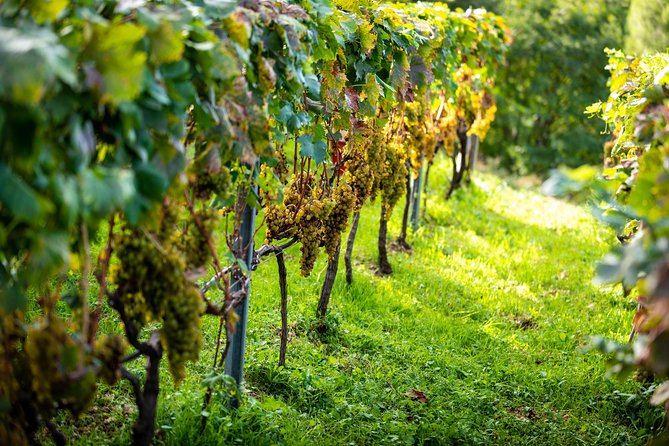
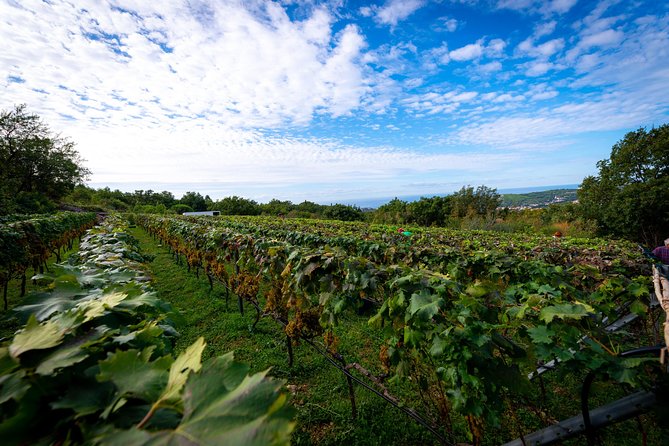
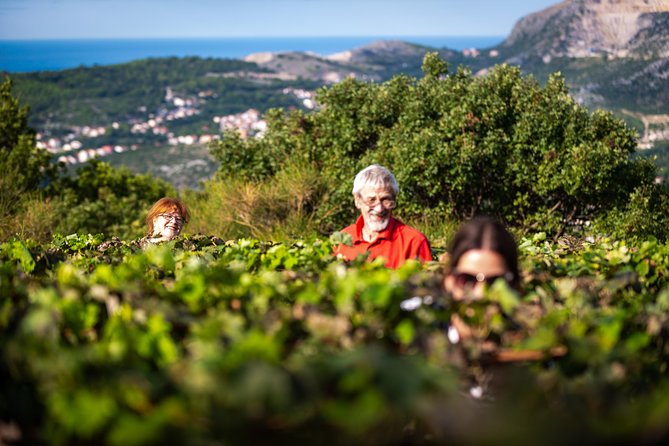
Vardia sits about 200 metres above the Adriatic Sea. The position provides open views and a cooler, quieter setting than the Old Town below. You are not visiting a polished estate built only for tourism. The property includes working olive trees, vines, fruit trees, vegetables, herbs, and woodland.
The group size is capped at eight people. That is a useful limit for this kind of visit. Ivica can stop to explain a plant, answer questions, or adjust the pace without trying to manage a large crowd. Several experiences of this sort can feel rushed when everyone is being moved from one tasting station to the next. This one is built around conversation and a walk.
A few more things to do in Dubrovnik worth a look
- Oyster farm experience / Private day trip from Dubrovnik
★ 5.0 · 29 reviews - Buje: Authentic Istrian family farm, guided walk, foods & wine
★ 5.0 · 37 reviews - Šmrika (near Rijeka/Krk/Crikvenica) Donkey Farm Family Fun
★ 4.8 · 26 reviews
Walking through olive terraces and family farmland
The walking portion takes you down and back up the hill through olive groves, an organic farm, and an old oak forest. The route is described as an easy hike, but you should still expect uneven ground and some climbing. The total walking time is about 30 minutes, and the activity calls for moderate physical fitness.
Wear sensible shoes with a firm sole. This is the most practical piece of advice for booking. Sandals or smooth city shoes may be fine on Dubrovnik’s pavement, but they are less useful on a farm path with slopes, stones, and old terraces.
The olive terraces are one of the most interesting parts of the outing. They show how farming shaped the hills around Dubrovnik long before modern roads and tourism. You can see the trees as part of a larger system rather than as decorative plants beside a tasting table.
Ivica’s explanations connect what you see with what ends up on the table. He talks about cultivation and production, drawing on formal education and years spent working with his father and grandfather. That family connection gives the visit a useful sense of place. You are not only being told how olive oil is made. You are seeing the trees and land that support it.
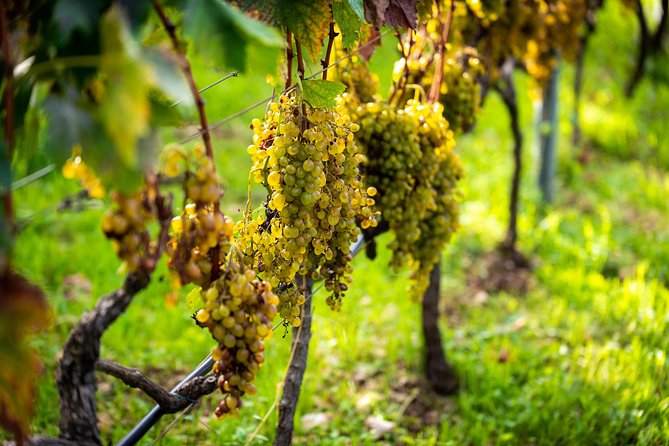
The farm also includes more than olives and grapes. Depending on the season, you might see or taste figs, plums, cherries, grapes, almonds, pomegranates, winter oranges, blackberries, tomatoes, bell peppers, potatoes, rosemary, bay leaves, and other herbs. The exact selection will change through the year, but the point is clear: this is a productive farm, not a single-crop showcase.
You might be invited to pick a piece of fruit or smell an herb along the way. That small act makes the farm easier to understand. A fig eaten beside the tree is a different experience from a packaged sample at a market. It connects the tasting to the soil, season, and work behind it.
The old oak forest adds another change of scenery. After the open olive groves and views toward the sea, the shade and woodland make the walk feel varied. You are still close to Dubrovnik, but the pace is rural and unhurried.
Meeting Ivica and hearing the farm’s story
Ivica Vlašić is the central personality of the experience. He serves as guide, farmer, host, and producer. His connection to the property is personal: the farm has been in his family for centuries, and he is working to reconnect the present-day operation with that past.
That family story is useful because it gives the farm context without turning the visit into a formal history lecture. You hear how the land is used, what grows there, and how products are made. The past is present in the terraces, trees, and methods you can see around you.
The tone is informal. You may find yourself asking about a particular tree, comparing fruit, or talking with other people in the group as you walk. The small size helps Ivica spend time with each person. It also means the experience depends somewhat on your interest in conversation. If you prefer a guide who delivers a tightly scripted talk and moves on quickly, this may feel relaxed rather than structured.
The farm has a few animals as well, including three goats. They are a minor part of the outing, but they add to the sense that this is a lived-in family property rather than a purpose-built attraction.
One especially appealing feature is the mix of old and current life. The farm’s story reaches back around three centuries, yet the visit is not frozen in the past. You see active cultivation, current products, and a family making the property part of modern Dubrovnik’s food scene.
The tasting table: olive oil, bread, wine, and spirits
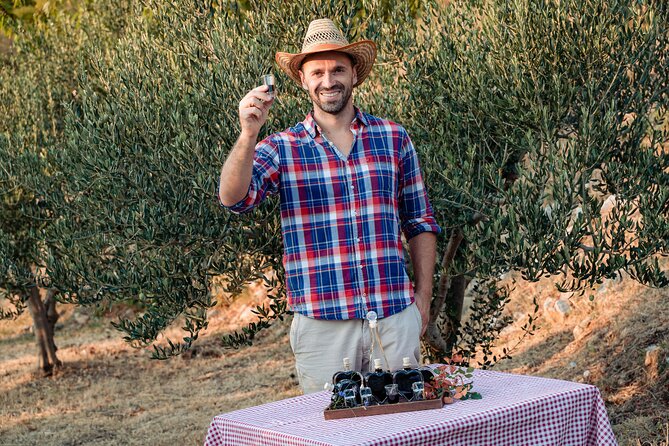
The tasting comes after the walk, when you can sit down and enjoy the products with a view. The central pairing is simple: olive oil and bread.
You taste the olive oil in three ways, with bread, salt, and vinegar. This gives you a basic way to notice how the oil changes depending on what accompanies it. The bread is homemade, and the tasting may also include shortbread, sugared almonds, or apricot jam.
The oil is the star of the table, and the setting makes it more meaningful. You have just walked among the trees that produced it. You have heard about cultivation and production. By the time you dip the bread, the food is connected to a specific place and family rather than presented as an anonymous souvenir.
White wine is included as well. The offering is not designed as a long professional wine tasting with many labels and technical notes. Instead, it is a modest sampling of the farm’s own produce, with some experiences including two white wines. A lemon-flavored wine has also been served and is a memorable option if available during your visit.
The homemade spirits and liqueurs provide another local touch. You may taste herb brandy, grappa, walnut liqueur, or a fruit-based drink made from the orchard. The walnut version is especially distinctive because walnuts grow on the farm. These are small pours, but they give you a taste of the household traditions behind the farm’s products.
The food is not a full lunch. That is worth stating plainly. The listed main tasting is olive oil and bread, with additional small bites and drinks. If you need a substantial meal, eat before or after the tour. For most people, the table should feel like a generous rural tasting rather than a restaurant meal.
Children can have alternatives to the alcoholic tastings. The information provided does not specify a full children’s menu, so families should not assume a complete meal is included. Still, the produce, animals, views, and short walk give children more to do than a standard adult wine tasting.
Same base, a different kind of day out:
- Blue Cave Small-Group Boat Tour from Dubrovnik
★ 5.0 · 9,360 reviews - Full-Day Dubrovnik Elaphite Islands Cruise with Lunch and Drinks
★ 5.0 · 8,823 reviews - Dubrovnik: Epic Game of Thrones Tour + Lokrum & Saver Option
★ 4.9 · 5,995 reviews - Dubrovnik: Elaphiti Islands Full-Day Cruise with Lunch
★ 5.0 · 5,938 reviews
What the price of $84.10 means
At $84.10 per person, this is not the cheapest way to spend a morning near Dubrovnik. You are paying for more than a drink and a snack, though. The cost includes pickup and return in the Dubrovnik area, a small group, Ivica’s guided walk, access to a private family farm, and a spread of homemade products.
The value is strongest if you would otherwise pay for a taxi or rental car to reach the countryside. The short transfer saves time and removes the need to navigate unfamiliar roads. The personal hosting also matters. This is not simply an olive oil sample followed by a ride back to town.
The value is weaker if you are mainly looking for a large wine tasting with many bottles, a full meal, or a formal agricultural tour. The tasting is focused, and the property is a small family operation. Its appeal comes from contact with the land and host, not from scale.
The booking pattern suggests you should reserve early, especially during busy Dubrovnik periods. The experience is often booked about 57 days ahead, and the maximum group size is eight. That combination points to limited availability rather than an operation that can absorb last-minute demand.
Who will enjoy this farm experience most
I would recommend Vardia to you if you want a break from Dubrovnik’s crowded center and enjoy food with a clear connection to its source. It suits people who like family-run businesses, gentle outdoor activity, local products, and conversation.
It is also a good choice for couples and small groups looking for something personal. Solo visitors may appreciate the small group, especially if they enjoy meeting people around a shared table. The farm works well for a morning activity because the transfer is short and the total duration is under three hours.
Families can enjoy the animals, fruit, open space, and nonalcoholic alternatives. Parents should be comfortable with a moderate walk and uneven ground. This is not a stroller-friendly city excursion based on the information provided.
You may want to skip it if you have mobility limits that make a hill walk difficult, if you need a completely weatherproof plan, or if you want to spend the morning sampling a wide range of commercial wines. The experience requires good weather. If conditions force a cancellation, you will be offered another date or a full refund.
The tour is offered in English. Confirmation is provided at booking, and service animals are allowed. Free cancellation is available up to 24 hours before the start time. Changes or cancellations inside that window are not accepted, so keep the local start time in mind.
Why the quiet setting matters
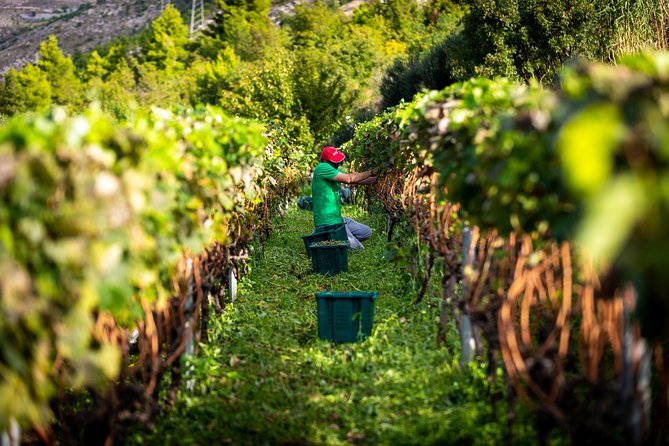
Dubrovnik can make even a short holiday feel crowded. The Old Town is beautiful, but its narrow streets and popular viewpoints can become tiring, especially when cruise ships are in port. Vardia gives you a different view of the region without requiring a full day away.
The Adriatic is still part of the scene, but you experience it from above, among trees and terraces. The quiet is not an added performance. It comes from being on a working farm outside the city.
That change of pace is the strongest reason to book. You get a chance to slow down, taste products in the place where they are made, and hear how one family has kept its connection with the land. The farm does not need a long list of attractions. The trees, views, table, and host carry the visit.
Should you book Vardia farm?
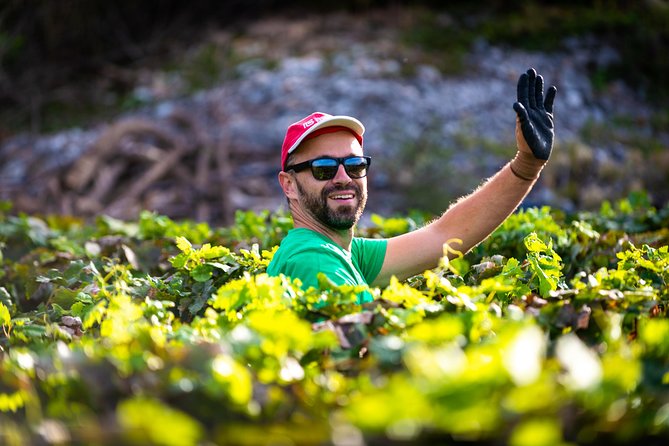
Book this experience if you want a personal countryside morning near Dubrovnik, not a grand vineyard complex or a full restaurant meal. The combination of hotel pickup, a small group, a family-run farm, a short hike, and homemade tastings makes the $84.10 price reasonable for many visitors.
Wear good shoes, bring an appetite for small tastings rather than lunch, and leave room in your schedule for conversation. If you prefer a flat route or a larger professional wine operation, choose another outing. If you want to see a quieter side of Dubrovnik and taste the products of a real family farm, Vardia is an easy choice.
FAQ
Where is Vardia farm located?
Vardia farm is on Malaštica Hill, about 200 metres above the Adriatic Sea. It is roughly a 15-minute scenic drive from Dubrovnik’s Old Town and near the border with Bosnia and Herzegovina.
Is pickup included?
Yes. Pickup is organized in front of hotels or at meeting points in the Dubrovnik area. The listed start time is 8:30 a.m., and you are returned to your accommodation after the visit.
How long does the experience last?
The experience lasts approximately 2 hours and 45 minutes. It includes about 30 minutes of moderate walking through the farm, olive groves, and woodland.
What food and drinks are included?
The tasting includes olive oil served with homemade bread, salt, and vinegar. You may also receive white wine, homemade herb brandy or fruit liqueur, and small products such as jam, shortbread, or sugared almonds.
Is the tour suitable for children?
Children can receive alternatives to the alcoholic tastings. The activity still includes a moderate walk on a farm property, so families should be comfortable with uneven ground and some uphill walking.
What happens if the weather is poor?
The experience requires good weather. If it is canceled because of poor conditions, you will be offered another date or a full refund. You can also cancel for a full refund up to 24 hours before the scheduled start time.
Just added in Dubrovnik
- Full- Day Private Speedboat Tour in Dubrovnik on Elaphiti Islands★ 5.0 · 21 reviews
- Elaphiti Islands Private Dubrovnik Boat Unique Experience★ 5.0 · 10 reviews
- Wine tour peninsula Pelješac★ 5.0 · 3 reviews
- PRIVATE Wine Tour to Konavle country side★ 5.0 · 11 reviews
- Dubrovnik at War 1991-1992 Private Walking Tour★ 5.0 · 4 reviews
- Welcome to Dubrovnik Walking Tour★ 5.0 · 36 reviews
- City Walls of Dubrovnik★ 5.0 · 70 reviews
- Walls of Liberty: A Self-Guided Audio Tour of Dubrovnik★ 3.5 · 3 reviews
Tours in Dubrovnik, compared.
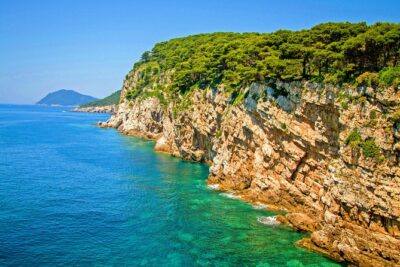
Blue Cave Small-Group Boat Tour from Dubrovnik
Read our review →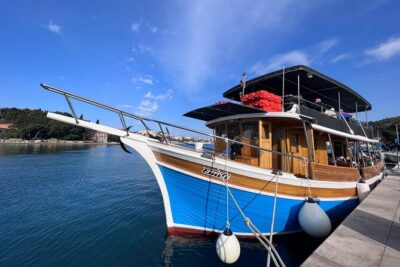
Full-Day Dubrovnik Elaphite Islands Cruise with Lunch and Drinks
Read our review →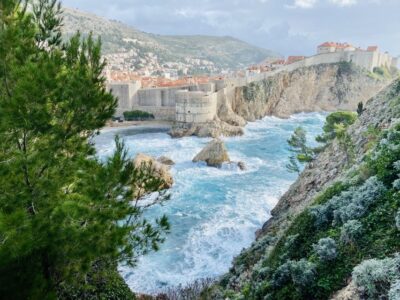
Epic Game of Thrones Tour + Lokrum & Saver Option
Read our review →
The Original Game of Thrones Tour & Lokrum Option
Read our review →
Dubrovnik Game of Thrones Tour & Optional Lokrum Island Visit
Read our review →