

Reviewed · CROATIA
Vis Military Tour
Vis keeps its military past close to the surface. On this tour, you walk through a British fort, enter a submarine shelter, explore former Yugoslav army tunnels, and hear how the island’s WWII airfield fit into the wider conflict. The best part is the mix of forgotten military sites and big sea views from Mount Hum and Fort George.
I like the small maximum of 16 people and the chance to ask questions as you go. I also like the guides’ practical approach. Karim is praised for making the subject both clear and entertaining, while Ante brings a friendly command of the island’s past. The main drawback is pace: you cover several places in only two to three hours, so this is an introduction rather than a full military-history study.
Key points
- Five sharply different stops: See Fort George, a submarine shelter, underground army tunnels, a WWII airfield, and Mount Hum.
- A guide makes the difference: Karim and Ante explain how the sites worked, not just when they were built.
- Small-group format: The tour accepts no more than 16 people, allowing more room for questions.
- Strong photo opportunities: Fort George and Mount Hum provide wide views over Vis and the surrounding sea.
- Useful island pickup: Pickup can be arranged from parts of Vis, including Kut, Stonac, Hotel Issa, Ženka, Rukavac, Postražje, and Komiža.
- Good value for history fans: At $60.34 per person, the price covers a focused half-day outing with a licensed guide and several included site visits.
Why Vis’s military past is worth your morning
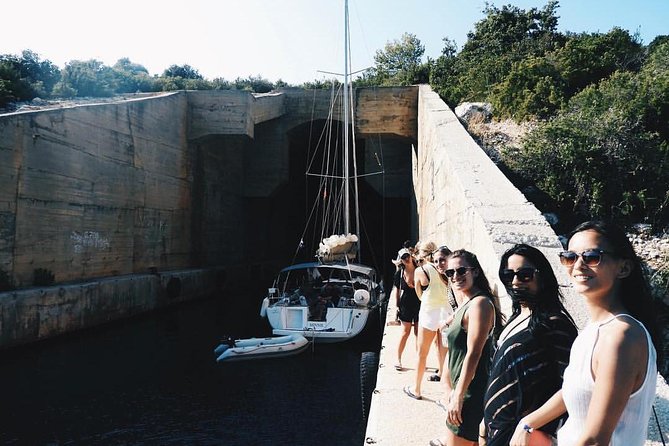
Vis is not simply a pretty Adriatic island with a few old walls. Its position gave it military value for centuries, and the remains scattered around the island show how that role changed over time. This tour moves from a British fort of the Napoleonic era to WWII defenses and then to the underground military system built under former Yugoslavia.
I like that the experience does not treat history as a list of dates. You see the structures themselves. A tunnel tells you about concealment and protection. A submarine shelter points to the island’s role as a naval base. The old airfield opens a window onto WWII logistics.
The guide is important here. Karim is singled out for explaining the engineering and function of the bunkers and gun positions, while Ante is praised for placing the island’s past within a wider two-hundred-year story. The tour is offered in English, and the guide can also provide practical information about Vis beyond the military theme.
Other trips people book in Dalmatia:
- Whitewater Rafting on Cetina River from Split or Šestanovac
★ 5.0 · 560 reviews - Extreme Canyoning on Cetina River from Split or Šestanovac
★ 5.0 · 262 reviews - Montenegro: Bay of Kotor Day Trip from Dubrovnik English -Español
★ 4.5 · 188 reviews
Fort George: a British fort with a commanding view
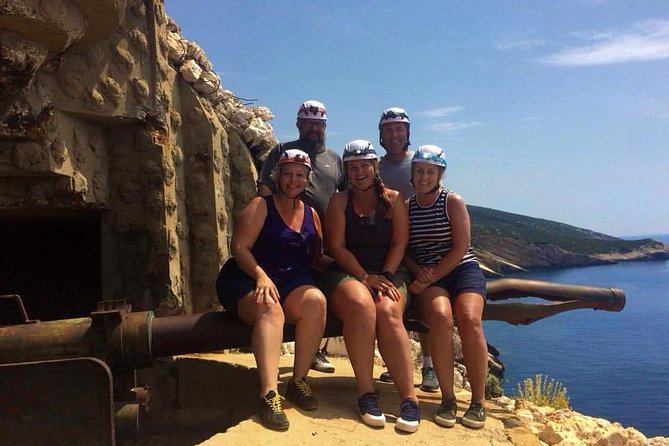
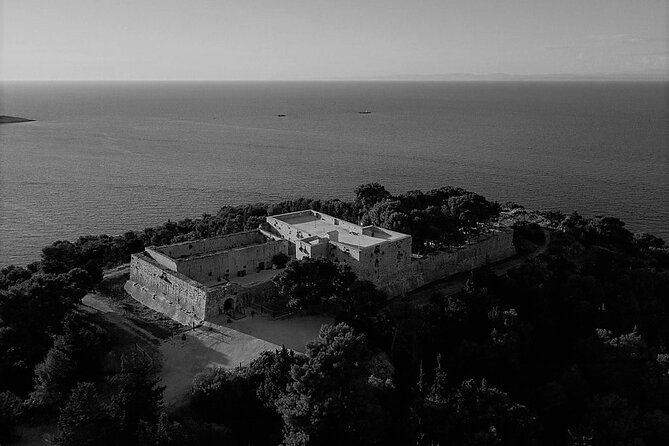
The first stop is Fort George, an old British fort from the Napoleonic era. You spend about 15 minutes walking through the site, with no separate admission charge listed for the tour.
This is a short visit, but it gives you a useful starting point. Fort George shows that Vis mattered before WWII and before the Yugoslav army carved tunnels into the island. Its position also helps explain why military planners valued the area: high ground and clear views matter greatly when a navy needs to watch the sea.
You should expect an introduction rather than a long architectural inspection. Fifteen minutes is enough to see the fort and understand its purpose, but not enough for a slow exploration of every corner. I would pay close attention to the guide’s explanation of the fort’s setting, since the location is as important as the masonry.
The stop also helps set the tone for the rest of the outing. You are not visiting one polished museum. You are moving through scattered remains, with the guide connecting each place to the next.
The submarine shelter at Bay Parja
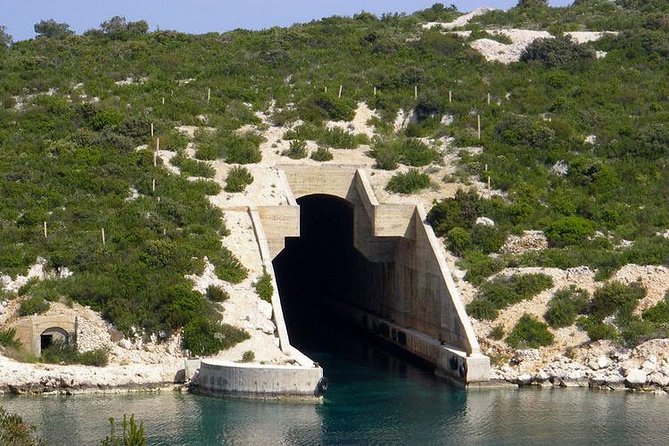
The tour then heads to the submarine tunnel or shelter in Bay Parja. You spend about 20 minutes here, again without a separate admission charge.
This is one of the most striking stops because the shelter lets you see how military engineering used the island’s natural shape. A submarine tunnel is not just an interesting hole in the rock. It reflects the need to protect vessels from attack while keeping them close to the sea.
The guide adds value by explaining how the site functioned. The strongest part of the experience is not merely walking inside, but understanding why the shelter was built and what problem it solved. If you enjoy practical details, this may be the point where the tour becomes more than scenic sightseeing.
Conditions inside military tunnels can feel very different from the open-air stops, so sensible footwear is a good idea. The supplied information does not state lighting or surface conditions, so you should follow the guide’s instructions and avoid assuming that every passage is easy or fully developed.
Inside the former Yugoslav army tunnels
The next stop takes about 20 minutes and focuses on underground tunnels used by the former Yugoslav army. These passages offer a different look at Vis’s military role from the submarine shelter.
I like the contrast. The Bay Parja site is tied to naval protection, while the army tunnels show a broader defensive system on land. Together, they help you see that the island was not defended by one isolated fort. It was part of a network designed to protect military operations and control access.
This is also where a good explanation matters most. Underground spaces can blur together if you only walk through them. Karim is noted for describing the function and engineering of the bunkers, which gives the visit more shape. You can ask questions and connect the physical space with the decisions behind it.
The 20-minute stop is enough for a clear introduction, but not an exhaustive survey of the tunnel system. If military architecture is your main interest, you may wish the tour lasted longer. For most people, the short visit keeps the morning moving and avoids turning the experience into a technical inspection.
Same base, a different kind of day out:
- Adrenaline Quad Safari Tour
★ 5.0 · 177 reviews - Canyoning on Cetina River from Split or Šestanovac
★ 5.0 · 173 reviews - Dubrovnik Airport Transfer (Private transfer)
★ 5.0 · 135 reviews - Islands & Caves Private Tour with pickup, drinks & fuel included
★ 5.0 · 102 reviews
The WWII airfield and Vis’s wartime role

The WWII airfield stop lasts about 10 minutes. Here, the guide explains the role of the airfield during the war.
This is a brief stop, so expect a story and a sense of place more than a long visit to preserved structures. The value lies in connecting Vis to the wider war. Airfields are about movement, supply, aircraft, and communication, and the guide’s explanation helps show how the island fit into those needs.
I appreciate this stop because it broadens the tour beyond forts and tunnels. Military history can become too focused on walls and weapons. The airfield reminds you that an island’s strategic value also depends on transport and reach.
The 10-minute timing is the clearest sign that this tour samples Vis’s military sites rather than examining each one in depth. You will get the essential story, then continue to the island’s highest point.
Mount Hum: the tour’s best panoramic pause
At Mount Hum, you spend about 20 minutes taking in the view from the highest point on Vis. This is the tour’s natural finale, and it provides a welcome change after the enclosed tunnel stops.
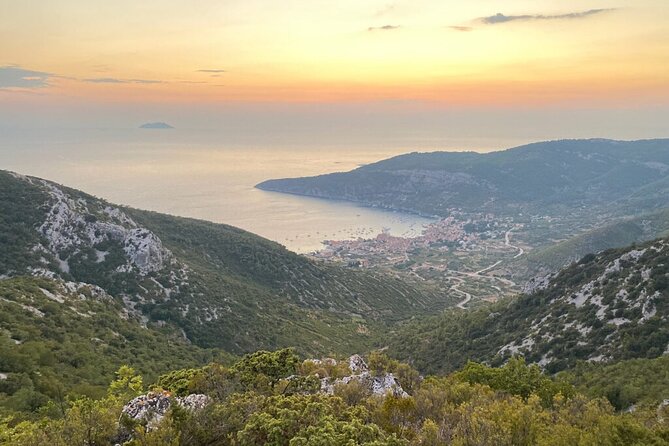
The panorama helps you read the island as a military position. From high ground, the relationship between coast, bays, roads, and open sea becomes easier to understand. The view is also one of the best chances to take photographs, especially if you want a record of the island beyond its ruins.
I like the way this stop gives the history room to breathe. After hearing about defensive tunnels and wartime aircraft, you can look across the island and think about why those positions mattered. The guide’s commentary can turn a scenic viewpoint into a final piece of the military story.
The tour does not promise a long hiking excursion on Mount Hum. The listed visit is about 20 minutes, so you should see it as a viewpoint stop rather than a mountain walk.
A small group helps the history land
The maximum group size is 16 people. That is small enough to make a real difference, especially in tunnels and at military structures where a large crowd would make questions harder.
I value small groups on history tours because the guide can adjust the explanation. If you want to know how a shelter was engineered, why an airfield mattered, or how Vis changed over two centuries, you have a better chance of getting a useful answer. The feedback attached to this experience points to that personal approach, with Karim and Ante both praised for friendly, clear explanations.
The tour is licensed and offered in English. Its strongest guides appear to combine facts with a wider understanding of the island, so you can ask about local places and practical matters as well as military history.
Still, the exact guide may vary. Karim and Ante are named in the available comments, but you should not assume that one particular guide will lead every departure.
What $60.34 gets you
At $60.34 per person, this is not the cheapest way to spend two hours on Vis. Its value depends on how much you want a guide and how difficult it would be for you to reach these sites independently.
You are paying for a focused route that combines five stops, a licensed English-language guide, and transportation arrangements that may include pickup from parts of the island. The sites themselves have no separate admission charge listed, so the price is mainly for the guided experience and logistics.
I consider it good value if military history is a major reason you came to Vis. You get more than a general island drive because the guide explains what you are seeing and links the sites together. The price is less compelling if you only want broad sightseeing or if you prefer to spend a full day at each place.
The tour is also useful for families with older children. The experience has been suitable for teenagers aged 16 and 18, and the combination of tunnels, fortifications, aircraft history, and views gives the subject variety. Younger children may find the explanations less engaging, but the provided information does not set a minimum age.
Timing, pickup, and practical planning
The tour lasts about two to three hours and begins and ends in Vis, Croatia. Pickup can be arranged on request from some parts of the island, including Kut, Stonac, Hotel Issa, Ženka, Rukavac, Postražje, and Komiža.
That pickup option matters on Vis, where your accommodation may not be close to the starting point. Confirm your pickup location when booking rather than assuming every address is covered. The activity is also near public transportation, though the details do not specify routes or schedules.
The tour is often booked well ahead, with an average booking lead time of 42 days. If your dates are fixed, I would reserve early, especially if you are visiting during a busy period or arriving by cruise ship.
One useful point is flexibility around a late cruise arrival. The guide accommodated a delayed ship in one reported case, but you should still contact the provider if your arrival time changes. Do not count on a late start without confirmation.
The experience requires good weather and a minimum number of participants. If poor weather or low numbers force cancellation, you can choose another date or receive a full refund. You can cancel for a full refund up to 24 hours before the start time, but changes or cancellations inside that window are not accepted.
Who should book the Vis Military Tour?
I would choose this tour if you want to understand why Vis mattered strategically and prefer real sites to a standard town walk. It is especially suitable for anyone interested in WWII, Cold War-era military planning, naval history, fortifications, or the practical side of island defense.
It also works well for a mixed group. One person can enjoy the history, another can focus on photography, and a teenager can get interested in the tunnels and submarine shelter. The panoramic stops keep the outing from becoming a nonstop sequence of enclosed rooms.
I would hesitate if you dislike tunnels, want a relaxed beach morning, or expect a full museum-style presentation. Several stops are short, and the tour covers a lot of ground in two to three hours. You will come away with a strong overview, not every detail of Vis’s military past.
Should you book it?
Book the Vis Military Tour if you want a compact, well-guided look at the island’s military story, with submarine tunnels and WWII sites balanced by views from Fort George and Mount Hum. At $60.34, it makes the most sense when you value interpretation and convenient transport rather than simply visiting viewpoints.
The tour is a good choice for history-minded couples, families with older children, and anyone with only part of a day on Vis. If you have more time and a very serious interest in military history, treat this as your starting point and allow extra time elsewhere for the subject. For a short visit, though, the mix of unusual sites, practical explanations, and a group capped at 16 makes it an easy recommendation.
FAQ
How long does the Vis Military Tour last?
The tour lasts approximately two to three hours.
Where does the tour start and finish?
It starts in Vis, Croatia, and ends back at the meeting point.
Is pickup available?
Pickup can be arranged on request from some parts of the island, including Kut, Stonac, Hotel Issa, Ženka, Rukavac, Postražje, and Komiža.
What language is the tour offered in?
The tour is offered in English.
What places are visited?
The tour visits Fort George, the submarine tunnel or shelter in Bay Parja, former Yugoslav army tunnels, a WWII airfield site, and Mount Hum.
How many people can join the tour?
The maximum group size is 16 participants.
What happens if the tour is canceled because of weather or low numbers?
You will be offered a different date or experience, or a full refund. The tour requires good weather and a minimum number of participants.
Just added in Dalmatia
- Half-Day River Rafting in Zrmanja★ 5.0 · 7 reviews
- Zrce Booze Cruise – Novalja Boat party★ 4.5 · 26 reviews
- Wine Tasting & Winery Tours★ 5.0 · 7 reviews
- Explore Dubrovnik by Sea – Rent a JET SKI Yamaha VX 1, 4 or 8 Hours★ 5.0 · 48 reviews
- Sailboat tour to the islands★ 4.5 · 6 reviews
- Vis sandy beach Stand Up Paddle Tour★ 5.0 · 16 reviews
- Rafting in upper part of Cetina river from Split or Blato n/C★ 5.0 · 67 reviews
- Canoe safari adventures at Zrmanja river day tour★ 5.0 · 11 reviews