
Reviewed · CROATIA
Give Bees a chance!
The best part of this Šolta experience is the chance to see the inner workings of a real beehive without putting your hands, or your nose, in danger. At Tvrdic Honey in Grohote, beekeeper Goran Tvrdić explains how bees live, work, and support the food chain, then lets you taste the island’s honey.
I like the personal family setting, where generations of beekeeping shape the talk, and I like the chance to compare several honeys, including the especially memorable rosemary variety. The main consideration is time: at about one hour, this is a focused introduction rather than a long farm visit.
Key points to know before you book
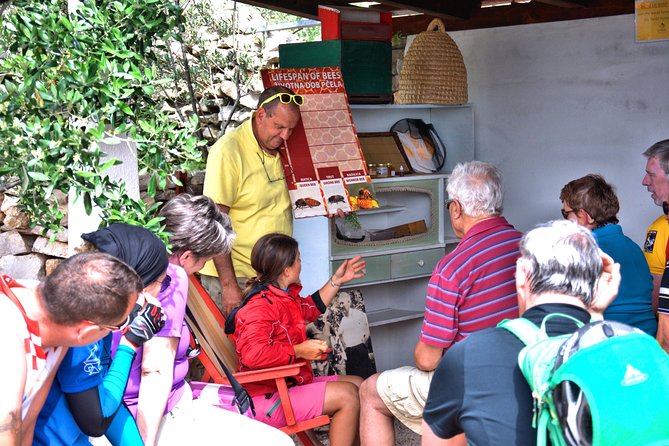
- A live hive without the sting: See the working parts of a real hive through a safe display.
- Goran’s lively presentation: The talk mixes useful bee facts with humor and stories from a family beekeeping tradition.
- Šolta flavors in the tasting: Sample local honey and look for rosemary honey, propolis, pollen, and royal jelly products.
- A global honey collection: The family displays honey sent from all continents by people hoping to support bees worldwide.
- Easy port access: Pickup and return are offered from Rogač Port and hotels, making this a practical stop after arriving by ferry.
- Small-group scale: The maximum group size is 15, so the visit should feel more personal than a large commercial presentation.
Meeting the bees on Šolta
This is not simply a shop stop with a few jars lined up for sale. The visit is built around understanding bees first, then tasting what they make. That order matters. Once you see the work involved, honey becomes more than a sweet spread for toast.
The setting is Tvrdic Honey in Grohote, on Šolta, with the listed meeting point at Rogač Port. If you arrange pickup, the experience includes transport from your hotel or the port and a return to the same general starting point. That is useful on an island, where getting between the ferry landing and inland villages can take more planning than the short distance on a map suggests.
The activity is offered in English and lasts about an hour. You do not need to be an expert in insects or farming. The presentation is aimed at ordinary curious people, and the material works well for mixed ages. A family with children, a couple interested in local food, and a cycling group can all take something from it.
The group limit is 15 people. That is small enough for questions and a closer look at the hive, though it is still worth remembering that a scheduled group activity will not feel like a private family visit.
Other trips people book in Dalmatia:
- Whitewater Rafting on Cetina River from Split or Šestanovac
★ 5.0 · 560 reviews - Extreme Canyoning on Cetina River from Split or Šestanovac
★ 5.0 · 262 reviews - Montenegro: Bay of Kotor Day Trip from Dubrovnik English -Español
★ 4.5 · 188 reviews
Goran’s family story and the secret life of bees
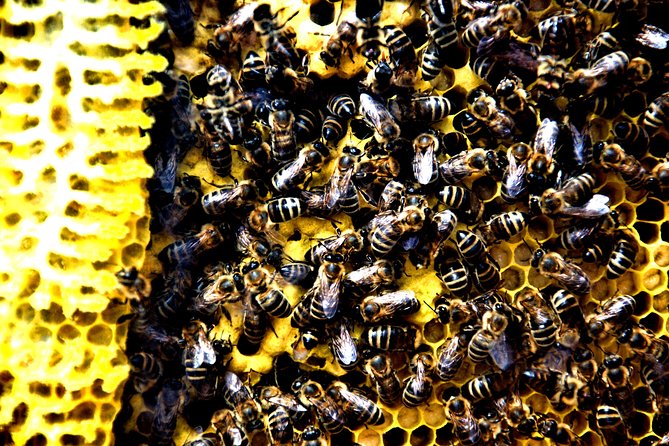
Goran Tvrdić is the central voice of the experience. His family has kept bees for generations, and the presentation draws on that practical background. He explains bee behavior, honey production, and the products made by the hive in a way that stays light and easy to follow.
The humor is part of the appeal. The talk is not presented as a formal science lecture, so you can expect a relaxed style, jokes, and room for conversation. That helps younger children stay interested, while adults get a clear explanation of why bees matter to agriculture, nutrition, and human health.
The larger message is about the pressure bees face in the modern world. You learn that bees are not only producers of honey. Their work affects pollination and, in turn, the food people depend on. The visit also introduces the wider range of hive products, including propolis, pollen, and royal jelly.
I find this useful because it connects a familiar food to a much bigger system. You are not asked to care about bees only because honey tastes good. You are shown why their survival has consequences beyond the jar on the table.
Looking inside a real hive safely
The live-hive display is the most unusual part of the visit. You get to see the internal workings of a real hive without the danger of being stung. That gives you a rare look at the structure of a colony while keeping the activity comfortable for people who are cautious around insects.
The point is not just to watch bees moving behind a protective barrier. The display helps make Goran’s explanation easier to understand. As he talks about pollen, the organization of the colony, and honey production, you have something real to look at rather than relying only on a picture or verbal description.
The experience does not promise that you will handle bees, wear a beekeeper’s suit, or open an active hive yourself. That is worth noting if you want a full working-apiary visit. The appeal here is observation and explanation, not a hands-on beekeeping lesson.
For most people, that is a sensible trade. You get the close view without needing special clothing or accepting the risk of a sting. If you have a strong fear of bees, the display may still feel intense, but you can decide how closely to watch.
Tasting Šolta honey, especially rosemary
The tasting gives the talk a delicious finish. You try several local honeys and can compare their color, scent, texture, and flavor. The rosemary honey is the one I would make a priority. It reflects the island’s plant life and has become a favorite part of the tasting for many people who visit.
The family also produces or displays propolis products, pollen, and royal jelly. These are not all the same thing, and Goran explains their different uses. That makes the tasting more useful than simply sampling sweet flavors without context.
Do not expect a full meal. Food and drinks are not included, and lunch is specifically excluded. This is a tasting, not a restaurant stop, so plan to eat separately if you need something substantial before or after the visit.
The shop gives you a chance to buy honey or related products, but the visit does not require you to purchase anything. Still, the small jars are practical souvenirs. Honey travels more easily than many island foods, and buying from the family directly supports the local tradition you have just learned about.
Same base, a different kind of day out:
- Adrenaline Quad Safari Tour
★ 5.0 · 177 reviews - Canyoning on Cetina River from Split or Šestanovac
★ 5.0 · 173 reviews - Dubrovnik Airport Transfer (Private transfer)
★ 5.0 · 135 reviews - Islands & Caves Private Tour with pickup, drinks & fuel included
★ 5.0 · 102 reviews
A collection that reaches far beyond Croatia
One unusual feature is the family’s collection of honeys from around the world. People have sent honey from every continent as part of the wider effort to give bees a chance globally. The collection adds a surprising international note to an otherwise very local experience.
You can compare the idea of island honey with honey from other places and think about how plants, climate, and local agriculture shape flavor. The collection is also a reminder that beekeeping connects communities well beyond Šolta.
This part should not be confused with a full tasting of every jar in the collection. The information promises an impressive display, while the tasting centers on Solta honey and related products. Even so, the collection gives the visit a distinctive talking point that you will not find at every local food stop.
Why the one-hour format works
At roughly one hour, the activity fits neatly into a day on Šolta. You can place it around a ferry arrival, a port visit, a bike outing, or time spent exploring Grohote. Pickup and drop-off help reduce the need to solve transport on your own.
The short format also keeps the subject from becoming tiring. You receive the key ideas about bee life, threats to bees, hive products, and honey tasting without committing half a day. For a child or anyone with limited patience for talks, that is a real advantage.
The tradeoff is depth. If you already keep bees or have taken an apiary course, you may want more technical detail than this introduction provides. The activity is designed for a broad audience, with an entertaining presentation rather than specialist training.
I would also allow a little flexibility around the stated duration if questions run long or you spend time browsing the shop. The official estimate is about one hour, but the most enjoyable part may be the informal conversation at the end.
Who will get the most from this visit
I would recommend this experience to anyone interested in local food, family traditions, or the natural systems behind everyday products. It is especially suitable for families because the live hive gives children something concrete to watch, while Goran’s humor keeps the explanations from feeling dry.
It also works well for couples and small groups looking for a quieter stop away from the main coastal sights. A biking group with ages ranging from 15 to 70 has been accommodated, which suggests that the material is broad enough for a mixed-age outing.
This is a good choice if you want a meaningful activity but do not want a long tour. It is less suitable if you want a full lunch, a major sightseeing route, or a physically active excursion. There are no promised scenic walks or extended farm activities, so book it for the bees, the tasting, and the conversation.
Most people can participate. A child rate is available only when the child shares the booking with two paying adults, so check the final cost carefully if you are arranging a family visit.
Is $30.04 a fair price?
At $30.04 per person, the value depends on what you want from a short island activity. You are paying for a guided presentation, a safe view inside a real hive, a honey tasting, access to the family collection, and transport pickup and return when arranged. That is a fair package if you would otherwise need to organize a taxi or spend an hour browsing without much context.
The price is less compelling if you only want to buy a jar of honey. The shop alone may meet that need, but the talk is what gives the visit its value. You leave with a better sense of how bees work and why local honey tastes the way it does.
The experience has a 4.9 out of 5 rating from 50 reviews and is recommended by 96 percent of people who rated it. Those figures fit the strongest features of the activity: Goran’s warm delivery, the clear explanations, the rosemary honey, and the personal family setting.
Free cancellation is available if you cancel at least 24 hours before the start time. Changes or cancellations made later are not accepted for a refund, and the cutoff follows local time.
Planning your stop at Rogač Port
The listed start point is Rogač Port, at D112 32, 21430 Rogač, Croatia. The activity ends back at the meeting point. Hotel and port pickup and drop-off are included, so confirm the pickup details when booking rather than assuming that transport will happen automatically from any location.
You receive confirmation when you book, and a mobile ticket is offered. The activity is conducted in English. Drinks, food, and lunch are not included, so arrange those separately.
Because the tour is often booked around 36 days in advance, I would not leave it until the last moment if the timing matters to your island plans. The maximum group is 15 people, and a small island activity may have fewer departure options than a city attraction.
Should you book Give Bees a Chance?
Book it if you want a short, friendly, local experience with a clear purpose. The live-hive display, Goran Tvrdić’s funny presentation, and the chance to taste Šolta rosemary honey make this more memorable than a standard shop visit.
Skip it if you want a full apiary work session, a meal, or a longer tour of the island. For everyone else, especially families, food lovers, and anyone arriving through Rogač Port, this is an easy way to spend an hour supporting a real family tradition while learning why bees matter.
FAQ
Where does the bee experience take place?
The activity takes place at Tvrdic Honey on Šolta, with the listed starting point at Rogač Port, D112 32, 21430 Rogač, Croatia.
How long does the experience last?
The activity lasts approximately one hour.
Is pickup available?
Yes. Hotel and port pickup are offered, and hotel or port drop-off is included.
What language is the experience offered in?
The experience is offered in English.
Will I see a real beehive?
Yes. You can see the internal workings of a real beehive without the danger of being stung.
What will I taste?
You can taste Solta honey, including different varieties. The visit also covers products such as propolis, pollen, and royal jelly.
Is lunch included?
No. Food and drinks, including lunch, are not included.
How many people can join the activity?
The maximum group size is 15 people.
Can I cancel for a full refund?
Yes, if you cancel at least 24 hours before the experience start time. Cancellations or changes made less than 24 hours before the start time are not refunded or accepted.
Just added in Dalmatia
- Half-Day River Rafting in Zrmanja★ 5.0 · 7 reviews
- Vis Military Tour★ 5.0 · 53 reviews
- Zrce Booze Cruise – Novalja Boat party★ 4.5 · 26 reviews
- Wine Tasting & Winery Tours★ 5.0 · 7 reviews
- Explore Dubrovnik by Sea – Rent a JET SKI Yamaha VX 1, 4 or 8 Hours★ 5.0 · 48 reviews
- Sailboat tour to the islands★ 4.5 · 6 reviews
- Vis sandy beach Stand Up Paddle Tour★ 5.0 · 16 reviews
- Rafting in upper part of Cetina river from Split or Blato n/C★ 5.0 · 67 reviews